Guides
Ballet uniform guides
Plain answers about what to wear, how to choose a size and how to look after ballet uniform, for dancers and parents.
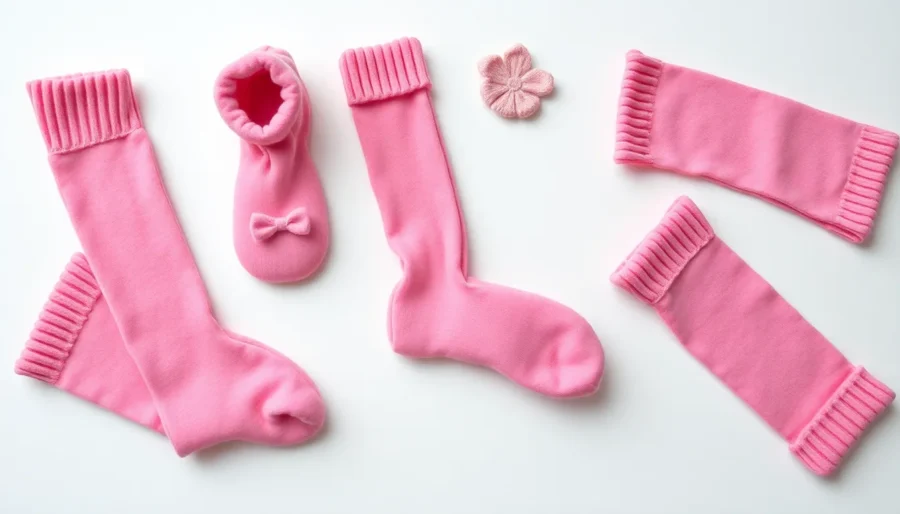 Ballet Warm-Up Booties: What They Are and When to Wear ThemBallet warm-up booties are padded foot coverings worn over ballet shoes during the warm-up section of class. This guide explains what they are, why dancers use them, and when to take them off.Read the guide →
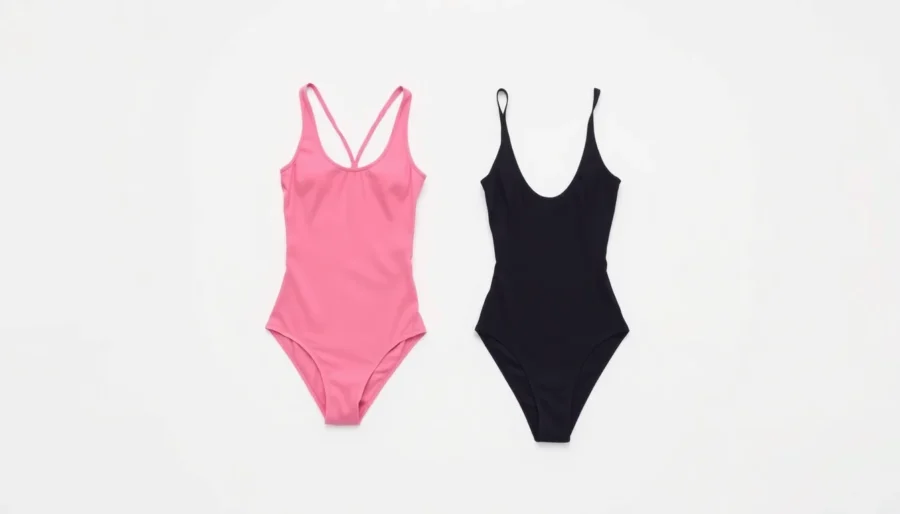 Leotard vs Unitard: What Is the Difference?A leotard covers the torso but leaves the legs bare. A unitard covers both the torso and the legs. This guide explains the difference, when each is worn in ballet, and which to choose for class.Read the guide →
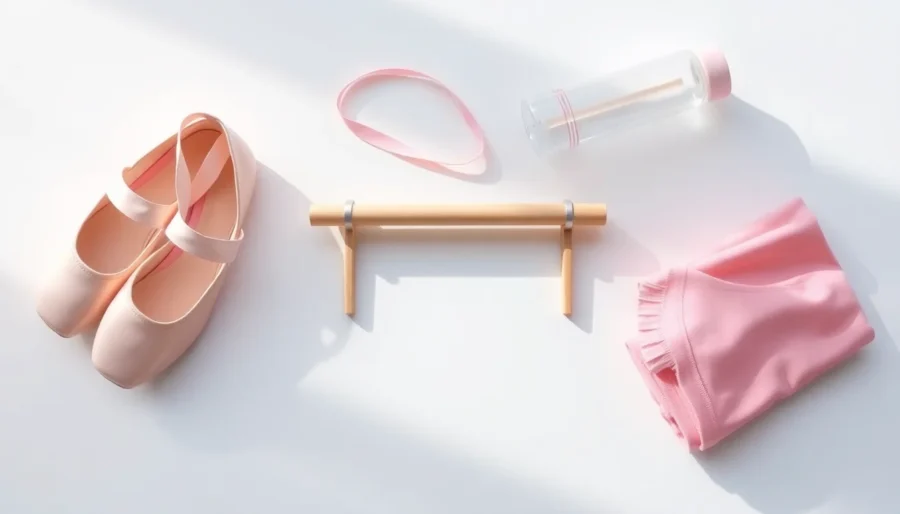 Ballet Barre Exercises for BeginnersBarre work is the technical foundation of every ballet class. This guide explains the essential barre exercises for beginners — from plié to grand battement — with tips for practicing at home.Read the guide →
 How Long Do Pointe Shoes Last?Pointe shoes typically last 12 to 20 hours of dancing for students. This guide explains what affects pointe shoe lifespan, the signs a shoe is dead, and how to make them last longer.Read the guide →
 History of Ballet: Origins and How It BeganBallet originated in Renaissance Italy before developing into a codified art form in 17th-century France. This guide traces the history of ballet from its court origins to the great classical works still performed today.Read the guide →
 Tights vs Leggings: What Is the Difference for Ballet?Tights and leggings are often confused, but in ballet class they are not interchangeable. This guide explains the key differences and why ballet tights are required for class.Read the guide →
 Is Ballet a Sport? The Debate ExplainedBallet demands strength, endurance, and years of intense training comparable to elite sport. Yet it is also a performing art. This guide examines whether ballet is a sport, and what the evidence shows.Read the guide →
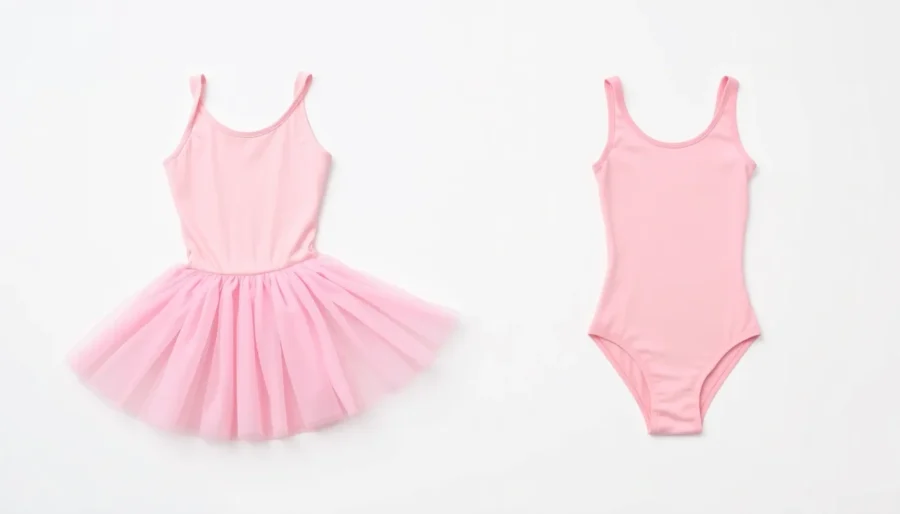 Ballet Dress vs Leotard: When to Wear EachA ballet dress combines a leotard with an attached skirt, while a plain leotard leaves the legs fully visible for technical training. This guide explains when each is correct, including RAD dress code notes.Read the guide →
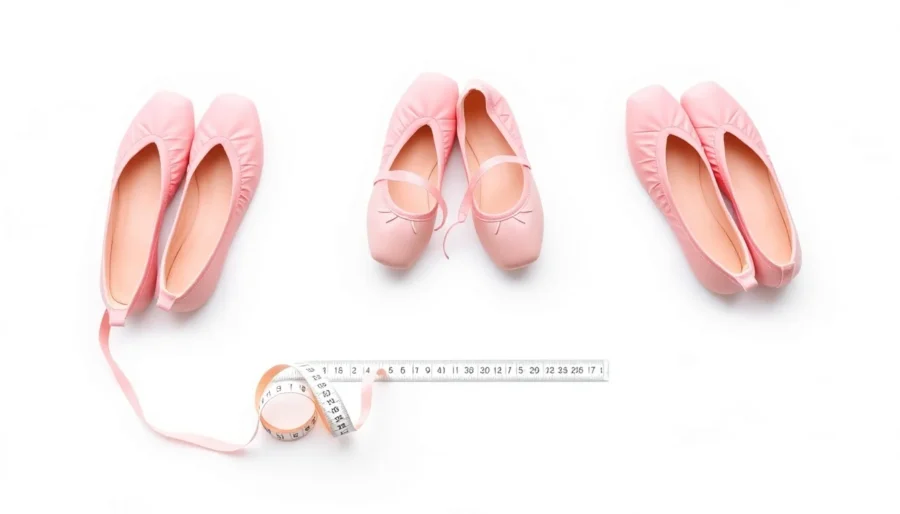 Ballet Shoe Size Chart: How to Find the Right FitBallet shoes are sized differently from street shoes — usually two to three sizes smaller. This guide explains how to measure your child's feet and use a size chart to find the right fit.Read the guide →
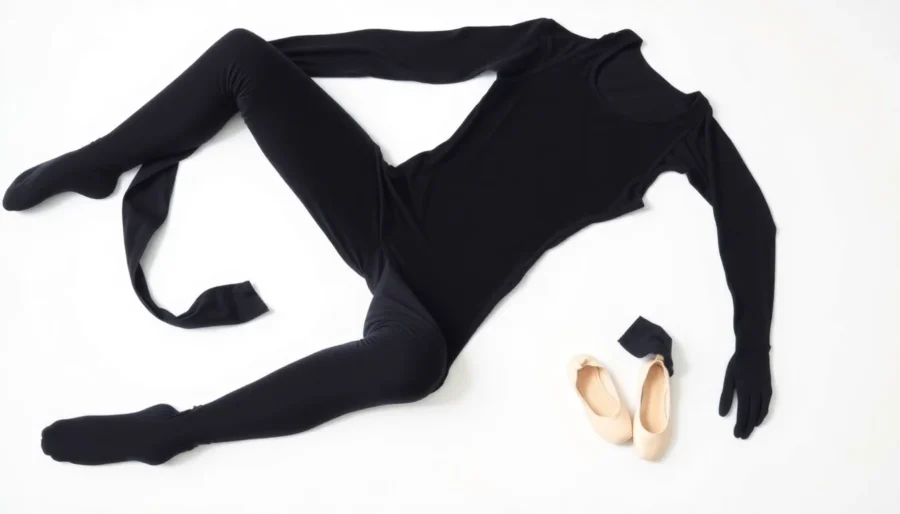 What Is a Male Ballerina Called?A male ballet dancer is correctly called a danseur, not a ballerina. This guide explains the correct terminology, the different types of male roles, and famous male dancers.Read the guide →