
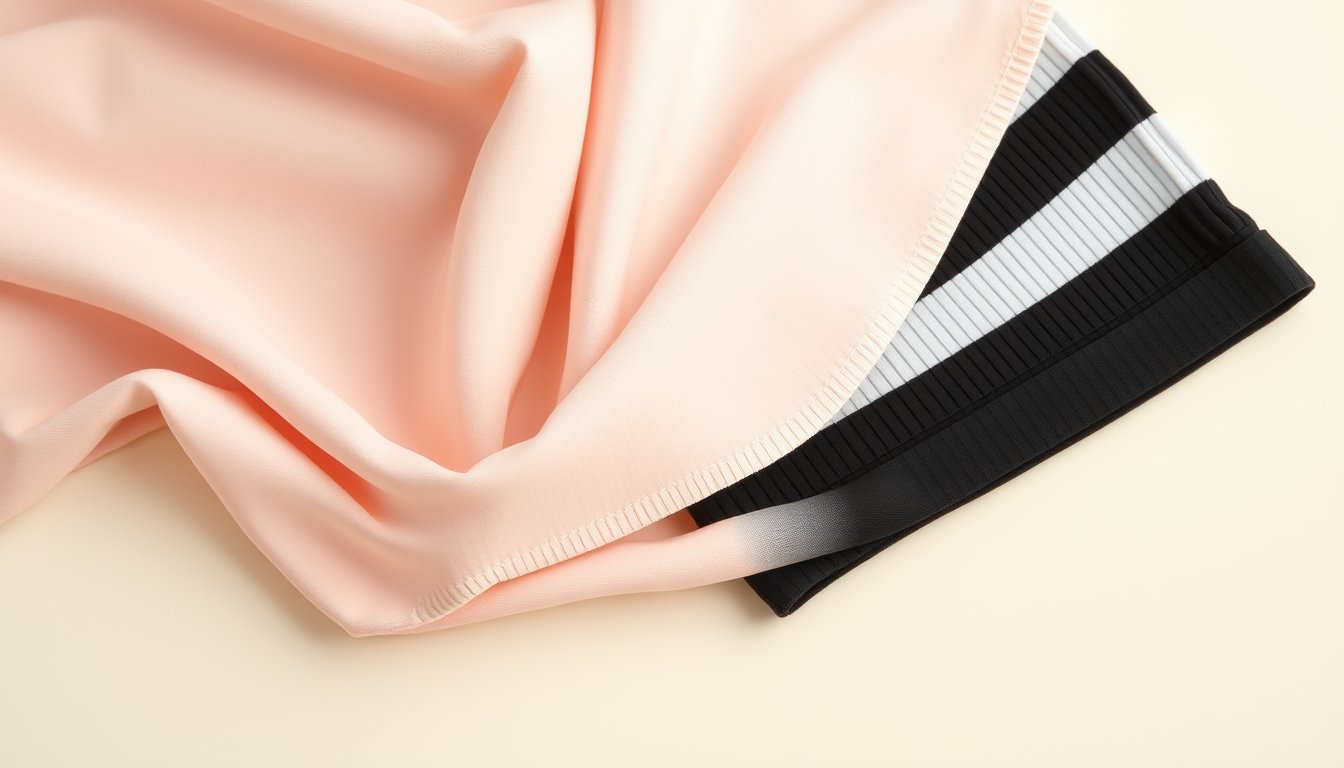
Most ballet leotards are made from a blend of polyester and elastane (also called Lycra or spandex). This combination gives the stretch, shape retention and colour fastness that dance class demands. Some leotards use nylon instead of polyester, and a minority use cotton — each has trade-offs.
Polyester-Elastane: The Most Common Fabric
The majority of ballet leotards — including most RAD examination uniform — are made from a polyester-elastane blend, typically 80-90% polyester with 10-20% elastane.
What polyester does
- Holds its shape wash after wash without pilling
- Retains colour — a burgundy Grade 3 leotard will still look burgundy after two years of class
- Dries quickly after washing or sweating
- Is easy to care for at low temperatures
What elastane adds
- Four-way stretch so the leotard moves with the dancer
- Recovery — it returns to its original shape after stretching
- A smooth, flat appearance under stage or exam lighting
Nylon-Elastane
Nylon is softer against the skin than polyester and has a slightly silkier feel. Leotards made from nylon-elastane tend to be more expensive. Performance is very similar to polyester-elastane, though nylon can be slightly less colour-stable over time with repeated washing.
Cotton and Cotton Blends
Some practice leotards use cotton or a cotton-elastane blend. Cotton is breathable and soft but absorbs sweat, takes longer to dry and can stretch out of shape over time. Cotton leotards are generally not recommended for examination wear because they do not hold their shape as consistently under movement.
What to Look for on a Label
- Elastane content of at least 10% — less than this and the leotard will not recover its shape after stretching
- Polyester or nylon as the main fibre — this gives colour fastness and durability
- Machine-washable at 30 degrees or below — most modern dance fabrics are, and a low temperature protects colour and fibre
How to Care for a Polyester Leotard
- Wash at 30 degrees or cold, inside out
- Do not use fabric softener — it degrades elastane fibres over time
- Air dry rather than tumble dry — heat breaks down elastane and can cause the leotard to lose stretch
- Do not iron directly on the fabric
Does Fabric Matter for RAD Exams?
RAD examination centres check colour and style, not fabric composition. However, a leotard that loses its colour, pills or stretches out of shape before an exam is a practical problem. A polyester-elastane blend holds up best over a full academic year of weekly classes.
Browse our full range of RAD ballet uniform sets, or check our size guide if you are unsure which size to order.