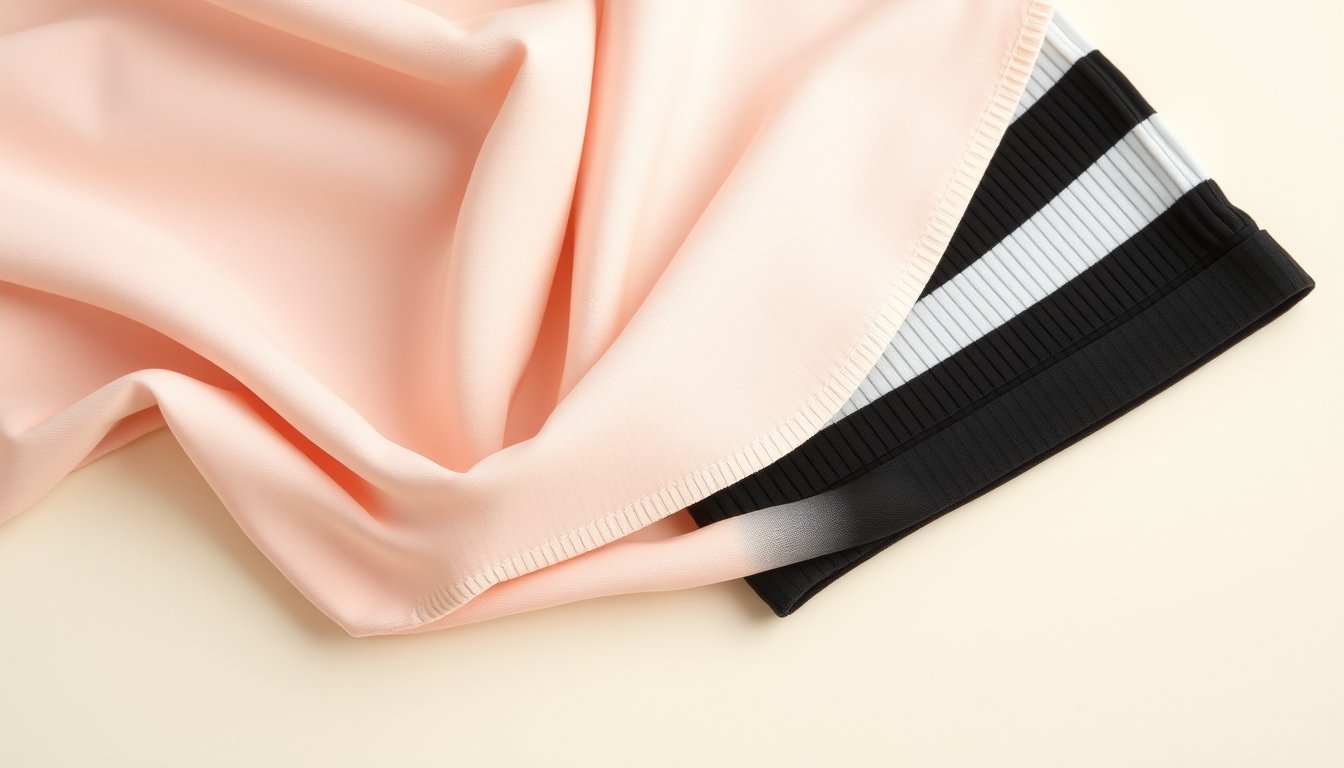
Most ballet leotards are made from a blend of polyester and elastane (also called Lycra or spandex). This combination gives the stretch, shape retention and color fastness that dance class demands. Some leotards use nylon instead of polyester, and a minority use cotton — each has trade-offs.
Short answer: Most ballet leotards are made from a blend of polyester and elastane (also called Lycra or spandex).
Polyester-Elastane: The Most Common Fabric
The majority of ballet leotards — including most RAD examination uniform — are made from a polyester-elastane blend, typically 80-90% polyester with 10-20% elastane.
What polyester does
- Holds its shape wash after wash without pilling
- Retains color — a burgundy Grade 3 leotard will still look burgundy after two years of class
- Dries quickly after washing or sweating
- Is easy to care for at low temperatures
What elastane adds
- Four-way stretch so the leotard moves with the dancer
- Recovery — it returns to its original shape after stretching
- A smooth, flat appearance under stage or exam lighting
Nylon-Elastane
Nylon is softer against the skin than polyester and has a slightly silkier feel. Leotards made from nylon-elastane tend to be more expensive. Performance is very similar to polyester-elastane, though nylon can be slightly less color-stable over time with repeated washing.
Cotton and Cotton Blends
Some practice leotards use cotton or a cotton-elastane blend. Cotton is breathable and soft but absorbs sweat, takes longer to dry and can stretch out of shape over time. Cotton leotards are generally not recommended for examination wear because they do not hold their shape as consistently under movement.
What to Look for on a Label
- Elastane content of at least 10% — less than this and the leotard will not recover its shape after stretching
- Polyester or nylon as the main fibre — this gives color fastness and durability
- Machine-washable at 30 degrees or below — most modern dance fabrics are, and a low temperature protects color and fibre
How to Care for a Polyester Leotard
- Wash at 30 degrees or cold, inside out
- Do not use fabric softener — it degrades elastane fibres over time
- Air dry rather than tumble dry — heat breaks down elastane and can cause the leotard to lose stretch
- Do not iron directly on the fabric
Does Fabric Matter for RAD Exams?
RAD examination centers check color and style, not fabric composition. However, a leotard that loses its color, pills or stretches out of shape before an exam is a practical problem. A polyester-elastane blend holds up best over a full academic year of weekly classes.
Browse our full range of RAD ballet uniform sets, or check our size guide if you are unsure which size to order.
Shop from Zoe Dancewear
What does “stretch dancewear” mean?
Stretch dancewear is clothing made from fabric that stretches in at least one direction, usually nylon or cotton blended with spandex (also called elastane or Lycra). The stretch lets the garment move with the body and return to shape. When you buy, check the fabric label and the way the fabric recovers, so the garment does not bag at the knees or sag at the seat.
Frequently Asked Questions
Is polyester or nylon better for a ballet leotard?
Both are good, but nylon tends to be softer against the skin and holds its color well. Polyester is more resistant to chlorine and UV if the leotard is worn outdoors. For dance class, the main factor is the elastane content — 15 to 20 percent gives good stretch.
Can a ballet leotard be made from cotton?
Yes, but pure cotton has less stretch recovery than synthetic blends and tends to sag and lose shape over time. A cotton-lycra blend keeps the comfort of cotton while maintaining the fit. Pure cotton leotards are more common for very young children.
Why do some ballet leotards pill after washing?
Pilling happens when fibers break down due to friction in the wash. Turning the leotard inside out, washing in a mesh laundry bag on a gentle cycle, and air drying instead of tumble drying significantly reduces pilling.