
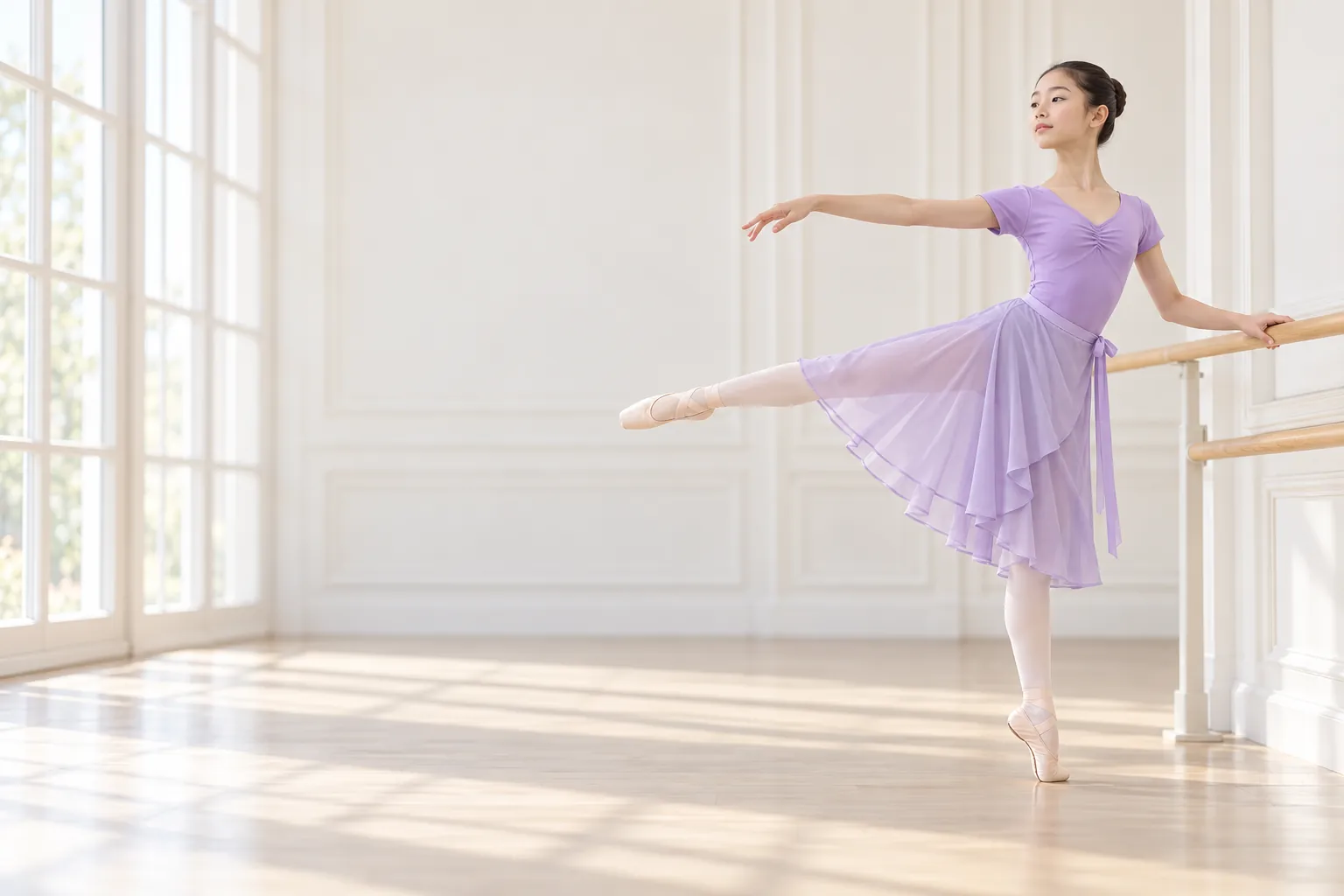
Short answer: the main types of ballet tutus are the classical tutu (a stiff, flat skirt that sticks out from the hips), the romantic tutu (a soft, longer, bell-shaped skirt) and the practice tutu (a light skirt used in class and rehearsal). Each suits a different style of ballet.
What is a classical tutu?
The classical tutu, sometimes called a platter tutu, has a flat, stiff skirt that extends horizontally from the hips. Many layers of net are sewn into a firm basque. It shows off the legs and fast footwork, so it is used in classical ballets that feature technical dancing.
What is a romantic tutu?
The romantic tutu is soft and bell-shaped, falling below the knee, usually to mid-calf. It is made of layers of soft tulle that drift as the dancer moves. It suits ballets with a dreamy, ethereal mood.
What is a practice tutu?
A practice tutu is a lighter, simpler tutu worn in class or rehearsal. It lets dancers get used to the feel and weight of a skirt without wearing a full costume. It is also the type most children’s classes use, usually with an elastic waistband.
How do they compare?
| Type | Shape | Length | Typical use |
|---|---|---|---|
| Classical | Flat and stiff | Short, from the hips | Classical stage works |
| Romantic | Soft bell | Mid-calf | Dreamy, lyrical ballets |
| Practice | Soft and light | Thigh to knee | Class and rehearsal |
What should I choose for a child?
For classes, a soft practice tutu or a light tulle skirt is best. Stage tutus are costume pieces made for a specific performance, so they are usually provided by the school or company. For a recital, ask the teacher which style is required before buying.
What is a tutu made of?
- Tulle or net. The main skirt fabric, available in soft or stiff finishes.
- Basque. The fitted bodice and waist piece of a stage tutu.
- Elastic. Used for practice and children’s skirts.
How do I care for a tutu?
Store it flat or hung, never crushed. Spot-clean gently and avoid machine washing for stage tutus. Fluff the layers by hand after each use.
What other tutu styles are there?
| Style | Description |
|---|---|
| Pancake tutu | A very flat classical tutu, like a pancake. |
| Bell tutu | A shorter, rounded style that sits between classical and romantic. |
| Powderpuff tutu | A fluffy, shorter tutu with a rounded shape. |
| Children’s tutu | A soft, lightweight skirt for young dancers. |
How are stage tutus made?
Stage tutus are made by hand, with many layers of net sewn onto a fitted basque. The basque is boned to hold the shape and fitted to each dancer. A professional tutu can take many hours to make and is fitted precisely, which is why it is not a casual purchase.
Where is each style used?
- Classical tutus appear in works built on bright, technical dancing.
- Romantic tutus appear in works with ghostly, dreamy scenes.
- Practice tutus appear in class, rehearsal and school shows.
What should parents do?
Most families only need a simple practice skirt or tutu for class. For a performance, ask the teacher what costume is needed and whether the school provides it before buying. This saves money and avoids mismatches.
Frequently asked questions
What is a classical tutu?
A classical tutu is a stiff, flat skirt that extends out from the hips, used in classical ballets.
What is a romantic tutu?
A romantic tutu is a soft, bell-shaped skirt that falls below the knee, used in dreamy, lyrical ballets.
What is a practice tutu?
A practice tutu is a lighter skirt worn in class or rehearsal, often with an elastic waist.
What tutu should a child wear to ballet class?
A soft practice tutu or light skirt, if your school allows it. Check the uniform list.
Can I wash a tutu?
Practice and children's skirts can be washed gently by hand. Stage tutus should only be spot-cleaned.