
Posted on

What Shirt to Wear for Ballet Class: T-Shirts and Dance Tops

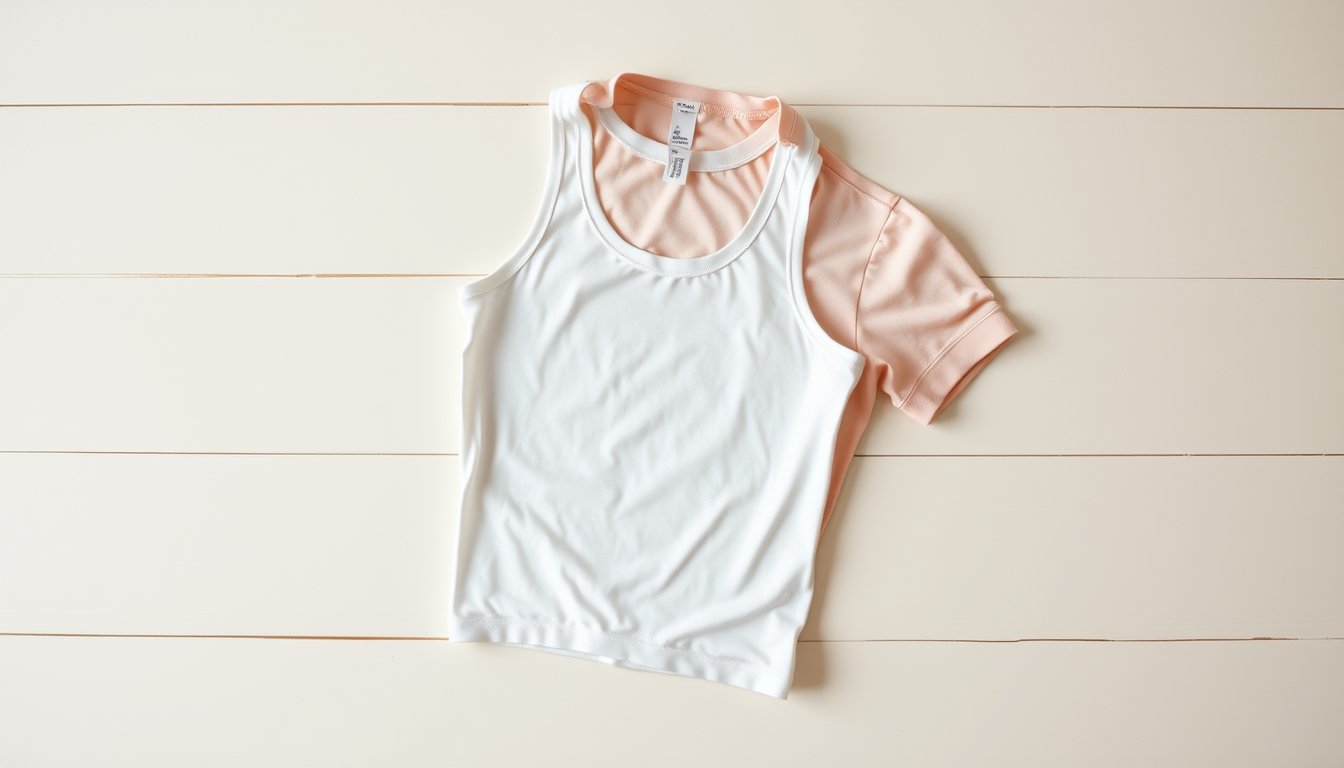
Short answer: many ballet classes prefer a leotard, but some beginner and adult classes allow a fitted T-shirt or dance top. Choose a fitted, stretchy top that you can tuck in or that ends at the hip, so the teacher can still see your shoulders, back and posture. Loose, long or baggy shirts hide the body line.

Why do teachers prefer fitted tops?

A ballet teacher corrects posture by looking at the shoulders, spine, ribs and hips. A fitted top lets them see those lines. A loose shirt hides them and can also swing up during turns and covers the hands in port de bras.

Which tops can be worn?

Top Allowed? Notes
Leotard Usually yes The standard choice at most schools
Fitted dance T-shirt Often, for beginners and adults Short-sleeved, stretchy, ends at the hip
Fitted tank or camisole top Often Shows the shoulders clearly
Crop-style dance top Sometimes Check the school’s rule on the midriff
Loose cotton T-shirt Not recommended Hides the line and rides up
Hoodie or sweatshirt For warm-up only Taken off once class starts

What should I look for in a dance top?

  • A fitted shape. Close to the body without squeezing.
  • Stretch. It should move with the arms and back.
  • The right length. It should stay put when the dancer lifts her arms.
  • Soft seams. Flat seams and no scratchy labels.
  • Plain colors. Plain colors keep the focus on the dancer’s line.

What about girls and children?

Most children’s classes ask for a leotard so the uniform is simple and quick to put on. A fitted top is fine if your school allows it, but a leotard stays in place better and does not need to be tucked in. For a first class, a fitted T-shirt and leggings are fine until you know what the school expects.

What about adults?

Adult classes are often more relaxed. A fitted tank, short-sleeved top or leotard are all common. If you feel more comfortable with a longer top, ask the teacher where to draw the line, and choose one that you can tuck in.

Is a leotard better than a shirt?

For most dancers, yes. A leotard stays in place, shows the body line and needs no tucking. If you are unsure, our guide to leotard styles and our size guide can help you choose.

A quick checklist before you buy

  • Ask the teacher whether a top or only a leotard is accepted.
  • Choose a fitted style in a stretch fabric, in a plain color.
  • Check the length by lifting both arms. The hem should stay at the hip.
  • Pair it with fitted tights, so the leg line stays clear.

If class is cold, add a fitted wrap top or cardigan over the top, and take it off once you are warm.
Posted on

Dance Warm-Up Pants: How to Choose the Right Pair

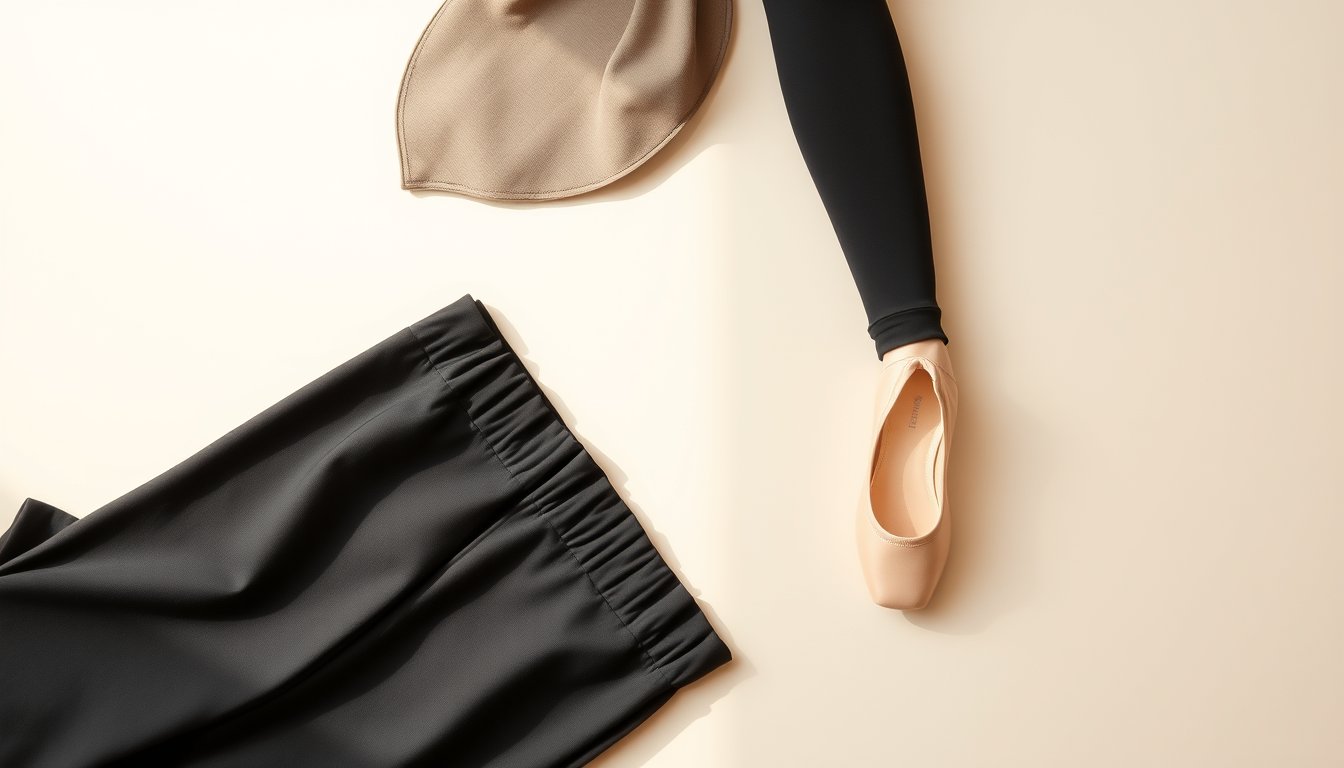
Short answer: dance warm-up pants are soft, stretchy pants that dancers pull on over their tights to keep the legs warm before class and between exercises. Choose a stretch fabric, a fit that is relaxed but not baggy, an elastic waist, and a style you can take off quickly without removing your shoes.

What are dance warm-up pants?

They are light pants made of knit, fleece or stretch cotton, worn over the leotard and tights in a cold studio, while traveling to class and while waiting. They are a warm-up layer, not the class uniform, so teachers normally ask dancers to take them off once the body is warm.

What styles are there?

Style Description Good for
Straight leg A relaxed, straight line from hip to ankle Everyday warm-up
Snap-off or tearaway Side snaps that open down the whole leg Quick removal in a class break
Joggers Gathered at the ankle Travel and cold rooms
Wide leg Loose and flowing Adults and teens who prefer a loose fit
Capri or knee length Shorter and lighter Warm studios

How should they fit?

  • Waist. A soft elastic waist that stays up without squeezing.
  • Length. Long enough to cover the ankles, but not so long that the dancer steps on the hem.
  • Room in the leg. Enough room for tights and for bending the knee deeply.
  • Ankle. Wide enough to pull over ballet shoes, or a style with snaps so you do not have to.

What fabric is best?

A soft cotton blend or light fleece with some stretch is comfortable and quiet. Very thick or shiny fabrics can feel heavy and noisy. Choose fabric that does not cling to the tights, so the pants slide on and off easily.

Are warm-up pants allowed in ballet class?

Usually for the start of class, yes. Most teachers ask students to remove them for the center and for any exercise where the legs need to be seen. In exams, warm-up pants are taken off before the examiner enters. Always check your school’s rules.

How many pairs do I need?

One pair is enough to begin with. Choose black or a dark color that goes with everything, and label the inside with the dancer’s name. For a growing child, buy a snug fit with a little room to grow instead of a size far too big.

Care

Wash on a gentle cycle in cool water, skip fabric softener and tumble dry on low or hang to dry. Check the pockets and snaps before washing.

Warm-up pants or leg warmers?

Leg warmers cover the lower leg and leave the knee and thigh free, so the teacher can see the knee line. Warm-up pants cover the whole leg and are warmer, but they hide the line completely. Many dancers wear pants to arrive and warm up, then switch to leg warmers or bare tights for class. If the studio is cold and you only want one piece, leg warmers are the more flexible choice.

Sizing tips for children

Children grow quickly. Choose a pair that fits now with a small amount of room, and fold the cuff once rather than buying two sizes up. Check that the waist is elastic and soft, and keep the pair clearly labeled with a name.

Posted on

Dancer Warm-Up Clothes: What to Wear Before and After Ballet Class

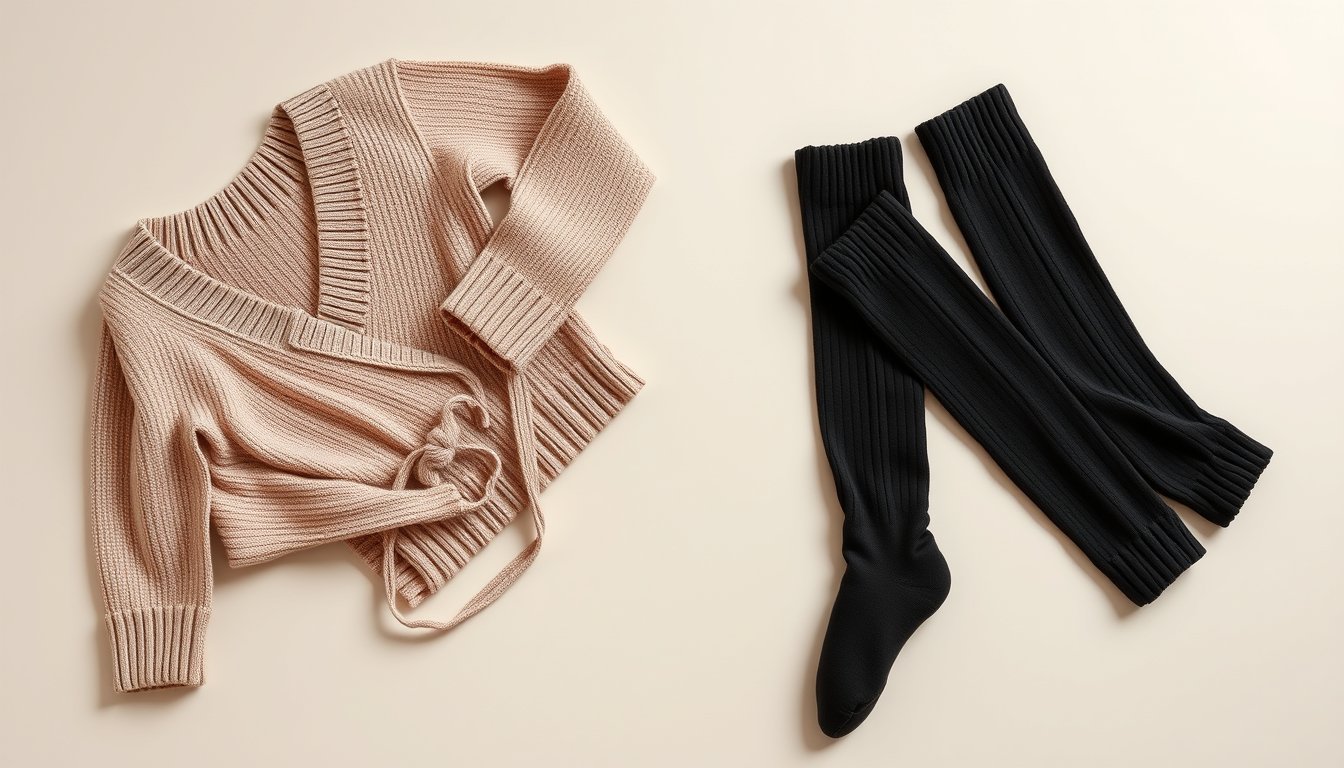
Short answer: dancers wear warm-up clothes over the leotard and tights before class, between exercises and while waiting. The usual pieces are a wrap top or cardigan, leg warmers, warm-up pants and a light cover-up. They keep the body warm and come off once class starts or the teacher asks.

What are dance warm-up clothes?

Warm-up clothes are the extra layers a dancer puts on over the uniform. They are not the uniform itself. Their job is simple: keep the muscles and joints warm when the body is cold, then come off so the teacher can see posture and alignment.

What pieces do dancers wear?

Piece What it covers Good for
Wrap top or cardigan Arms, shoulders and back Before class and between exercises
Leg warmers Ankles and lower legs Warming up the legs
Warm-up pants Whole leg Cold studios, travel and waiting
Light jacket or shrug Shoulders and arms Rehearsals and warm rooms
Cover-up skirt Hips and thighs Modesty and warmth in class

When should I wear them?

  • Arriving at the studio. Put warm-ups on after changing, before class begins.
  • During the barre. Many teachers allow one or two layers for the first exercises.
  • When waiting. Between exercises, at rehearsal breaks and while waiting to enter an exam room.
  • After class. Put them on again to cool down slowly.

When should I take them off?

When the body is warm, or when the teacher asks. Most teachers want to see the shoulders, back, hips and knees clearly in the center. In an exam, dancers usually remove warm-ups before the examiner enters.

How do I choose warm-up clothes?

  1. Keep the line. Choose fitted or soft, close-fitting styles, not bulky ones that hide the body.
  2. Easy on and off. Wrap styles and pull-on pants with no buttons are quicker to change.
  3. Soft fabric. Knits and fleece feel gentle on the skin and move with the body.
  4. Color. Black, pink or the school’s color keeps the look tidy.
  5. Size. Use the size guide, and choose the larger size if between two.

What should children wear?

Children warm up quickly, so a light wrap top or cardigan is usually enough, plus leg warmers in a cold studio. Choose soft knits without scratchy labels, and put the child’s name inside every piece, because warm-ups are easy to mix up in a changing room.

How do I look after them?

Check the label first. Most knit warm-ups do best on a cool, gentle wash and dried flat. Store them folded, not hung, so the shoulders keep their shape.

A simple warm-up kit to start with

  • One wrap top or cardigan in black or pink.
  • One pair of leg warmers in a calf or knee length.
  • One pair of light warm-up pants for cold days.
  • A dance bag with a spare layer, so a wet or sweaty warm-up can be swapped.

Buy the wrap top first. It does the most work for the least bulk. Add leg warmers and pants as the weather and the studio require. Our guides on wrap tops, cardigans and shrugs and how to wear leg warmers go into more detail.