Posted on

Ballet Workout Clothes: What to Wear for Barre Fitness Classes

Barre fitness classes use ballet-inspired exercises at a wall or freestanding barre combined with small-range strength movements, Pilates and yoga elements. Unlike a traditional RAD ballet class, there is no uniform requirement — but the best outfit choices share key features: they are fitted enough for the teacher to see your alignment, flexible enough for a full range of movement, and comfortable enough for repetitive small-range exercises.

Tops for Barre Fitness Classes

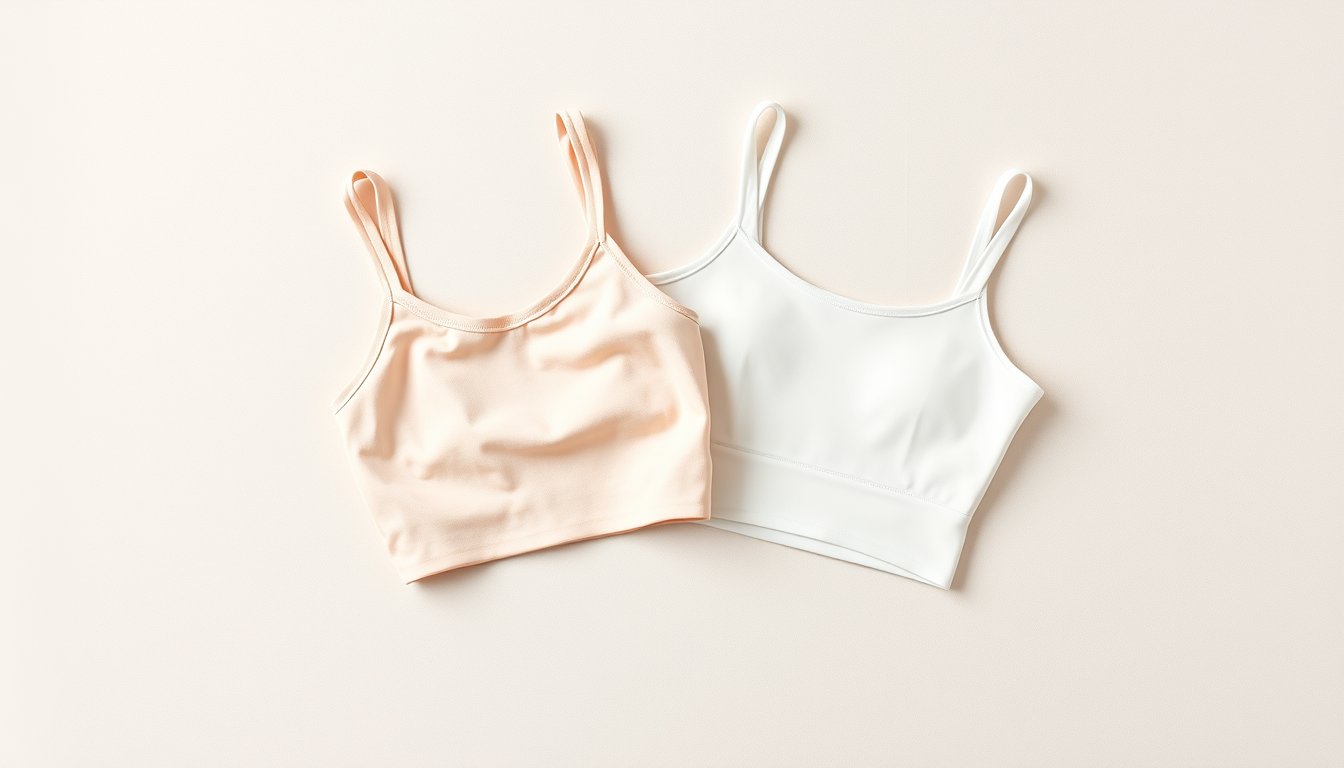
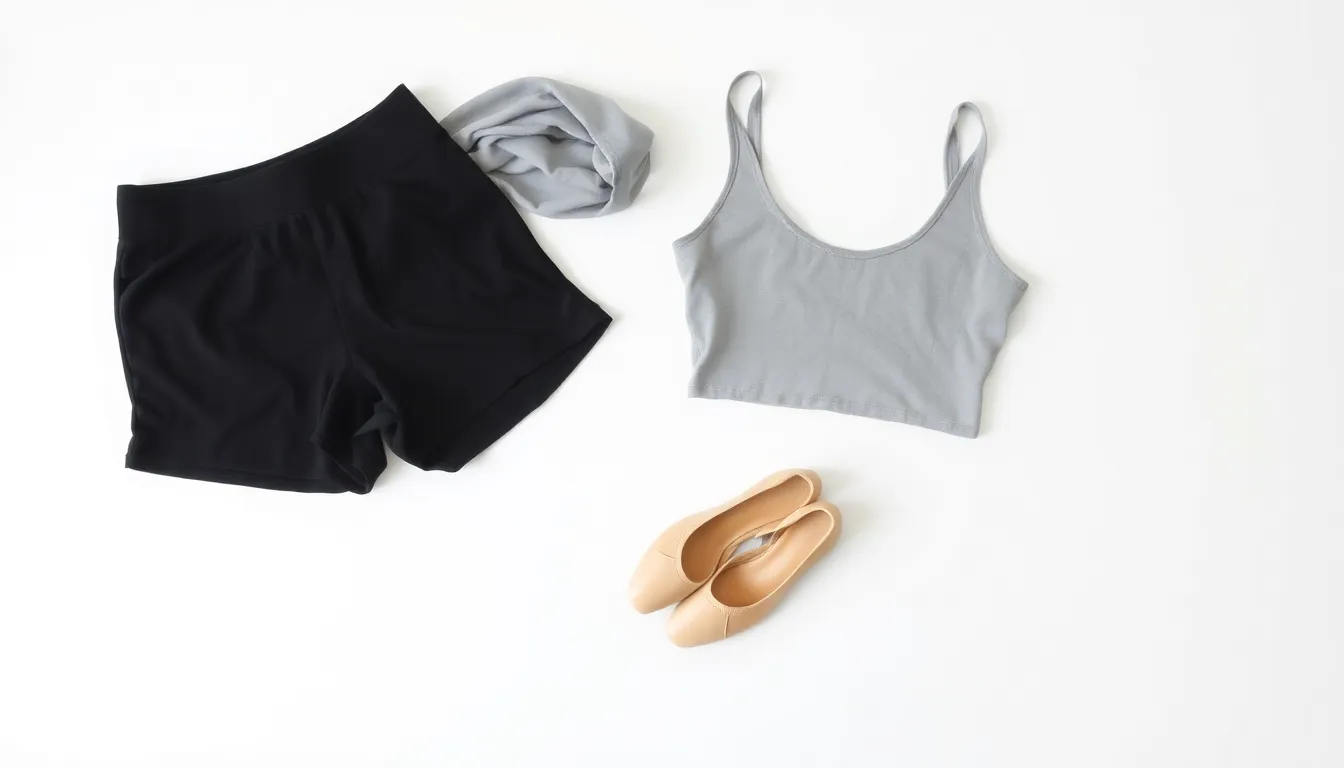
A fitted crop top, camisole, fitted long-sleeve top or sports bra with light coverage are all standard in barre fitness. The teacher needs to see your spine, hip and shoulder position, so choose something that stays in place when you reach forward and does not ride up during waist exercises. High-neck sports tops and tank tops are equally suitable — the key is a snug fit that does not shift during movement.

Bottoms: Leggings, Shorts or Flares?

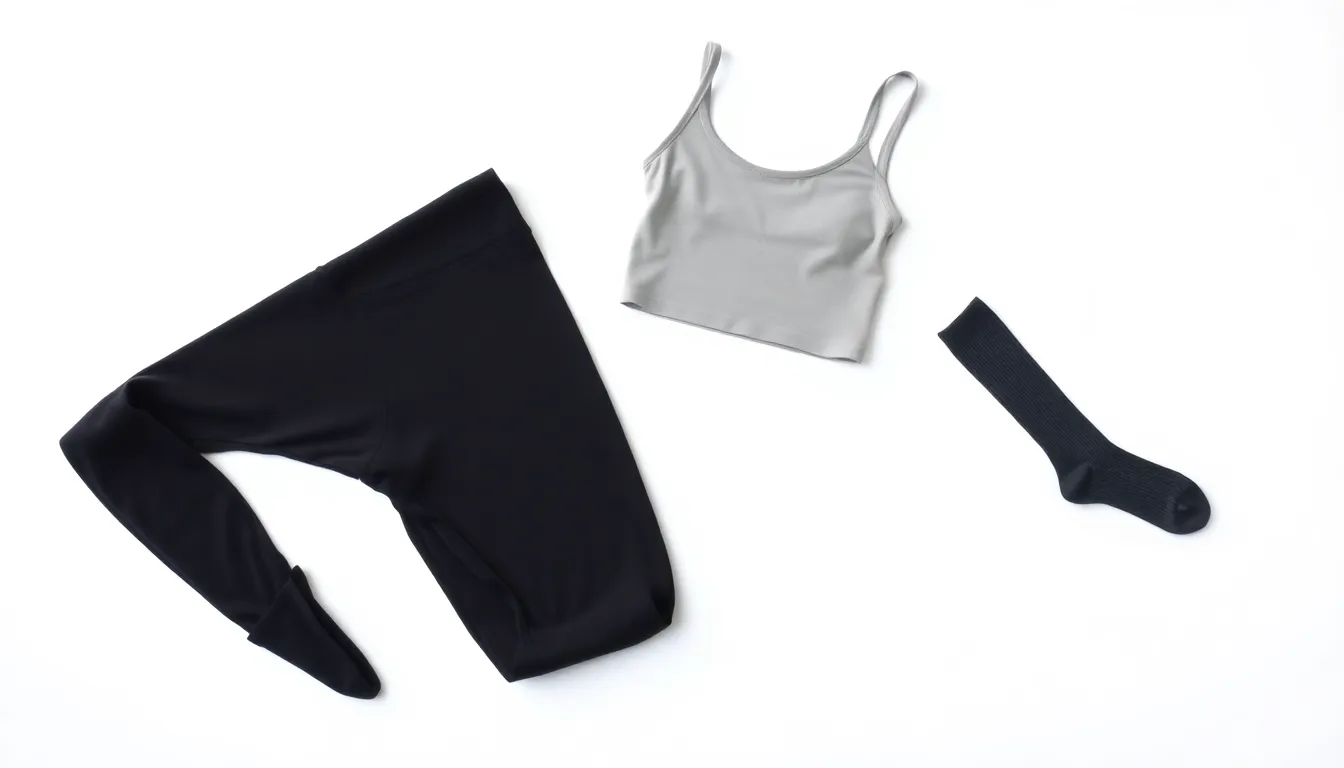
High-waist leggings are the most popular choice for barre fitness — they stay up during relevés and seat-lifting exercises and do not ride down during forward bends. Fitted shorts work well in warm studios. Wide-leg dance trousers are less suitable for barre fitness than for contemporary dance, as the tight repetitive movements at the barre can cause flared hems to catch. Choose a fabric with at least 20% elastane for full range of motion in the hip flexors.

Shoes or Bare Feet for Barre Fitness?

Barre fitness classes can be done in bare feet, grip socks or ballet slippers depending on the studio surface. Grip socks (socks with non-slip rubber dots on the sole) are the most common choice for barre fitness studios — they provide traction on wooden and laminate floors without the bulk of a shoe, and they are more hygienic than bare feet in a shared studio. If the class is held on carpet or a matted surface, bare feet or regular socks may be sufficient. Traditional ballet shoes are not necessary for a barre fitness class.

How Barre Fitness Clothes Differ from Ballet Class Uniform

A traditional RAD ballet class has a strict colour-coded uniform: grade-specific leotard, pink tights, pink shoes and a neat bun. A barre fitness class is much more relaxed: any fitted activewear is acceptable, and hair can be in a ponytail rather than a formal bun. If you are attending both a technique class and a barre fitness class, your ballet uniform can be worn for both, but barre fitness outfits (e.g., a sports bra and leggings) would not be appropriate for a formal ballet class.

Frequently Asked Questions

Do I need special shoes for barre fitness?

No dedicated shoe is required. Grip socks are the most practical choice — they provide traction, are machine washable and are inexpensive. Some barre studios sell branded grip socks. Ballet slippers are also suitable if you prefer a shoe, but are not necessary.

Can I wear yoga clothes to a barre class?

Yes. Close-fitting yoga leggings and a fitted yoga top are perfectly suitable for barre fitness. Avoid very flared yoga trousers or palazzo pants as they can catch on the barre during exercises.

What should I avoid wearing to a barre fitness class?

Avoid loose shorts that ride up during seat exercises, very baggy tops that obscure your posture, jewellery that could catch on the barre, and slip-on shoes with no traction. Also avoid heavily padded sports bras with plastic clips that can dig in during lying exercises.
Shop grip socks and ballet accessories at ZoeDancewear

Posted on

What to Wear for Contemporary Dance and Lyrical Classes

Contemporary dance and lyrical dance classes typically have a flexible dress code: fitted clothing that allows a full range of movement, bare feet or soft shoes, and hair tied back. Unlike classical ballet, there is rarely a specific colour or uniform requirement. The goal is clothing that lets the teacher see your body alignment and that moves with you — not constrains you.

Top and Torso: What Works Best

A fitted crop top, dance vest or camisole leotard are all suitable for contemporary and lyrical classes. The teacher needs to see your spine, ribcage and shoulder alignment, so avoid baggy T-shirts or oversized jumpers during exercises. Many students wear a leotard as a base layer and add a fitted crop top or long-sleeve layer over it for warmth during the warm-up. Black, navy and earth tones are most common in contemporary classes — there is no colour requirement.

Bottoms: Shorts, Leggings or Flares

High-waist dance shorts (mid-thigh length), fitted leggings and wide-leg dance trousers are all common in contemporary and lyrical classes. Flared yoga trousers and palazzo dance pants are popular for lyrical styles where the flow of the fabric is part of the aesthetic. Avoid very tight gym leggings that restrict hip rotation or rise up during floorwork. Fitted leggings in a matte stretch fabric are the most practical all-purpose option.

Feet: Bare, Half Sole or Lyrical Shoes

Many contemporary teachers prefer bare feet so students can feel the floor and use the intrinsic muscles of the foot fully. Half-sole shoes (also called pirouette shoes or turning shoes) cover only the ball of the foot and toes, leaving the heel bare — they allow floor contact while protecting the skin during turns and slides. Lyrical shoes are a soft, flexible full-shoe option that covers the whole foot in a thin canvas or mesh upper with a suede sole. Which you use depends on the teacher’s preference and the studio floor surface.

Hair and Accessories

Hair must be tied back — a bun, ponytail or braid. Loose hair catches during turns and obscures the neck and shoulder lines. Contemporary classes do not require a formal ballet bun, so a secure ponytail or messy bun is fine. Avoid jewellery that could catch on fabric or another dancer during partner work or contact improvisation sections.

Layering for Contemporary Dance

Many contemporary students arrive in a warm-up layer: a hoodie, wrap cardigan or oversized knit top. This goes on before class and during breaks, and comes off when the body is warm. Studios with wooden sprung floors can be cold, and keeping muscles warm reduces injury risk. A dance belt is required for male students as in any other dance class.

Frequently Asked Questions

Can I wear a ballet leotard for contemporary class?

Yes — a leotard and footless tights or a leotard with fitted shorts is a practical and widely accepted outfit for contemporary class. Many students who do both ballet and contemporary simply keep the same base layer and change their shoes.

Do I need specific lyrical shoes?

Not always. Many teachers allow bare feet or half-sole shoes. Lyrical shoes are useful if the studio has a rough floor surface that scratches bare feet, or if you are performing in a recital where the stage surface requires some sole coverage. Check with your teacher before buying.

What is the difference between contemporary and lyrical dance clothing?

In practice, the dress codes for contemporary and lyrical classes overlap significantly. Lyrical styles tend toward softer, more flowing fabrics — wide-leg trousers, chiffon layers. Contemporary may be more minimal: a leotard, shorts and bare feet. Both prioritise freedom of movement over aesthetics.

Browse dance warm-up clothes at ZoeDancewear

Posted on

Ballet Pants and Warm-Up Trousers: When and How to Wear Them

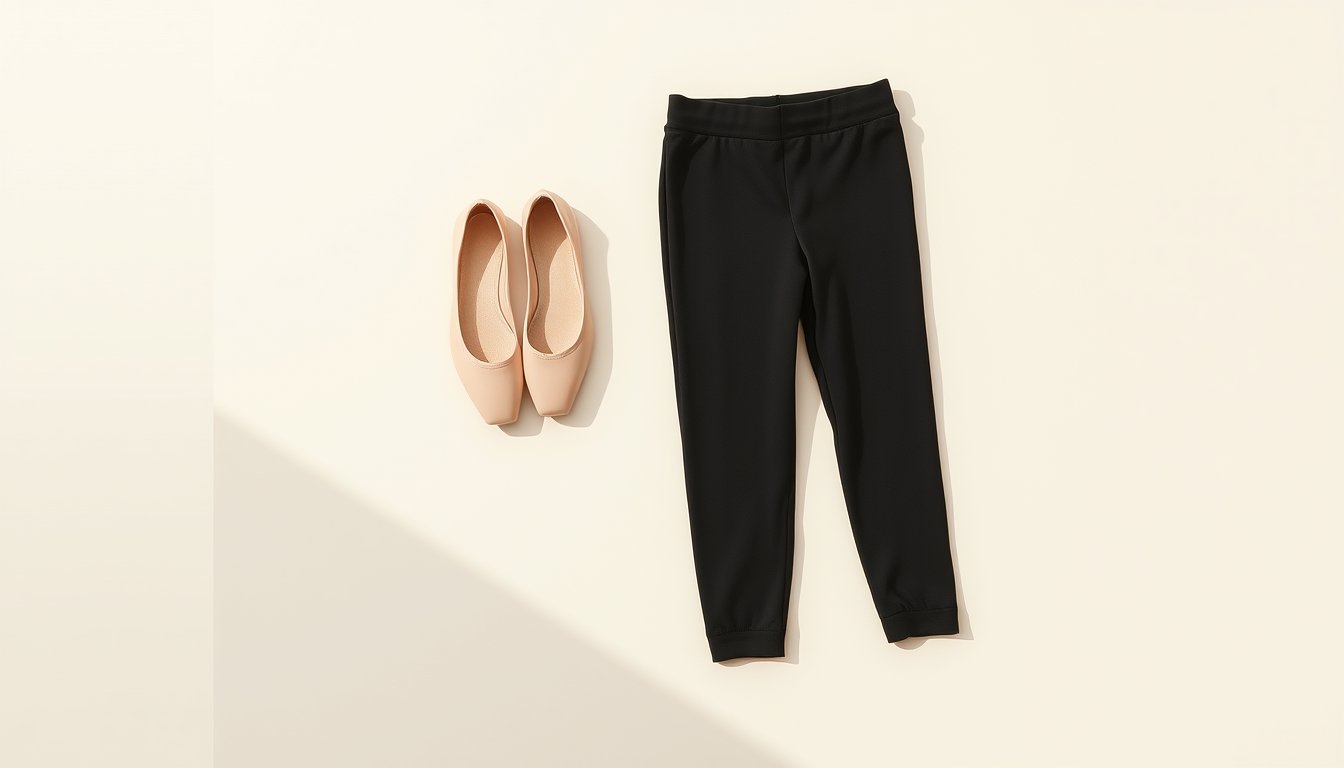
Ballet pants (also called dance warm-up trousers or ballet trousers) are fitted, stretch trousers designed to be worn during the warm-up phase of ballet class or as an alternative to tights for male students. They differ from standard gym leggings in that they are cut to allow a full ballet range of motion — deep pliés, high kicks and grand battements — without restricting at the hip or knee.

When Are Ballet Pants Worn in Class?

In recreational and adult ballet classes, some students wear ballet trousers for the entire class. In structured RAD classes, dance trousers are usually a warm-up layer worn at the barre and removed before centre work. For male students, ballet trousers in white or black may form part of the class uniform alongside a white fitted top.

Ballet Pants vs Leggings: What Is the Difference?

Ballet trousers are cut with a longer, straighter leg and made from lighter fabric — usually nylon-lycra or thin ponte — that does not cling in thick rolls. They often have a straight or slightly flared leg below the knee, giving a cleaner line than the tight ankle-grip of gym leggings. Very thick gym leggings sit too heavily around the ankle and inside ballet shoes.

Warm-Up Trousers vs Practice Pants

Warm-up trousers are loose around the hip and thigh with an elasticated waist — designed to go on and off quickly over a leotard and tights. Practice pants are more fitted and worn throughout class as an alternative to tights. Both have their place; the choice depends on class context and teacher preference.

Choosing the Right Fit

Ballet pants should sit at the natural waist without digging in when you bend. The leg should cover the ankle without bunching. Check that you can execute a full grand plié and high développé — the fabric should stretch without going transparent.

Care and Longevity

Wash on a cold gentle cycle and hang to dry. Avoid washing with rough fabrics like denim that pill the surface. Quality ballet trousers last two to three years of regular class use if cared for correctly.

Frequently Asked Questions

Can girls wear ballet trousers to class?

Yes, in most adult and recreational classes. In children’s RAD classes there may be a uniform requirement for tights and leotard — check the school’s dress code.

What colour ballet pants should I buy?

Black is the most versatile — it goes with any leotard colour. Navy and grey are also practical. White is traditional for male dancers. Avoid white for female students unless specifically required, as white can become transparent when stretched.

Browse ballet warm-up clothes at ZoeDancewear

Posted on

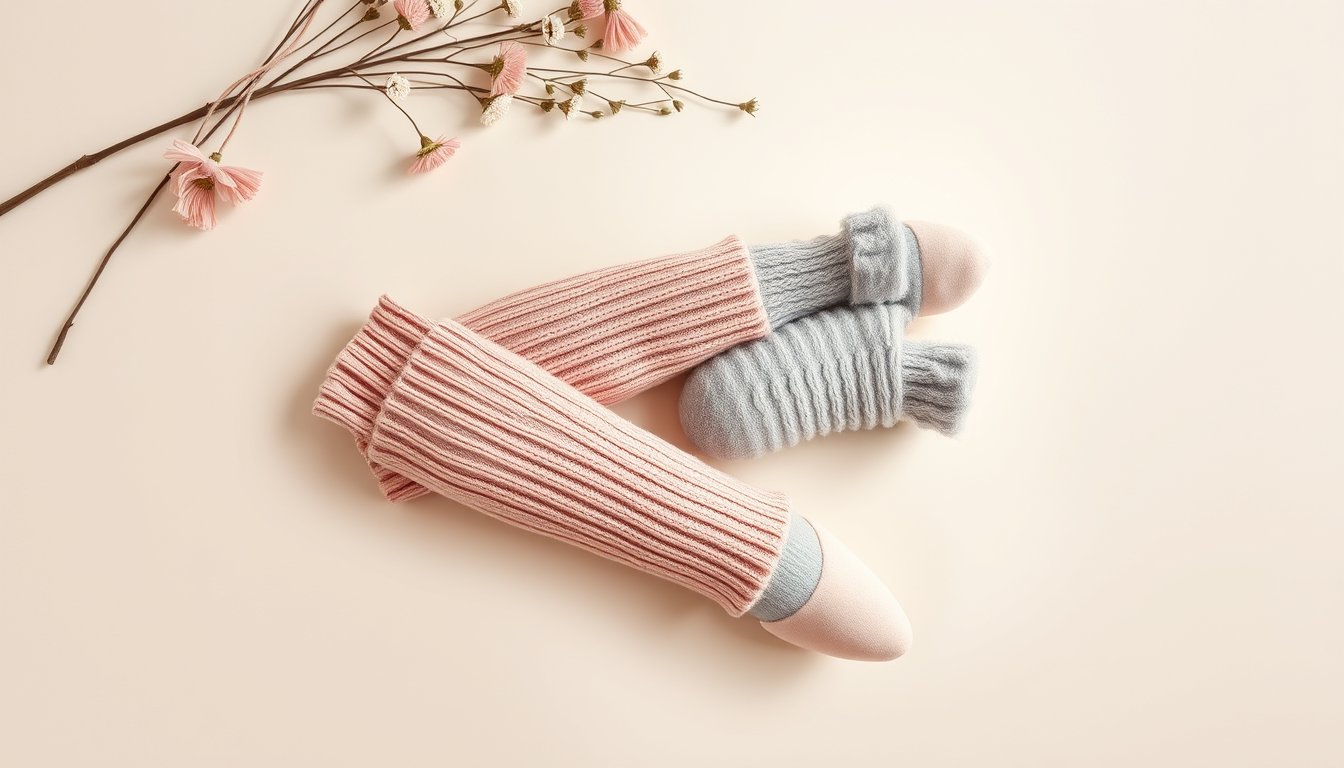
Ballet Leg Warmers vs Warm-Up Booties: What Is the Difference?

Ballet leg warmers cover the legs from ankle to knee or thigh and keep the muscles warm during and between exercises. Warm-up booties slip over ballet shoes and keep the feet and ankles warm. Both are warm-up accessories, not part of the examination uniform, and most serious dancers eventually own both.

Ballet Leg Warmers

Ballet leg warmers are long knitted tubes worn over tights, starting at the ankle and reaching the knee or above. They are pulled on before class and removed once the body is warm, usually after the barre section.

Why dancers use them

  • Keep the calf and thigh muscles warm before class begins
  • Reduce the risk of muscle strain in cold studios
  • Standard kit at most dance schools for teen and adult students

What to look for

  • Knitted ribbed fabric that holds its shape
  • Long enough to cover the calf fully — short leg warmers slip down during movement
  • Colour: black is standard and matches any leotard; pink is also traditional

Warm-Up Booties

Warm-up booties (also called dance booties or shoe warmers) are soft fleece or knitted covers that slip over the ballet shoe. They cover the foot and ankle and are removed before any work that requires feeling the floor through the sole of the shoe.

Why dancers use them

  • Keep the feet warm at the start of class, especially in cold studios or in winter
  • Protect the feet during floor stretches and exercises at the beginning of class
  • Can be worn over pointe shoes during warm-up to keep the feet supple

What to look for

  • Soft, flexible material that does not restrict the foot
  • A grip sole or suede patch underneath to prevent slipping
  • Easy to pull off quickly — teachers often ask students to remove them partway through the barre

Do You Need Both?

Most adult and teen dancers use both. Leg warmers are the more essential of the two for most class environments — cold legs are a more common problem than cold feet. Warm-up booties are especially valued by dancers who train in cold studios or who do a lot of floor work at the beginning of class.

Are They Part of the RAD Uniform?

No. Leg warmers and warm-up booties are warm-up accessories and are not part of the RAD examination uniform. They should be removed before an exam begins. Check with your teacher about whether they are allowed during graded class warm-ups — policies vary by school.

See our warm-up clothes guide for a full overview of what to wear before and after class, or browse our shop for current warm-up options.

Posted on

Ballet Wrap Sweater vs Ballet Cardigan: Which Warm-Up Top Should You Buy?

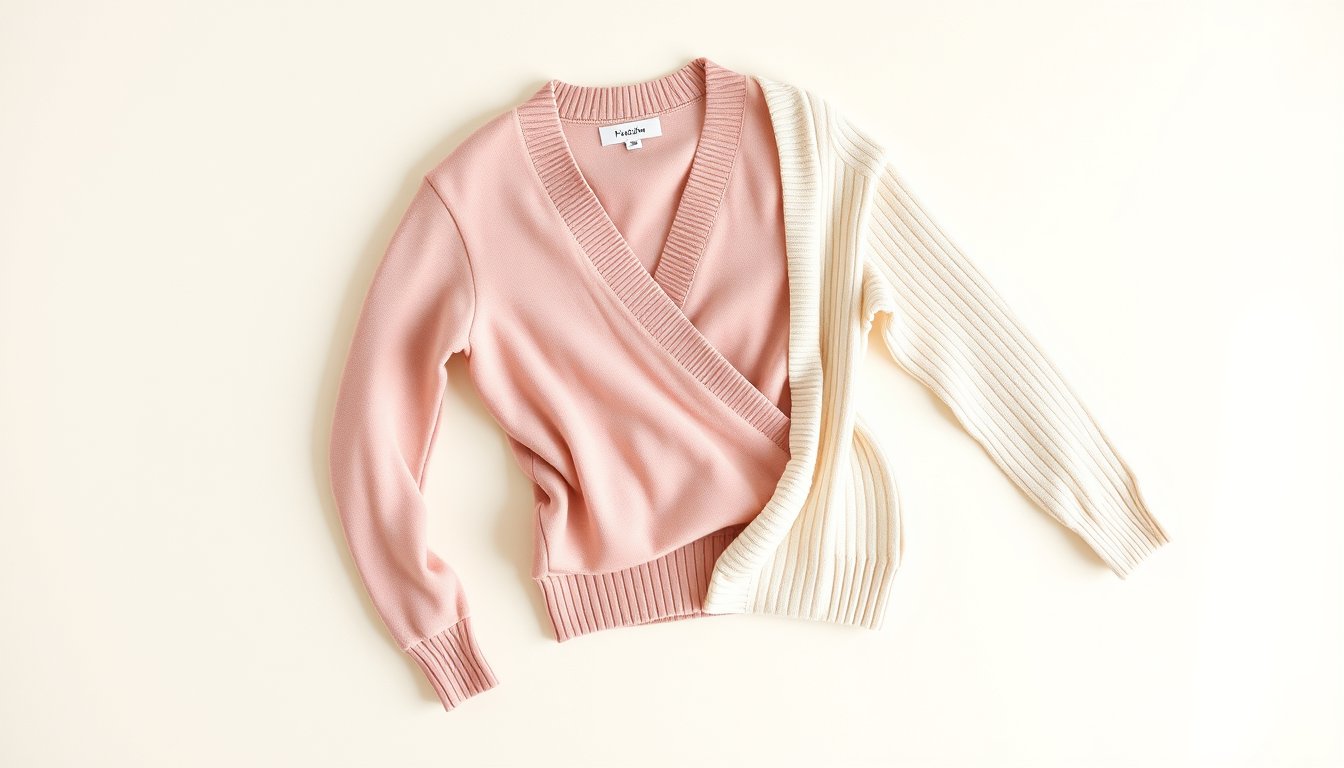
A ballet wrap sweater and a ballet cardigan both serve the same basic purpose: keeping a dancer warm during the early part of class before the body heats up. The difference is in how they fasten and how they fit. A wrap sweater crosses at the front and ties at the waist; a cardigan buttons or zips and hangs more loosely.

What Is a Ballet Wrap Sweater?

A ballet wrap sweater (also called a wrap top or crossover sweater) is made from stretchy knit fabric and wraps across the chest, fastening with a tie at the back or side. It sits close to the body and stays in place during movement. Most ballet wrap sweaters are designed to be worn over a leotard and removed during class without disturbing the uniform underneath.

Best for

  • Students who want a neat, fitted look at the barre
  • Classes where teachers prefer students to look tidy during warm-up
  • Dancers who like the look of a wrap silhouette

What Is a Ballet Cardigan?

A ballet cardigan is a knitted cover-up that opens at the front, usually with buttons or a zip. It is looser fitting than a wrap sweater and easier to pull on and off quickly. Some ballet cardigans are long-line styles that cover the hips; others are cropped at the waist.

Best for

  • Dancers who get cold between exercises and need to put something on quickly
  • Students who prefer a relaxed, less structured fit
  • Dancers who also wear their cover-up on the way to class

Key Differences at a Glance

Wrap Sweater Cardigan
Fastening Tie at back or side Buttons or zip
Fit Close-fitting Relaxed
Removes during class Easy (untie) Very easy (unbutton/unzip)
Looks tidy over leotard Yes Depends on style
Suitable for barre work Yes Usually yes

Which Should You Choose?

If your school has a specific warm-up policy, check with your teacher first. Many RAD schools allow either style. If you are buying for a young student, a cardigan is easier to manage independently because it does not require tying. For teen and adult students who want a professional look at the barre, a wrap sweater is the more traditional choice.

In terms of colour, black is the most versatile option and works with any leotard colour. Dusty pink and grey are also popular choices that stay looking clean through a term of classes.

Care and Washing

Both styles are typically machine washable at 30 degrees. Turn inside out before washing, and air dry to maintain the shape of the knit. Do not tumble dry — heat causes knitted fabrics to shrink and lose their shape.

Browse our shop for current warm-up options, or see our warm-up clothes guide for more on what to wear before and after class.

Posted on

How to Tie a Bow on a Dress, Sash or Ballet Waist Ribbon

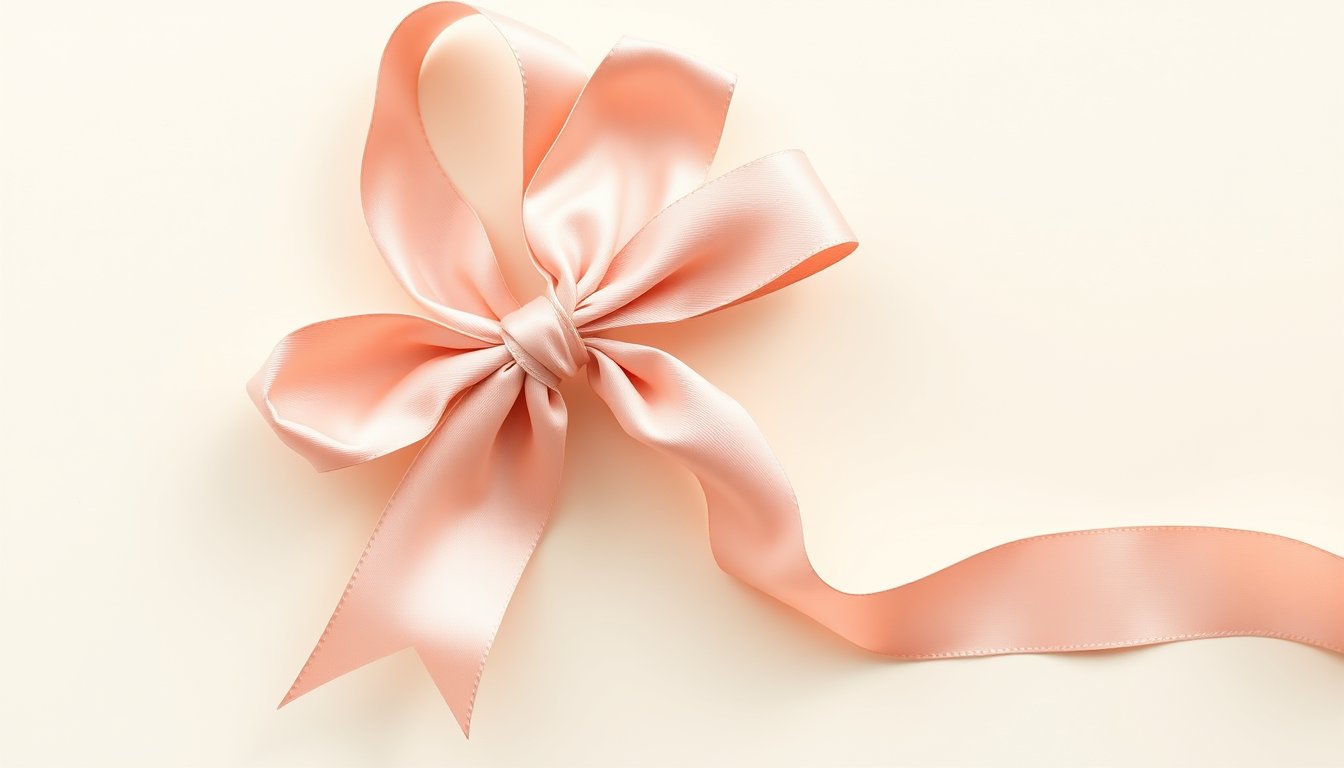
Short answer: to tie a bow on a dress, sash or ballet waist ribbon, cross the two ends, pull one under and snug to make a knot, form a loop with each end, cross the loops, pull one through, then tighten and tug the loops until the bow sits flat. Leave both tails equal and tuck them in so they stay neat.

How do I tie a bow on a dress, step by step?

  1. Center the ribbon. Wrap the sash or ribbon around the waist so the two ends meet at the front or back, and make the ends even in length.
  2. Make a starting knot. Cross the right end over the left, pull it under and snug it tight. This is the first half of a normal shoelace knot.
  3. Make two loops. Fold each end into a loop about the length you want the bow to be, and hold one loop in each hand.
  4. Cross the loops. Lay the right loop over the left loop.
  5. Pull one loop through. Tuck the right loop under and through the gap between the loops, and pull gently on both loops.
  6. Tighten and flatten. Pull the loops sideways until the knot is firm, then straighten the bow and tuck the tails so they hang evenly.

How do I make the bow lie flat?

  • Keep the ribbon flat as you wrap it, with no twists, before you start the knot.
  • Pull the first knot snug, because a loose first knot makes a loose bow.
  • Make both loops the same size. An uneven bow tips to one side.
  • Smooth the loops with your fingers after tightening.

Why does my bow keep coming undone?

Problem Likely cause Fix
Bow slips undone The ribbon is slippery satin Tie the first knot twice before making the loops
Bow tips to one side Loops are different sizes Re-tie, and make the loops the same size
Bow looks bulky The ribbon is too wide or stiff Use shorter, smaller loops
Tails are uneven The ends started at different lengths Even the ends before the first knot

How do I tie a waist ribbon over a ballet leotard?

Put the leotard on first, then wrap the ribbon around the natural waist, which is the narrowest part of the torso. Tie the bow at the center back or at the side, as the teacher or school prefers, so the ribbon does not rub when the dancer bends forward. Tuck any long tails into the ribbon or trim them so they cannot catch on the hands in port de bras.

What if the ribbon is elastic?

An elastic ribbon or belt needs less tension. Tie the knot loosely, because it stretches as you tighten it. Some elastic belts have a slider or a bow-style fastening that sets the length without a knot. Our adjustable elastic belt is an example.

How can I make a bow look neat for photos?

Cut both tails to the same length at a slight angle, or heat-seal the ends if the ribbon is synthetic so it cannot fray. Fluff the loops gently, and check the bow from a few steps away. A small, tidy bow usually looks better than a large one.

Which bow style should I choose?

Style Look Good for
Classic bow Two loops and two tails Dresses, ribbons and waist sashes
Small flat bow Short loops, tucked tails Ballet class and exams, where a tidy look matters
Double knot bow Extra turn on the first knot Slippery satin that slips open
Side bow Bow worn at the hip A softer look for performances

A quick tip for children

Children can learn the bow with the old rhyme for shoelaces: make a loop, wrap around, push through and pull. Practice with a wide ribbon on a chair back first, then on the waist. If a child cannot tie the bow alone yet, tie it for her and teach her the steps a little at a time. A leotard set that comes with a waist ribbon and bow, like our black camisole leotard set, gives plenty of practice.

Posted on

Elastic Belts for Ballet Class: How to Choose and Wear One

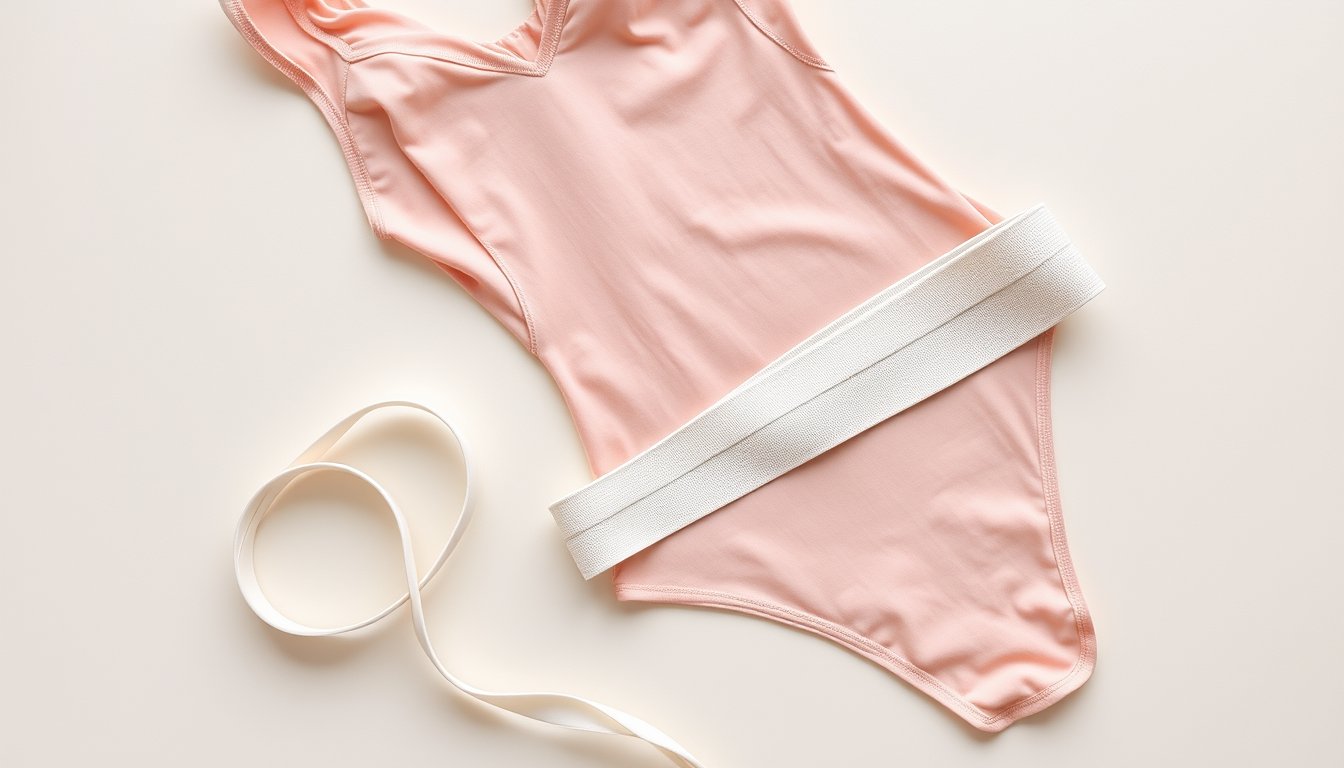
Short answer: a ballet elastic belt is a stretchy band worn at the waist over the leotard to define the waistline, and in some schools to show the dancer’s level. Choose a soft, high-stretch belt with an adjustable length and a flat fastening, so it stays put and can be reset as a child grows.

What is an elastic belt for ballet?

It is a narrow, stretchy band worn around the natural waist over a leotard. It gives a clean waistline, holds a skirt or tunic in place for some uniforms, and in many schools its color shows the dancer’s level. The belt is part of the uniform, so the color and style are often set by the school.

What should I look for?

Feature What to look for
Stretch High stretch that recovers, so it does not sag after a class
Fastening Flat and low-profile, so it does not dig in when the dancer bends
Adjustment A slider or adjustable length, so one belt fits as a child grows
Width Narrow enough to stay neat, not so wide that it bunches
Color The color your school asks for

How do I choose the right size for a child?

Measure around the natural waist, the narrowest part of the torso. Choose a belt that can be adjusted a little tighter and a little looser, and leave room to grow. If the belt is too tight, it will leave marks and restrict breathing. If it is too loose, it will slip down to the hips.

How do I wear it?

  1. Put on the leotard and tights first.
  2. Place the belt at the natural waist, not on the hips.
  3. Close the fastening, and set the length so it feels snug but comfortable.
  4. Smooth the fabric and make sure the fastening sits at the front or side, as the school prefers.
  5. Do a few bends. If the belt rolls or slips, adjust it again.

What if my school asks for a certain color?

Many schools use belt colors to show the dancer’s level, but colors differ from school to school. Ask your teacher for the exact color before you buy. Our exam uniform checklist covers the rest of the uniform. We are not affiliated with any examination board, and this is general advice.

How do I look after an elastic belt?

Hand wash in cool water, rinse well and air dry. Heat and fabric softener wear out the elastic. Store it flat or rolled, not stretched, so it keeps its recovery. Replace it when it no longer snaps back.

Elastic belt or waist ribbon?

A ribbon is tied in a bow and can be adjusted by tying looser or tighter. An elastic belt stretches and fastens flat, so it does not need tying. A belt is quicker to put on for a child and stays flatter under a skirt. A ribbon gives a softer, decorative look. Many dancers keep one of each, and use whichever the class requires.

Common mistakes

  • Wearing it on the hips. It slips down and has no effect on the waistline.
  • Choosing a very wide belt. It bunches when the dancer bends.
  • Setting it too tight. It restricts breathing and leaves marks.
  • Ignoring the school color. Check the color before buying.

Is a ballet belt the same as a kids belt?

No. A kids belt, toddler belt or girls belt is usually a fashion or school belt with a buckle, made to hold up trousers. A ballet belt is a soft elastic band worn over a leotard to define the waistline, and it has no hard buckle. Children’s elastic belts for ballet should be flat, light and adjustable, so they do not dig in when the dancer bends.

Posted on

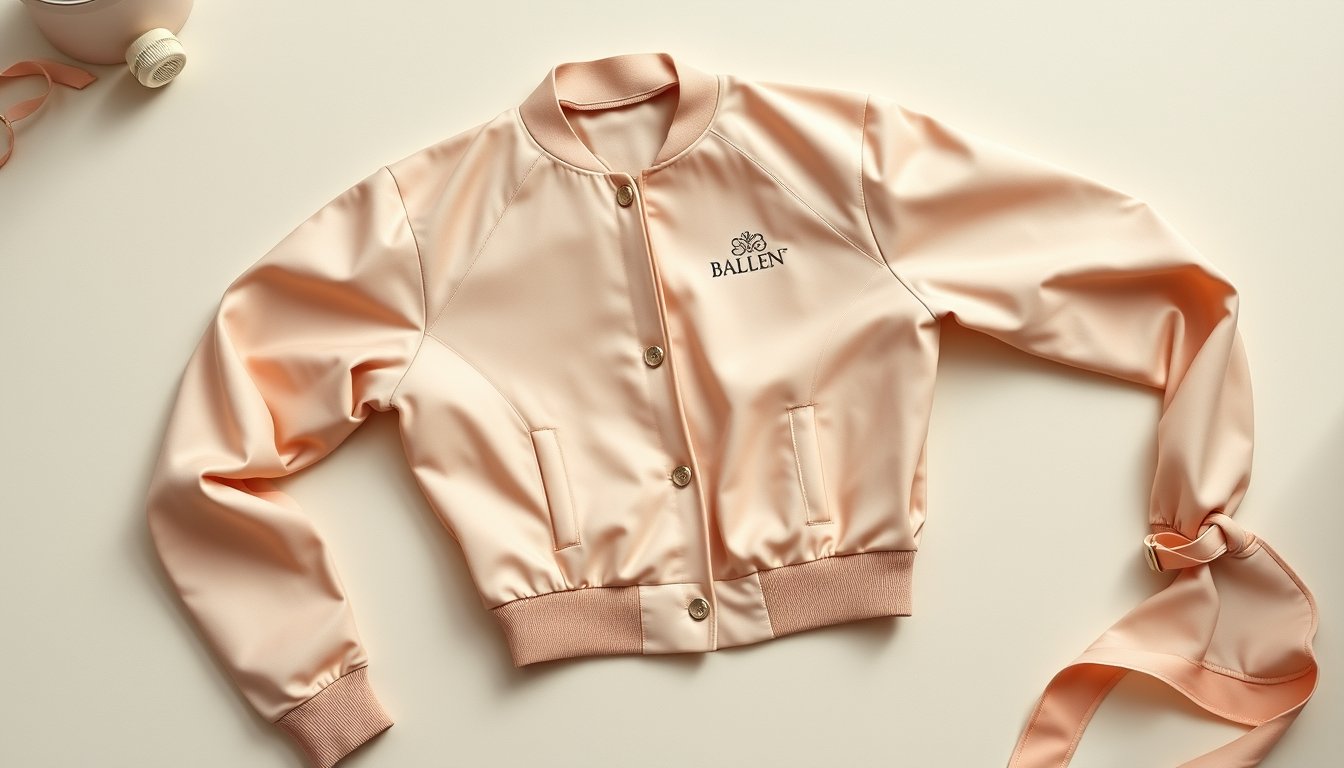
Custom Dance Jackets for Ballet Schools and Dance Groups

Short answer: a custom dance jacket is a jacket made for your school or group, usually with your name or logo, in your colors and in sizes for every dancer. To order well, decide the style, colors, fabric, sizes and quantity first, collect measurements early, and allow extra time for samples and production.

What is a custom dance jacket?

It is a warm-up jacket made for a school, studio, group or performance team. It can carry the school’s name, a logo, student names or a team number, and is often worn at competitions, performances, rehearsals and class. It also helps a group look like a team.

What should I decide first?

Decision Things to think about
Style Zip-up jacket, bomber, track jacket or cropped jacket
Fabric Light knit for warm rooms, fleece or padded for cold ones
Colors School colors, with contrast trim or logo color
Decoration Embroidery or print, on the chest, back or sleeve
Names Add student names, or keep it uniform
Sizes Children’s and adult sizes, with a size run
Quantity Order a few extra for new students

How do I plan the order?

  1. Count the dancers. Include teachers and assistants.
  2. Collect measurements. Height and chest are the most useful. Ask parents to measure at home.
  3. Agree the design. Choose colors and logo placement, and send a clear logo file.
  4. Ask for a sample or mockup before the full order, if the number is large.
  5. Allow production and delivery time. Custom orders take longer than ready-made items, and shipping from China adds more time.
  6. Check on arrival. Count the jackets, check the sizes and keep a few spares.

How long does it take?

It depends on the design and quantity, so allow several weeks, and more if the jackets are needed for a performance date. Ask for the timing before you confirm, and order well ahead of any event.

What if a size is wrong?

Mistakes happen with group orders. Ask the supplier how exchanges for custom items work before you order, because custom and personalized items are often not returnable.

How can we help?

Dance teachers and schools can ask about group orders on our School and bulk orders page. Tell us the style, colors, size range and quantity you need, and we will reply with the options.

Tips to avoid problems

  • Measure before choosing a size. Ask each family to send height and chest.
  • Keep the design simple. One or two colors and one logo are clearer and easier to produce.
  • Send a high-quality logo file. A blurry file makes a blurry result.
  • Plan for new students. Order a few spare sizes so latecomers match the group.
  • Put everything in writing. Colors, sizes, quantities and dates avoid mistakes.
Posted on

Can You Wear a Hoodie or Sweatshirt in Ballet Class?

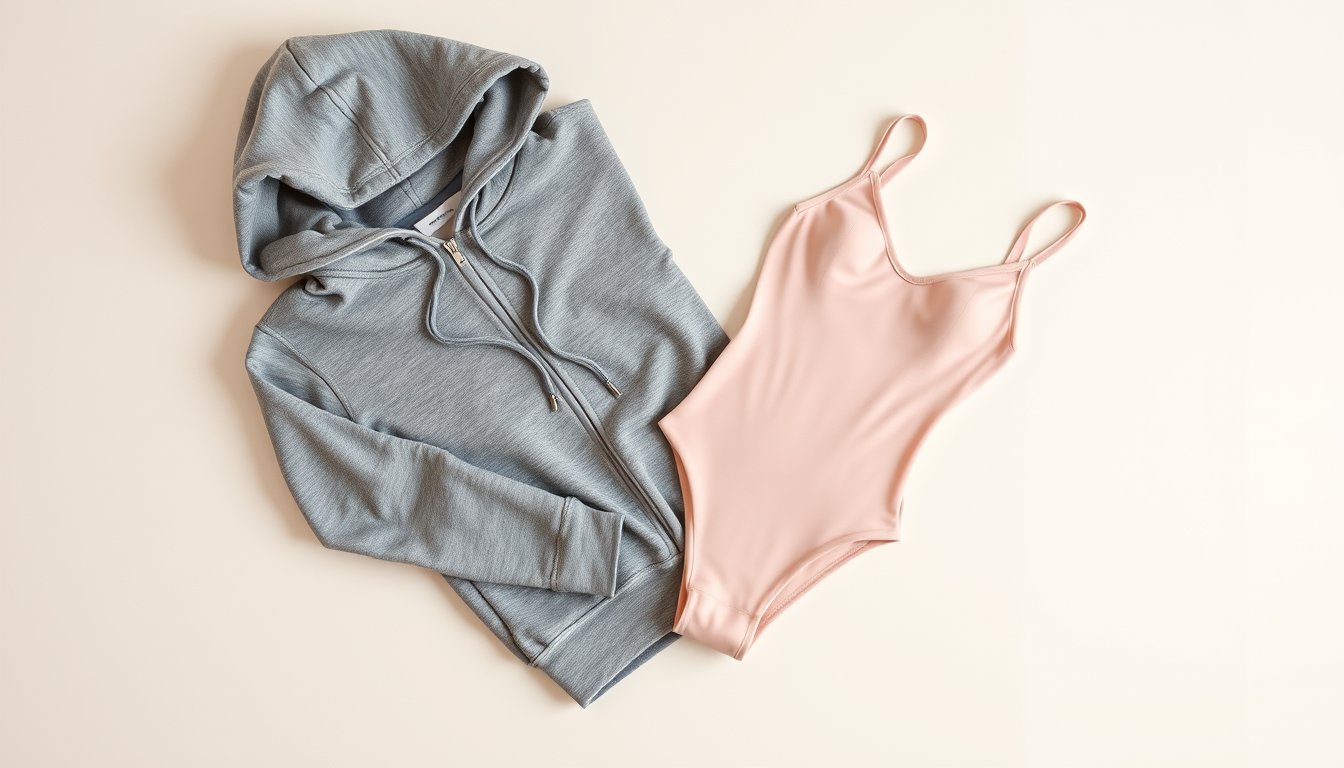
Short answer: a hoodie or sweatshirt is fine to wear to and from ballet class and while warming up, but most teachers ask dancers to take it off once class begins. Baggy tops hide the shoulders, back and arms, which a teacher needs to see. Choose a fitted wrap top or cardigan if you need a warm layer in class.

Why do teachers ask for hoodies to come off?

Ballet is about line. A teacher watches the shoulders, spine, hips and arms to correct posture. A thick hoodie or sweatshirt hides all of that. The hood and strings can also swing during turns, and a loose hem can catch on the hands in port de bras.

When is a hoodie fine?

  • Traveling to and from class. It keeps the body warm on the way.
  • Before class, while stretching and waiting.
  • After class, to cool down slowly.
  • Rehearsal breaks, and while waiting to go on.

What should I wear in class instead?

Piece Why it works
Wrap top Short and fitted, so posture stays visible
Wrap cardigan A soft layer you can take off in seconds
Shrug Light and shows the back
Leg warmers Warm the legs without covering the top
Warm-up pants Easy to remove for the center

What if the studio is very cold?

Ask the teacher whether you may keep a fitted layer on for the first exercises. Many teachers allow it while the room warms up. A fitted knit is usually accepted when a hoodie is not.

What should I look for in a dance hoodie?

  • Soft, light fabric. A thin cotton or fleece is easier to move in than heavy cotton.
  • A cropped or short length. It will not cover the hips.
  • No hanging strings, or strings that can be tucked away.
  • A good size. Roomy enough to fit over the uniform, but not so big that it swallows the dancer.

Check your school’s rules

Every school is different. Ask your teacher what is allowed in class, and what to wear in an exam. We are not affiliated with any examination board, and this guide is general advice.

A good routine for cold days

  1. Travel to the studio in a hoodie or coat.
  2. Change into the leotard and tights.
  3. Put on a fitted wrap top and leg warmers for the barre.
  4. Take off the extra layers once warm, as the teacher asks.
  5. Put the hoodie back on after class to cool down gently.

This keeps the dancer warm without hiding the posture. Our guide to dancer warm-up clothes lists every piece and when to wear it.

Posted on

Girls’ Dance Tops and Tank Tops: How to Choose for Ballet

Short answer: for a girl’s ballet or dance class, choose a fitted tank top or dance top in a soft stretch fabric that stays in place when she raises her arms. It should end at the hip, have flat seams and no scratchy labels. Check the school’s dress code first, because many ballet classes still prefer a leotard.

What is a dance top?

A dance top is a fitted, stretchy top made for movement. Common styles are a tank top, a camisole, a short-sleeved top and a cropped style. They are worn with tights, leggings or dance shorts in jazz, hip hop and creative movement classes, and sometimes in beginner ballet.

Which style suits which class?

Class Usual choice
Ballet Leotard. A fitted tank may be allowed.
Creative movement Comfortable tank or T-shirt with leggings
Jazz and hip hop Fitted tank, short-sleeved top or crop top
Warm-up before class A wrap top or cardigan over the leotard or top

How should a girl’s dance top fit?

  • Snug but not tight. It should follow the body without leaving marks.
  • Stays down. It should not ride up when the arms lift or when she bends forward.
  • Straps that stay. Wide enough that they do not slip off the shoulder.
  • Room for a growth spurt. A little room is fine, but not so much that it bunches.

What fabric is best?

A cotton blend with some stretch is soft, breathable and kind to young skin. Nylon blends are smooth and dry quickly. Avoid fabrics that are stiff, scratchy or heavily decorated with glitter, because they irritate the skin and shed.

What should she wear with it?

  • Ballet: ballet tights, soft ballet shoes and a neat bun.
  • Jazz and creative movement: leggings or dance shorts, and bare feet or jazz shoes.
  • Cold days: a light wrap top or cardigan over it.

How many do we need?

Two is a comfortable start, so one can be washed while the other is used. Label them with the child’s name, and wash gently in cool water so the elastic and color last.

Choosing the size

Choose by height first and chest second, and go up a size if she is between two. Our size guide shows height ranges for each style.

Tips for parents

  • Let your child try the top on and do a few arm lifts and bends in the fitting.
  • Check that the neckline stays in place and the straps do not dig in.
  • Sew or write a name label inside the top.
  • Buy a plain color first, because it matches every class.

If this is a first class, read what to buy for a girl’s first ballet class before you shop. The list is short and does not need to be expensive.