
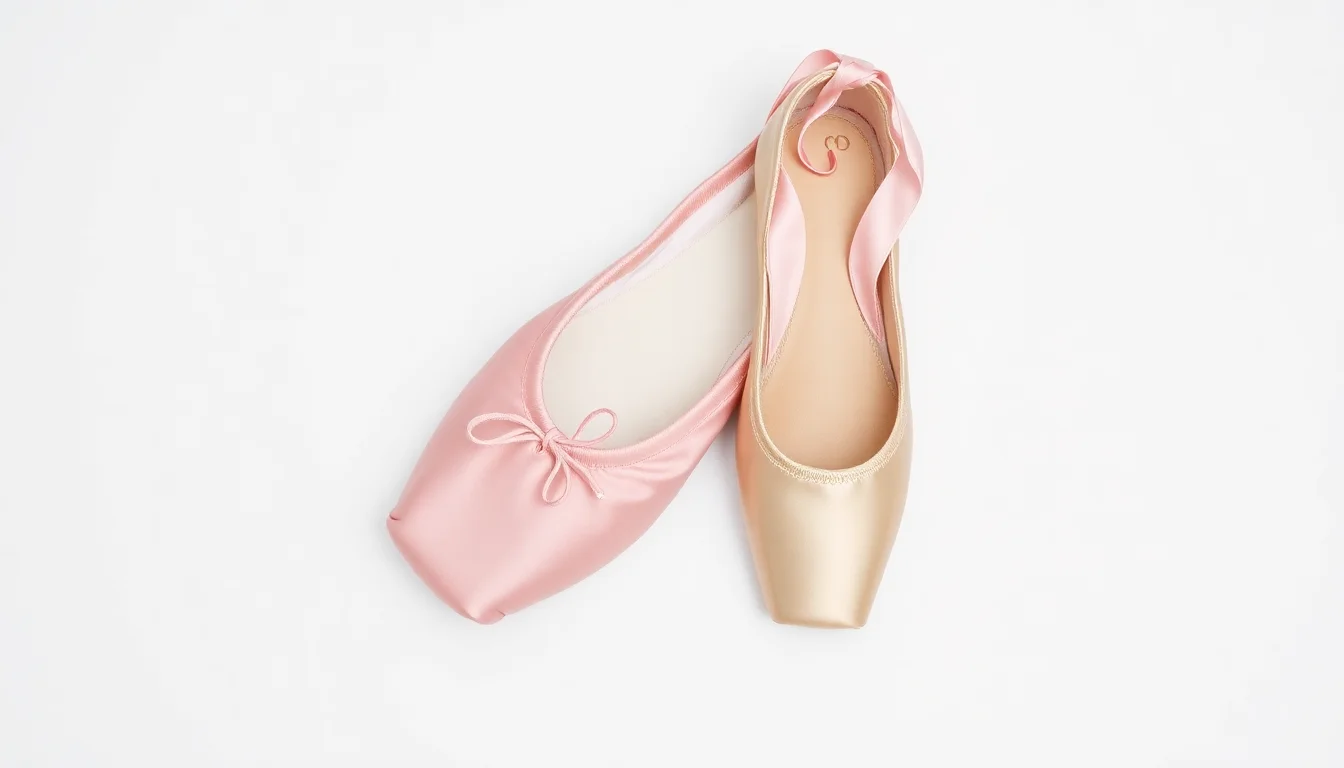
Short answer: a pointe shoe has a hardened toe box that the dancer stands on, a vamp that covers the top of the toes, wings at the sides, a stiff shank under the arch, and an outsole and heel. Dancers add ribbons and elastics to hold it on, and some use rosin, a sticky powder, to stop the shoe slipping on the floor.
What are the parts of a pointe shoe?
| Part | What it is |
|---|---|
| Box (toe box) | The hardened front of the shoe. Its flat end is the platform the dancer stands on. |
| Vamp | The top front of the shoe, covering the top of the toes. A longer vamp gives more support. A shorter one shows more of the foot. |
| Wings | The sides of the box, which hold the foot in place and add support. |
| Shank | The stiff piece in the sole that supports the arch, so the foot can hold a pointed line. |
| Outsole and heel | The bottom of the shoe, where the sole meets the floor, and the back of the shoe. |
| Drawstring and casing | The cord around the top edge that lets you tighten the shoe to the foot. |
| Ribbons and elastics | Sewn on by the dancer to hold the shoe to the ankle and foot. |
What is the inside of a pointe shoe made of?
The box is made of layers of fabric and glue or paste that harden as they dry. The shank is a stiff strip of leather or other firm material under the arch. The satin outside is mainly for appearance and for a smooth look on stage. Materials and construction differ from maker to maker, which is why a shoe that works for one dancer may not suit another. A proper fitting is the best way to find the right pair. Read our pointe shoe fitting guide.
What does rosin do for pointe shoes?
Rosin is a sticky powder made from tree resin. Dancers rub the tips of their shoes in a rosin box, or press them into the powder, so the shoe grips a smooth or slippery floor. It is used mostly on stage and in studios with slick floors. It can leave marks and dust, so check whether your studio or theater allows it, and ask your teacher before you try it. Dancers and teachers disagree on how much rosin helps, so there is no single rule.
What are painted pointe shoes?
Pointe shoes are normally pink satin, but dancers often cover them with paint or makeup to match their skin tone, so the leg looks longer on stage. Some stage companies dye or color shoes for a costume. Check the school’s or company’s rules before you change the color of your shoes. For a class pair, plain satin is fine.
How do I look after my pointe shoes?
Pointe shoes soften with use, and wear depends on how often a dancer practices and the dancer’s weight and strength. Let them dry fully after class, keep them in a bag that lets air in, and keep a spare pair if you dance often. For prices and how long a pair lasts, read how much pointe shoes cost.
Frequently asked questions
What are the parts of a pointe shoe?
The box, vamp, wings, shank, outsole and heel, the drawstring and casing, and the ribbons and elastics the dancer sews on.
What is the shank in a pointe shoe?
The shank is the stiff piece in the sole that supports the arch, so the foot can hold a pointed line.
What is rosin used for on pointe shoes?
Rosin is a sticky powder that helps the shoe grip a smooth or slippery floor. Check whether your studio or theater allows it.
Why do dancers paint their pointe shoes?
On stage, dancers cover their shoes with paint or makeup to match their skin tone, which makes the leg line look longer. Check your school's rules first.