
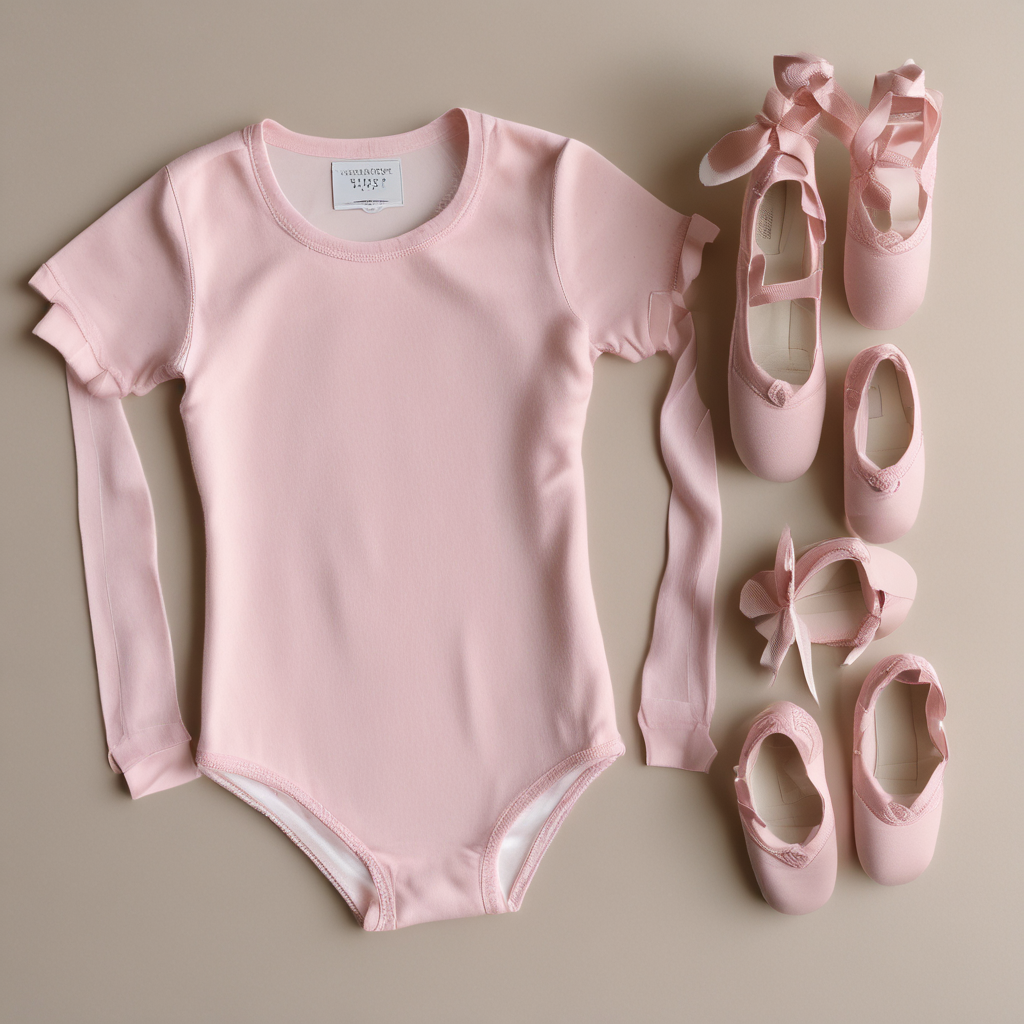
Short answer: ballerinas stand on their toes in pointe shoes, which have a hardened toe box that works as a small platform, and a stiff sole called a shank that supports the arch. The dancer does not balance on the tips of the toes alone. Strong feet, ankles, calves and core, built up over years of training, carry most of the weight and keep the body lifted.
What is standing on the toes called?
Dancing on the tips of the toes is called dancing en pointe, a French term meaning “on the point.” It is done in special shoes called pointe shoes. For a full explanation, read what is en pointe.
What do pointe shoes do?
A pointe shoe is made with layers of fabric and glue or paste that harden into a firm toe box. The flat end of the box is the platform the dancer stands on. Inside the shoe, the shank runs along the sole and supports the arch so the foot can hold a long, pointed line. The satin outside and the ribbons and elastics hold the shoe to the foot. The shoe supports the dancer, but it does not do the work for them. Read the complete guide to pointe shoes for more.
What gives a dancer the strength to stand on pointe?
Pointe work needs a lot of strength in several places at once:
- The feet and ankles, which must be strong and stable so they do not roll or collapse
- The calves and lower legs, which push the dancer up and hold the position
- The core and back, which keep the body lifted and centered over the feet
- The thighs and hips, which control turnout and balance
The weight is not placed on the toes alone. The dancer pulls up through the whole body, so the toes touch the box without being crushed into it.
How long does it take to learn to stand on pointe?
Dancers build up to pointe over several years of regular ballet classes. Most schools wait until a dancer is strong enough and old enough, often around age 11 or 12 at the earliest, and only when the teacher says they are ready. Starting too early can hurt the feet and ankles. The first pointe lessons are short and held at the barre. Standing in the center and turning come later.
Can ballerinas stand on their toes without pointe shoes?
Some dancers can briefly rise onto the tips of their toes with bare feet, but it is hard on the toes and not safe to practice. Professional pointe work is done in pointe shoes for support. If you want to try pointe, do it with a teacher and a properly fitted pair. Our pointe shoe fitting guide explains what a fitting looks like.
Does standing on pointe hurt?
New pointe shoes can feel firm and uncomfortable, and dancers often get sore toes while the feet adjust. Pain that is sharp or that does not go away is a sign to stop and ask the teacher. Dancers use toe pads, spacers and tape to reduce rubbing. See how to protect your toes in pointe shoes. If you have a foot problem, ask a doctor or a dance medicine specialist.
Frequently asked questions
How do ballerinas stand on their toes?
They wear pointe shoes with a hardened toe box that works as a small platform. Strong feet, ankles, calves and core, built up over years of training, carry the weight.
Do ballerinas stand on the tips of their toes?
They stand on the flat end of the toe box, not on the bare tips of the toes. The dancer also pulls up through the whole body, so the toes are not crushed.
At what age can a ballerina start pointe?
Schools usually wait until about age 11 or 12 at the earliest, and only when the teacher says the dancer is strong enough.
Can ballerinas stand on their toes without pointe shoes?
A few dancers can balance briefly on bare toes, but it is hard on the feet and not safe to practice. Pointe work is done in pointe shoes with a teacher.