
Posted on

Ballet Grades Explained: From Pre-Primary to Grade 8

Short answer: graded ballet is a step-by-step system. Young children begin with Pre-Primary and Primary stages, then move through Grades 1 to 8, with each grade taking roughly a year of weekly classes. The uniform usually gets more formal as the dancer moves up.

What is graded ballet?

Graded ballet is a structured syllabus that teaches technique in clear steps. At each level the dancer learns set exercises and dances, and many schools enter students for an exam to mark their progress. Different examination boards run their own syllabi, and the names and ages can vary slightly between them, so ask your school which one it follows.

How do the levels usually line up?

Stage Typical age Focus Common uniform
Pre-Primary About 3 to 5 Rhythm, imagination, first steps Leotard with a light skirt or tutu skirt
Primary About 5 to 7 Basic positions, simple dances Leotard, light wrap or pull-on skirt
Grades 1 to 5 About 6 to 11 Technique, posture, musicality Leotard and tights, with a belt or skirt if the school asks
Grades 6 to 8 About 11 and up Stronger technique, longer sequences Leotard, tights, often a chiffon wrap skirt

These ages are typical, not rules. A dancer who starts later or takes extra classes may move faster or slower, and that is completely normal.

How do I know which level my child is?

Ask the teacher. Level is based on skill and class placement, not age alone. The teacher will tell you the right level and, near exam time, whether your dancer is entered.

How does the uniform change at each level?

Early levels are about comfort and freedom to move: a simple leotard, a light skirt and soft shoes. By the middle grades the uniform becomes more tailored, with a clearer line so the teacher can see posture and alignment. In the older grades, a plain leotard and tights are often worn with a chiffon wrap skirt. Your school will confirm the exact colors and items.

What should I buy first?

  1. Ask the school for its uniform list for the current level.
  2. Buy the leotard and tights first, because they are needed every week.
  3. Add the skirt, shoes and any extras once the first classes have shown what is needed.

Our size guide helps you pick a size by height, and our uniform by level pages group the items by stage.

What happens in a graded ballet class?

A typical class begins at the barre, where the dancer works on posture, balance and basic movements such as pliés and tendus. The class then moves to the center, where the dancer practices longer sequences, turns and small jumps. Most classes end with a short dance or a révérence, a bow to the teacher. At the lower levels the music and the stories are playful. At the older grades the work becomes more precise and more demanding on strength and stamina.

How often should a dancer attend class?

Most dancers attend one or two classes a week in the early grades, then add more as they move up. Many schools suggest an extra class or two in the months before an exam. Regular attendance matters more than long classes. A dancer who comes every week will progress more steadily than one who comes now and then.

Do all dancers take exams?

No. Exams are optional at many schools. Some dancers take every exam, some take only a few, and some prefer to learn the syllabus without an exam. The right choice depends on the dancer’s goals and confidence. A good teacher will talk with parents and dancers about it before entering anyone.

What should parents know about the uniform?

The uniform often becomes slightly more formal as the dancer moves up, but the budget does not need to rise sharply. Many items carry over from one level to the next, such as tights and shoes. Leotards and skirts are the pieces most likely to change, and growing dancers often need a new size each year anyway. Keep the uniform list from your school, check sizes at the start of each term, and buy only what you need first. Our size guide and FAQ help answer sizing and ordering questions.
Posted on

What to Wear for a Ballet Exam: A Practical Uniform Checklist

Short answer: for a ballet exam most dancers wear the leotard, tights, ballet shoes and hair style their school has chosen for that level, plus an exam number. The exact colors and styles are set by your teacher and the examination board, so confirm them before you buy anything.

Who decides the exam uniform?

Two sources decide it. The examination board publishes dress guidance for each level. Your dance school then chooses the specific leotard color, skirt style and extras it wants its students to wear. If the two ever differ, follow your teacher, who is responsible for entering you for the exam. Uniform rules change from time to time, so always check the current requirements and not last year’s.

We are not affiliated with or endorsed by any examination board. This guide is general advice, not an official rulebook.

What is on the checklist?

Item What to check
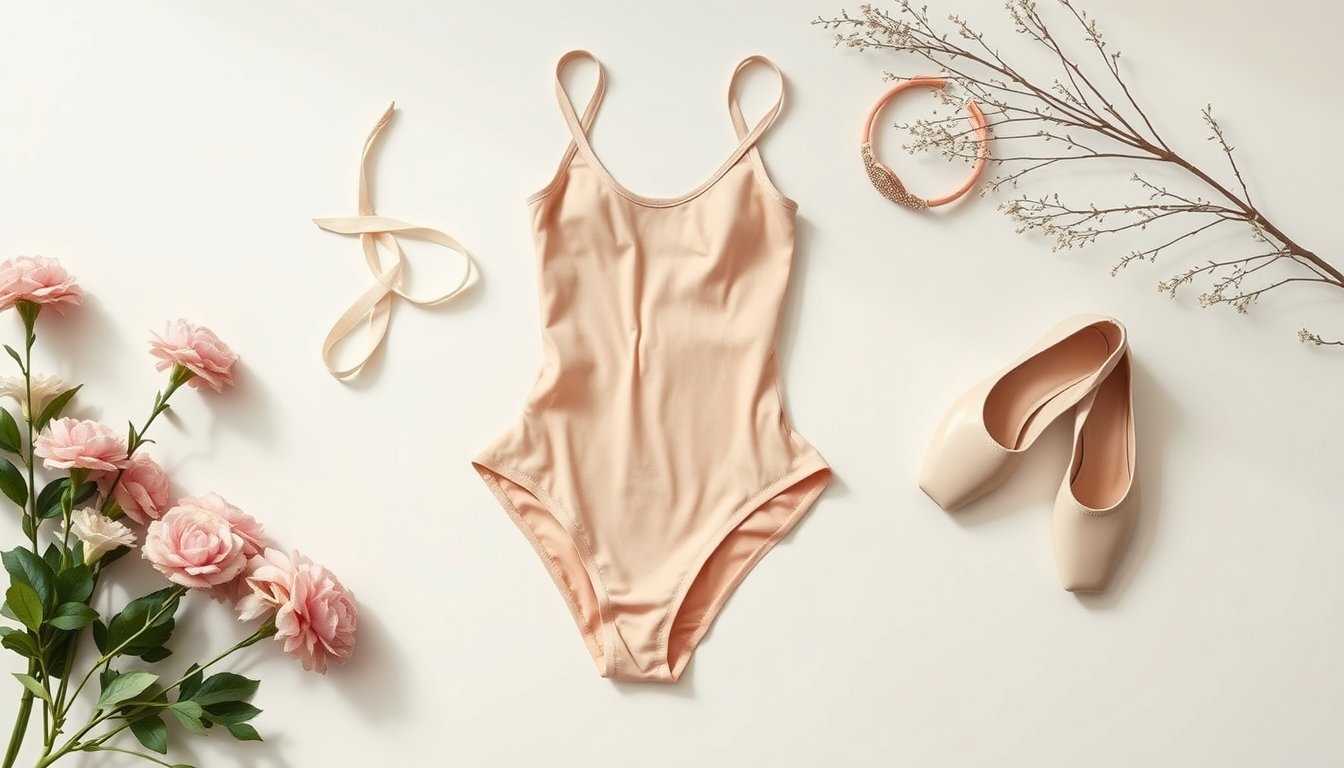
Leotard Color and sleeve style set by your school. Short sleeves or camisole straps are the most common.
Skirt Only if your school requires one. Some levels use a light wrap or pull-on skirt, others none.
Tights Ballet pink is the usual choice. Check whether your school wants footed or convertible tights.
Ballet shoes Usually pink, with elastics sewn on, and a good fit with room for the toes to lie flat.
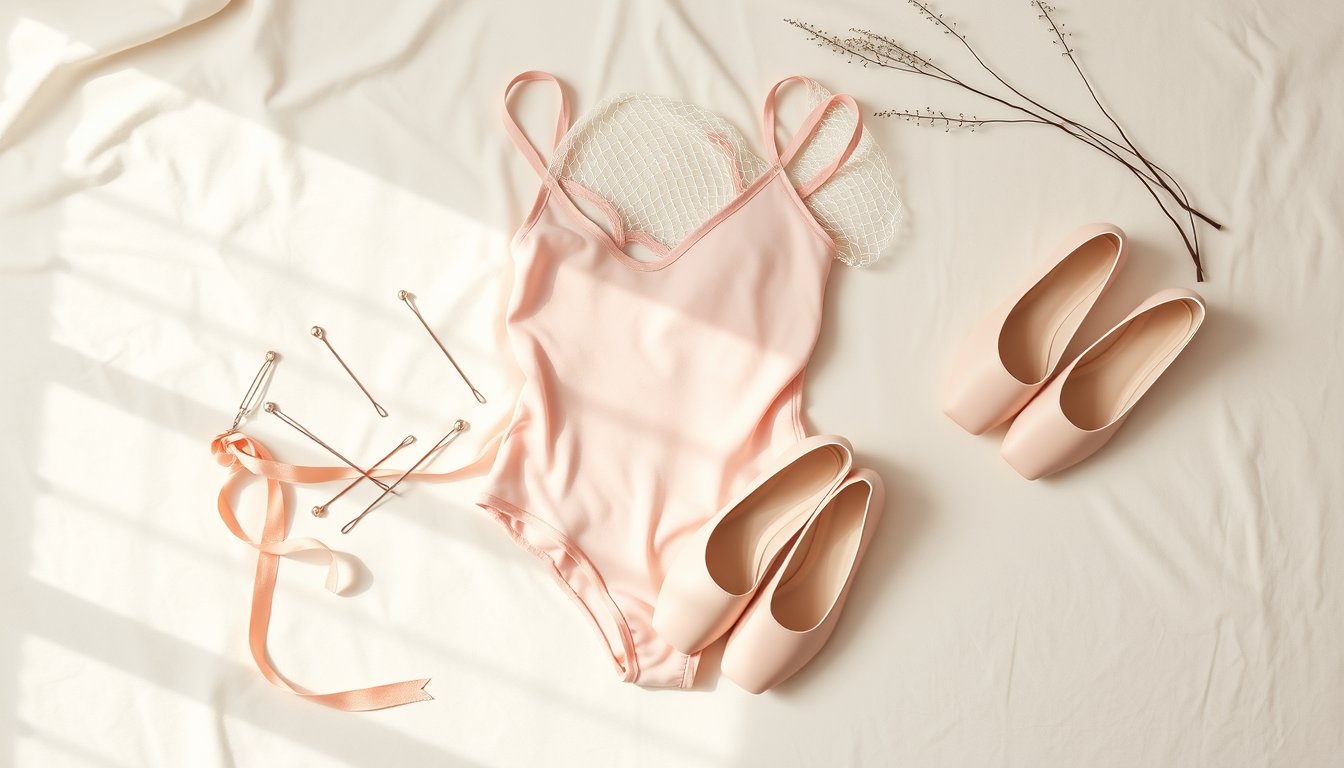
Hair A neat bun, secured off the face and neck. Bring spare pins and a hairnet.
Exam number Candidates are often given a number to wear so the examiner can identify them. Ask the school how it is attached.
Belt Some schools use colored elastic belts to show the level. Confirm with your teacher whether yours does.
Jewelry Usually none, apart from small plain studs if the school allows them.

How do I choose the right size?

Choose by height first and use age only as a rough guide. If the dancer is between sizes, size up, because a leotard that is too tight restricts movement. Our size guide shows height and weight ranges for each style. Try everything on at home a few weeks before the exam so there is time to exchange it.

What should I do the week before?

  1. Wash and check every item, and sew on any loose elastics.
  2. Pack the exam bag the night before: uniform, spare tights, hair pins, hairnet, water and a warm layer.
  3. Practice putting the hair up and attaching the number so nothing is new on the day.
  4. Arrive early, dressed for class under a warm layer, and keep the uniform clean until the exam.

Can I wear last year’s uniform?

If it still fits well and meets this year’s requirements, yes. Check for faded color, stretched elastics and worn feet in the tights. Examiners look for a neat, tidy line, so a crisp uniform helps.

What do examiners notice about the uniform?

Examiners are watching the dancing, not the shopping list, but a neat uniform helps them see the work. A clean, well-fitted leotard shows the line of the back and shoulders. Tights without wrinkles at the knee and ankle show the leg. Shoes that fit properly let the foot work through the floor. When everything is tidy, the dancer looks confident and the examiner can focus on technique.

Common uniform mistakes

  • Buying too late. Order at least four weeks ahead, so there is time to exchange a size.
  • Trying everything on for the first time on the day. A strap that digs in or an elastic that is too long is a distraction.
  • Forgetting spares. A run in the tights is easy to fix when a spare pair is in the bag.
  • Hair that is not secure. Practice the bun and use enough pins and a hairnet so it stays put through the whole exam.
  • Wearing a new pair of shoes. Break shoes in for a few classes so they are comfortable but still look fresh.

A simple exam-day bag list

Pack Why
Uniform in a clean bag Keeps it crisp until you change.
Spare tights and spare shoe elastics Quick fixes without panic.
Hairpins, hair net and hair tie Fix the bun if it moves.
Warm layer and leg warmers Stay warm while waiting.
Water bottle and a small snack Energy before and after.
Exam number and pins Know how it attaches before you arrive.

If you are buying for a child, let them help pack the bag so they know where everything is. It makes the day calmer for everyone.

Posted on

Ballet Class Dress Code: What to Wear for Every Level

Short answer: for ballet class, wear a fitted leotard, ballet tights and ballet shoes, with hair tied neatly away from the face. A light skirt or warm-up layer is often allowed, but loose clothing hides the body line, so teachers usually prefer fitted pieces.

Why is ballet class clothing so fitted?

The teacher needs to see the shoulders, back, hips, knees and feet to give corrections. Loose T-shirts and baggy pants hide those lines. Fitted clothing also moves with the dancer and does not catch on feet or hands.

What is the basic dress code?

Item Basic rule
Leotard Fitted, comfortable, in the color your school asks for.
Tights Ballet pink or the school’s color, with no holes or runs.
Shoes Soft ballet shoes, snug but not tight.
Hair A bun or secure ponytail, off the face and neck.
Skirt Optional at many schools. Light and short enough not to hide the legs.
Warm-ups A wrap top or cardigan and leg warmers for the start of class, taken off once warm.

What should I wear to a first ballet lesson?

Wear what you already have that is closest to the dress code: leggings or tights and a fitted top are fine for a trial class. Ask the school before you buy anything. Most teachers are happy to wait a few weeks before a uniform is required.

What should children wear?

Young children should wear something they can move in and put on themselves where possible. A simple leotard with a light skirt is the usual choice at the youngest levels. Avoid anything scratchy and choose elastic waists and soft seams.

What should adults and teens wear?

Adults and teens follow the same logic: a fitted leotard or top, tights or fitted leggings, and soft shoes. Many adult classes are relaxed about colors, but a fitted line is still helpful for corrections.

What do I do with my hair?

Pull it back firmly into a bun or low ponytail with no loose strands. Short hair can be clipped back. The aim is that hair never covers the face during turns.

Quick tips

  • Label every item with the dancer’s name.
  • Keep a spare pair of tights in the dance bag.
  • Wear warm layers to class and take them off when the body is warm.
  • Check the size guide before ordering and size up if between sizes.

Why do schools set a dress code?

A dress code is not about fashion. It makes classes safer and easier to teach. When everyone wears fitted clothing and secure hair, the teacher can see each dancer’s alignment and correct it quickly. A uniform also helps younger children feel part of a group, and it removes the stress of choosing an outfit each week. For families, a clear list means less guessing and fewer wasted purchases.

What if the school has no strict dress code?

Some adult and community classes are relaxed. In that case, choose comfortable, fitted clothing that lets you move through a full range, such as a leotard or fitted top with leggings or tights. Avoid long loose layers, zippers and anything that hangs over the hands. Even without rules, a neat appearance helps you focus and helps the teacher see you.

How should clothes fit?

  • Leotard: snug on the torso without pinching at the shoulders or legs.
  • Tights: smooth at the ankles and knees, with no sagging at the crotch.
  • Shoes: toes lying flat, with no space at the front and no squeezing at the sides.
  • Layers: close-fitting enough that the teacher can see posture when they are on.

How do I look after the uniform?

Wash leotards and tights on a gentle cycle, in cool water, and let them air dry. Hot dryers can damage elastic, so avoid them. Check ballet shoes for wear and replace them when the sole splits or the elastic stretches. Write the dancer’s name inside every item, because many uniforms look alike in a changing room. Keep a small repair kit in the dance bag with a needle, thread, spare elastic and safety pins.

When should I buy a bigger size?

Children grow quickly. If the leotard strap pulls up when the arms lift, or tights tug at the waist, it is time for the next size. Do not buy several sizes ahead, as a very loose leotard also hides the dancer’s line. A snug fit with a little room to grow is a good guide.

What are good practice clothes for ballet?

Good ballet practice clothes are fitted, stretchy and comfortable: a leotard or fitted top, tights or leggings, and soft ballet shoes. If you practice at home, choose clothes that let you see your posture in the mirror. For clothing for ballet class in general, avoid baggy tops, jeans and anything with zips or hard buttons. See also our guide to where to buy ballet shoes and how to fit them.