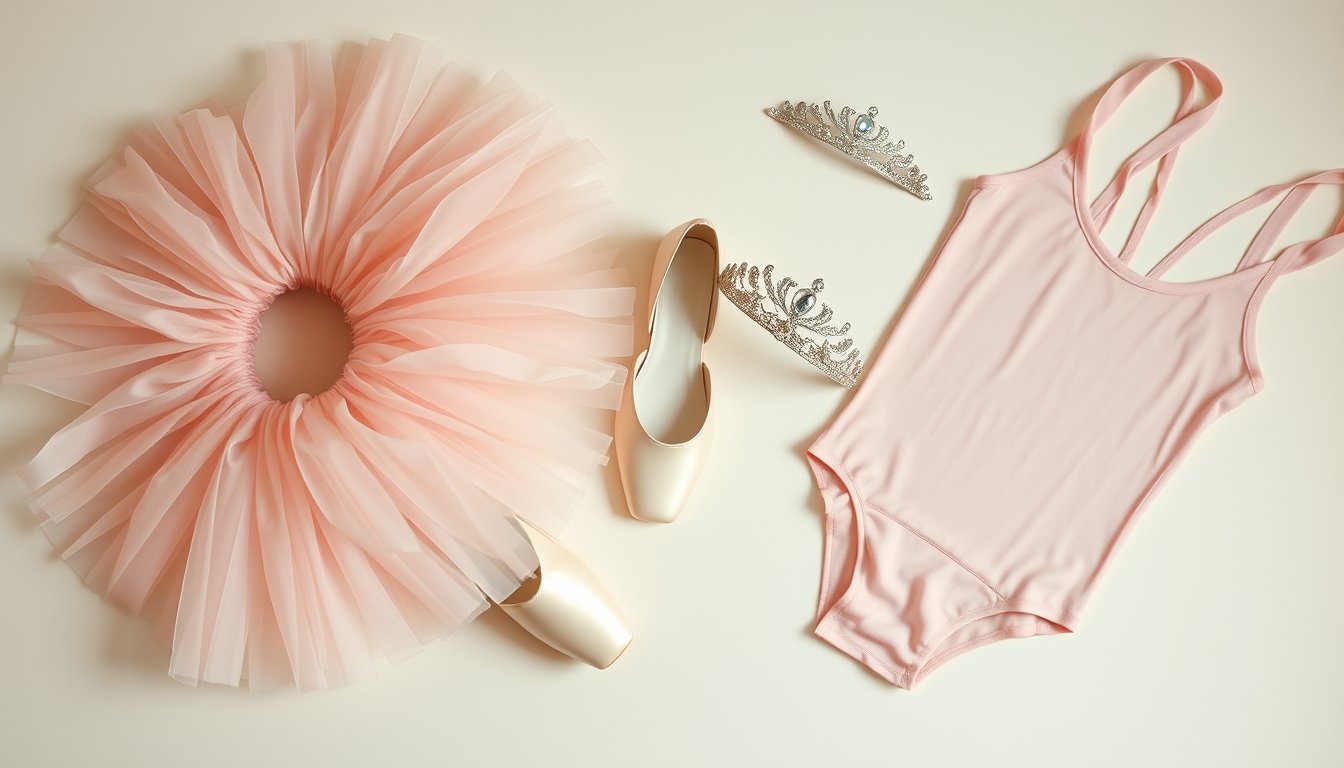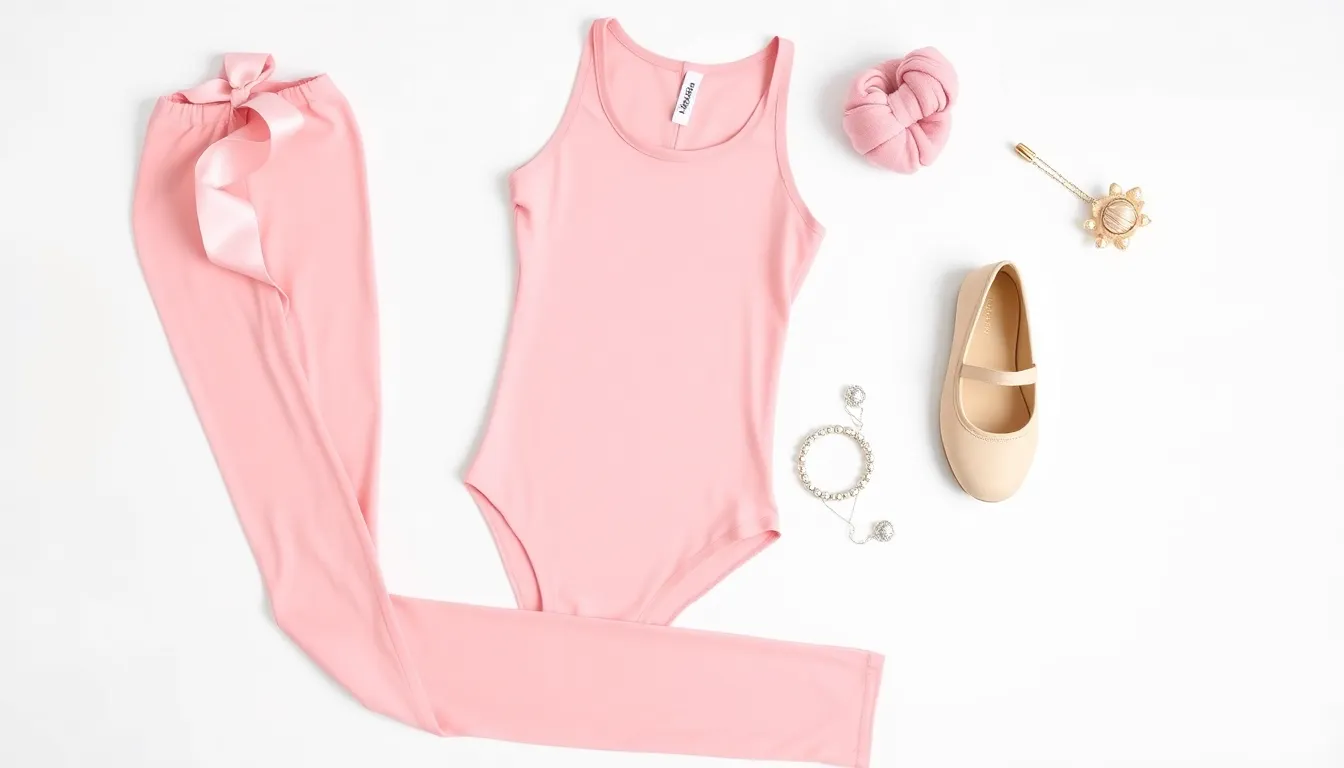
Ballet attire refers to all the clothing, shoes and accessories worn for ballet class, examinations and performances. The term covers a specific set of items — different from general activewear — with names and requirements that can be confusing for parents and new students. This guide explains every item of ballet attire in plain language.
Leotard
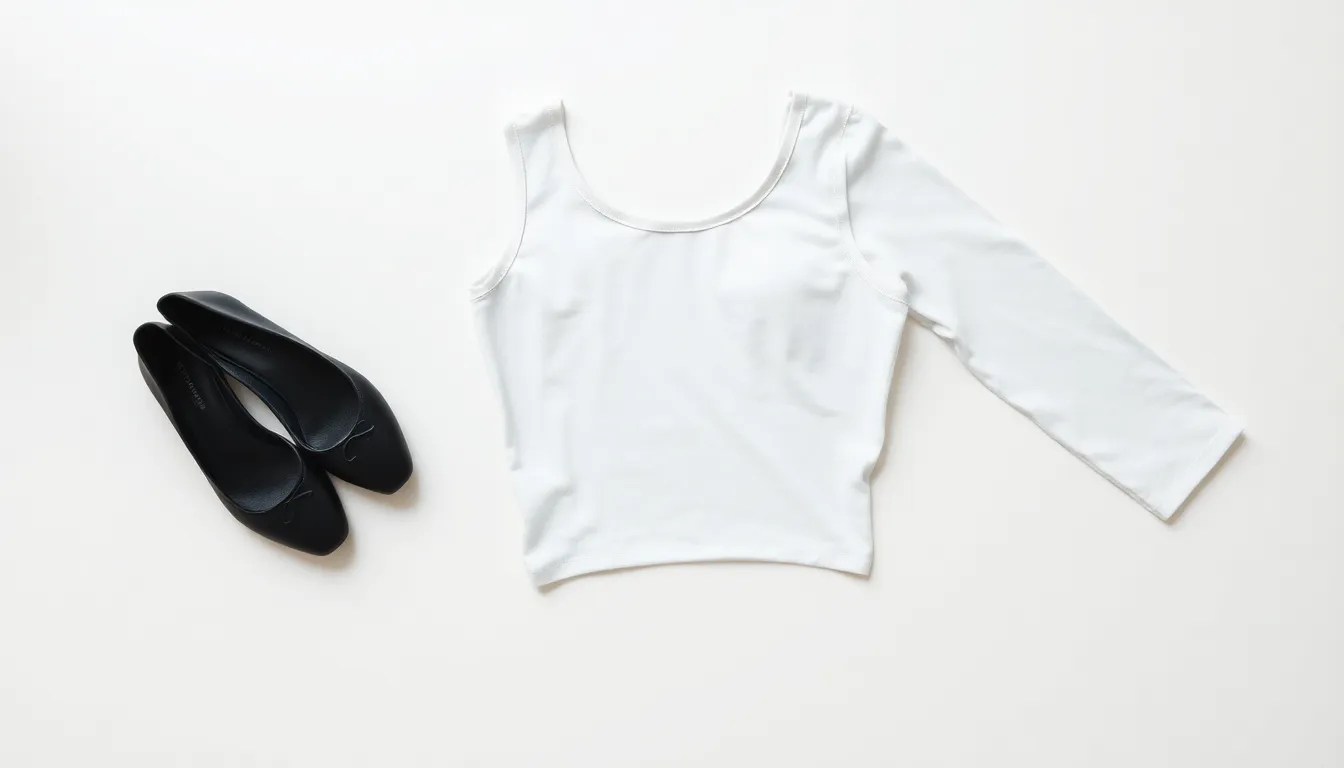
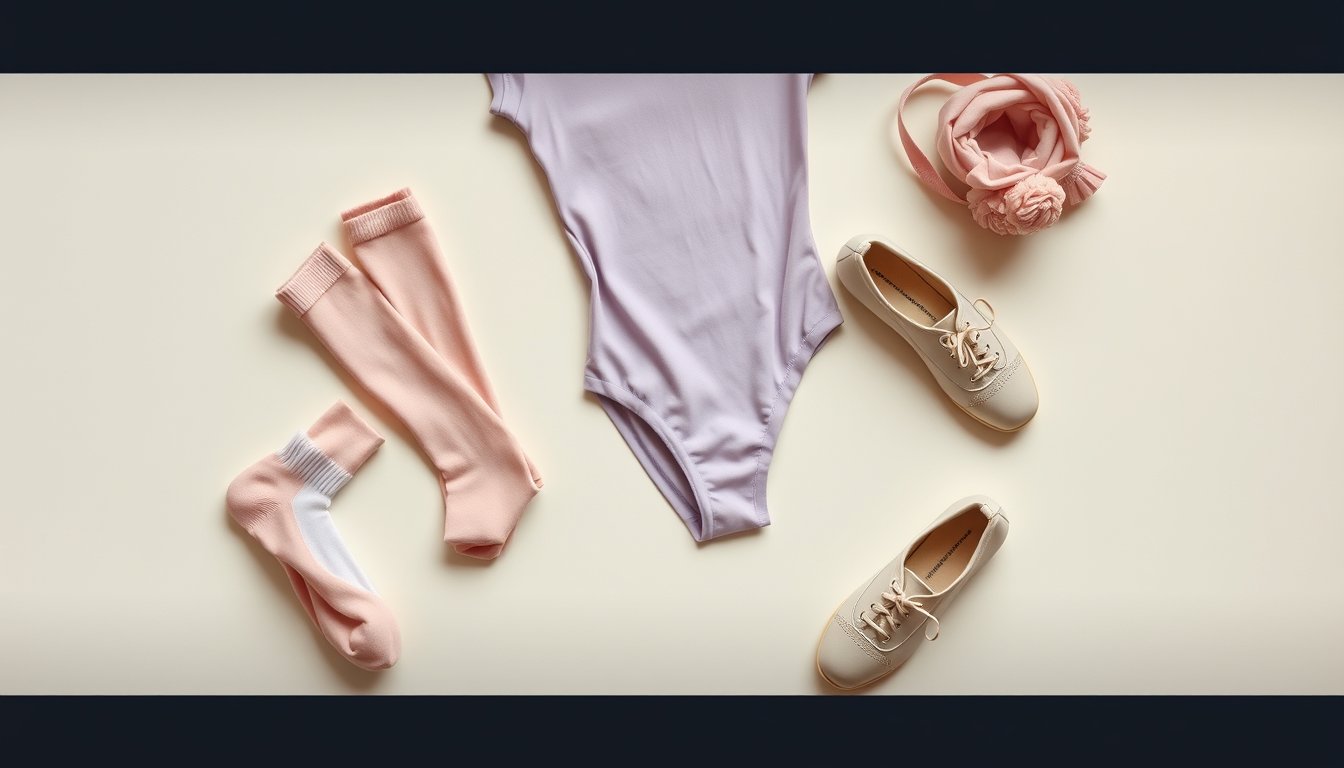
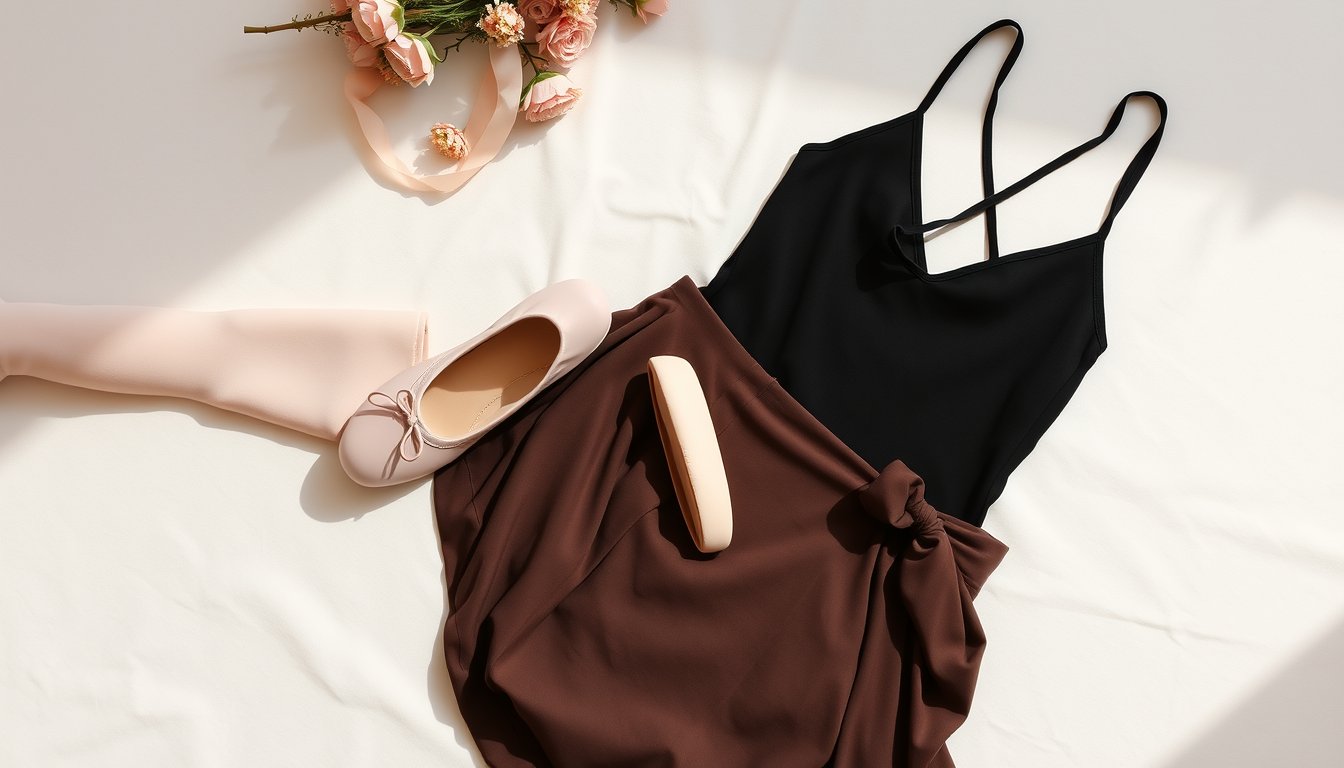
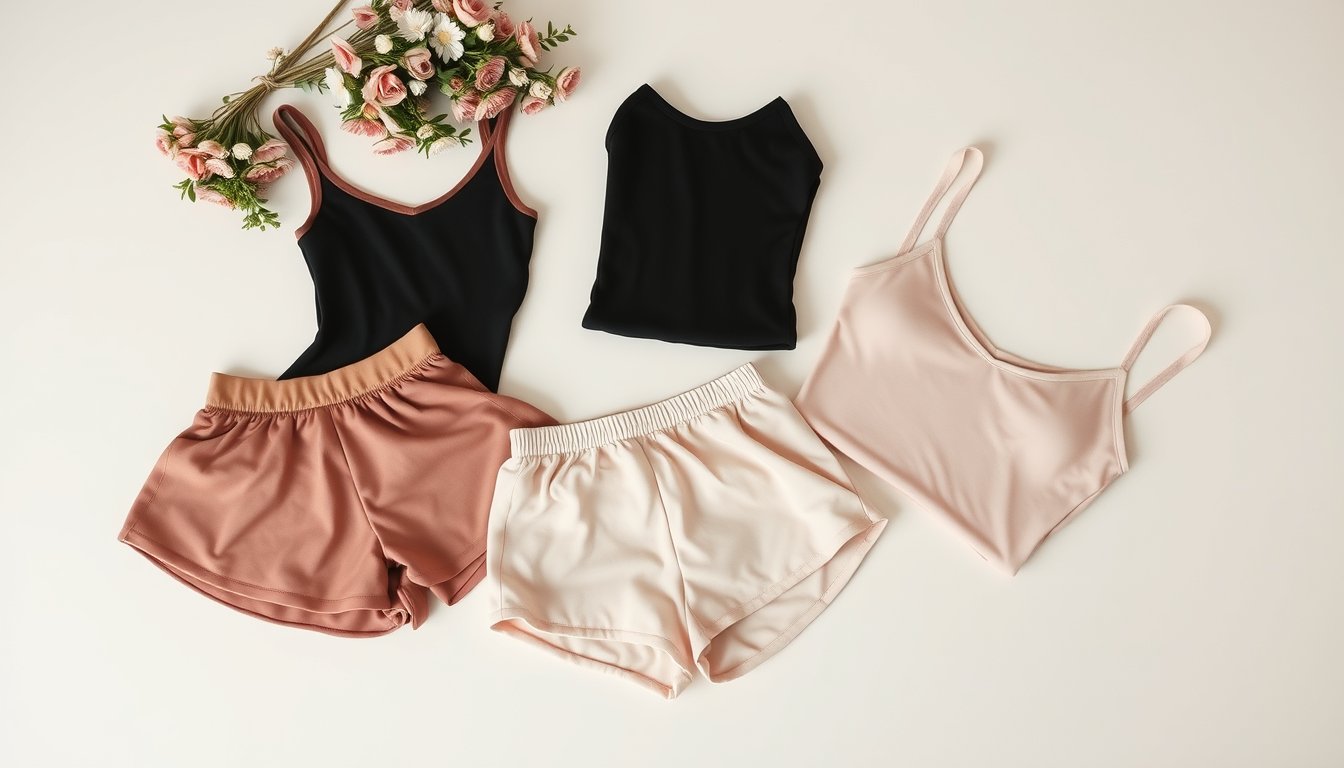
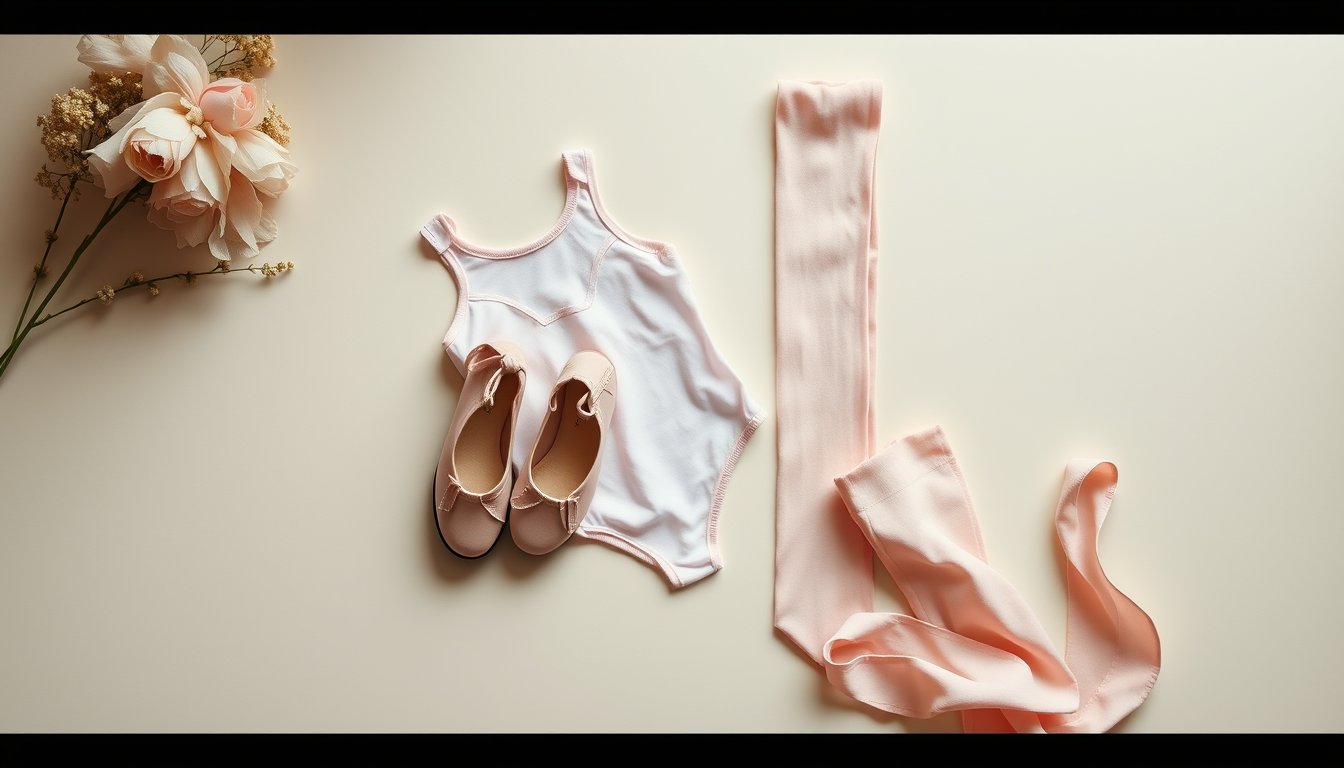
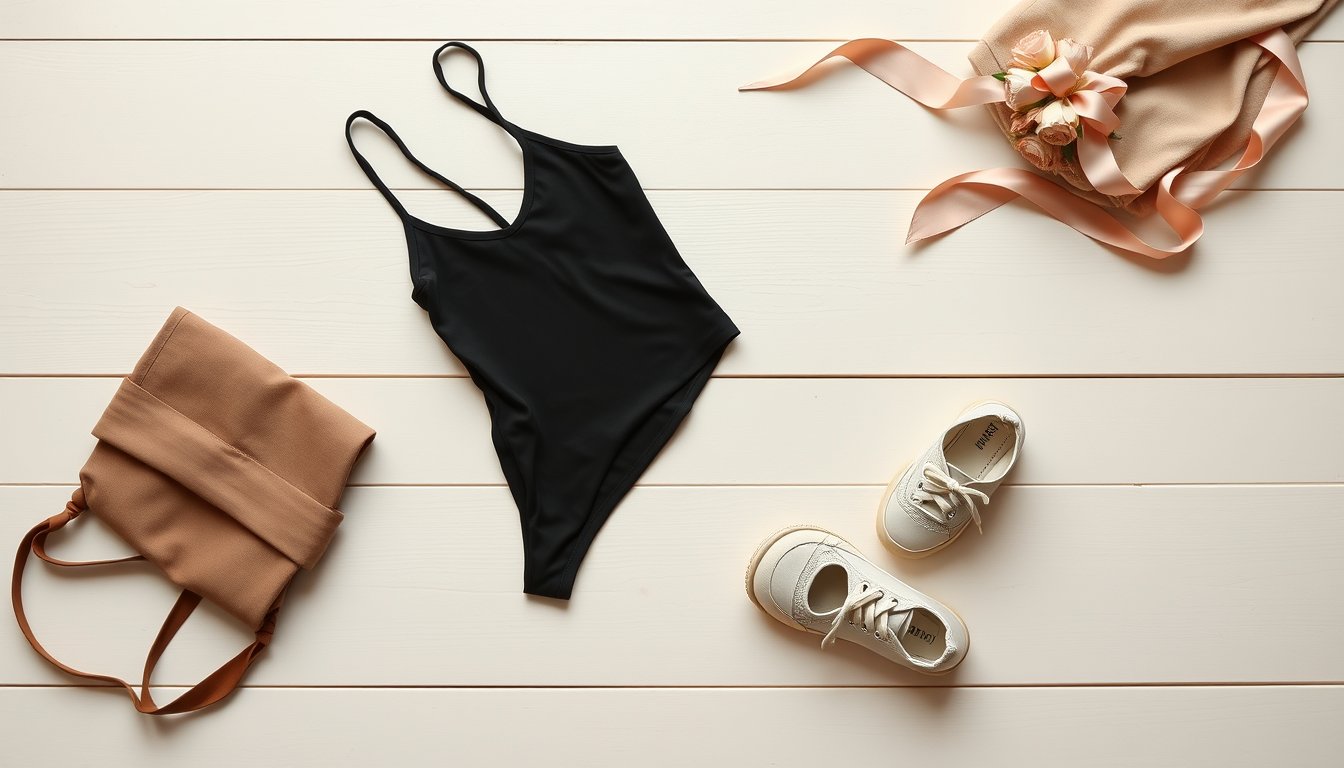
A leotard is a one-piece fitted garment that covers the torso. Ballet leotards are made from stretch nylon-lycra and come in camisole (thin straps), tank (wider straps), cap sleeve and long sleeve styles. In RAD ballet, the colour of the leotard indicates the student’s grade — pink for pre-primary and primary, light blue for Grades 1–3, navy for Grade 4, burgundy for Grade 5 and black for senior grades. The leotard is worn over the tights, not under them.
Ballet Tights
Ballet tights are sheer or opaque stretch tights worn over the lower body. Pink ballet tights are standard for most grades. They come in footed (full coverage to the toe), convertible (with a hole at the toe for barefoot sections), and stirrup (with a strap under the arch) styles. The tights are worn on top of the leotard — the leotard bottom is tucked inside the tights at the waist, or worn over the waistband.
Ballet Shoes
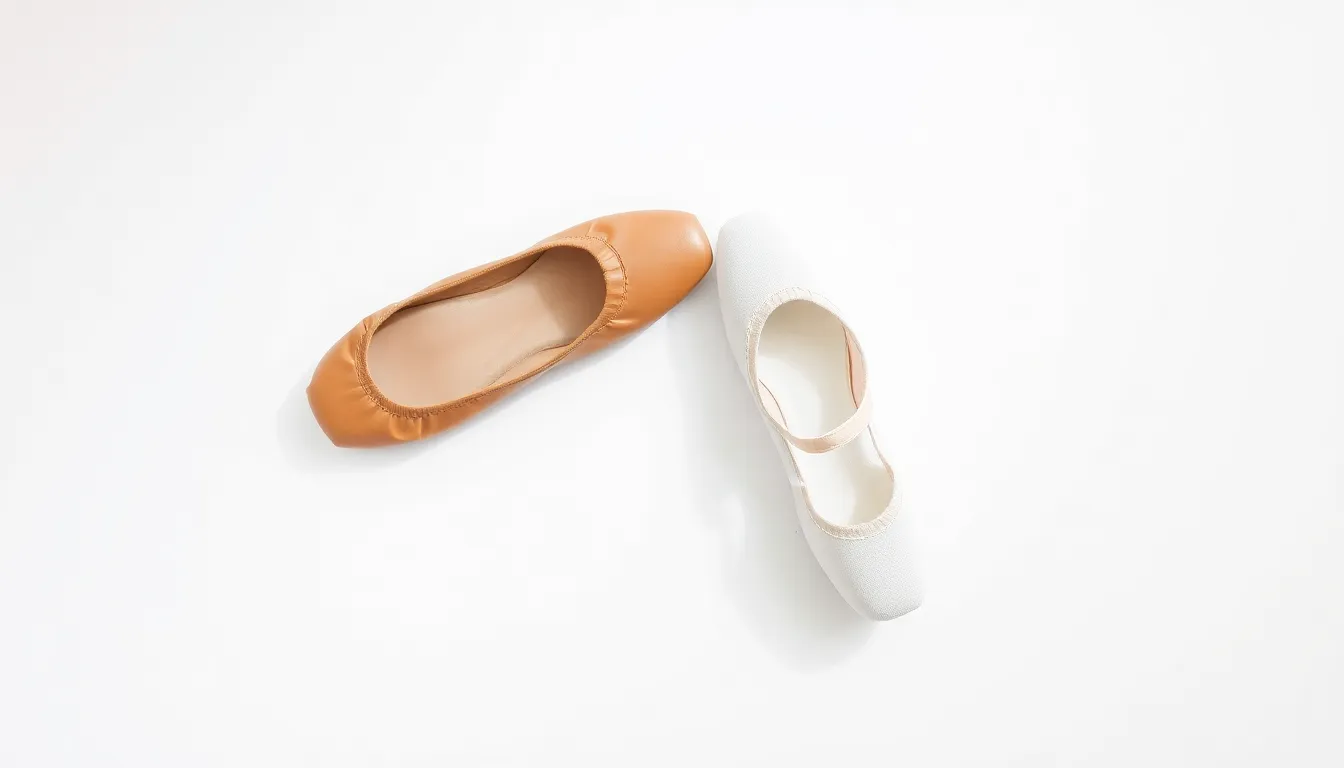
Ballet shoes (also called ballet slippers) are soft, flat dance shoes in canvas or leather. Beginners typically use full-sole shoes; more advanced students use split-sole shoes that allow full arch articulation. Girls and women wear pink shoes; boys and men wear white or black. Pointe shoes are a specialist hard-toed shoe introduced only when a teacher confirms readiness — they are not worn in beginner or most intermediate classes.
Wrap Skirt and Ballet Skirt
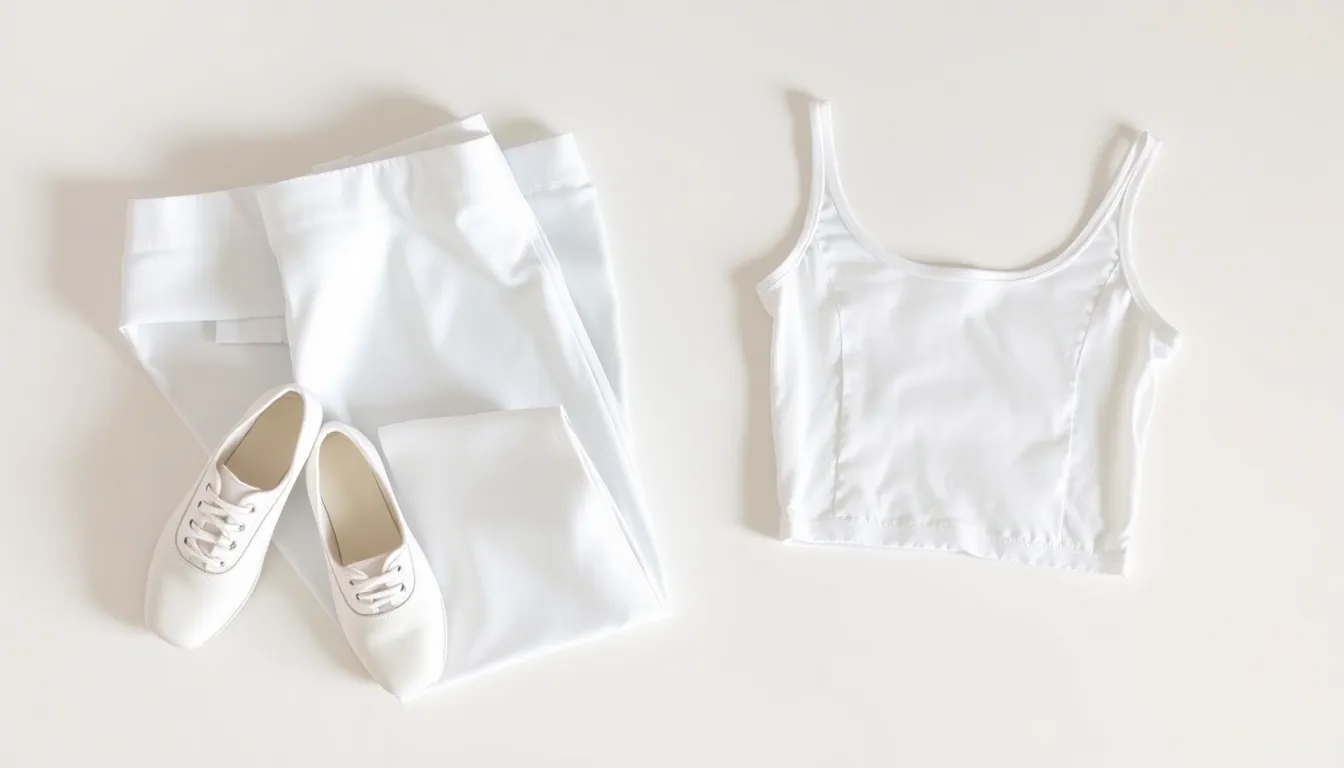
A ballet wrap skirt is a layer worn over the leotard and tights, tied at the waist. Wrap skirts are used in some barre exercises and in many adult classes. They are not normally part of the RAD class uniform for children but may be specified for certain levels or types of class.
Warm-Up Clothes
Warm-up clothes are worn before and sometimes during the warm-up phase of class to keep muscles warm. They include wrap sweaters, cardigans, leg warmers, warm-up booties and ballet trousers. Warm-up items are removed before centre work in formal classes. A dance belt (for boys) is an essential undergarment worn under tights or trousers.
Hair Accessories
Ballet requires the hair to be neatly secured in a bun. The tools for this include: a hair tie or elastic, a bun former (foam donut) or bun pins, a hair net to contain the bun, snap clips or bobby pins to secure loose hair, and hairspray for exam or performance days.
Frequently Asked Questions
What is the difference between ballet attire and dancewear?
Dancewear is a broad term covering clothes for any dance style. Ballet attire is dancewear specific to ballet — with particular grade colours, shoe types and hair requirements that do not apply to jazz, contemporary or hip hop classes.
Does ballet attire change by grade?
Yes, in RAD ballet the leotard colour changes by grade. Shoes, tights and accessories remain broadly consistent throughout grades, though the style of shoe may shift from full-sole to split-sole as students advance.
Where do I buy ballet attire?
Ballet attire is best bought from a specialist dancewear retailer who stocks RAD-approved items and can advise on grade colours and correct sizing. Buying online is convenient for reorders once you know the right size and style.