Posted on

What Is Ballet Attire? A Complete Guide to Dancewear Terminology

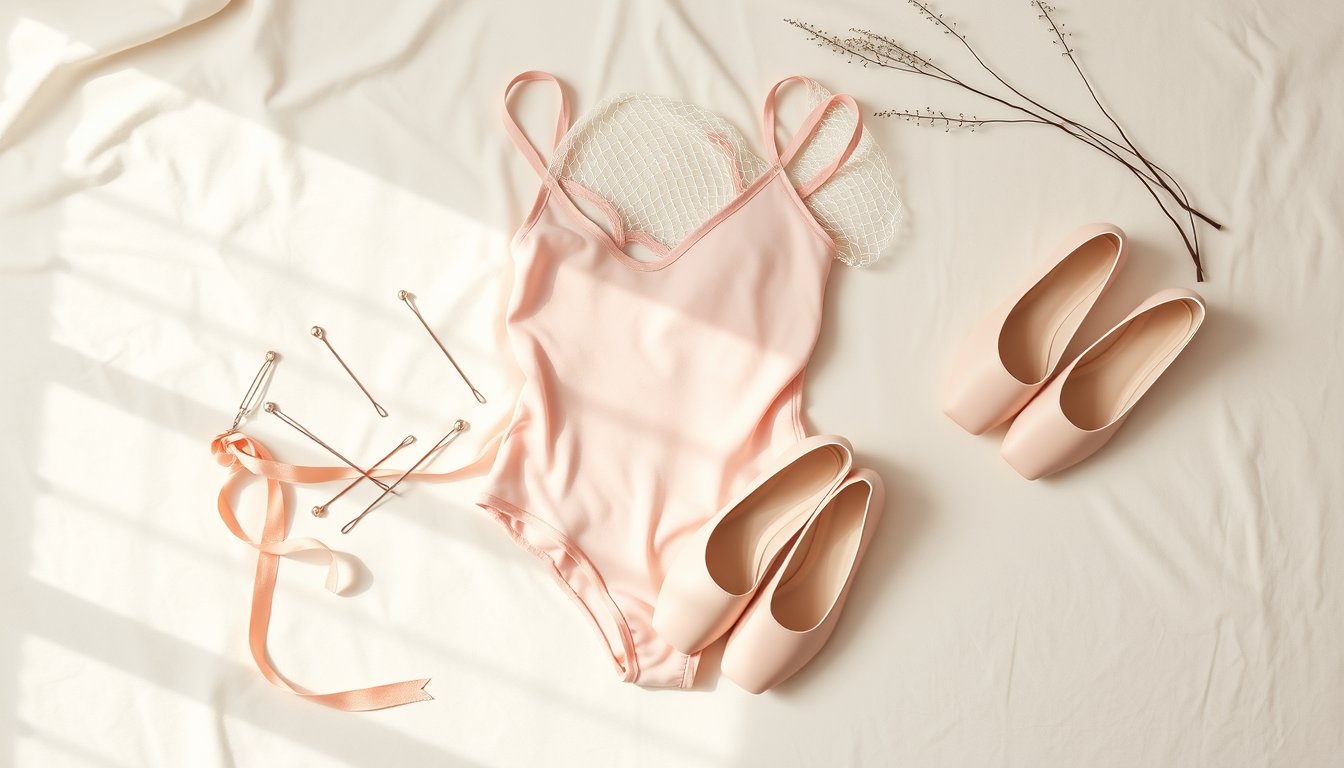
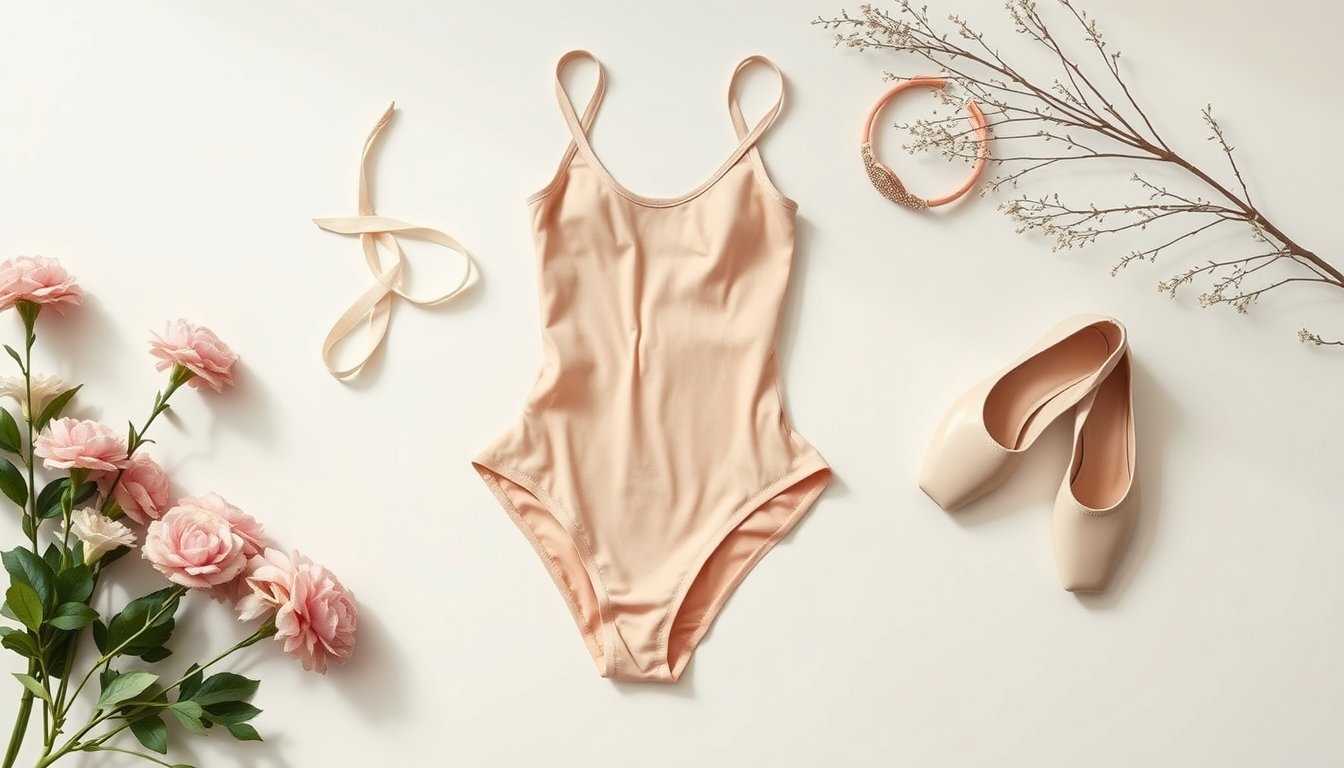
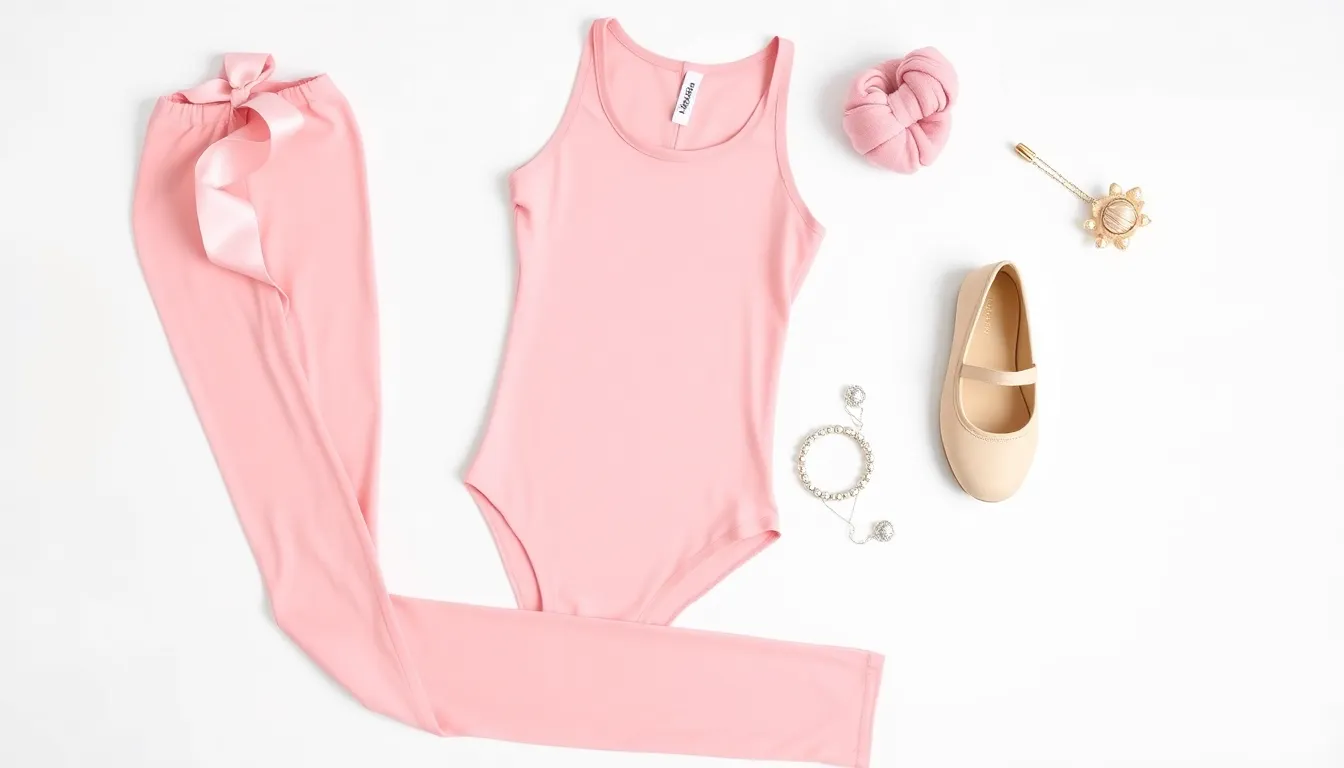
Ballet attire refers to all the clothing, shoes and accessories worn for ballet class, examinations and performances. The term covers a specific set of items — different from general activewear — with names and requirements that can be confusing for parents and new students. This guide explains every item of ballet attire in plain language.

Leotard

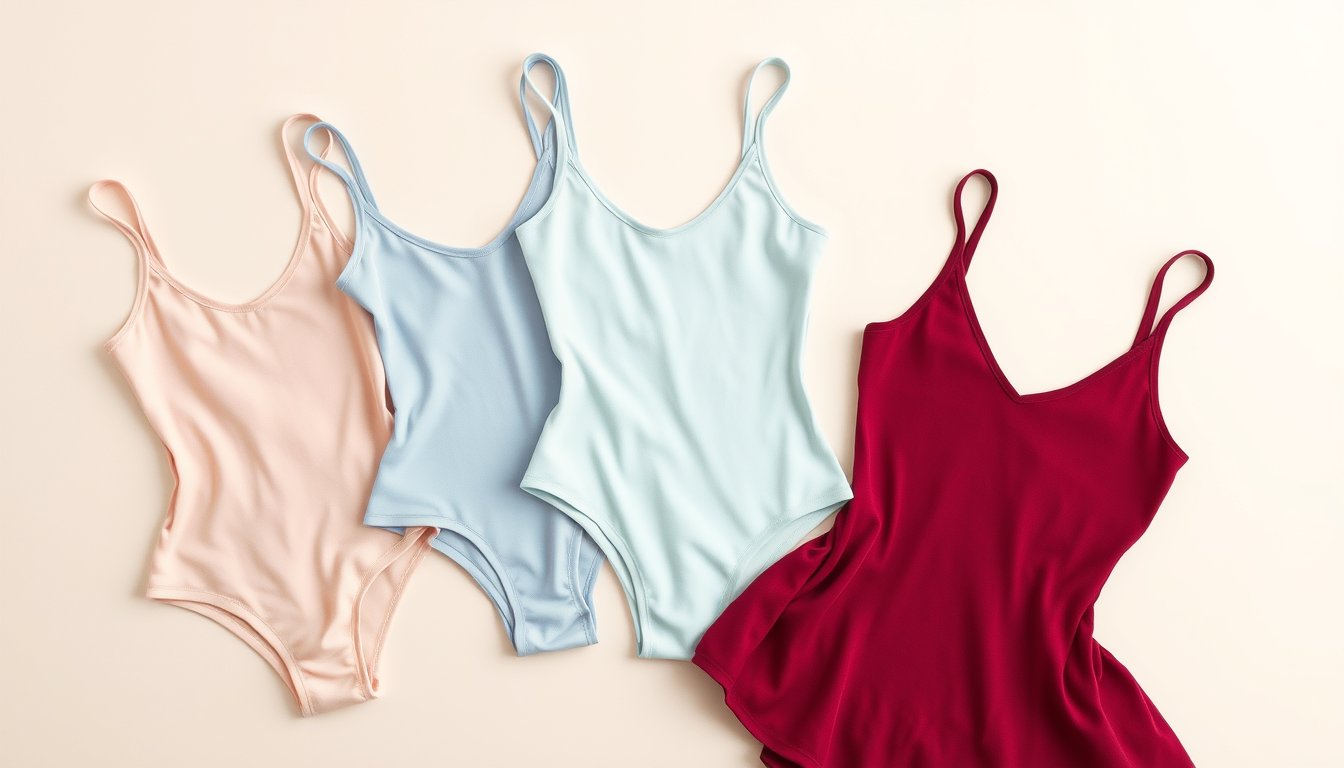
A leotard is a one-piece fitted garment that covers the torso. Ballet leotards are made from stretch nylon-lycra and come in camisole (thin straps), tank (wider straps), cap sleeve and long sleeve styles. In RAD ballet, the colour of the leotard indicates the student’s grade — pink for pre-primary and primary, light blue for Grades 1–3, navy for Grade 4, burgundy for Grade 5 and black for senior grades. The leotard is worn over the tights, not under them.

Ballet Tights

Ballet tights are sheer or opaque stretch tights worn over the lower body. Pink ballet tights are standard for most grades. They come in footed (full coverage to the toe), convertible (with a hole at the toe for barefoot sections), and stirrup (with a strap under the arch) styles. The tights are worn on top of the leotard — the leotard bottom is tucked inside the tights at the waist, or worn over the waistband.

Ballet Shoes

Ballet shoes (also called ballet slippers) are soft, flat dance shoes in canvas or leather. Beginners typically use full-sole shoes; more advanced students use split-sole shoes that allow full arch articulation. Girls and women wear pink shoes; boys and men wear white or black. Pointe shoes are a specialist hard-toed shoe introduced only when a teacher confirms readiness — they are not worn in beginner or most intermediate classes.

Wrap Skirt and Ballet Skirt

A ballet wrap skirt is a layer worn over the leotard and tights, tied at the waist. Wrap skirts are used in some barre exercises and in many adult classes. They are not normally part of the RAD class uniform for children but may be specified for certain levels or types of class.

Warm-Up Clothes

Warm-up clothes are worn before and sometimes during the warm-up phase of class to keep muscles warm. They include wrap sweaters, cardigans, leg warmers, warm-up booties and ballet trousers. Warm-up items are removed before centre work in formal classes. A dance belt (for boys) is an essential undergarment worn under tights or trousers.

Hair Accessories

Ballet requires the hair to be neatly secured in a bun. The tools for this include: a hair tie or elastic, a bun former (foam donut) or bun pins, a hair net to contain the bun, snap clips or bobby pins to secure loose hair, and hairspray for exam or performance days.

Frequently Asked Questions

What is the difference between ballet attire and dancewear?

Dancewear is a broad term covering clothes for any dance style. Ballet attire is dancewear specific to ballet — with particular grade colours, shoe types and hair requirements that do not apply to jazz, contemporary or hip hop classes.

Does ballet attire change by grade?

Yes, in RAD ballet the leotard colour changes by grade. Shoes, tights and accessories remain broadly consistent throughout grades, though the style of shoe may shift from full-sole to split-sole as students advance.

Where do I buy ballet attire?

Ballet attire is best bought from a specialist dancewear retailer who stocks RAD-approved items and can advise on grade colours and correct sizing. Buying online is convenient for reorders once you know the right size and style.
Shop ballet attire at ZoeDancewear

Posted on

Male Ballet Attire: A Complete Uniform Guide for Boys and Men

Male ballet attire is often overlooked in dancewear guides, which tend to focus on girls and women. Yet male students have specific uniform requirements that matter both for technique assessment and for professional appearance in class and examinations. This guide covers the full male ballet uniform from beginner through to advanced level.

The Standard Male Ballet Uniform

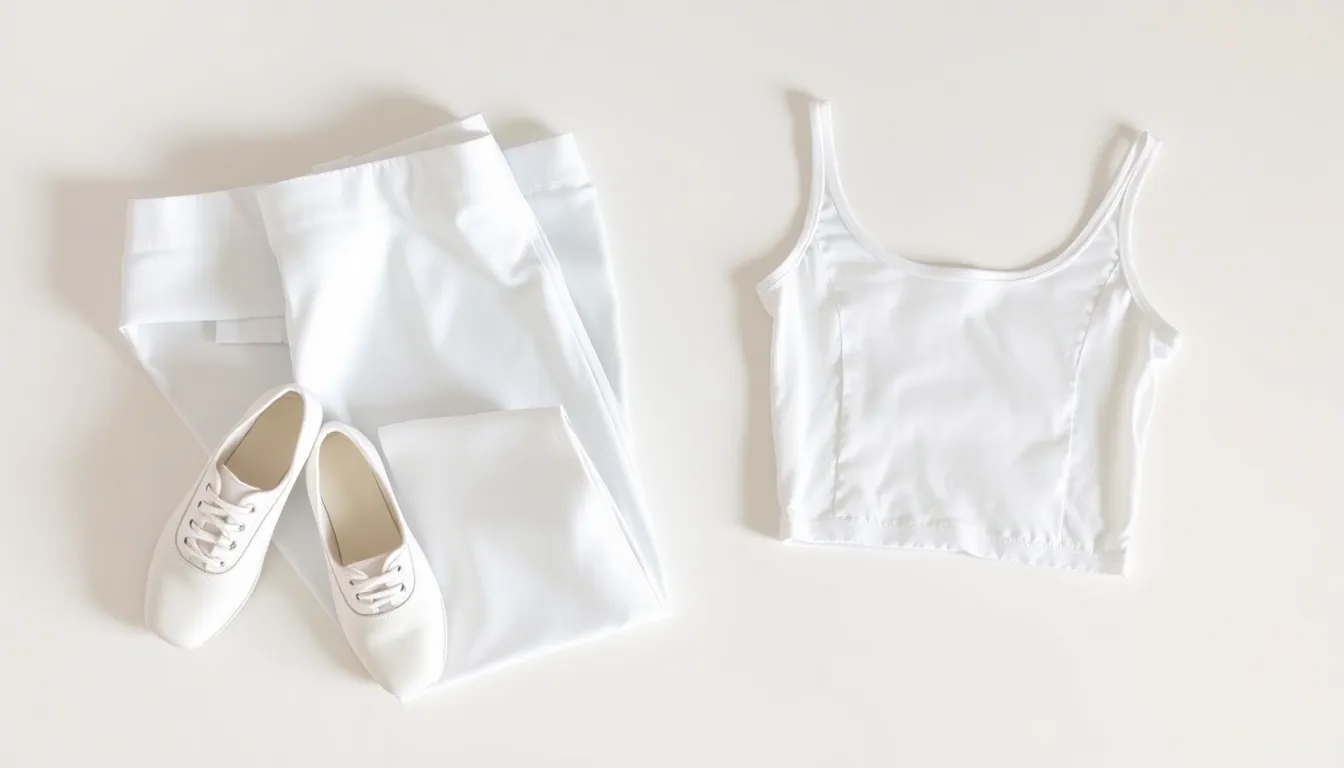
For most RAD ballet classes, the standard male uniform is: a white fitted ballet top or T-shirt, black or white ballet trousers or tights, white or black canvas or leather ballet shoes, a dance belt worn as the innermost layer under tights or trousers, and white ankle socks for younger students. Some schools also specify a plain white or black leotard under the trousers for junior grades — confirm with your school.

Ballet Tops for Male Students

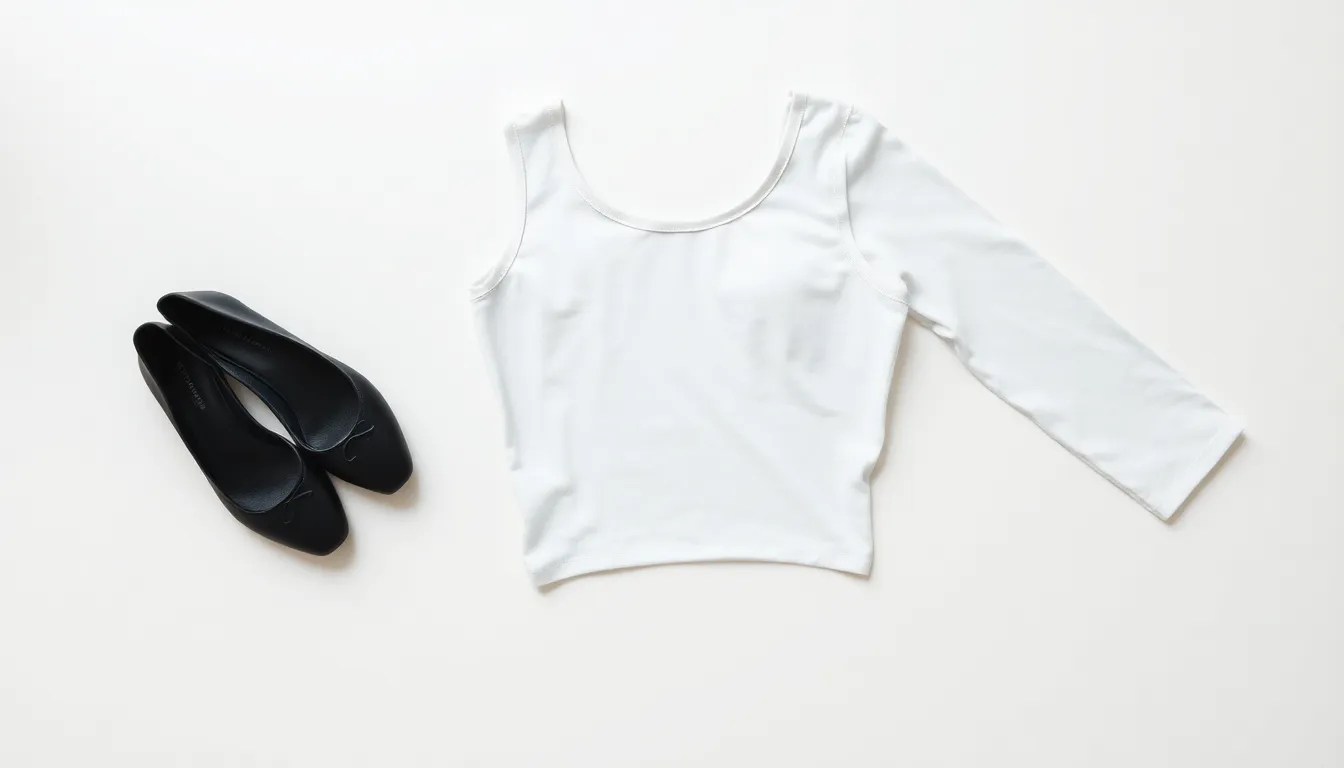
Male ballet tops should be close-fitting in jersey, cotton-lycra or a stretch performance fabric. The teacher needs to see the spine, shoulders and chest alignment clearly. A well-fitted white T-shirt is acceptable in many schools; a fitted sleeveless dance vest or white ballet unitard top gives a cleaner look for examinations. Avoid loose shirts, hoodies or sportswear that obscures posture.

Trousers vs Tights for Male Ballet

Younger male students (pre-primary to Grade 3) typically wear white or black fitted ballet trousers. These look like slim-fit jogging bottoms in a dance fabric — not loose gym joggers. Older students and those in senior grades (Grade 4 and above) often switch to full-coverage ballet tights in white or black, which give a cleaner leg line for technique assessment and are standard in professional training. The dance belt always goes on first, directly against the skin, before tights or trousers.

Ballet Shoes for Male Students

White canvas or leather ballet shoes are standard for junior grades. Black leather shoes are more common in senior grades and professional training. Have shoes fitted properly — male foot widths vary significantly and an incorrectly fitted shoe affects technique. Canvas split-sole shoes are the most common choice; some teachers prefer full-sole leather shoes for younger boys to develop foot strength.

The Dance Belt: Essential, Not Optional

A dance belt is not optional for male ballet students above beginner age. It provides the support needed for jumps and partner work, and keeps everything invisible under costume tights. The dance belt is worn directly against the skin, before tights, trousers or any other layer. Nude or skin-tone is standard under light-coloured tights; black under dark trousers. Replace when the elastic loses its stretch — a dance belt that does not stay in place defeats its purpose.

Hair for Male Ballet Students

Short hair requires no specific styling for ballet class. Boys and men with longer hair must tie it back and away from the face and neck. A simple ponytail or bun is acceptable — the goal is to keep hair completely clear of the collar and out of the eyes during turns. For examinations and performances, neat hair that does not move during vigorous exercise is required.

Frequently Asked Questions

At what age does a boy need a dance belt for ballet?

Most teachers introduce dance belts when boys begin more demanding technique classes — around RAD Grade 3–4, typically age 10–13. For recreational classes with younger boys, standard underwear under ballet trousers is usually acceptable. Ask your teacher directly.

Do male ballet students wear pink tights?

No. Male ballet students wear white or black tights. Pink tights are specific to female RAD students. The colour of male tights is generally white for junior grades and black or white for senior grades, depending on the school.

Can male students wear the same leotard colours as female students?

Male students are generally not required to wear grade-specific colours in the same way as female students. Most schools use white tops across all grades for boys, with shoes changing from white to black as grades increase. Confirm with your specific school.

Shop ballet accessories and dancewear at ZoeDancewear

Posted on

Boys’ Ballet Clothes: What Male Students Need for Class

Boys’ ballet clothes are simple and practical: a fitted top, ballet trousers or tights, ballet shoes and a dance belt underneath. Unlike girls’ uniform — which involves leotard colour-coding by RAD grade — boys’ uniform is generally white top and black or white trousers or tights at most levels, with a black or white ballet shoe depending on school preference.

The Core Boys’ Ballet Uniform

The standard boys’ ballet class outfit consists of: a white fitted T-shirt or ballet top (not a loose cotton tee), black or white ballet trousers or fitted ballet tights, white or black canvas ballet shoes, a dance belt worn under the trousers or tights, and white ankle socks for younger boys. Some RAD schools specify all-white for boys in junior grades and add black shoes for senior students — always confirm with your teacher.

What Is a Dance Belt and When Do Boys Start Wearing One?

A dance belt is a specialist undergarment designed for male dancers. It provides support during jumps, kicks and partner work while remaining invisible under tights or trousers. Most teachers introduce dance belts when boys begin more demanding classes — around RAD Grade 3–4, typically age 10–13. For younger boys in recreational classes, standard underwear under ballet trousers is usually acceptable until the teacher advises otherwise.

Ballet Shoes for Boys

Boys wear canvas or leather ballet flats — the same construction as girls’ shoes but typically in white or black rather than pink. White canvas split-sole shoes are standard in many RAD junior grades; black leather full-sole shoes are often specified for older boys and senior-grade work. Have shoes fitted properly by a dancewear specialist: boys’ feet grow quickly and the fit matters for technique.

Ballet Tops for Boys: What to Look For

A fitted ballet top or dance T-shirt in white allows the teacher to see the spine, shoulder and chest alignment clearly. Choose a close-fitting jersey or stretch cotton — loose T-shirts bunch up and hide posture problems. Some boys prefer a fitted sleeveless dance vest in warmer studios. Long sleeves are acceptable for warm-up but should be removed or pushed up before exercises begin.

Ballet Trousers vs Tights for Boys

Younger boys (pre-primary to Grade 2) usually wear white or black fitted ballet trousers. Older boys and male students studying for higher grades may wear white or black full-coverage ballet tights, which give a cleaner line for technique assessment and are standard in many professional training environments. The dance belt goes on first, under the tights.

Frequently Asked Questions

Do boys need a specific leotard for RAD ballet?

Some RAD schools do ask boys to wear a plain white or black leotard, particularly in early grades. However, this varies by school. Most commonly, boys wear a fitted top and trousers. Confirm with the school before buying.

What colour ballet shoes do boys wear?

Most commonly white for junior grades and black for senior grades, though schools vary. Check the school’s dress code. Black and white shoes are both available in canvas and leather split-sole styles.

Can boys wear the same tights as girls in ballet?

Boys wear full-coverage tights (not the footless or convertible styles often preferred by girls). Male ballet tights are slightly different in cut — with a reinforced seat and a front panel designed to work with a dance belt. Female-cut tights will not fit correctly on a male dancer.

Browse ballet accessories at ZoeDancewear

Posted on

RAD Ballet Uniform: Complete Guide by Grade from Early Years to Vocational

RAD (Royal Academy of Dance) class examinations require students to wear a specific uniform corresponding to their grade level. The colour, style and accessories are defined by the grade, not just the school. This guide covers the standard RAD uniform requirements from Early Years through to Vocational level.

Important: Always confirm your school’s current requirements with your teacher before ordering. Individual schools may have variations from the standard, and RAD syllabus updates can change requirements over time. We are not affiliated with or endorsed by the Royal Academy of Dance.

Early Years and Foundation

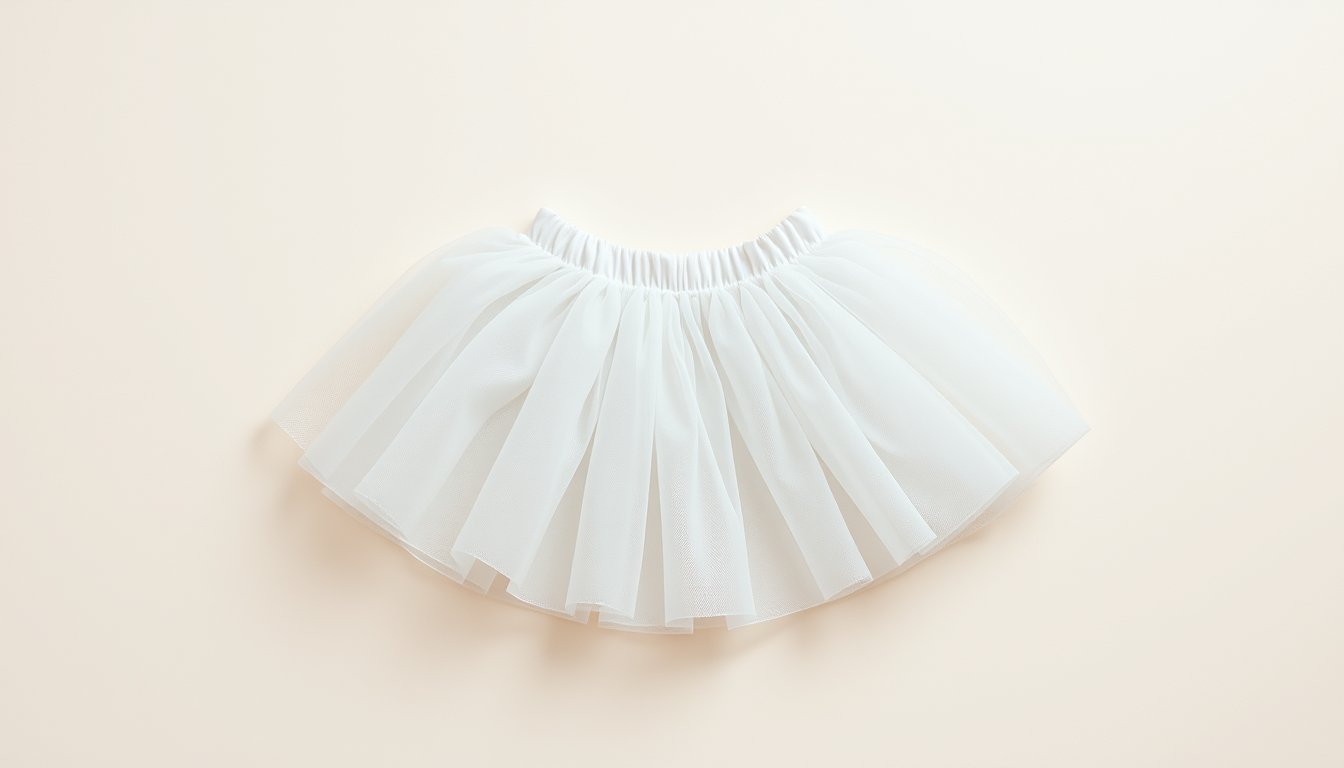
Early Years and Foundation students wear a soft, age-appropriate leotard, usually in a pastel colour specified by the school. A white tutu skirt is often worn over the leotard. Hair should be in a bun. Soft full-sole ballet shoes in pink complete the uniform.

Props used in Early Years and Foundation classes include pom-poms, ribbons and simple hand props. Our Pom-Poms in red, blue and purple are suitable for these classes.

Grades 1-2

Grades 1 and 2 introduce the formal graded examination uniform. The leotard, belt and bow for these grades follow the colour specified by the RAD for each grade level. A matching elastic belt is worn at the waist over the leotard. Soft full-sole pink ballet shoes and pink tights complete the uniform.

Grades 3-5

Grades 3-5 follow the same structure as Grades 1-2 with grade-specific colours for the leotard, belt and bow. The leotard may have a slightly more structured neckline at higher grades. Some schools move students to split-sole shoes from Grade 4 — check with your teacher. Pink tights remain standard.

Grades 6-8

Grades 6-8 introduce a long mesh skirt worn over the leotard, giving a more formal, theatrical appearance. The leotard, belt and bow continue in grade-specific colours. Tights remain pink or skin-tone depending on school preference. Our Senior Grades Set includes the leotard and mesh skirt in one purchase.

Vocational Grades

Vocational students (Intermediate Foundation, Intermediate, Advanced 1, Advanced 2) typically wear a leotard in the grade colour with a belt and bow. The uniform at Vocational level has a more professional appearance — clean lines, minimal decoration and a focus on showing the body’s line clearly. Removable bra pads are included in Vocational sets.

General Uniform Requirements Across All Grades

  • Hair: neat bun, all flyaways secured, bun cover optional but often expected for exams
  • Shoes: soft ballet shoes in pink, appropriate sole type for grade (full or split)
  • Tights: pink or skin-tone footed tights, worn over the leotard
  • Jewellery: stud earrings only, no necklaces or bracelets
  • Nail polish: not permitted for examinations

Where to Buy RAD Uniform

Our shop organises uniform sets by grade level. Each set includes the leotard, belt and bow for the relevant grade. Tights, shoes and bun accessories are sold separately. See our size guide for measuring guidance, and our FAQ for answers to common questions about ordering for an exam.

Posted on

White Tutu Skirt for Early Years Ballet: What Parents Should Know

Short answer: a white tutu skirt is a soft, fluffy skirt worn over a leotard in Early Years ballet classes. It adds fun and helps children feel like ballerinas. Choose a lightweight, elastic-waist skirt that fits snugly at the hips and sits at about the thigh or knee.

What is a tutu skirt for?

In early classes, children learn through play and imagination. A tutu skirt makes the class feel special and encourages children to move gracefully. It is also a gentle way to introduce the idea of a uniform. Many schools use a simple tutu skirt for the youngest dancers and move to a chiffon or wrap skirt at the next level.

How is it different from a stage tutu?

Class tutu skirt Stage tutu
Weight Light and soft Stiff and structured
Waist Elastic Fitted bodice or hook-and-eye
Use Class and play Performances

What should I look for?

  • Soft layers. Soft tulle that does not scratch the skin.
  • Elastic waist. Comfortable and easy for a child to pull on.
  • Light weight. Heavy skirts tire small dancers.
  • Short length. A skirt that sits at the thigh lets the teacher see the legs.
  • Colors. White is the classic choice. Ask the school if it prefers a color.

How should it fit?

The waistband should sit at the natural waist and stay put without leaving a mark. The skirt should not drag on the floor. If the child is between sizes, choose the larger one for a growing child, and check the waist with a finger gap.

How do I care for it?

  1. Spot-clean marks with a damp cloth where possible.
  2. Wash gently by hand, in cool water, or in a mesh bag.
  3. Hang to dry and fluff the layers with your hands.
  4. Store it hung or loosely folded, so the tulle does not flatten.

Do all Early Years classes need a tutu?

No. Some schools ask for a leotard only, and others allow any skirt. Check your uniform list. Our size guide will help you choose the right size.

What is the best way to dress a toddler in a tutu?

Put the leotard and tights on first. Then slip the tutu over the legs and pull it up to the waist, with the elastic sitting at the natural waist. Check the skirt sits evenly all around. For very young dancers, practice at home, so dressing is part of the fun and not a rush before class.

What if the skirt scratches?

  • Choose a skirt with a soft inner lining.
  • Wash it before the first class, as it can soften the net.
  • Make sure the leotard covers the waist so the net does not touch bare skin.
  • Avoid very stiff net for young children.

How do I keep a white skirt clean?

White shows marks easily. Keep it in a clean bag, away from dark items that can transfer dye. Spot-clean marks as soon as possible with a damp cloth and mild soap. If the skirt turns gray, soak it gently in cool water with a little mild soap and rinse well.

Can the skirt be used for performances?

A light class skirt can work for a simple school show, but stage costumes are usually separate. Ask your teacher before the show to find out whether the school provides costumes or asks you to buy a specific one.

Posted on

What to Wear for a Ballet Exam: A Practical Uniform Checklist

Short answer: for a ballet exam most dancers wear the leotard, tights, ballet shoes and hair style their school has chosen for that level, plus an exam number. The exact colors and styles are set by your teacher and the examination board, so confirm them before you buy anything.

Who decides the exam uniform?

Two sources decide it. The examination board publishes dress guidance for each level. Your dance school then chooses the specific leotard color, skirt style and extras it wants its students to wear. If the two ever differ, follow your teacher, who is responsible for entering you for the exam. Uniform rules change from time to time, so always check the current requirements and not last year’s.

We are not affiliated with or endorsed by any examination board. This guide is general advice, not an official rulebook.

What is on the checklist?

Item What to check
Leotard Color and sleeve style set by your school. Short sleeves or camisole straps are the most common.
Skirt Only if your school requires one. Some levels use a light wrap or pull-on skirt, others none.
Tights Ballet pink is the usual choice. Check whether your school wants footed or convertible tights.
Ballet shoes Usually pink, with elastics sewn on, and a good fit with room for the toes to lie flat.
Hair A neat bun, secured off the face and neck. Bring spare pins and a hairnet.
Exam number Candidates are often given a number to wear so the examiner can identify them. Ask the school how it is attached.
Belt Some schools use colored elastic belts to show the level. Confirm with your teacher whether yours does.
Jewelry Usually none, apart from small plain studs if the school allows them.

How do I choose the right size?

Choose by height first and use age only as a rough guide. If the dancer is between sizes, size up, because a leotard that is too tight restricts movement. Our size guide shows height and weight ranges for each style. Try everything on at home a few weeks before the exam so there is time to exchange it.

What should I do the week before?

  1. Wash and check every item, and sew on any loose elastics.
  2. Pack the exam bag the night before: uniform, spare tights, hair pins, hairnet, water and a warm layer.
  3. Practice putting the hair up and attaching the number so nothing is new on the day.
  4. Arrive early, dressed for class under a warm layer, and keep the uniform clean until the exam.

Can I wear last year’s uniform?

If it still fits well and meets this year’s requirements, yes. Check for faded color, stretched elastics and worn feet in the tights. Examiners look for a neat, tidy line, so a crisp uniform helps.

What do examiners notice about the uniform?

Examiners are watching the dancing, not the shopping list, but a neat uniform helps them see the work. A clean, well-fitted leotard shows the line of the back and shoulders. Tights without wrinkles at the knee and ankle show the leg. Shoes that fit properly let the foot work through the floor. When everything is tidy, the dancer looks confident and the examiner can focus on technique.

Common uniform mistakes

  • Buying too late. Order at least four weeks ahead, so there is time to exchange a size.
  • Trying everything on for the first time on the day. A strap that digs in or an elastic that is too long is a distraction.
  • Forgetting spares. A run in the tights is easy to fix when a spare pair is in the bag.
  • Hair that is not secure. Practice the bun and use enough pins and a hairnet so it stays put through the whole exam.
  • Wearing a new pair of shoes. Break shoes in for a few classes so they are comfortable but still look fresh.

A simple exam-day bag list

Pack Why
Uniform in a clean bag Keeps it crisp until you change.
Spare tights and spare shoe elastics Quick fixes without panic.
Hairpins, hair net and hair tie Fix the bun if it moves.
Warm layer and leg warmers Stay warm while waiting.
Water bottle and a small snack Energy before and after.
Exam number and pins Know how it attaches before you arrive.

If you are buying for a child, let them help pack the bag so they know where everything is. It makes the day calmer for everyone.

Posted on

Ballet Class Dress Code: What to Wear for Every Level

Short answer: for ballet class, wear a fitted leotard, ballet tights and ballet shoes, with hair tied neatly away from the face. A light skirt or warm-up layer is often allowed, but loose clothing hides the body line, so teachers usually prefer fitted pieces.

Why is ballet class clothing so fitted?

The teacher needs to see the shoulders, back, hips, knees and feet to give corrections. Loose T-shirts and baggy pants hide those lines. Fitted clothing also moves with the dancer and does not catch on feet or hands.

What is the basic dress code?

Item Basic rule
Leotard Fitted, comfortable, in the color your school asks for.
Tights Ballet pink or the school’s color, with no holes or runs.
Shoes Soft ballet shoes, snug but not tight.
Hair A bun or secure ponytail, off the face and neck.
Skirt Optional at many schools. Light and short enough not to hide the legs.
Warm-ups A wrap top or cardigan and leg warmers for the start of class, taken off once warm.

What should I wear to a first ballet lesson?

Wear what you already have that is closest to the dress code: leggings or tights and a fitted top are fine for a trial class. Ask the school before you buy anything. Most teachers are happy to wait a few weeks before a uniform is required.

What should children wear?

Young children should wear something they can move in and put on themselves where possible. A simple leotard with a light skirt is the usual choice at the youngest levels. Avoid anything scratchy and choose elastic waists and soft seams.

What should adults and teens wear?

Adults and teens follow the same logic: a fitted leotard or top, tights or fitted leggings, and soft shoes. Many adult classes are relaxed about colors, but a fitted line is still helpful for corrections.

What do I do with my hair?

Pull it back firmly into a bun or low ponytail with no loose strands. Short hair can be clipped back. The aim is that hair never covers the face during turns.

Quick tips

  • Label every item with the dancer’s name.
  • Keep a spare pair of tights in the dance bag.
  • Wear warm layers to class and take them off when the body is warm.
  • Check the size guide before ordering and size up if between sizes.

Why do schools set a dress code?

A dress code is not about fashion. It makes classes safer and easier to teach. When everyone wears fitted clothing and secure hair, the teacher can see each dancer’s alignment and correct it quickly. A uniform also helps younger children feel part of a group, and it removes the stress of choosing an outfit each week. For families, a clear list means less guessing and fewer wasted purchases.

What if the school has no strict dress code?

Some adult and community classes are relaxed. In that case, choose comfortable, fitted clothing that lets you move through a full range, such as a leotard or fitted top with leggings or tights. Avoid long loose layers, zippers and anything that hangs over the hands. Even without rules, a neat appearance helps you focus and helps the teacher see you.

How should clothes fit?

  • Leotard: snug on the torso without pinching at the shoulders or legs.
  • Tights: smooth at the ankles and knees, with no sagging at the crotch.
  • Shoes: toes lying flat, with no space at the front and no squeezing at the sides.
  • Layers: close-fitting enough that the teacher can see posture when they are on.

How do I look after the uniform?

Wash leotards and tights on a gentle cycle, in cool water, and let them air dry. Hot dryers can damage elastic, so avoid them. Check ballet shoes for wear and replace them when the sole splits or the elastic stretches. Write the dancer’s name inside every item, because many uniforms look alike in a changing room. Keep a small repair kit in the dance bag with a needle, thread, spare elastic and safety pins.

When should I buy a bigger size?

Children grow quickly. If the leotard strap pulls up when the arms lift, or tights tug at the waist, it is time for the next size. Do not buy several sizes ahead, as a very loose leotard also hides the dancer’s line. A snug fit with a little room to grow is a good guide.

What are good practice clothes for ballet?

Good ballet practice clothes are fitted, stretchy and comfortable: a leotard or fitted top, tights or leggings, and soft ballet shoes. If you practice at home, choose clothes that let you see your posture in the mirror. For clothing for ballet class in general, avoid baggy tops, jeans and anything with zips or hard buttons. See also our guide to where to buy ballet shoes and how to fit them.

Posted on

Ballet Leotard Size Chart: How to Measure and Choose the Right Size

Short answer: choose a ballet leotard by height first, then check the chest and torso measurements on the size chart. If the dancer is between sizes, choose the larger one. A good leotard feels snug and smooth, with no pulling at the shoulders or digging in at the legs.

What should I measure?

You need three numbers. Measure them with a soft tape, over a thin layer of clothing or a leotard the dancer already owns.

Measurement How to take it
Height Stand against a wall with bare feet and mark the top of the head.
Chest Around the fullest part of the chest, under the arms, with the tape level.
Torso length From the top of the shoulder, down the front through the legs, and up the back to the same shoulder point. This is the most important number for long-torso or short-torso dancers.

Many children’s charts use height only. Adult charts usually add chest, waist and hip measurements.

How do I read a size chart?

  1. Find the height range that includes the dancer.
  2. Check the chest measurement against the same row.
  3. If the torso length is given, make sure it is at least the dancer’s measurement.
  4. Where the numbers fall in different sizes, follow the torso length and height first.

Age labels such as “6 to 8” are only a rough guide. Children of the same age can be very different heights.

What if the dancer is between sizes?

Choose the larger size. A leotard that is slightly large still looks neat, while one that is too small pulls on the shoulders and gets worn out faster. If a leotard is going to be worn for an exam, make sure it is not so loose that it wrinkles at the waist.

How should a leotard fit?

  • Shoulders. Straps lie flat and do not slip or dig in.
  • Torso. No wrinkles at the waist and no pulling at the seat when the dancer bends.
  • Legs. The leg openings sit smoothly, without leaving red marks.
  • Movement. The dancer can raise the arms, bend and sit without the leotard riding up.

What about growing children?

Children grow in spurts, so check the fit at the start of each term. Signs it is time for a bigger size are straps that pull up when the arms lift, a seat that creeps up and marks on the shoulders. Avoid buying two sizes ahead, because a very baggy leotard hides the line the teacher wants to see.

Where can I find our size information?

Our size guide lists height and weight ranges for each style. If you are unsure, send us the dancer’s height and weight and we will help you choose.

How do children’s and adult charts differ?

Children’s charts are usually based on height, with age shown as a rough label. This works because children of the same age can vary a lot in height. Adult charts add chest, waist and hip measurements because adult bodies vary more in proportion. If you are buying for a teenager, check which chart the shop uses, since some use children’s sizes and others use adult sizes.

Common sizing mistakes

  • Choosing by age alone. A tall seven-year-old may need an older size.
  • Ignoring torso length. A leotard that is short in the torso pulls up at the shoulders.
  • Buying two sizes up. The fabric bags at the waist and the straps slip.
  • Not allowing for stretch. Different fabrics stretch differently, so check the fabric type on the chart.

A simple fit test at home

  1. Put the leotard on over tights.
  2. Raise both arms above the head. The straps should not pull off the shoulders.
  3. Bend forward and sit down. The seat should stay in place.
  4. Do a few plié bends. The leg openings should not roll or dig in.

If the leotard passes all four steps, the size is right. If any step fails, try the next size and compare.

What if my size is not on the chart?

If the dancer is much taller or shorter than the chart for their age, use height first and check the torso length. Send us the dancer’s height and weight through our contact page, and we will help you choose.