
Posted on

What to Expect at Your Child’s First Ballet Class

What to Expect at Your Child's First Ballet Class

A child’s first ballet class is an exciting milestone, and a little preparation makes the experience smoother for everyone. Most beginner ballet classes for young children are relaxed, creative and fun — but knowing what to expect helps children feel confident and helps parents prepare the right kit, arrive on time and understand what is happening behind the studio door.

Short answer: A child's first ballet class is an exciting milestone, and a little preparation makes the experience smoother for everyone.

What do children do at a first ballet class?

At beginner level — typically Pre-Primary or the equivalent — a first ballet class focuses on movement games, simple actions set to music, and learning how to work together as a group. Children might explore different ways of moving (tiptoeing, skipping, stretching), use a prop like a ribbon or scarf, learn the basic positions of the feet, or follow the teacher in a simple sequence.

There is no pressure to get steps right from day one. The focus is on making class fun, building confidence, and establishing the basic habits — listening to music, working in a group, following instruction — that underpin all future ballet training.

How long is a beginners’ ballet class?

First ballet classes for the youngest students (ages three to five) typically run for 30 to 45 minutes. This is shorter than the one-hour or 90-minute classes common for older students, because young children’s concentration spans are shorter and the activities are more physically demanding relative to their size. As children progress through the grades, class lengths increase gradually.

Should parents stay during the class?

Most studios ask parents to wait outside the studio for the duration of class, particularly from age four or five upward. Children often settle and focus better when parents are not in the room — the same effect seen in school drop-offs. Some studios have a viewing window where parents can observe quietly; others prefer that parents wait in the reception or hallway. For very young children (aged two to three), some parent-and-toddler ballet classes involve parents participating alongside the child.

What should your child wear on the first day?

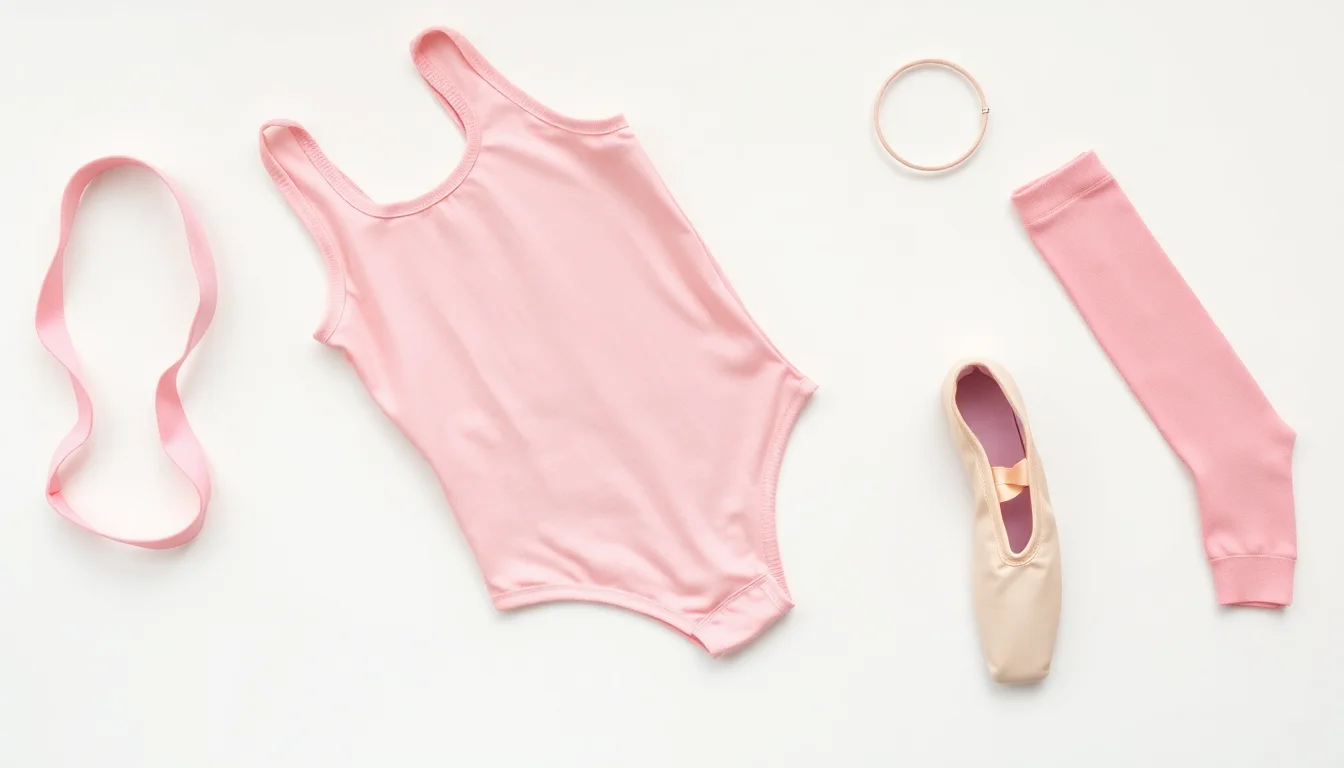
Wearing the proper class uniform from day one is always a good idea — it helps the child feel like a dancer and establishes the habit early. At minimum, the child needs a leotard in the school’s specified colour, pink ballet tights, and soft ballet shoes. Hair should be up and secured before arriving at the studio. If the school has not yet specified a leotard colour, a simple pink leotard and pink tights is the safe default for most beginner classes. Bring a small bag with the child’s name on it containing a water bottle, spare hair pins, and any changing items needed.

Frequently Asked Questions

Should I stay to watch my child's first ballet class?

Most schools ask parents to wait outside the studio for regular classes. Watching through the door can distract young children. Some schools have a window or a designated viewing spot — follow the school's policy rather than assuming you can observe.

What if my child is upset at their first ballet class?

This is very common. Let the teacher handle it — experienced ballet teachers are skilled at settling nervous or shy children. If the child continues to be very distressed after a few classes, discuss it with the teacher rather than pushing through.

Does a child need to know any ballet before their first class?

No preparation is needed. A beginner class starts from scratch. The teacher will introduce everything step by step. The only preparation needed is having the correct uniform and arriving a few minutes early so the child can settle.
Posted on

What Age to Start Ballet Classes: A Guide for Parents

What Age to Start Ballet Classes: A Guide for Parents

Most children can start ballet from the age of three, though the ideal starting age depends more on the child’s readiness than on a fixed number. Early ballet classes for three- to five-year-olds focus on movement, imagination, and learning how to work in a group — not on formal technique. Many dance schools offer introductory classes from age two and a half, but three is the most common starting point for structured beginners’ programmes.

Short answer: Most children can start ballet from the age of three, though the ideal starting age depends more on the child's readiness than on a fixed number.

What happens in a ballet class for three to five year olds?

At the youngest level — often called Creative Movement, Baby Ballet or RAD Pre-Primary in Dance — classes are built around music, games, and imaginative movement. Children might pretend to be butterflies, use scarves and ribbons as props, learn simple positions of the feet, and practise listening to music and moving together as a group. The focus is on enjoyment, coordination and building the habit of coming to class, not on achieving a perfect arabesque.

Classes are usually 30 to 45 minutes long, shorter than older students’ sessions, to match the attention spans of young children.

When does formal ballet technique begin?

Structured ballet technique — barre exercises, centre work, and learning named steps — typically begins at around five to seven years old, which corresponds to RAD Primary grade. At this point children are expected to follow instructions, remember sequences, and work with greater concentration. Most good dance schools move children into graded classes when their teacher feels they are ready, rather than by age alone.

Is it too late to start ballet at age six, eight or ten?

No. Children who begin ballet at six, seven or eight years old can still reach a very high level if they enjoy it and train consistently. Many professional dancers did not start until they were seven or eight. The very early classes (ages three to five) are primarily about building a love of movement and basic body awareness — most of what is learned formally begins at Primary level anyway. A child starting at seven is not significantly behind one who started at three in terms of technical development.

How do you know if your child is ready for ballet?

Signs that a child is ready for their first ballet class include an ability to follow simple instructions, a willingness to separate from parents for the length of the class, and an interest in music and movement. Children do not need to be particularly flexible, coordinated or outgoing to start — ballet classes teach all of these things. Many schools offer trial classes before enrolment. A trial is the best way to see whether your child enjoys the environment and whether the teacher is a good fit.

Frequently Asked Questions

What is the ideal age to start ballet for a child?

Three is the most common starting age for structured ballet classes, though many schools offer movement classes from age two and a half. The priority at this age is fun, coordination and learning to follow group instructions — not formal technique.

Is it too late to start ballet at age ten?

Ten is not too late for a child who has never danced before. They will progress through the grades quickly because their body control and concentration are better than a three-year-old's. Many professional ballet dancers started between age seven and ten.

What should a three-year-old be expected to do in a ballet class?

At three, the class should focus on simple movement games, following along with the teacher, basic positions and moving to music. There is no expectation of technical precision. The goal is to enjoy the experience and begin listening to a teacher.