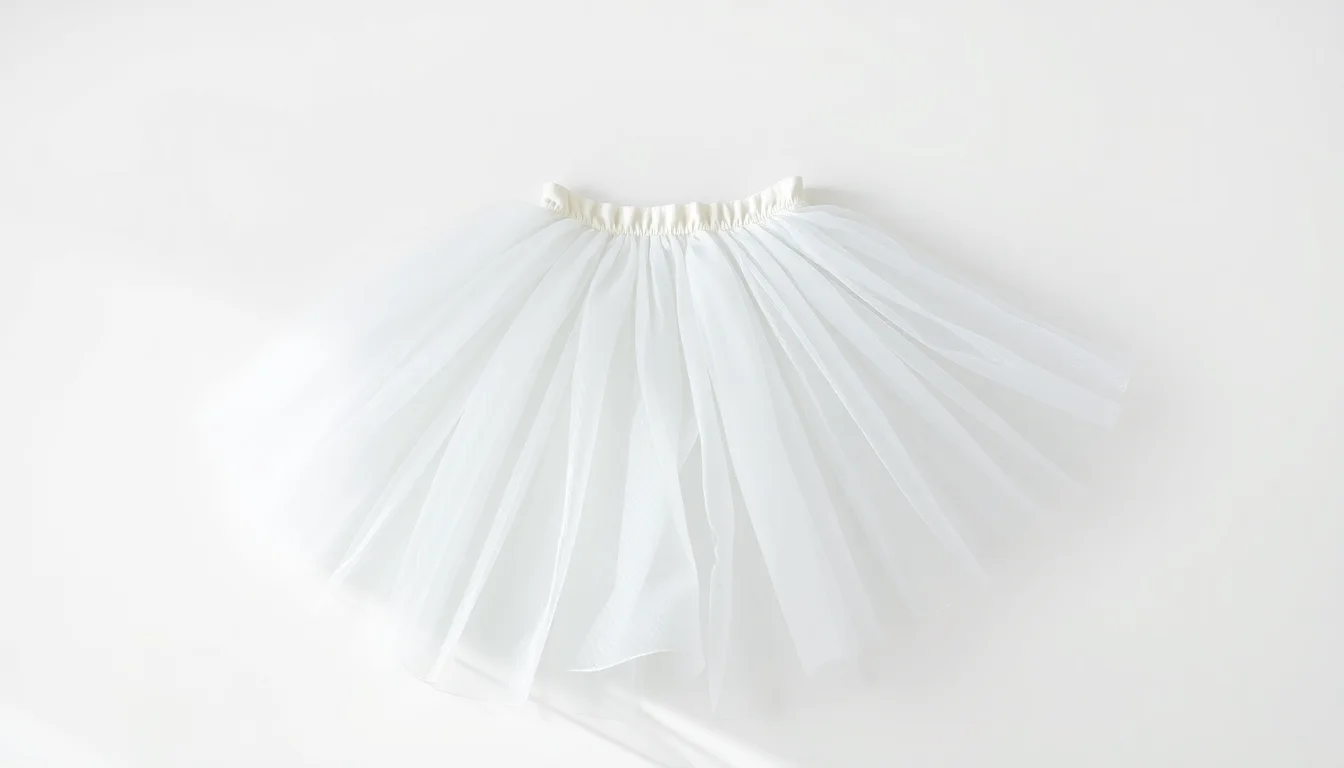
Short answer: What Is a Romantic Tutu? The romantic tutu is a long, soft ballet skirt made from multiple layers of tulle or organza that falls to the calf or ankle.
What Is a Romantic Tutu?
The romantic tutu is a long, soft ballet skirt made from multiple layers of tulle or organza that falls to the calf or ankle. It is the earliest style of ballet tutu and is associated with the Romantic era of the early 19th century — a period in ballet history defined by supernatural themes, ghostly heroines, and an emphasis on ethereal femininity.
Unlike the stiff, flat classical tutu most people picture when they think of ballet, the romantic tutu flows and moves with the dancer, creating a cloud-like silhouette that is simultaneously structured and weightless.
The History of the Romantic Tutu
The romantic tutu emerged in Paris in the 1820s and 1830s as ballet shifted away from elaborate court spectacle toward emotional storytelling. The new style demanded costumes that could suggest the supernatural — sylphs, ghosts, water spirits, and fairies. The long, soft skirt was perfect: it gave the illusion of a dancer who barely touched the ground, floating rather than walking.
The Italian ballerina Marie Taglioni is closely associated with the romantic tutu’s rise. Her performances in La Sylphide (Paris, 1832) established the romantic style that swept European ballet and made the tutu’s soft, bell-shaped silhouette iconic. Shortly after, Carlotta Grisi wore a similar tutu in the original production of Giselle (Paris, 1841), cementing the romantic tutu’s place in ballet history.
How the Romantic Tutu Is Made
A romantic tutu is constructed from:
- Multiple layers of tulle, organza, or silk: Typically eight to twelve layers, each cut slightly longer than the one below to create depth and movement
- A fitted bodice: Attached directly to the skirt in performance versions, creating an all-in-one garment
- A pale colour palette: White is most traditional; soft pastels (pale blue, lavender, blush pink) are also used for specific productions
The skirt is not boned or wired — it hangs naturally from the waist, which is what gives it its characteristic softness and flow.
Romantic Tutu vs Classical Tutu: The Key Differences
| Feature | Romantic Tutu | Classical (Pancake) Tutu |
|---|---|---|
| Length | Calf to ankle | Very short — projects horizontally from the hips |
| Fabric | Soft tulle or organza | Stiff net, boned or wired |
| Shape | Flowing, bell-shaped | Flat, circular, pancake |
| Era | Romantic (1830s–1840s) | Imperial Russian (1890s onward) |
| Purpose | Suggests ethereal, supernatural quality | Showcases leg lines and footwork |
| Example ballets | La Sylphide, Giselle | Swan Lake, Sleeping Beauty, Nutcracker |
When Is the Romantic Tutu Worn Today?
The romantic tutu remains in active use in the repertoire of ballet companies worldwide. It is worn in productions of:
- La Sylphide (1832) — the defining romantic ballet, still performed regularly
- Giselle (1841) — one of the most performed ballets in the world
- Some productions of Les Sylphides (1909) — Fokine’s plotless homage to the Romantic era
- Various contemporary works that reference or reinterpret the Romantic period
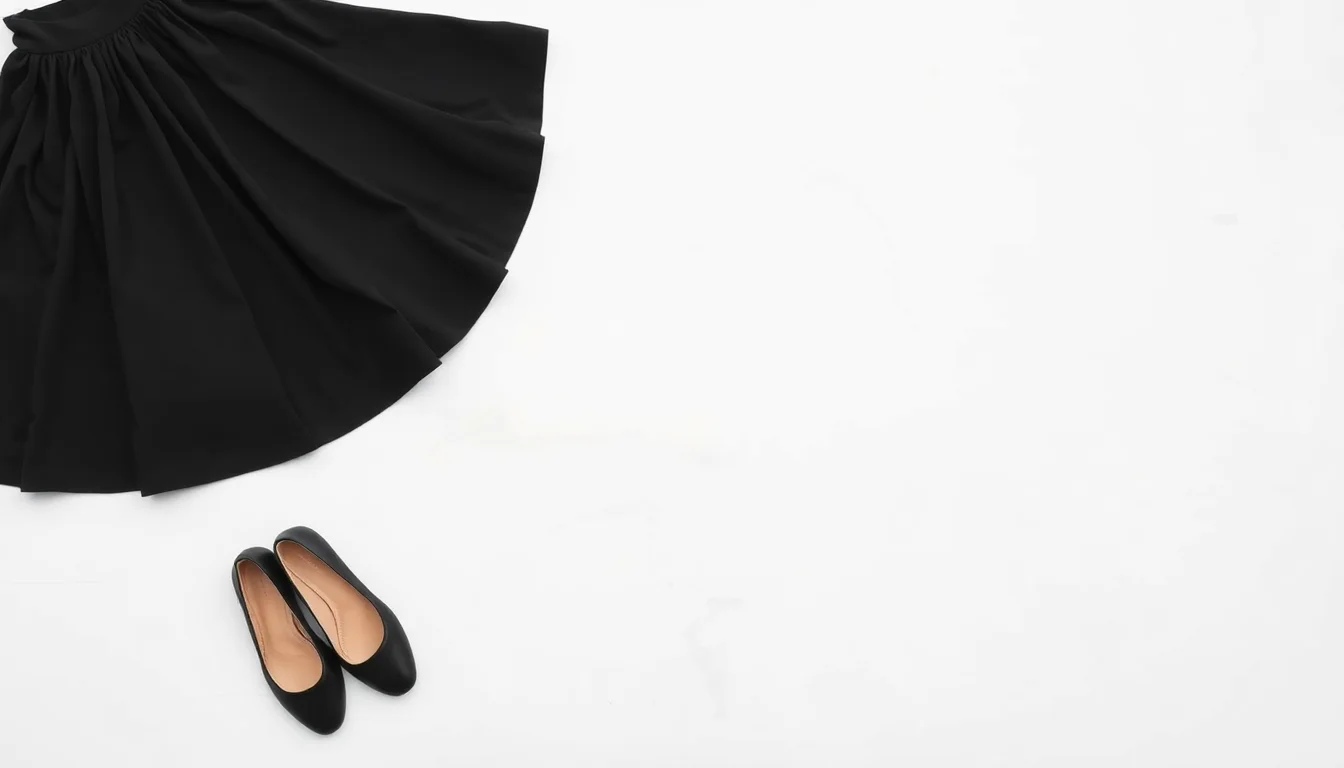
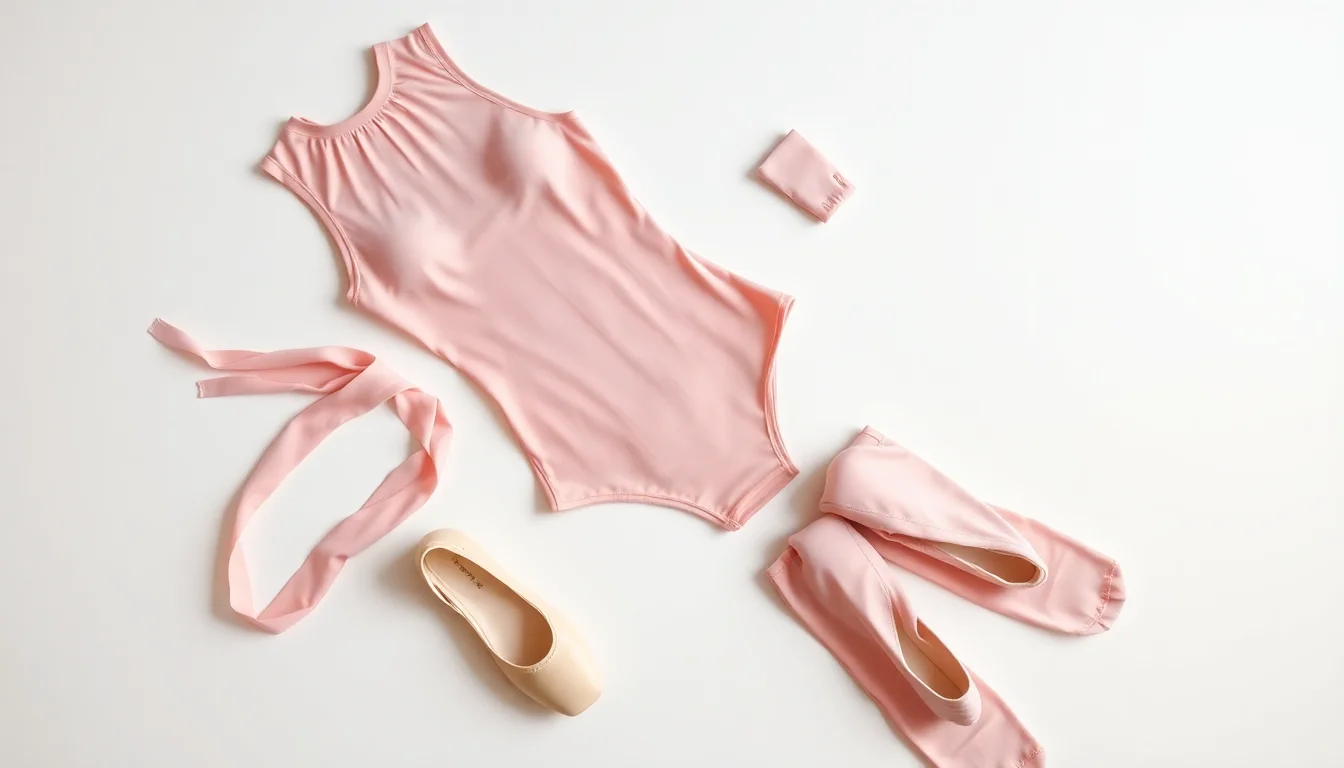
For student performances and shows, a simpler version of the romantic tutu silhouette is achieved with a longer chiffon or organza ballet skirt over the leotard.
The Romantic Tutu and Pointe Work
Interestingly, the romantic tutu and the pointe shoe emerged at roughly the same time in the 1820s–1830s. Both developments served the same artistic purpose: to make the ballerina appear to float above the ground. The romantic tutu’s soft, floor-length layers obscure the feet, which means the dancer’s pointe work must be exceptionally precise — the footwork is heard but not always clearly seen.
Shop from Zoe Dancewear
Frequently Asked Questions
What is a romantic tutu?
A romantic tutu is a long, soft ballet skirt made from multiple layers of tulle or organza, falling to the calf or ankle. It is associated with the Romantic era of ballet in the 1830s–1840s and is worn in ballets such as La Sylphide and Giselle.
What is the difference between a romantic and classical tutu?
A romantic tutu is long, soft, and flows from the waist. A classical (pancake) tutu is short, stiff, and projects horizontally from the hips. The romantic tutu creates an ethereal silhouette; the classical tutu showcases the dancer’s leg lines and footwork.
Who created the romantic tutu?
The romantic tutu developed gradually in Paris in the 1820s–1830s. It is most closely associated with the choreographer Filippo Taglioni and his daughter Marie Taglioni, whose performances in La Sylphide (1832) made the soft, flowing tutu silhouette iconic.
Why is it called a romantic tutu?
It is called a romantic tutu because it emerged during the Romantic era of art and literature — a period that prized emotion, nature, and the supernatural over the formal rationalism of the previous century. The soft, flowing skirt perfectly embodied the aesthetic of this era.
Is the romantic tutu still used in ballet today?
Yes. La Sylphide and Giselle, the two great Romantic-era ballets, are still regularly performed by companies worldwide. The romantic tutu remains an essential part of the classical ballet costume repertoire.