
Posted on

New Ballet Student Starter Kit: What to Buy Before the First Term

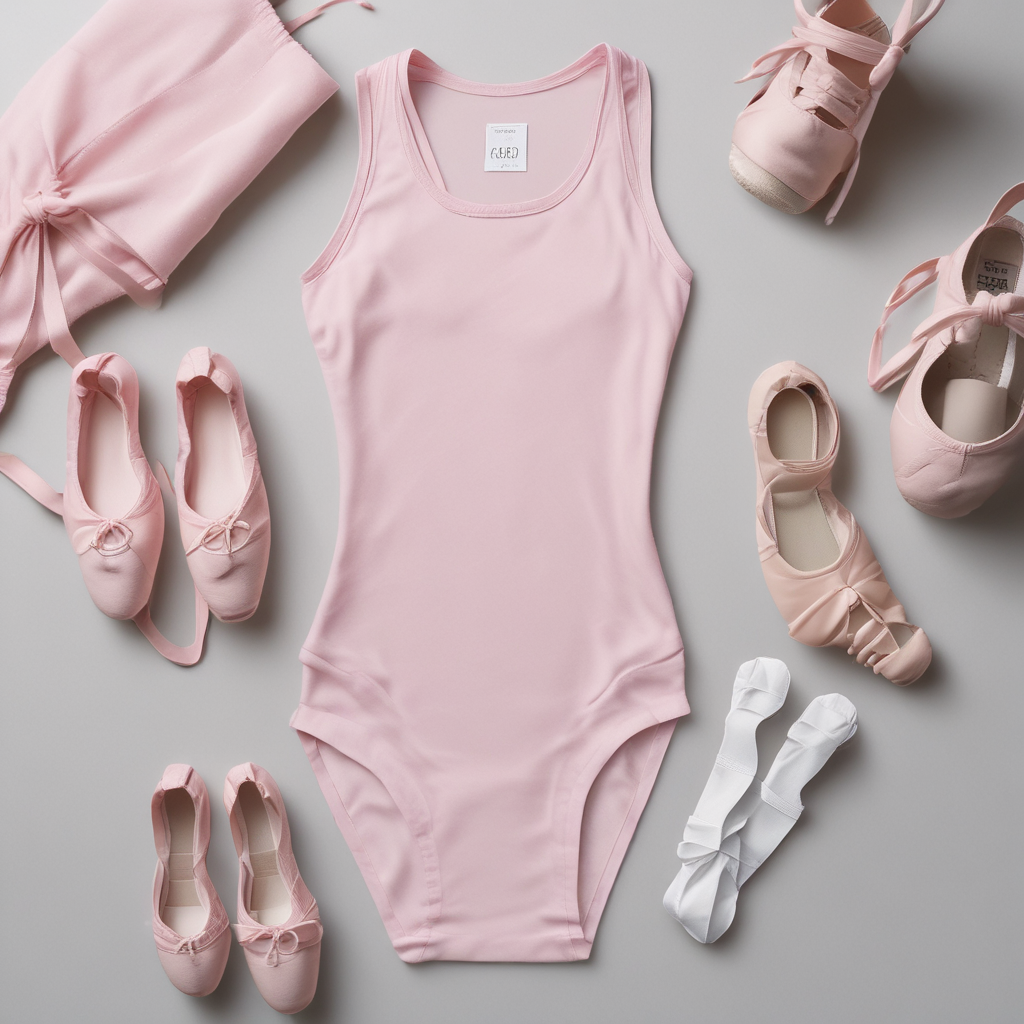
New ballet student starter kit – pink leotard, tights and ballet shoes for beginners

Your child has a place at a ballet school and the term starts in a few weeks. If you have never bought ballet uniform before, it can be difficult to know where to start: what is essential, what can wait, and what the teacher actually cares about versus what is optional. This guide breaks it down clearly.

The Non-Negotiable Starter Essentials

Before the first class, every new ballet student needs three things:

  1. A leotard in the school’s required colour — the teacher should tell you this before term starts. Do not buy a leotard before you know the colour.
  2. Ballet tights in the correct colour — almost always pink for Pre-Primary and Primary; check with the school.
  3. Ballet shoes in the correct style — almost always pink canvas full-sole for beginners. The school may specify a particular brand.

These three items are what every teacher will check on the first day. Everything else — warm-up clothes, bags, accessories — can follow in the first few weeks.

Choosing the Right Ballet Shoes for a Beginner

For very young beginners (Pre-Primary, aged 4–6), a pink canvas full-sole ballet shoe is the standard. The full sole provides more structure and is better for developing feet than a split sole, which is designed for more advanced students.

Ballet shoes should fit snugly but not tightly. The toe should not curl, but there should be no more than a small amount of growing room (1–1.5cm maximum). Overly large shoes are a common buying mistake — they cause tripping, slide off during class, and make it harder for the teacher to see foot placement.

If possible, have ballet shoes fitted in-person at a specialist dance shop. If ordering online, use the brand’s size guide and measure the child’s foot in centimetres rather than relying on standard shoe size conversions.

The Leotard: What to Look For

Ballet leotards for young children should be:

  • The correct colour as specified by the school
  • A comfortable, close-fitting style without excessive decoration
  • Made from a fabric with enough stretch for full range of movement (nylon-lycra blend is standard)
  • The right size — not sized up for growing room, as a baggy leotard looks untidy

For Pre-Primary and Primary students, a simple tank-top or short-sleeve style is usual. If the teacher does not specify the sleeve style, a simple tank in the correct colour is safe.

Tights: What to Buy

Pink full-footed tights are the standard starter purchase. Buy two pairs — one to wear and one spare. Ballet tights ladder, snag and wear out, and having a backup means class is not disrupted by a wardrobe emergency.

Size tights by height, not age. If your child is between sizes, go up one size.

What Can Wait: Second Month Additions

These items are useful but not essential for the very first class:

  • Warm-up clothes: A ballet cardigan or wrap sweater for keeping warm before class and during breaks.
  • Ballet bag: A small tote or backpack for carrying uniform to and from school. Any bag works initially.
  • Hair accessories: For the first few classes, a plain hair tie and a few kirby grips to secure a bun are enough.

What Not to Buy Yet

  • Pointe shoes: Pointe work begins only when a teacher assesses the student as physically and technically ready, typically no earlier than age 11 and after several years of consistent training. Never buy pointe shoes speculatively.
  • Character shoes: Required at some grade levels but not for beginners. Wait until the teacher says they are needed.
  • Multiple leotards in different colours: Buy the required colour for the current grade only.

A Realistic Budget for a New Starter

A complete starter kit — leotard, tights (two pairs) and ballet shoes — typically costs between £25 and £60 depending on brand and where you buy. Buying online from a specialist ballet retailer is often more economical than a high street dance shop, and the quality is comparable when you buy from a reputable supplier.

Frequently Asked Questions

Do I need to buy the exact brand the school recommends?

Sometimes. Some schools have agreements with specific suppliers or recommend a particular brand for consistency, especially for shoes. If the school specifies a brand, follow the guidance. For leotards and tights, most schools are more flexible as long as the colour and style are correct.

How quickly do young children outgrow ballet uniform?

Very quickly. Leotards and tights for children aged 4–8 may need replacing every 6–12 months. Ballet shoes often need replacing every term or two during growth spurts. Buy the correct size now and plan to replace rather than buying larger to save money — oversized uniform looks untidy and affects how the teacher can assess technique.

Can I buy second-hand ballet uniform?

Yes, for leotards and warm-up clothes. For ballet shoes, second-hand is generally not recommended — worn shoes mould to the previous wearer’s foot and may not support your child’s foot correctly. Tights should not be purchased second-hand for hygiene reasons.

Should I wash ballet uniform before the first wear?

Yes. Wash leotards and tights before first use to remove any manufacturing residue. Wash at 30°C on a gentle cycle and air dry. Do not tumble dry.
Posted on

What to Expect at Your Child’s First Ballet Class

What to Expect at Your Child's First Ballet Class

A child’s first ballet class is an exciting milestone, and a little preparation makes the experience smoother for everyone. Most beginner ballet classes for young children are relaxed, creative and fun — but knowing what to expect helps children feel confident and helps parents prepare the right kit, arrive on time and understand what is happening behind the studio door.

Short answer: A child's first ballet class is an exciting milestone, and a little preparation makes the experience smoother for everyone.

What do children do at a first ballet class?

At beginner level — typically Pre-Primary or the equivalent — a first ballet class focuses on movement games, simple actions set to music, and learning how to work together as a group. Children might explore different ways of moving (tiptoeing, skipping, stretching), use a prop like a ribbon or scarf, learn the basic positions of the feet, or follow the teacher in a simple sequence.

There is no pressure to get steps right from day one. The focus is on making class fun, building confidence, and establishing the basic habits — listening to music, working in a group, following instruction — that underpin all future ballet training.

How long is a beginners’ ballet class?

First ballet classes for the youngest students (ages three to five) typically run for 30 to 45 minutes. This is shorter than the one-hour or 90-minute classes common for older students, because young children’s concentration spans are shorter and the activities are more physically demanding relative to their size. As children progress through the grades, class lengths increase gradually.

Should parents stay during the class?

Most studios ask parents to wait outside the studio for the duration of class, particularly from age four or five upward. Children often settle and focus better when parents are not in the room — the same effect seen in school drop-offs. Some studios have a viewing window where parents can observe quietly; others prefer that parents wait in the reception or hallway. For very young children (aged two to three), some parent-and-toddler ballet classes involve parents participating alongside the child.

What should your child wear on the first day?

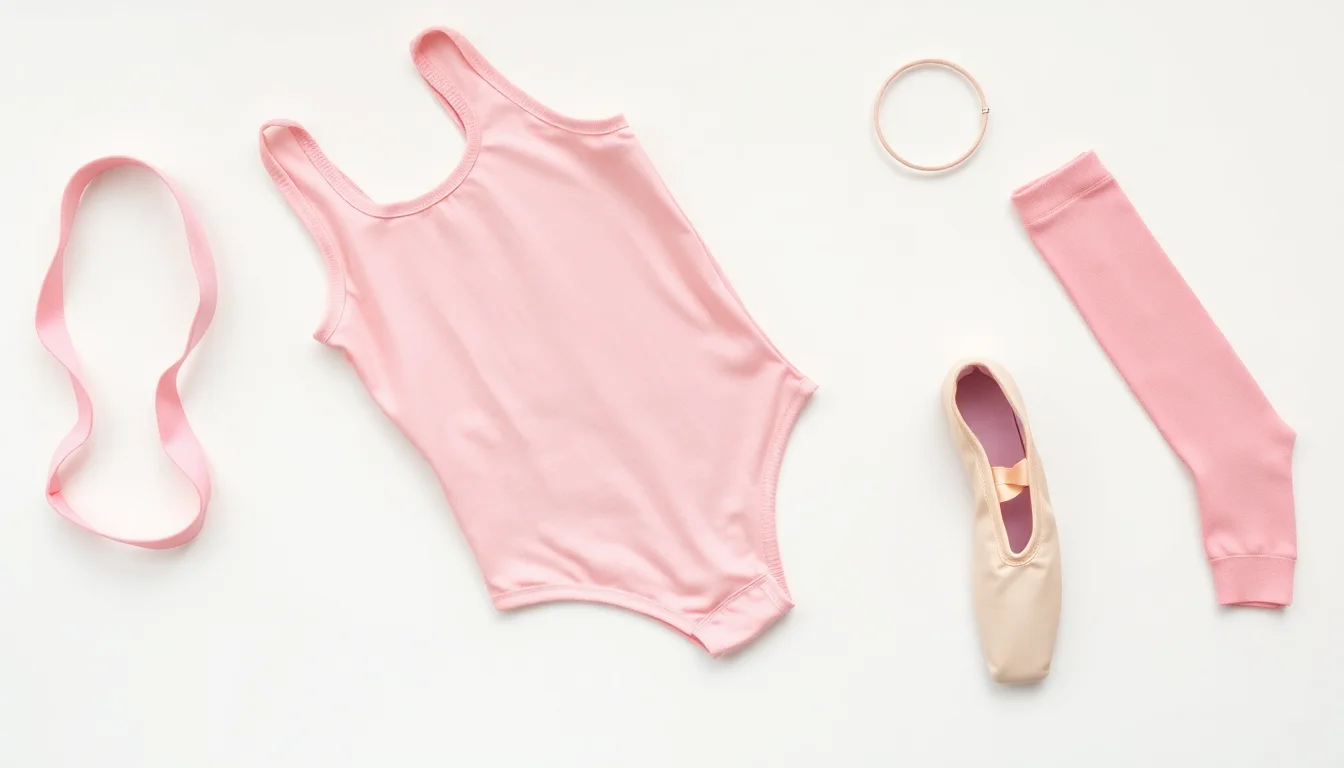
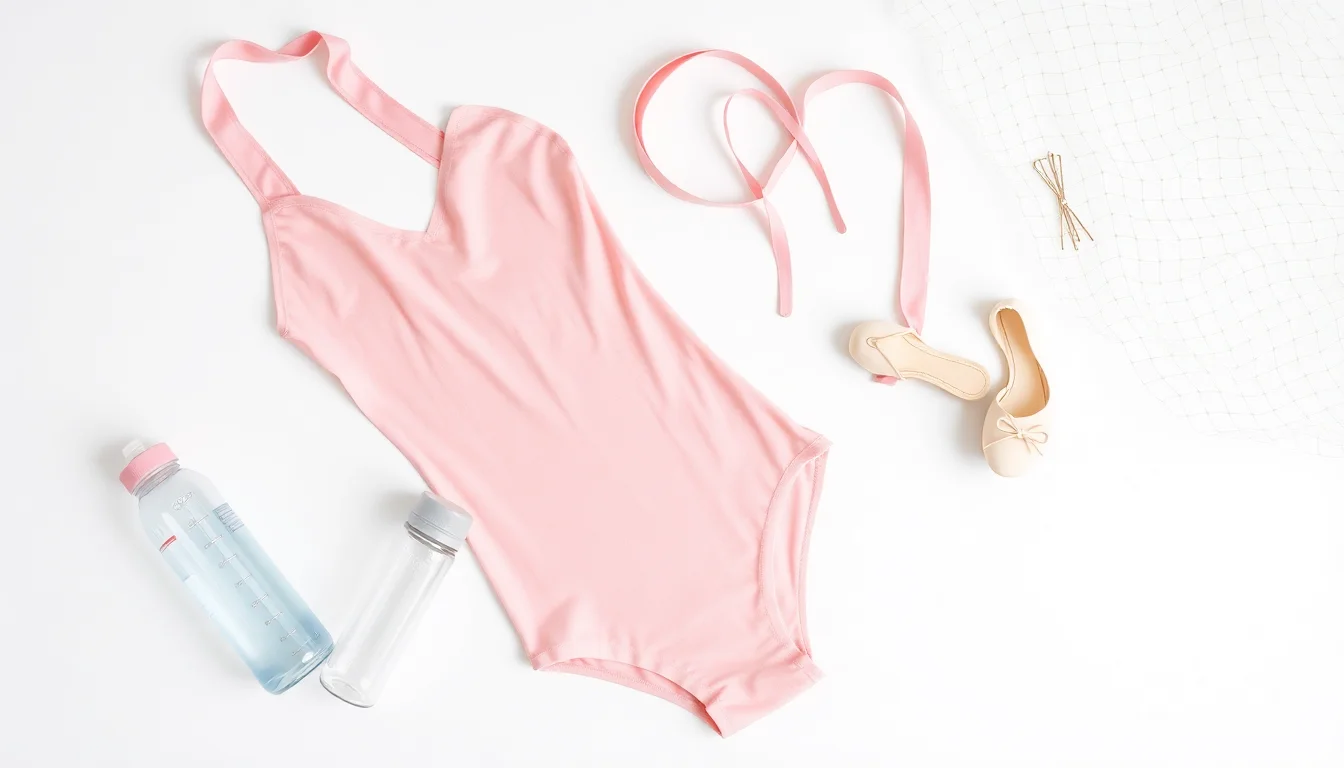
Wearing the proper class uniform from day one is always a good idea — it helps the child feel like a dancer and establishes the habit early. At minimum, the child needs a leotard in the school’s specified colour, pink ballet tights, and soft ballet shoes. Hair should be up and secured before arriving at the studio. If the school has not yet specified a leotard colour, a simple pink leotard and pink tights is the safe default for most beginner classes. Bring a small bag with the child’s name on it containing a water bottle, spare hair pins, and any changing items needed.

Frequently Asked Questions

Should I stay to watch my child's first ballet class?

Most schools ask parents to wait outside the studio for regular classes. Watching through the door can distract young children. Some schools have a window or a designated viewing spot — follow the school's policy rather than assuming you can observe.

What if my child is upset at their first ballet class?

This is very common. Let the teacher handle it — experienced ballet teachers are skilled at settling nervous or shy children. If the child continues to be very distressed after a few classes, discuss it with the teacher rather than pushing through.

Does a child need to know any ballet before their first class?

No preparation is needed. A beginner class starts from scratch. The teacher will introduce everything step by step. The only preparation needed is having the correct uniform and arriving a few minutes early so the child can settle.

Posted on

Ballet Class Etiquette: Rules for Students and Parents

Ballet Class Etiquette: Rules for Students and Parents

Ballet classes follow traditions and conventions that help students focus, respect the teacher, and make the most of their time in the studio. These are not arbitrary rules — they reflect the discipline that is central to ballet as an art form. Understanding them before a child’s first class makes the experience smoother for everyone.

Short answer: Ballet classes follow traditions and conventions that help students focus, respect the teacher, and make the most of their time in the studio.

Arrival and preparation

Students should arrive at the studio with enough time to change, put on shoes, and prepare before class begins — usually ten to fifteen minutes early. Arriving late disrupts the warm-up and the other students, and many teachers will ask a late student to observe rather than join class midway through.

Hair must be up and secured before entering the studio, shoes must be on and tied, and all clothing should be in order. The transition from street clothes to dance clothes is part of the preparation mindset for class.

Behaviour inside the studio

Students stand quietly at the barre or in their place while waiting for the teacher to begin. Chatting with friends during class is discouraged. When the teacher speaks or demonstrates, students stop what they are doing and pay full attention. Mobile phones are left in the changing room and must not be used during class. Food and drinks other than water in a closed bottle are not permitted in the studio.

Respecting the teacher and classmates

In ballet, it is traditional to acknowledge the teacher at the start and end of class with a bow or curtsey. This signals that the class is beginning or ending and is part of the professional culture of dance. Students address teachers by their given name or as “Miss” or “Mister”, depending on the school’s convention.

More experienced students are given precedence in certain situations, such as crossing the floor. Less experienced dancers wait for their turn. Watching and learning from older students when given the opportunity is encouraged.

What is expected of parents?

Parents should not enter the studio during class unless invited. Coaching from the doorway or calling instructions to a child during class undermines the teacher’s authority and distracts the students. End-of-term performances and observation days are the correct moments for parents to see their child in class. Outside of these, the best thing a parent can do is arrive on time, ensure the child is dressed correctly, and collect them promptly afterwards.

Frequently Asked Questions

Why do ballet students curtsy or bow at the end of class?

The reverence (curtsy or bow) at the end of class is a tradition that teaches students to respect the art form, the teacher and the pianist. It marks the formal end of the lesson and acknowledges the teacher's time.

Can parents watch a ballet class?

Many schools have viewing days a few times per year, but parents are usually not in the studio during regular classes. Observing can distract children and inhibit their learning. Check the school's policy — some schools have observation windows.

What should a student do if they arrive late to ballet class?

A late student should wait at the door until the teacher acknowledges them and signals that it is acceptable to enter. Walking in during an exercise is disruptive. Most schools ask late students to warm up briefly at the back of the room before joining the class.