
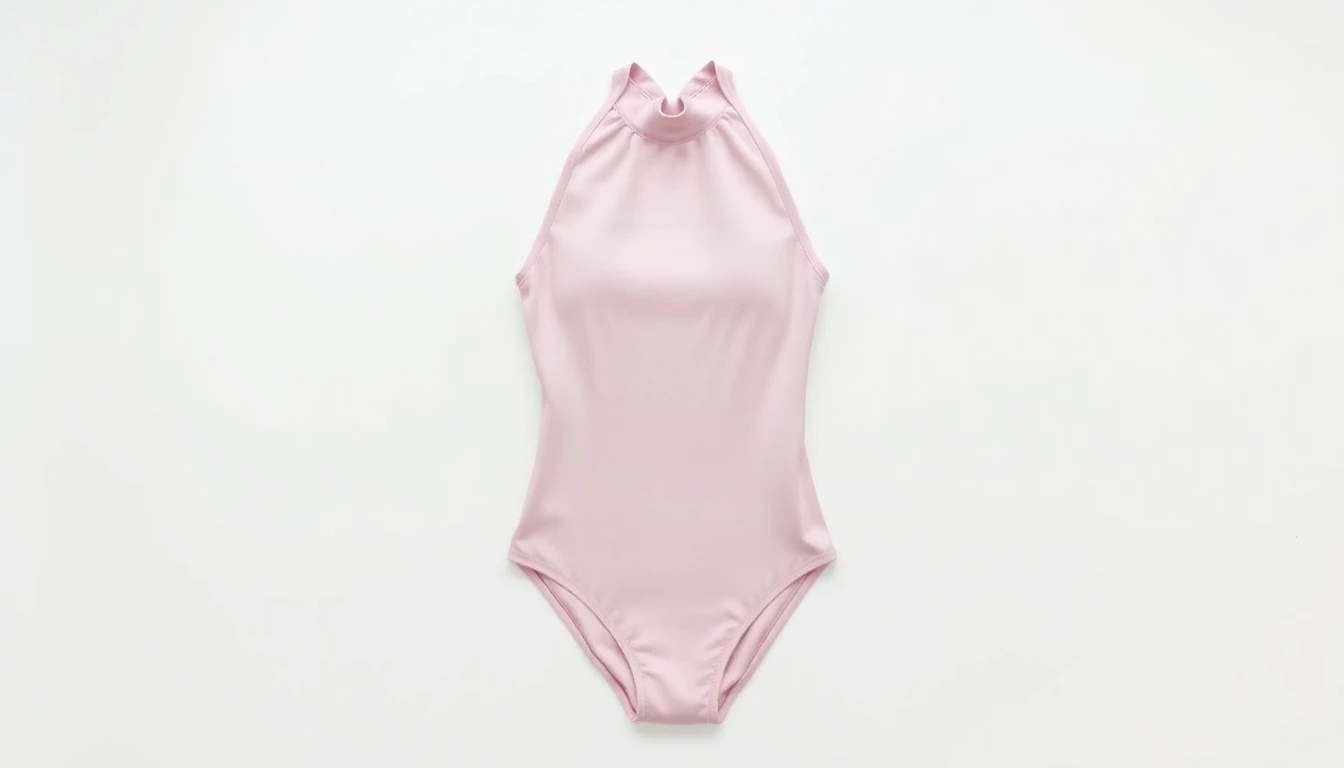
A high neck ballet leotard features a neckline that sits higher on the chest than a standard scoop neck or sweetheart design — typically covering the collarbone and sometimes as high as the base of the throat. This style has become increasingly popular in both studio and performance settings, offering a sleek silhouette with more coverage. The RAD’s updated guidance acknowledges that some students may prefer this style for reasons of modesty or personal preference.
Short answer: A high neck ballet leotard features a neckline that sits higher on the chest than a standard scoop neck or sweetheart design — typically covering the collarbone and sometimes as high as the base…
What is a high neck leotard?
High neck leotards come in several variations: a crew neck that sits just below the throat, a turtleneck that folds over, and a mock-neck style. In the context of ballet, the most common high neck design is a crew neck or raised scoop — covering the chest and collarbone while remaining fitted and unobstructed at the shoulders and arms. Some high neck leotards also feature long sleeves, combining maximum coverage with a structured look.
Can a high neck leotard be worn for RAD examinations?
The RAD’s current policy acknowledges that alternatives to the traditional leotard design may be worn where students prefer more coverage, provided the overall colour and modest, neat appearance are maintained. A high neck leotard in the correct grade colour is generally acceptable. However, individual schools and teachers may have their own uniform requirements that specify a particular neckline — always check with your teacher before purchasing a high neck style for exam use.
If the school’s uniform list specifies a particular model or brand of leotard, follow that guidance even if a high neck style would otherwise be permitted.
Is a high neck leotard suitable for beginners?
Yes. High neck leotards are available in children’s sizes from the beginner level upward. For young students, a high neck design with short sleeves offers excellent coverage and is unlikely to slip during class. The neckline does not restrict movement in ballet — port de bras, head movements and epaulement are all performed without restriction in a well-fitted high neck design.
How does a high neck leotard affect fit and sizing?
The neckline should sit comfortably against the skin without pulling down during shoulder movements or pinching at the throat. When trying on a high neck leotard, raise both arms above the head and turn the head side to side to check that the neckline stays in position and does not feel restrictive. The rest of the leotard — chest, waist and girth — should be measured and sized in the same way as any other style.
Shop from Zoe Dancewear
Frequently Asked Questions
Can a student wear a high-neck leotard for RAD exams?
Most RAD schools accept a high-neck leotard in the correct grade color. The RAD has acknowledged that some students prefer higher coverage for modesty or personal preference. Check with your teacher to confirm the school's position.
Are high-neck leotards appropriate for young children?
Yes — high-neck styles are often popular with younger children as they provide more coverage and some children find them more comfortable. The key criterion is the correct color for the grade, not the neckline style.
Do high-neck leotards show the shoulder line as clearly as scoop necks?
The shoulder line and upper arm are still clearly visible in most high-neck styles. The high front panel is the main coverage difference. For the teacher's purpose of seeing posture, the back and shoulder blade area is what matters most, and this is fully visible in a high-neck style.