
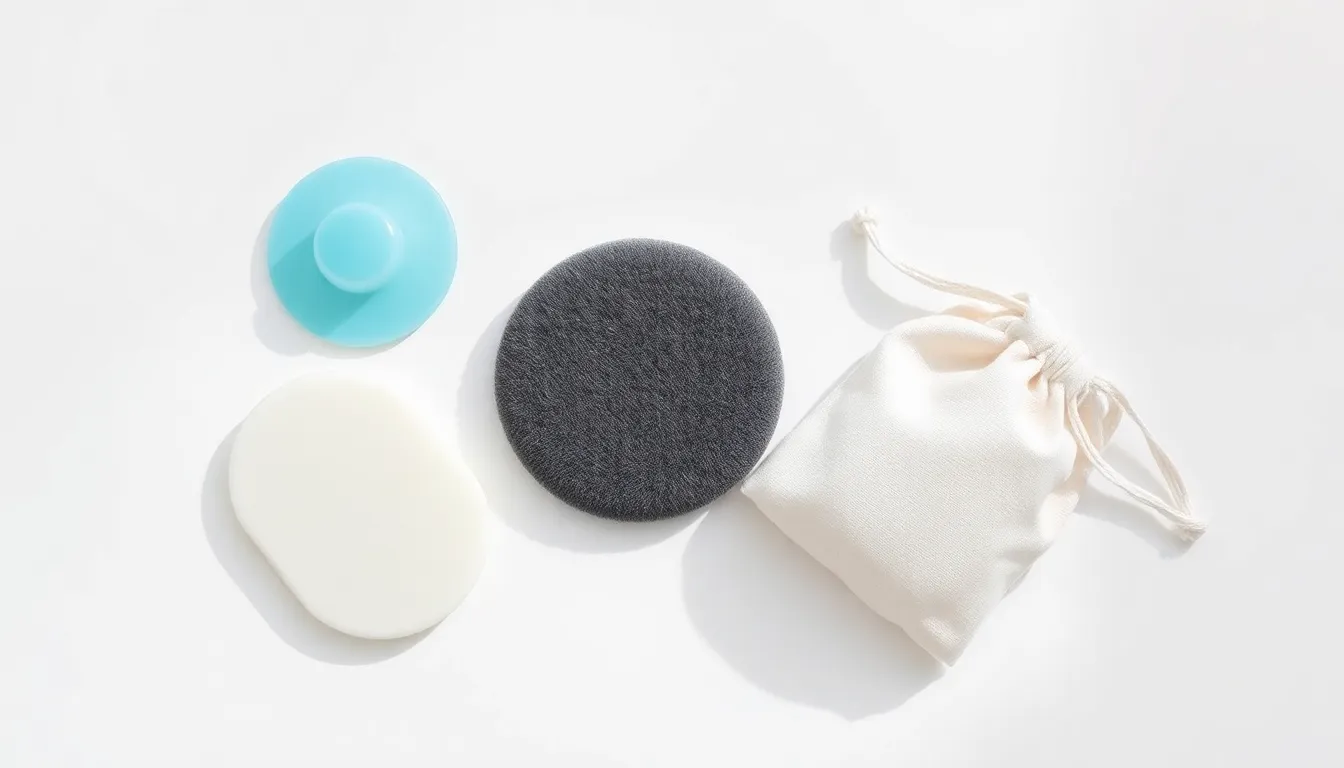
Toe pads and ouch pouches sit between your toes and the inside of the pointe shoe box to cushion the pressure of dancing en pointe. Without protection, the hard box presses directly against the tips of the toes and the skin at the nail bed, causing blisters, bruising and nail damage. Choosing the right type of pad for your foot shape and shoe makes a significant difference to both comfort and technique.
Types of Toe Protection for Pointe Shoes
The main types are: gel toe caps (a soft silicone sleeve that covers one or more toes), ouch pouches (a small fabric or gel pouch that the toes sit inside), lambswool (natural wool that is moulded around the toes), and foam or fabric pads (flat half-moon shaped pads that sit under the toes). Each type has different thickness, weight and feel — all of which affect how the foot sits in the shoe.
Gel Toe Caps and Ouch Pouches: Pros and Cons
Gel toe caps are individual sleeves made from silicone gel. They are reusable, easy to clean and provide even cushioning across the tip of the toe. They suit dancers with prominent big toes or sensitive nail beds. Ouch pouches are small fabric or neoprene pouches lined with gel that hold all the toes together inside the box. They are quick to put on and give good all-round cushioning, making them popular with beginners and students in regular class. Both types add a small amount of bulk to the toe box, so the shoe must be fitted with them in place.
Lambswool: The Traditional Choice
Lambswool is the oldest form of pointe shoe padding and is still used by many professional dancers. A small amount of natural wool is teased out, wrapped around the toes and moulded into shape. It is very thin — it adds almost no bulk to the box — and compresses to the exact shape of the foot. The downside is that it takes practice to apply correctly, and it needs replacing more often than gel options. Many teachers recommend learning with lambswool so students can feel the floor correctly through the shoe.
Foam and Fabric Pads: Lightweight Options
Flat foam pads (sometimes called half-moon pads or metatarsal pads) sit under the toes rather than over them. They reduce pressure on the metatarsal heads — the knuckles at the base of the toes — rather than the tips. They are very thin and do not change the fit of the shoe. Some dancers use them alongside a gel cap for dual-zone protection.
How to Know If You Are Using the Right Pad
If your toes feel crushed even with padding, the shoe may be too narrow, or the pad is too thick. If your foot slides forward inside the box, the pad is too thin or the shoe is too wide. A well-padded pointe shoe should feel snug across all toes with no single point of high pressure. Always try pads on with your pointe shoes during a fitting, not separately.
Do You Need Toe Pads for Every Class?
Yes. Dancing en pointe without any toe protection risks nail bruising, blisters and long-term toe damage. Even professional dancers use some form of padding, even if it is only a thin layer of lambswool. The type and thickness may reduce as technique improves and calluses develop, but padding is never completely removed.
Frequently Asked Questions
What is an ouch pouch?
An ouch pouch is a small padded pouch — usually made from soft fabric or neoprene with a gel lining — that the toes slide into before putting on pointe shoes. It cushions all toes at once and is quick to apply, making it popular for students and recreational dancers.
Can I use regular gel toe separators instead of dance toe pads?
Dance-specific toe pads are designed to fit inside a pointe shoe box — they are thin, low-profile and shaped for the foot en pointe. Regular gel toe separators are too thick, too wide and will push the toes out of the correct position inside the box. Use only products designed for pointe work.
How often do toe pads need replacing?
Gel pads last several months with regular washing (hand wash, air dry). Lambswool needs replacing every few weeks. Foam pads compress over time and should be replaced when they no longer spring back. Replace any pad that has lost its cushioning or developed an odour that washing does not remove.