Posted on

Lyrical Shoes and Pirouette Shoes: What They Are and Do You Need Them?

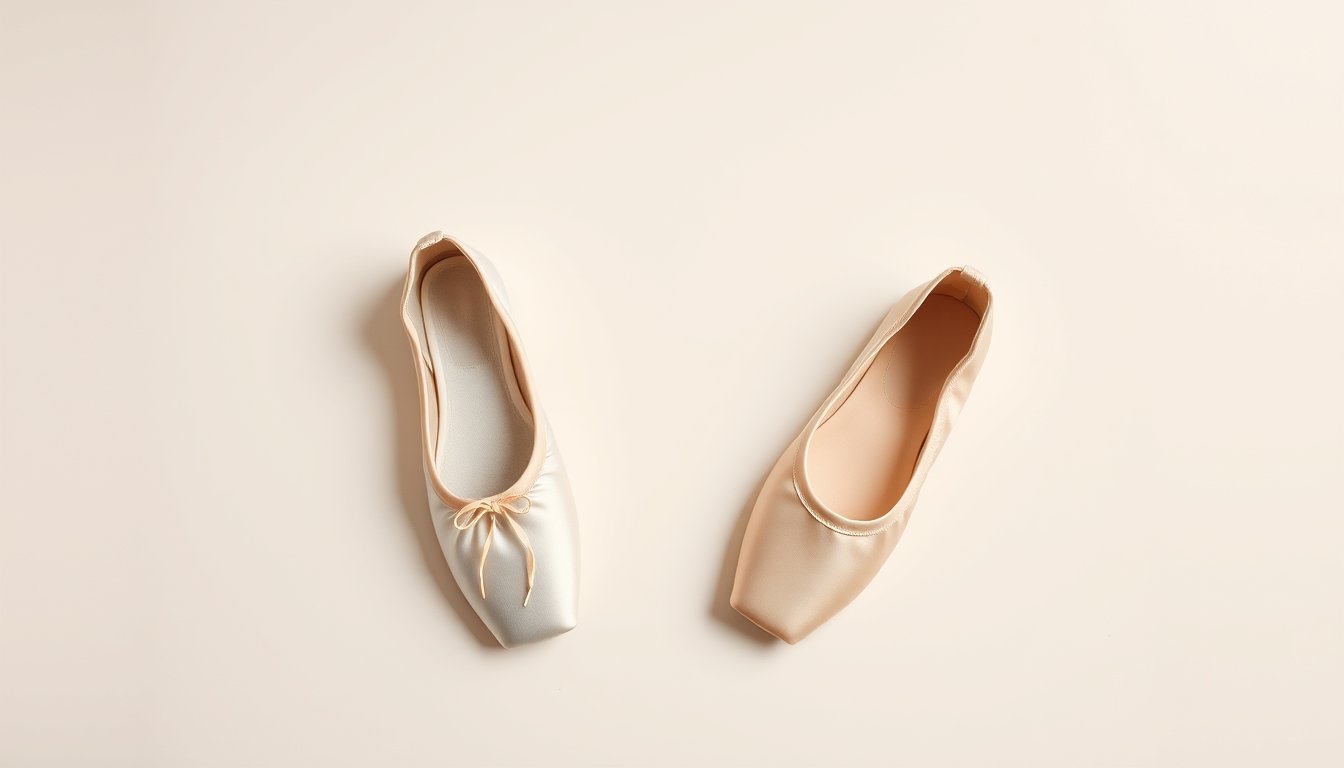
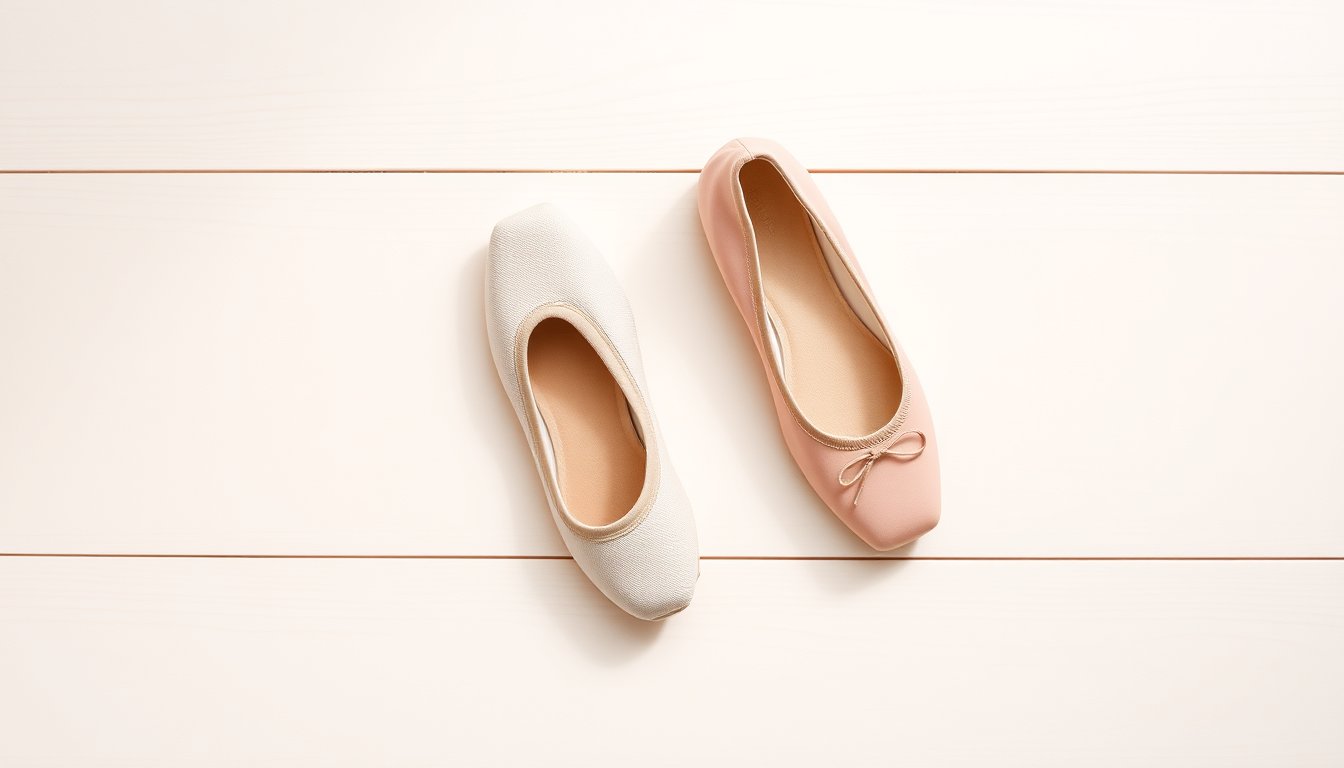
Lyrical shoes and pirouette shoes are soft, minimal dance shoes designed for contemporary, lyrical and jazz-ballet styles. They are not required for classical ballet — which uses ballet slippers or pointe shoes — but they are useful for dancers training in lyrical, contemporary or jazz styles who want some sole coverage without the bulk of a full shoe.

What Are Lyrical Shoes?

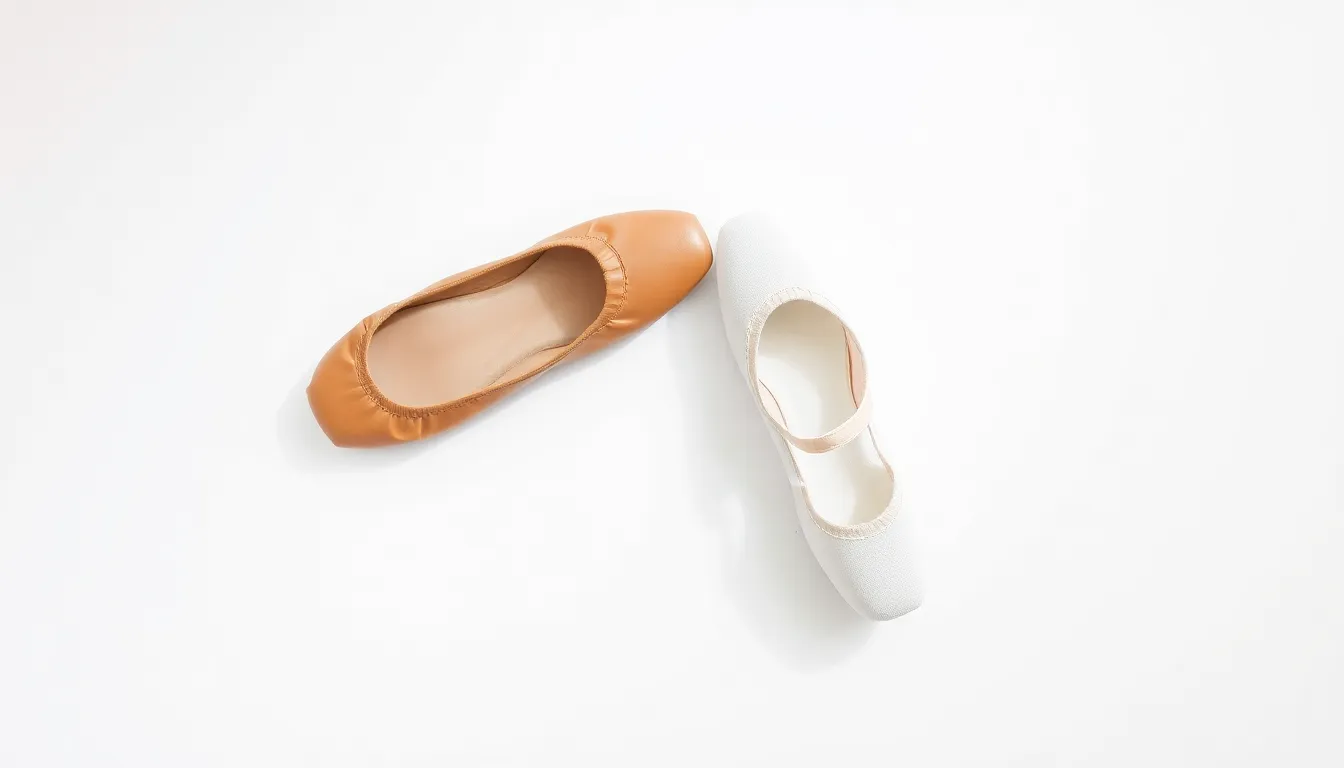
Lyrical shoes are soft, lightweight, flexible shoes that cover the full foot in a thin canvas, mesh or faux-leather upper with a suede or leather sole. They have a very low profile — almost like a second skin — and allow the full range of foot articulation needed for contemporary and lyrical choreography. Unlike ballet shoes, lyrical shoes are often cut lower at the heel and sides to expose more of the foot for aesthetic reasons. They are also sometimes called contemporary shoes or dance half-shoes.

What Are Pirouette Shoes?

Pirouette shoes (also called turning shoes or half-sole shoes) cover only the ball of the foot and toes, leaving the heel and arch completely bare. A thin suede or leather pad sits under the ball of the foot to allow smooth turns on wooden floors, while the heel remains in direct contact with the floor for pushing off. They are used in ballet, jazz and contemporary classes when the dancer needs traction for turns but wants the sensory contact of a bare heel.

Lyrical Shoes vs Pirouette Shoes: Key Differences

Lyrical shoes cover the whole foot; pirouette shoes cover only the ball and toes. Lyrical shoes provide more general sole protection and are used throughout a lyrical or contemporary class. Pirouette shoes are specifically designed for turning and are sometimes used in ballet classes by students who struggle with turns on slippery floors. Some dancers own both types for different contexts.

Do You Need Lyrical or Pirouette Shoes for Ballet?

For classical RAD ballet classes, no — ballet slippers are the correct shoe. Lyrical and pirouette shoes are not part of the RAD uniform. However, if you attend a contemporary, lyrical or jazz class in addition to ballet, a pirouette shoe or half-sole can be useful if the studio floor is slippery. Your teacher will advise if they want you to use one.

How Should Lyrical Shoes Fit?

Lyrical shoes should fit like a second skin — snug across the toes and heel with no excess fabric that could bunch and cause a trip. They are typically available in full sizes only, so go up half a size if between sizes. Try them on with dance tights, not bare feet, and walk through a full relevé and a forward bend to check the fit.

Frequently Asked Questions

Can I use pirouette shoes in a ballet class?

Some ballet teachers allow pirouette shoes for students who are working on turns, as the suede sole reduces friction more than canvas ballet shoes. Ask your teacher before using them — some studios prefer all students to wear identical shoes in class.

What is the sole of a pirouette shoe made from?

Pirouette shoe soles are typically made from suede or soft leather. The suede sole has just enough grip to prevent slipping in controlled movements but allows smooth rotation during turns without catching on the floor. Do not use them on carpet — the suede will catch.

Are lyrical shoes the same as jazz shoes?

No. Jazz shoes have a defined heel (usually 1–2 cm), a split rubber sole designed for jumping and landing, and a lace-up or zip closure. Lyrical shoes are flat, ultra-flexible and designed for flowing, continuous movement rather than the sharp attack of jazz style.
Shop dance shoes at ZoeDancewear

Posted on

Ouch Pouches and Toe Pads for Pointe Shoes: Which Type Is Right for You?

Toe pads and ouch pouches sit between your toes and the inside of the pointe shoe box to cushion the pressure of dancing en pointe. Without protection, the hard box presses directly against the tips of the toes and the skin at the nail bed, causing blisters, bruising and nail damage. Choosing the right type of pad for your foot shape and shoe makes a significant difference to both comfort and technique.

Types of Toe Protection for Pointe Shoes

The main types are: gel toe caps (a soft silicone sleeve that covers one or more toes), ouch pouches (a small fabric or gel pouch that the toes sit inside), lambswool (natural wool that is moulded around the toes), and foam or fabric pads (flat half-moon shaped pads that sit under the toes). Each type has different thickness, weight and feel — all of which affect how the foot sits in the shoe.

Gel Toe Caps and Ouch Pouches: Pros and Cons

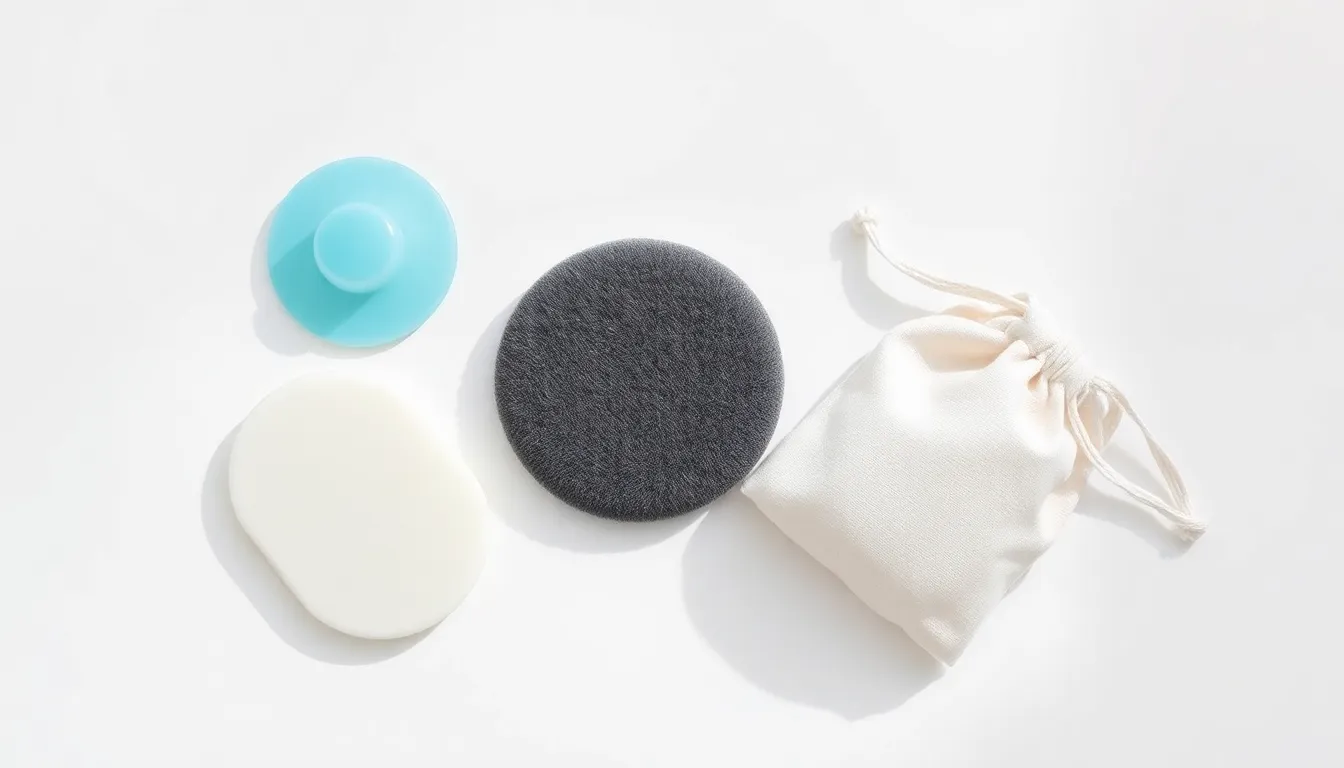
Gel toe caps are individual sleeves made from silicone gel. They are reusable, easy to clean and provide even cushioning across the tip of the toe. They suit dancers with prominent big toes or sensitive nail beds. Ouch pouches are small fabric or neoprene pouches lined with gel that hold all the toes together inside the box. They are quick to put on and give good all-round cushioning, making them popular with beginners and students in regular class. Both types add a small amount of bulk to the toe box, so the shoe must be fitted with them in place.

Lambswool: The Traditional Choice

Lambswool is the oldest form of pointe shoe padding and is still used by many professional dancers. A small amount of natural wool is teased out, wrapped around the toes and moulded into shape. It is very thin — it adds almost no bulk to the box — and compresses to the exact shape of the foot. The downside is that it takes practice to apply correctly, and it needs replacing more often than gel options. Many teachers recommend learning with lambswool so students can feel the floor correctly through the shoe.

Foam and Fabric Pads: Lightweight Options

Flat foam pads (sometimes called half-moon pads or metatarsal pads) sit under the toes rather than over them. They reduce pressure on the metatarsal heads — the knuckles at the base of the toes — rather than the tips. They are very thin and do not change the fit of the shoe. Some dancers use them alongside a gel cap for dual-zone protection.

How to Know If You Are Using the Right Pad

If your toes feel crushed even with padding, the shoe may be too narrow, or the pad is too thick. If your foot slides forward inside the box, the pad is too thin or the shoe is too wide. A well-padded pointe shoe should feel snug across all toes with no single point of high pressure. Always try pads on with your pointe shoes during a fitting, not separately.

Do You Need Toe Pads for Every Class?

Yes. Dancing en pointe without any toe protection risks nail bruising, blisters and long-term toe damage. Even professional dancers use some form of padding, even if it is only a thin layer of lambswool. The type and thickness may reduce as technique improves and calluses develop, but padding is never completely removed.

Frequently Asked Questions

What is an ouch pouch?

An ouch pouch is a small padded pouch — usually made from soft fabric or neoprene with a gel lining — that the toes slide into before putting on pointe shoes. It cushions all toes at once and is quick to apply, making it popular for students and recreational dancers.

Can I use regular gel toe separators instead of dance toe pads?

Dance-specific toe pads are designed to fit inside a pointe shoe box — they are thin, low-profile and shaped for the foot en pointe. Regular gel toe separators are too thick, too wide and will push the toes out of the correct position inside the box. Use only products designed for pointe work.

How often do toe pads need replacing?

Gel pads last several months with regular washing (hand wash, air dry). Lambswool needs replacing every few weeks. Foam pads compress over time and should be replaced when they no longer spring back. Replace any pad that has lost its cushioning or developed an odour that washing does not remove.

Shop ballet accessories at ZoeDancewear

Posted on

Ballet Slippers vs Ballet Shoes: What Is the Difference?

Ballet slippers and ballet shoes are the same thing: a soft, lightweight flat dance shoe worn for ballet class, examinations and rehearsal. The terms are used interchangeably. Both refer to the flat canvas or leather shoe worn for floor-based training — not to be confused with pointe shoes (the hard-toed shoes used for dancing en pointe) or character shoes (the heeled shoes used for character dance examinations).

Why Are They Called Both Slippers and Shoes?

The word “slipper” reflects the shoe’s soft, slip-on construction — there are no laces, buckles or fastenings beyond a simple drawstring at the toe. In the UK, “ballet slipper” and “ballet shoe” are both widely used. In the US, “ballet slipper” tends to be the more common term for the flat training shoe. Either name refers to the same product: a soft, flexible, flat shoe with a fabric or leather upper and a thin sole.

Full Sole vs Split Sole Ballet Slippers

Full-sole ballet slippers have a single piece of leather or suede running the entire length of the shoe sole. They provide more resistance when the foot points and are traditionally recommended for beginners and younger students whose foot muscles are still developing. Split-sole ballet slippers have two separate sole sections — one at the ball of the foot and one at the heel — with nothing across the arch. The arch is free to flex and point fully, which gives a cleaner aesthetic line and is preferred by more advanced students.

Canvas vs Leather Ballet Slippers

Canvas ballet slippers are lighter, cheaper, machine-washable and mould quickly to the shape of the foot. They are the most popular choice for children in regular classes. Leather ballet slippers are more durable, mould to the foot over time and offer a more defined shape against the foot. They are preferred in many professional training contexts and by students who want a longer-lasting shoe. Both are available in full-sole and split-sole styles.

Ballet Slippers for Girls vs Women vs Boys

Girls’ ballet slippers are most commonly pink — either pale pink or theatrical pink depending on the school. Women’s ballet slippers are available in pink, black and nude tones. Boys’ and men’s slippers are white or black. The construction is the same across all versions; only the colour and sometimes the width fitting differ. Some brands offer wider fittings for broader feet.

How Should Ballet Slippers Fit?

Ballet slippers should fit snugly with no excess fabric at the toe box, but the toes should not be forced into a curl. There should be no gaping at the heel or sides. The elastic across the instep should hold the shoe firmly without digging in. Try slippers on with ballet tights — not thick socks — and check the fit in a plié and a relevé. A well-fitting slipper should feel like a second skin: secure, but never restricting.

Frequently Asked Questions

Are ballet slippers the same as pointe shoes?

No. Ballet slippers (flat training shoes) and pointe shoes are completely different. Ballet slippers are soft and flexible and used for all floor-based training. Pointe shoes have a hard box and a rigid shank that support the dancer on the tips of the toes — they are only introduced when a teacher confirms the student is ready, usually at Grade 5 RAD or equivalent.

Can ballet slippers be worn outside?

Ballet slippers are not designed for outdoor use. The thin suede or leather sole wears through very quickly on outdoor surfaces, and dirt and grit from outside damages the studio floor. Always change into ballet shoes inside the studio.

How long do ballet slippers last?

Canvas slippers typically last 6–12 months of regular class use. Leather slippers last 12–24 months. Replace them when the sole develops holes, the upper splits or the elastic loses its stretch.

Shop ballet slippers at ZoeDancewear

Posted on

Demi Pointe Shoes: What They Are, Who Needs Them and How to Choose

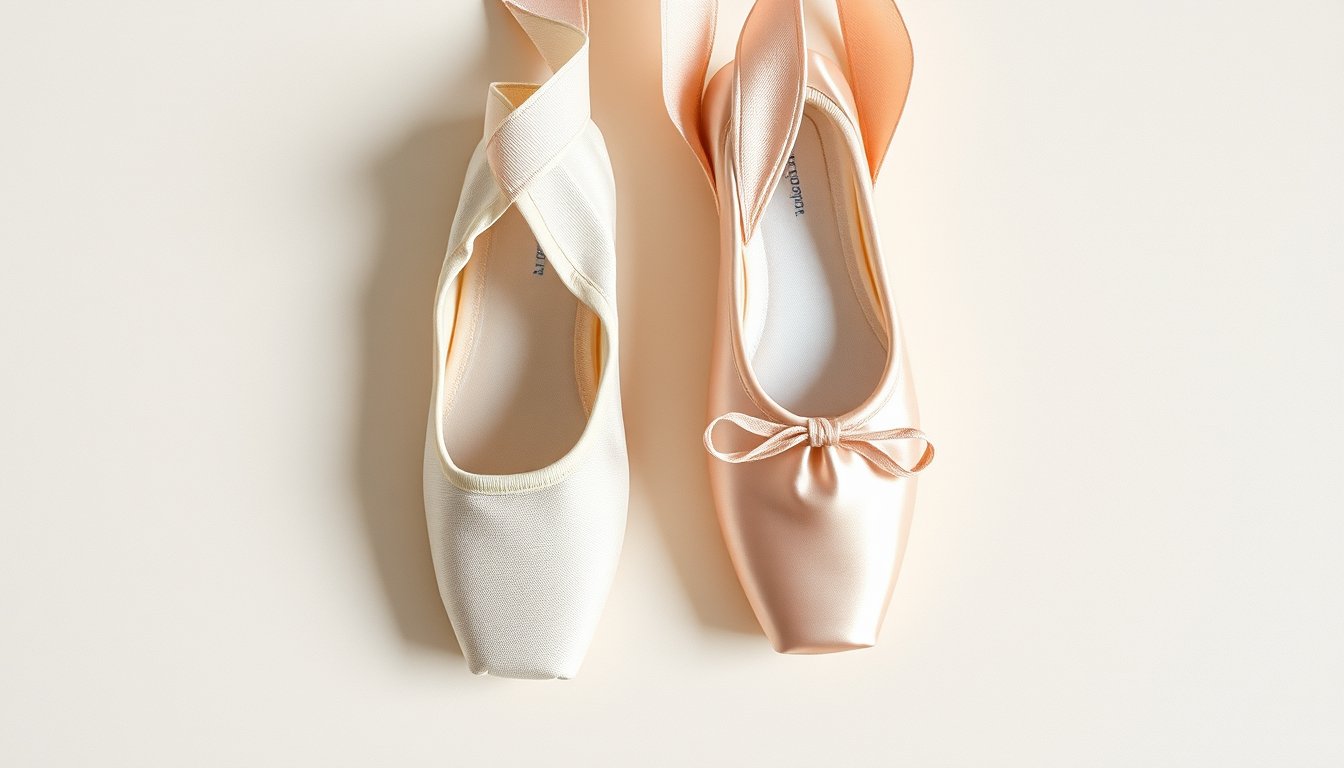
Demi pointe shoes (also called soft blocks or pre-pointe shoes) look almost identical to satin pointe shoes from the outside, but they have a soft, flexible sole and no hard shank inside. Because the box is not rigid enough to support the full weight of the dancer, they cannot be used for work en pointe. Their purpose is to train the feet in the correct position and feeling of a pointe shoe before a student is strong enough.

What Is the Difference Between Demi Pointe and Full Pointe Shoes?

A full pointe shoe has a rigid shank and a hard box that supports the toes when rising fully onto the tips of the toes. A demi pointe shoe has the same shape and satin outer, but the shank is soft and the box is lightly padded rather than hardened. The student can flex and point the foot freely — building pointe-ready strength — without the risk of injury from dancing en pointe prematurely.

Who Should Wear Demi Pointe Shoes?

Demi pointe shoes are introduced by a teacher when a student is approaching, but not yet ready for, full pointe work. This usually falls in Grade 4–5 of RAD ballet, typically between ages 10 and 12, depending on bone development and strength. The decision should always be made by a qualified ballet teacher — never based on age alone.

How Do Demi Pointe Shoes Help?

They teach students to distribute weight correctly across the toes, how the heel lifts and the foot articulates through demi and three-quarter pointe, and how the shoe’s fit feels different from a ballet flat. Building this muscle memory in a safe shoe makes the transition to full pointe much smoother.

How Should Demi Pointe Shoes Fit?

They should fit snugly around the toes with no excess material at the toe box. Toes should touch the end of the box but not be forced into a curl. The shoe should feel firm around the heel without gaps. Have demi pointe shoes fitted by a specialist dancewear fitter — guessing from a size chart risks an incorrect fit.

Frequently Asked Questions

Can demi pointe shoes be used for pointe work?

No. Using them en pointe risks serious ankle and foot injury. Only wear demi pointe shoes for the exercises your teacher assigns.

Are demi pointe shoes the same as pre-pointe shoes?

Yes. Pre-pointe shoe, soft block, and demi pointe shoe all describe the same thing: a satin ballet shoe shaped like a pointe shoe but with a soft sole and no functional block.

Explore ballet shoes at ZoeDancewear

Posted on

Pointe Shoe Fitting: What to Expect and How to Get the Right Fit

A pointe shoe fitting is a specialist appointment where a trained fitter assesses the dancer’s foot — length, width, toe box shape, arch and heel — and matches it to the correct pointe shoe brand, style and size. The right fit distributes weight evenly across the toes, supports the ankle, and prevents injury. Most first fittings take 30–60 minutes.

When Is a Dancer Ready for a Pointe Shoe Fitting?

The teacher decides when a student is ready — never the student or parent alone. A teacher will assess bone development (usually after age 11–12), foot and ankle strength, core stability, and alignment. Most RAD students reach pointe readiness at Grade 5 or Intermediate Foundation level. Rushing pointe work risks permanent injury to developing bones.

How to Prepare for a Pointe Shoe Fitting

Book an appointment rather than walking in. Bring your teacher’s recommendations if given. Wear or bring ballet tights. Avoid thick socks — fit is assessed with tights. Bring any toe pads your teacher has already recommended.

What Happens During the Fitting?

The fitter will measure your feet, examine toe shape (Egyptian, square or tapered), assess metatarsal width, and look at arch flexibility. They will bring several brands to try. You will stand in first position, rise to demi pointe, and — with the fitter supporting you — test the feel at full pointe. A correctly fitted shoe should feel snug but not painful, with toes fully extended and the box sitting evenly around all toes.

How Do You Know If a Pointe Shoe Fits Correctly?

You should feel even pressure across all toes with no single toe taking all the weight. The shoe should not crinkle at the sides (too wide) or pinch the smallest toe (too narrow). The heel should not gape when you flex. Your foot should sit fully inside the platform with no overhang at the front.

How Often Should Pointe Shoes Be Replaced?

A student in regular classes may need new shoes every 3–6 months. Signs of a worn-out shoe: a shank that bends easily along its full length, a soft or collapsed box, satin torn through the platform. Dancing in dead pointe shoes causes injury.

Frequently Asked Questions

Should I buy pointe shoes online?

First-time pointe shoes must be fitted in person. Every foot is different and brand sizing varies widely. Once you know your exact brand, style, size and width, reorders can be done online.

Do I need toe pads for pointe shoes?

Most dancers use gel caps, ouch pouches or lambswool to cushion the tips of the toes. Your fitter or teacher will advise which type suits your foot and shoe style.

Shop ballet shoes at ZoeDancewear

Posted on

How Much Do Ballet Shoes Cost? A Full Price Guide by Type

Ballet shoe prices range from around £10 for a basic canvas flat to £80 or more for professional-grade pointe shoes. The price depends on the material (canvas vs leather), the construction (full sole vs split sole), and whether the shoe is beginner or advanced grade. Most children in RAD ballet classes need a canvas or leather flat — pointe shoes are only introduced when a teacher confirms readiness.

Canvas Ballet Shoes: Price Range

Canvas split-sole and full-sole flats are the most affordable option. Beginner and school-supply canvas shoes cost £10–£18. Mid-range canvas shoes from established brands cost £18–£30. Canvas shoes are lightweight and washable, making them practical for young students. They wear out faster than leather and typically need replacing every 6–12 months of regular use.

Leather Ballet Shoes: Price Range

Leather ballet shoes are more durable and mold to the foot over time. Full-sole leather shoes for beginners cost £15–£28. Split-sole leather shoes for more advanced students cost £20–£35. Professional leather shoes from specialist brands can cost £35–£55.

Pointe Shoes: Price Range

Pointe shoes are significantly more expensive due to specialist construction. Beginner and intermediate pointe shoes cost £40–£65. Mid-range professional shoes cost £60–£80. High-end custom shoes can cost £80–£120 or more. Pointe shoes also wear out quickly — needing replacement every 3–6 months — so the ongoing cost adds up.

Character Shoes: Price Range

Character shoes (for examinations involving character dance or musical theatre) cost £25–£55 depending on heel height, material and brand. Basic school-grade character shoes start around £25. Professional styles with a Cuban heel and quality leather upper cost £40–£55.

Other Costs to Budget For

Elastic for ballet shoes (£2–£4), ribbons and elastics for pointe shoes (£4–£8), toe pads (£5–£15), and regular replacement as shoes wear out. Budget over a full year, not just the initial purchase.

Frequently Asked Questions

Are cheaper ballet shoes good enough for class?

For beginner and recreational students, budget canvas shoes at £10–£18 are perfectly suitable. As students advance, better construction matters more for technique and injury prevention.

How often do ballet shoes need replacing?

Canvas flats last 6–12 months of regular use. Leather flats last 12–24 months. Pointe shoes wear out much faster — every 3–6 months for students in regular classes.

Shop ballet shoes at ZoeDancewear

Posted on

What Are Character Shoes and When Does Your Child Need Them?

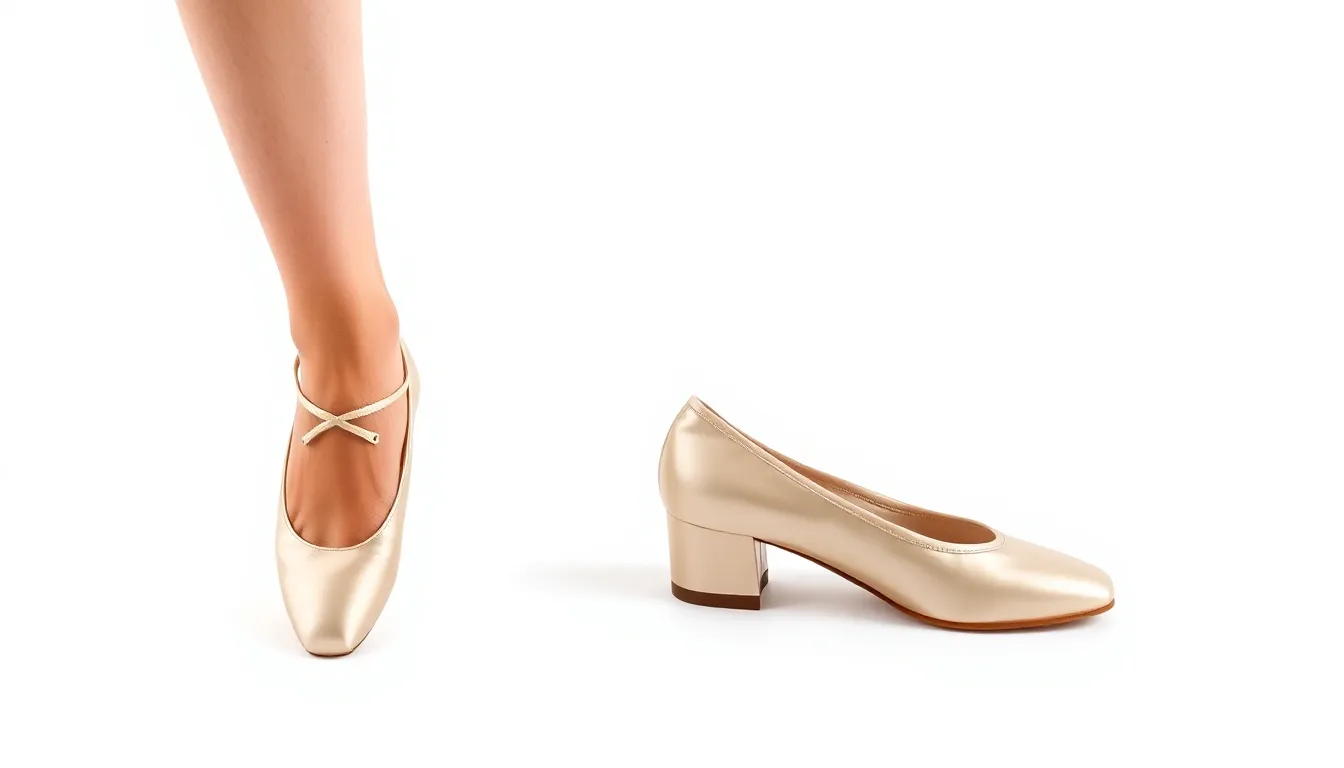
Character shoes are heeled dance shoes with a leather upper and a suede or leather sole, traditionally used for character dance — a style of ballet that incorporates national and folk dance elements. In the RAD syllabus, character shoes are introduced at the Vocational level (Intermediate Foundation and above). They are not used in Graded class examinations.

What Do Character Shoes Look Like?

Character shoes have a Cuban or Spanish heel (typically 3-5 cm / 1.25-2 inches high), a T-bar or ankle strap, and a smooth leather upper. The sole is usually suede or smooth leather, which allows the foot to slide slightly on a studio floor — important for the turning and stepping movements in character dance.

They look similar to a low-heeled court shoe or a Mary Jane, but are constructed for dance use — more flexible through the ball of the foot and with a sole that allows controlled movement rather than grip.

Who Needs Character Shoes?

In the RAD curriculum:

  • Graded students (Pre-Primary through Grade 8): do not use character shoes in graded class examinations
  • Vocational students (Intermediate Foundation and above): character shoes are introduced as part of the Character Dance component of the syllabus
  • Show and performance students: character shoes may be used for specific show routines or national dance pieces at any age, at the teacher’s direction

If you are unsure whether your child needs character shoes, ask their teacher directly. The answer depends on the specific class and whether Character Dance is being examined.

Colour and Style

RAD character shoes for women and girls are traditionally black with a heel. Men’s character shoes are also black, typically with a lower heel than women’s styles. Some schools use tan or flesh-coloured shoes for specific pieces — always confirm colour with the teacher before buying.

Fitting Character Shoes

Character shoes should be fitted with the same care as regular ballet shoes. The fit should be snug but not tight, with no slipping at the heel when walking. Because character shoes have a heel, a student who is new to heel work should have their posture and walking gait checked by their teacher when they first start using them — standing and moving correctly in a heeled shoe is a skill in itself.

Care and Maintenance

  • Wipe the leather upper clean after each use with a slightly damp cloth
  • Condition the leather every few months to prevent cracking
  • The suede sole can be brushed to maintain its texture and slide properties
  • Store in a breathable shoe bag, not a sealed plastic bag

For more on the RAD syllabus and what each level requires, see our ballet grades guide and our RAD uniform guide by grade.

Posted on

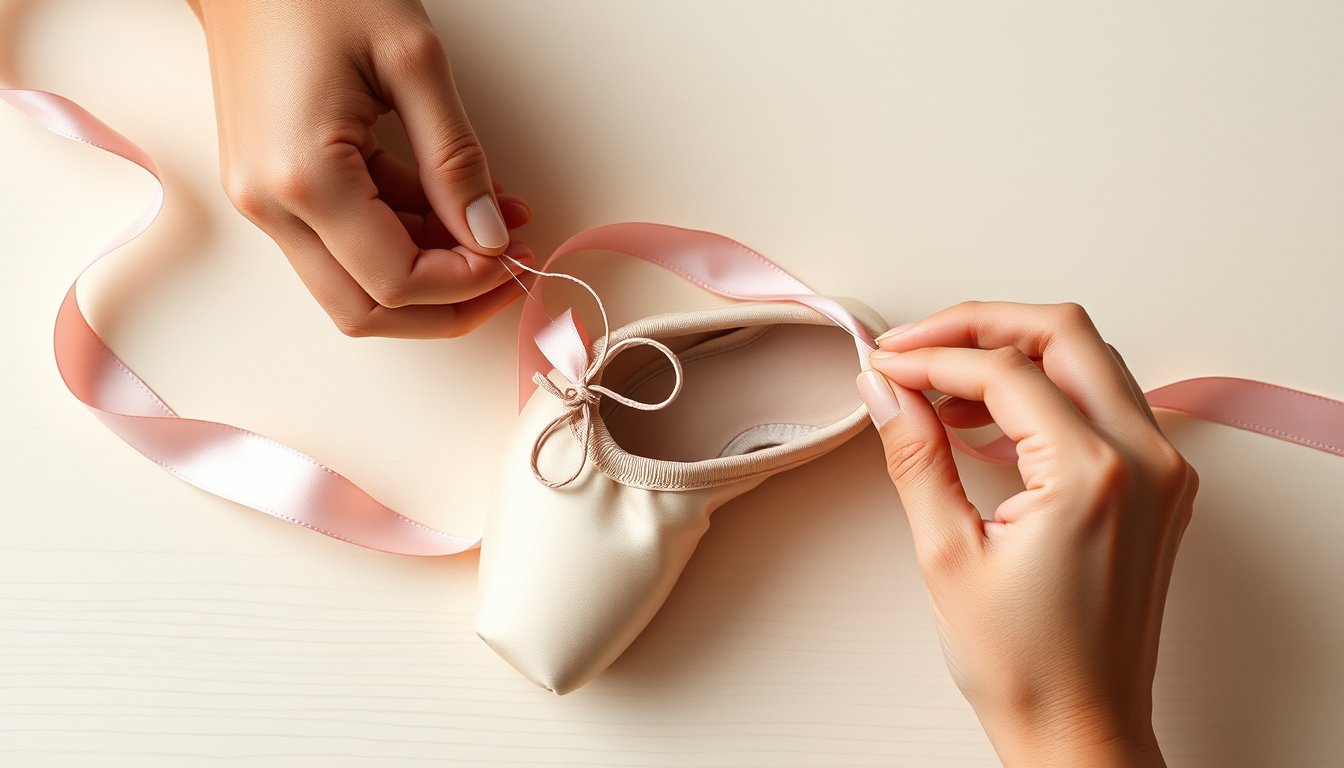
How to Sew Ribbons and Elastics on Pointe Shoes: Step-by-Step

Sewing ribbons and elastics onto pointe shoes is one of the first practical skills a student learns when they start pointe work. It is not complicated, but the position of the ribbon and elastic matters — done correctly, they hold the shoe firmly on the foot and look neat. Done incorrectly, they can cause discomfort or come loose mid-class.

What You Need

  • 2 lengths of ribbon (approximately 60-70 cm / 24-28 inches each, cut from a 2.5 m reel)
  • 2 pieces of elastic (approximately 15-20 cm / 6-8 inches each)
  • A needle and strong thread in a colour matching the ribbon and shoe satin
  • Scissors
  • A lighter or candle (to seal the cut ends of ribbon so they do not fray)

Where to Position the Ribbons

Fold the heel of the shoe forward toward the toe. The fold creates a natural crease just above the drawstring channel. The ribbon should be sewn on either side of the heel, at the point where the crease meets the side of the shoe — approximately 1-2 cm in front of the heel seam.

This position ensures the ribbon crosses the ankle in the right place when the shoe is on — not too far forward (which causes the ribbon to pull the front of the shoe down) and not too far back (which causes the ribbon to press into the Achilles tendon).

How to Sew the Ribbons

  1. Cut ribbon to length. Seal the cut ends by passing them quickly through a flame — the satin melts slightly and stops fraying. Do this before sewing.
  2. Fold one end of the ribbon under by about 1 cm to create a tidy starting edge.
  3. Place the folded end at the marked position on the inside of the shoe (the lining side, not the satin exterior).
  4. Sew a rectangle of stitches through the ribbon fold and into the lining fabric only — do not sew through to the outside satin. Use a backstitch for strength.
  5. Repeat for the remaining three ribbon ends (two ribbons, each with one end attached to either side of each shoe).

Where to Position the Elastic

The elastic sits across the back of the ankle, just above the heel counter of the shoe. It prevents the heel from slipping out when the dancer rises to demi-pointe or pointe. Sew one end of the elastic to the inside of the shoe, just behind where the ribbon is attached on one side, and the other end on the opposite side. The elastic should be firm but not tight enough to indent the skin.

How to Check the Tension

Before class, put the shoe on and tie the ribbons. The elastic should sit snugly across the back of the ankle with no gap, and the ribbons should cross the front of the ankle neatly when tied. If the elastic presses in uncomfortably or leaves a mark, it is too tight — take out the stitches on one end and resew with a little more slack.

Common Mistakes to Avoid

  • Sewing through the satin exterior: The needle should go through the lining only — visible stitches on the outside of the shoe look untidy
  • Placing the ribbon too far back: Ribbon too close to the heel seam will press into the Achilles tendon when tied
  • Not sealing the ribbon ends: Unsecured ribbon ends fray very quickly with use and washing
  • Using too little thread: Ribbons must withstand significant force during class — sew a large, dense rectangle of stitches, not just a few loops

For other pointe shoe questions, ask your teacher — they can check your sewing in person and advise on the exact position that works best for your foot shape. See also our ballet grades guide to understand where pointe work fits in the RAD syllabus.

Posted on

Pre-Pointe Shoes: What They Are and When Your Child Is Ready

Pre-pointe shoes are soft, supportive shoes designed to prepare a dancer’s feet and ankles for the demands of full pointe work — without the rigid box of a traditional pointe shoe. They are used during the transition phase between flat ballet shoes and full pointe, typically from around Grade 4-5 upwards, and only when a teacher has determined that a student is physically and technically ready.

What Are Pre-Pointe Shoes?

Pre-pointe shoes look similar to soft ballet shoes but have a more structured sole and sometimes a small amount of stiffening in the toe area. They allow a student to work through the full range of foot motion — including rising to demi-pointe — while providing more support than a soft shoe. They do not, however, allow a dancer to go en pointe (fully on the tips of the toes).

How Are They Different from Pointe Shoes?

Pre-Pointe Shoes Pointe Shoes
Toe box Soft or lightly reinforced Hard, rigid box
Going en pointe Not possible / not intended Designed for this
Fitting Similar to soft ballet shoe Must be professionally fitted
When used Transition phase, Grades 4-5+ After teacher clearance
Risk of injury Low when used correctly Higher, requires supervision

When Is a Student Ready for Pre-Pointe Shoes?

The decision to introduce pre-pointe work — and the shoes that go with it — is always made by the dancer’s teacher, not the parent or the student. A teacher will assess:

  • Age and bone development: Most teachers will not begin pre-pointe work before age 11-12 due to the risk of growth plate damage in younger feet
  • Technical ability: The student must have strong, consistent turnout, stable ankles and proper alignment at demi-pointe
  • Strength: The feet and ankles must be strong enough to support the body’s weight on the demi-pointe position
  • Flexibility: Sufficient ankle flexibility to achieve a full demi-pointe without sickling

Should I Buy Pre-Pointe Shoes Without Asking the Teacher First?

No. Pre-pointe shoes should only be introduced when a teacher recommends them. Buying them speculatively or because a student wants to try them is not advisable — even pre-pointe shoes place additional demands on the feet, and using them without proper technique guidance can reinforce bad habits or risk injury.

What About Full Pointe Shoes?

Full pointe shoes must always be professionally fitted by a specialist fitter who can assess the shape of the foot and the student’s technical ability. They should never be bought online without fitting, and certainly never as a gift or a surprise. A teacher’s written clearance is standard practice before a student is fitted for their first pair of pointe shoes.

For more on the overall ballet uniform journey, see our ballet grades guide or our dress code by level.

Posted on

Canvas vs Leather Ballet Shoes: Which Is Better for Class and Exams?

Canvas ballet shoes are lighter, more flexible and easier to machine-wash. Leather ballet shoes are more durable, mould to the foot over time and give a cleaner line through the arch. For most RAD grade students, canvas is the more practical choice — but the right answer depends on the dancer’s level and school requirements.

Canvas Ballet Shoes

Advantages

  • Lightweight — less resistance, easier to point the foot fully
  • Flexible from day one — no breaking-in period
  • Machine washable — practical for young students who wear shoes every week
  • Lower cost — usually cheaper than leather equivalents

Disadvantages

  • Wear out faster than leather, especially through the sole
  • Stretch with use — a snug fit when new may become loose within a term
  • Not as durable for daily use at higher training levels

Leather Ballet Shoes

Advantages

  • Durable — last significantly longer than canvas for frequent users
  • Mould to the foot — become more comfortable with wear as the leather softens
  • Good arch definition — leather holds a shape that shows the foot line clearly
  • More stable — less stretching over time

Disadvantages

  • Stiffer when new — need a breaking-in period
  • Heavier than canvas
  • Cannot be machine washed — hand wash or wipe clean only
  • Usually more expensive

Full Sole vs Split Sole

Both canvas and leather come in full-sole and split-sole versions. Full-sole shoes have a single piece of suede across the whole sole and are generally recommended for beginners — they provide more resistance, which helps build the foot muscles needed for proper pointing. Split-sole shoes have two suede pads with a flexible arch section between. They show the arch line more clearly and are typically used at Grade 4 and above.

What Do RAD Schools Typically Require?

Most RAD schools use pink canvas full-sole shoes for Grades 1-3 and allow split-sole from Grade 4 onwards. Some schools specify leather for older students. Always confirm with your teacher before buying — the wrong sole or colour can be an issue in an exam.

Buying Guide Summary

Canvas Leather
Best for Beginners, young students, frequent washers Advanced students, daily training
Lifespan One to two terms of weekly class One to two years with care
Flexibility Immediate Improves with breaking-in
Washing Machine washable Hand wash only
Price Lower Higher

Our size guide includes a conversion chart if you are ordering online. For other questions about RAD uniform, see our FAQ or contact us.