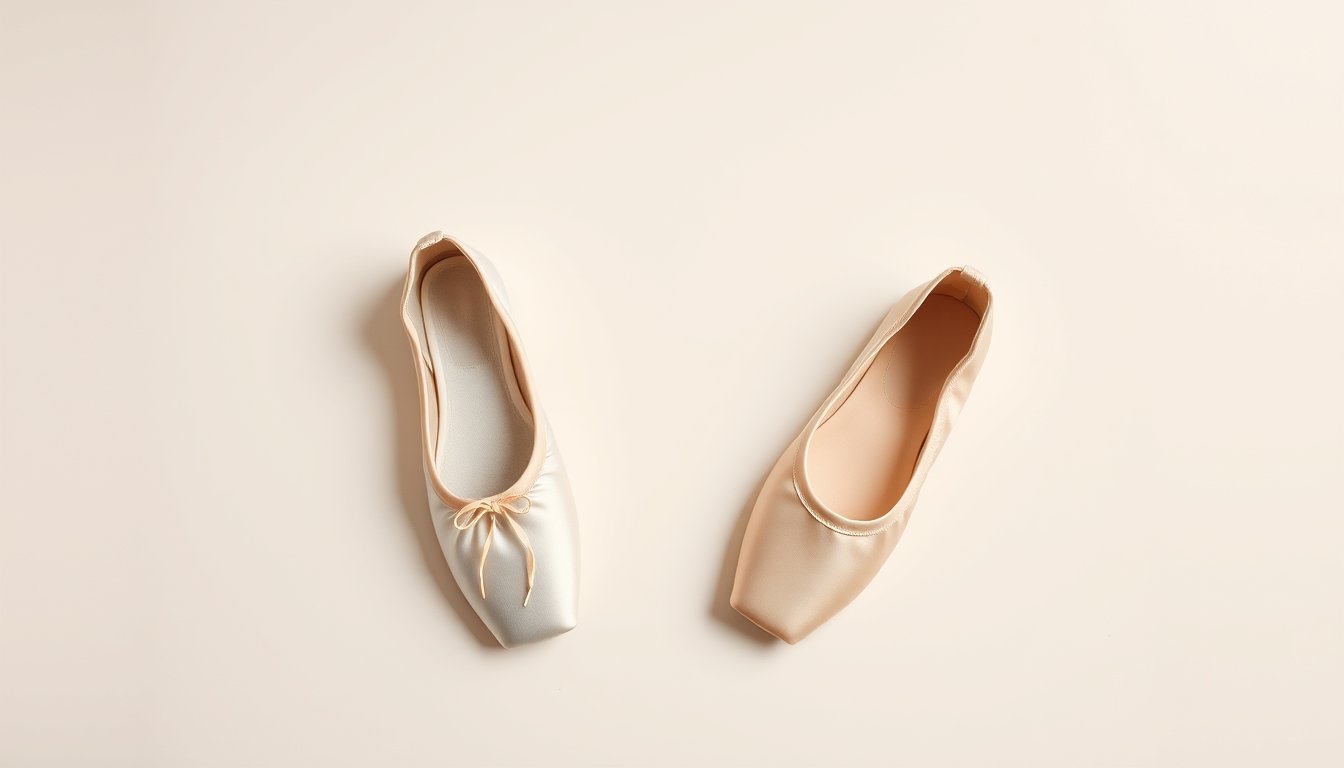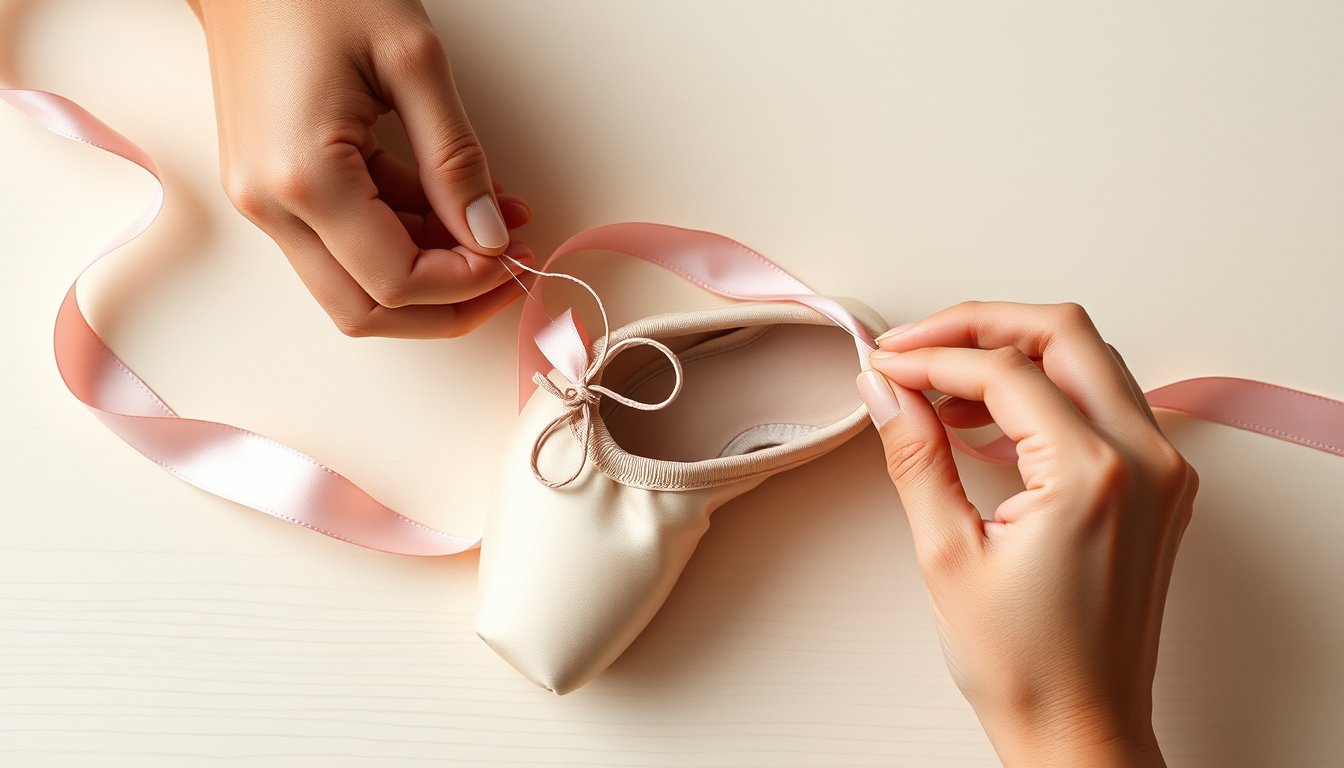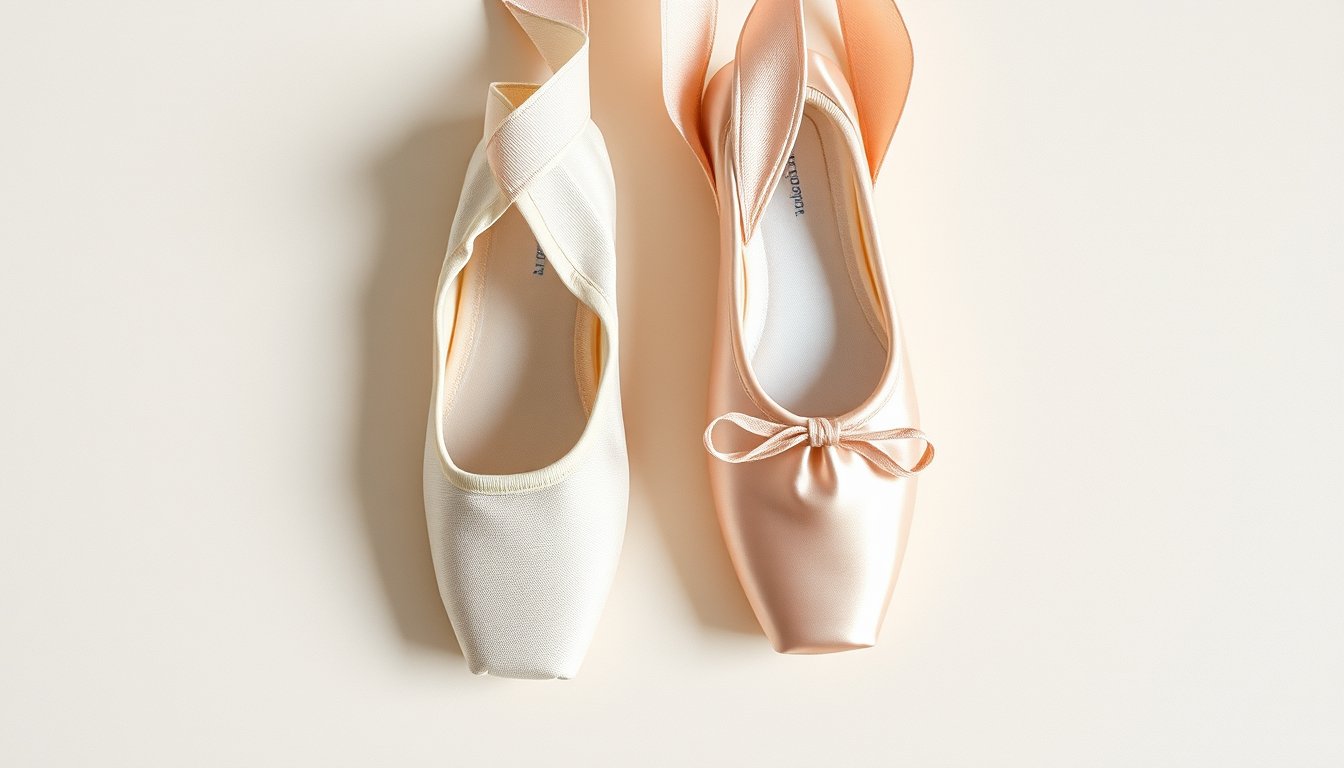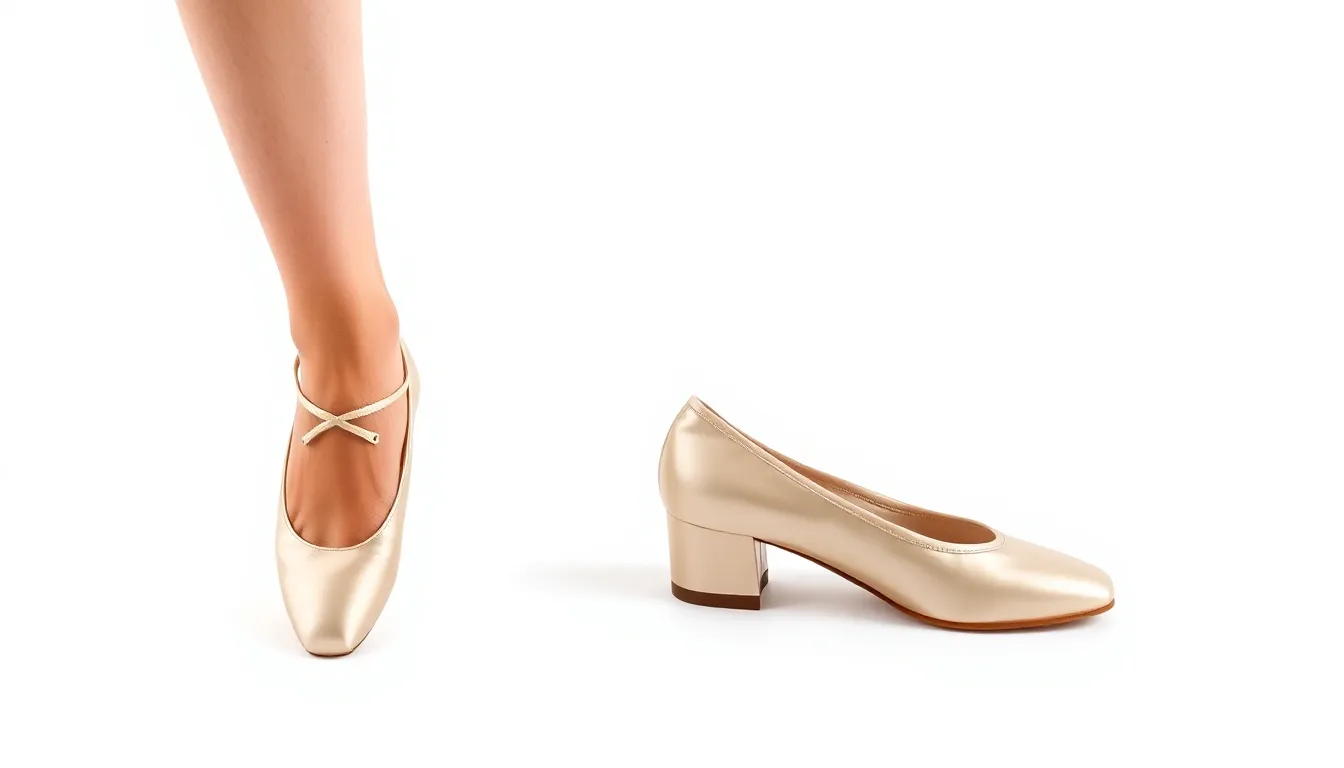
Lyrical shoes and pirouette shoes are soft, minimal dance shoes designed for contemporary, lyrical and jazz-ballet styles. They are not required for classical ballet — which uses ballet slippers or pointe shoes — but they are useful for dancers training in lyrical, contemporary or jazz styles who want some sole coverage without the bulk of a full shoe.
What Are Lyrical Shoes?
Lyrical shoes are soft, lightweight, flexible shoes that cover the full foot in a thin canvas, mesh or faux-leather upper with a suede or leather sole. They have a very low profile — almost like a second skin — and allow the full range of foot articulation needed for contemporary and lyrical choreography. Unlike ballet shoes, lyrical shoes are often cut lower at the heel and sides to expose more of the foot for aesthetic reasons. They are also sometimes called contemporary shoes or dance half-shoes.
What Are Pirouette Shoes?
Pirouette shoes (also called turning shoes or half-sole shoes) cover only the ball of the foot and toes, leaving the heel and arch completely bare. A thin suede or leather pad sits under the ball of the foot to allow smooth turns on wooden floors, while the heel remains in direct contact with the floor for pushing off. They are used in ballet, jazz and contemporary classes when the dancer needs traction for turns but wants the sensory contact of a bare heel.
Lyrical Shoes vs Pirouette Shoes: Key Differences
Lyrical shoes cover the whole foot; pirouette shoes cover only the ball and toes. Lyrical shoes provide more general sole protection and are used throughout a lyrical or contemporary class. Pirouette shoes are specifically designed for turning and are sometimes used in ballet classes by students who struggle with turns on slippery floors. Some dancers own both types for different contexts.
Do You Need Lyrical or Pirouette Shoes for Ballet?
For classical RAD ballet classes, no — ballet slippers are the correct shoe. Lyrical and pirouette shoes are not part of the RAD uniform. However, if you attend a contemporary, lyrical or jazz class in addition to ballet, a pirouette shoe or half-sole can be useful if the studio floor is slippery. Your teacher will advise if they want you to use one.
How Should Lyrical Shoes Fit?
Lyrical shoes should fit like a second skin — snug across the toes and heel with no excess fabric that could bunch and cause a trip. They are typically available in full sizes only, so go up half a size if between sizes. Try them on with dance tights, not bare feet, and walk through a full relevé and a forward bend to check the fit.
Frequently Asked Questions
Can I use pirouette shoes in a ballet class?
Some ballet teachers allow pirouette shoes for students who are working on turns, as the suede sole reduces friction more than canvas ballet shoes. Ask your teacher before using them — some studios prefer all students to wear identical shoes in class.
What is the sole of a pirouette shoe made from?
Pirouette shoe soles are typically made from suede or soft leather. The suede sole has just enough grip to prevent slipping in controlled movements but allows smooth rotation during turns without catching on the floor. Do not use them on carpet — the suede will catch.
Are lyrical shoes the same as jazz shoes?
No. Jazz shoes have a defined heel (usually 1–2 cm), a split rubber sole designed for jumping and landing, and a lace-up or zip closure. Lyrical shoes are flat, ultra-flexible and designed for flowing, continuous movement rather than the sharp attack of jazz style.