
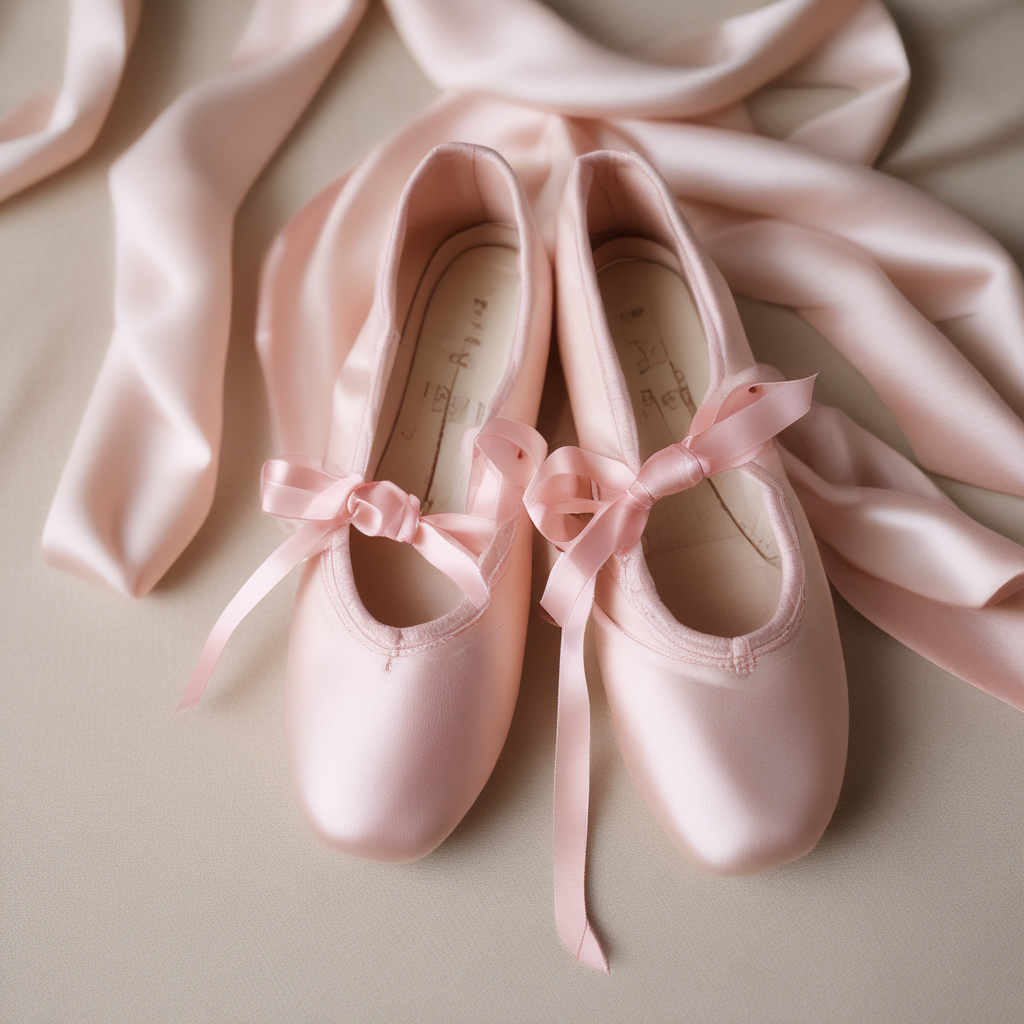
En pointe is one of the most recognised images in ballet: a dancer balanced on the very tip of their toes, the foot fully extended, supported by stiffened pointe shoes. It is the image that many children have in mind when they first ask to start ballet. But pointe work is a significant technical milestone with specific readiness requirements — not something that can be rushed.
What Does En Pointe Mean?
En pointe (also written en pointe or on pointe) is a French term meaning “on the tips.” In ballet, it refers to the position in which the dancer rises to stand on the very ends of their toes, supported by the box of the pointe shoe — the rigid block at the toe end of the shoe. When a dancer is said to be “working en pointe” they are performing class or choreography in pointe shoes.
En demi-pointe, by contrast, refers to rising on the ball of the foot in any type of ballet shoe — this is the position that students develop throughout their years of flat shoe training before pointe work is introduced.
How Is Pointe Different from Demi-Pointe?
In demi-pointe the heel is lifted and the dancer balances on the metatarsal heads — the rounded bones at the base of each toe. In full pointe the foot is fully extended so that the ankle, instep and toes form a continuous straight line from the shin to the floor, with the dancer balanced on the flat end of the stiffened pointe shoe box rather than the curved metatarsal heads.
This distinction matters because full pointe places entirely different demands on the foot, ankle and calf than demi-pointe. The tendons, ligaments and muscles of the foot must be adequately developed and conditioned before they can safely bear the weight of the body in full pointe.
When Can a Ballet Student Start Pointe Work?
Most RAD teachers introduce pointe work from around eleven to thirteen years of age, following a formal assessment of the student’s readiness. The criteria assessed include:
- Sufficient bone maturity in the foot (growth plates in the toes need to be sufficiently formed)
- The ability to hold a secure, fully risen demi-pointe in flat shoes without the ankle rolling
- Adequate strength in the core and hip stabilisers
- Consistent, correct alignment of the knee over the second toe when working in turnout
- At least two to three years of consistent weekly ballet training
Our dedicated guide on when ballet students start pointe work covers these readiness criteria in detail.
What Are Pointe Shoes?
Pointe shoes are specialist footwear specifically designed to enable and support the en pointe position. They consist of a box (the hard, stiffened toe section), a shank (a rigid or semi-rigid sole piece that supports the arch), a vamp (the front of the shoe that covers the toes), and a satin outer. They are attached to the foot with ribbons and an elastic sewn on by the student or parent.
Pointe shoes are fitted by a specialist fitter who assesses the shape and flexibility of the individual foot. They are not sized the same way as street shoes, and a poorly fitted pointe shoe can cause significant injury even in an otherwise well-prepared dancer.
Is Pointe Work Only for Girls?
Traditionally, classical ballet pointe work has been almost exclusively female in its presentation, though male classical ballet technique also involves rising en pointe in certain historical styles and some contemporary choreography. In most RAD affiliated children’s classes, pointe work is introduced for female students at the appropriate age and readiness level. Male students develop equivalent strength and balance through other aspects of the RAD male syllabus.
What Comes Before Pointe Work?
Pre-pointe work is the period of specific conditioning that bridges standard flat shoe training and the introduction of pointe shoes. Exercises targeting intrinsic foot strength, ankle stability, and core alignment are introduced in class from approximately Grade 3 onwards in preparation for eventual pointe work. A student who has developed correctly through the RAD graded syllabus will have been building pointe readiness for several years before they put on their first pair of pointe shoes.