
Short answer: lyrical dance is built on ballet technique and follows the feeling of the music or the words of a song, with flowing lines, leaps and turns. Contemporary dance is broader and more grounded. It mixes ballet, modern and jazz, and uses floor work, weight changes and off-balance movement. Many dancers take both, and a ballet background helps in each.
What is lyrical dance?
Lyrical dance blends ballet with jazz and modern movement. The steps are often ballet steps, such as pirouettes, leaps and extensions, but the mood is softer and more emotional. Dancers usually choose music with a clear story or a strong lyric and let the movement show what it says. Long lines, smooth transitions and expressive arms are the main look.
What is contemporary dance?
Contemporary dance draws on ballet, modern and jazz, and adds its own ideas about weight, breath and the floor. Dancers fall and recover, roll along the ground, work with parallel legs as well as turned-out ones, and move off balance on purpose. The music can be anything, and the dance does not have to tell a story. Choreography is often more abstract. If you want to compare it with an older style, read contemporary dance vs modern dance.
How are lyrical and contemporary dance different?
| Lyrical | Contemporary | |
|---|---|---|
| Main roots | Ballet, with jazz and modern | Modern, ballet and jazz |
| Feeling | Emotional, flowing, tied to the music or lyrics | Grounded, varied, often abstract |
| Movement | Leaps, turns, long extended lines | Floor work, falls, weight shifts, release |
| Legs | Mostly turned out, as in ballet | Turned out and parallel |
| Music | Songs with a clear mood or lyric | Any music, or silence |
The two styles overlap, which is why you will often see them listed together as “lyrical and contemporary” in recital and competition programs. If you are not sure which class to join, ask the teacher what the class focuses on.
What do dancers wear for each style?
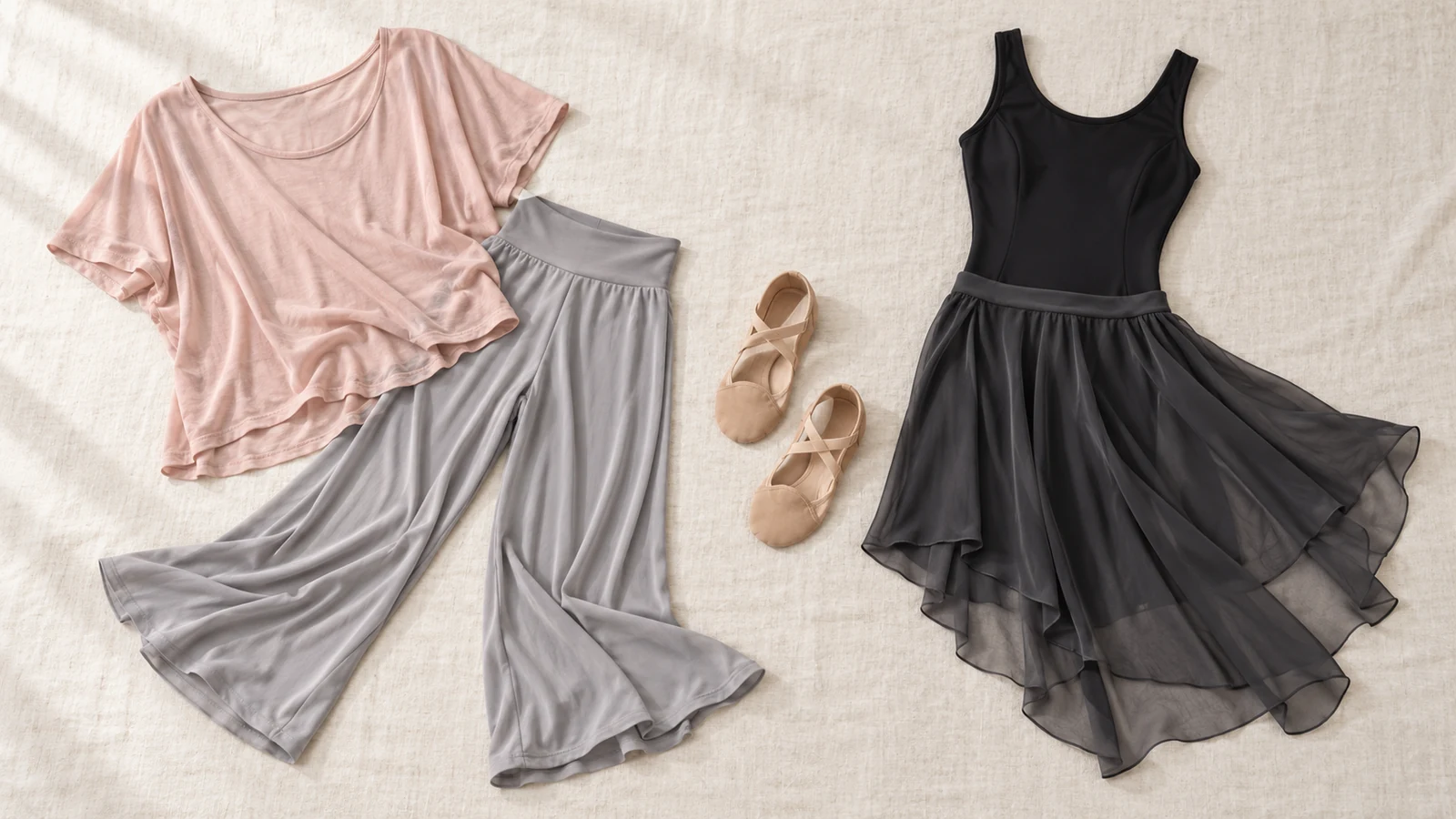
Both styles are danced in close-fitting clothing so the teacher can see the body line. A leotard with tights, or a fitted top with dance shorts or leggings, is common. Contemporary classes often ask for bare feet or foot protection, since the work is on the floor. For lyrical, some dancers wear half-sole shoes that cover the ball of the foot and leave the heel bare, and others dance barefoot or in ballet slippers. Ask your school before you buy shoes. For ideas on clothes, see what to wear for contemporary and lyrical dance and our guide to lyrical shoes and pirouette shoes.
Is ballet training useful for lyrical and contemporary?
Yes. Ballet teaches posture, turnout, balance and control, and these carry into both styles. A dancer who knows ballet usually finds lyrical a natural next step because it shares so many steps. Contemporary asks for the same strength, with more freedom to let go of the ballet lines. You do not need to give up ballet to try either class.
Which style should I try first?
If you love ballet and like dancing to songs, start with lyrical. If you like moving on the floor, working with weight and trying less traditional shapes, start with contemporary. Many studios let you try a class before you commit, and most dancers find the answer after a few lessons.
Frequently asked questions
What is the difference between lyrical and contemporary dance?
Lyrical is based on ballet and follows the mood or lyrics of the music, with flowing lines, leaps and turns. Contemporary mixes ballet, modern and jazz, and adds floor work, weight changes and off-balance movement.
Is lyrical dance the same as contemporary?
No. They overlap and are often taught together, but lyrical is closer to ballet and more emotional, while contemporary is more grounded and abstract.
Do I need ballet training for lyrical or contemporary dance?
No, but it helps. Ballet gives you posture, turnout, balance and control that carry into both styles.
What shoes do lyrical and contemporary dancers wear?
Contemporary dancers often dance barefoot or with foot protection. Lyrical dancers may wear half-sole shoes, ballet slippers or go barefoot. Check your school's rules.