
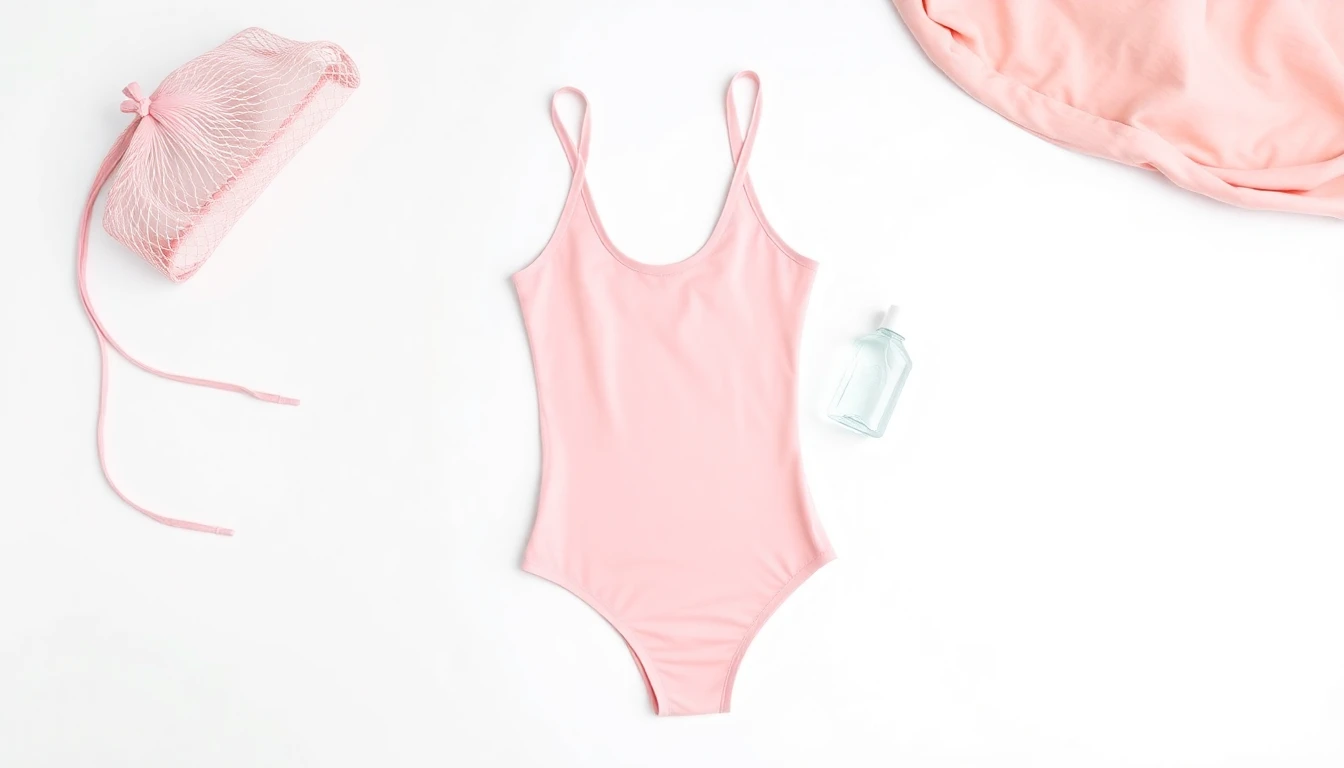
Ballet leotards are made from delicate stretch fabrics — typically nylon-spandex blends or cotton-lycra — that can lose their shape, fade or pill if washed incorrectly. With the right care, a well-made leotard should hold its shape and colour through a full dance year of weekly classes.
Short answer: Ballet leotards are made from delicate stretch fabrics — typically nylon-spandex blends or cotton-lycra — that can lose their shape, fade or pill if washed incorrectly.
Can you machine wash a ballet leotard?
Most ballet leotards can be machine washed, but the settings matter. Use a cold water cycle (30°C maximum), a gentle or delicate programme, and place the leotard inside a mesh laundry bag to protect it from snagging. Turn the leotard inside out before washing to protect the outer surface and any decorative details.
Use a mild liquid detergent rather than a powder — powder can leave residue in the fibres. Avoid fabric softener entirely: it coats the elastane fibres and causes the fabric to lose its stretch over time. Avoid bleach, even diluted, as it breaks down both colour and elastane.
Is hand washing better than machine washing?
Yes, for longevity. Hand washing in cool water with a small amount of mild detergent is gentler on the fabric and elastic than even a delicate machine cycle. Swirl the leotard gently in the water for one to two minutes, then rinse thoroughly with cool clean water until the detergent is completely removed. Do not wring or twist — press the water out gently between your hands.
A useful habit for active students: rinse the leotard in cold water immediately after class, before sweat and salt have time to set into the fabric. This extends the time between full washes and reduces odour build-up.
How to dry a ballet leotard correctly
Never tumble dry a ballet leotard. The heat damages elastane and can cause the fabric to shrink or pucker permanently. After washing, lay the leotard flat on a clean dry towel, reshape it gently, and roll the towel up to press out excess water. Then unfold and leave the leotard flat to air dry, away from direct sunlight (which fades colour) and away from radiators (which damage elastane). Hanging a leotard to dry by the straps stretches the shoulder seams over time — laying flat is always better.
How often should a ballet leotard be washed?
After every wear. Ballet leotards are in direct contact with the skin and absorb sweat during active classes. Wearing a leotard twice without washing leads to odour setting permanently into the fabric. If the leotard is worn more than once a week, rotating between two leotards reduces wear on each one and gives time for thorough drying between wears.
Shop from Zoe Dancewear
Frequently Asked Questions
What temperature should I wash a ballet leotard at?
Wash ballet leotards in cool water — 30°C or below. Hot water degrades the elastane fibers, causing the leotard to stretch out and lose its shape. Cold water is gentler and sufficient to clean dancewear that has been worn in sweat.
Can I put a ballet leotard in the tumble dryer?
No — tumble dryers damage stretch fabrics. The heat breaks down the elastane fibers and can cause the leotard to shrink or become misshapen. Always air dry flat or on a hanger away from direct sunlight.
How often should a ballet leotard be washed?
Wash after every class. Leotards are worn against the skin and absorb sweat. Washing them after each use prevents odor, bacteria build-up and fabric breakdown from salt in perspiration.