
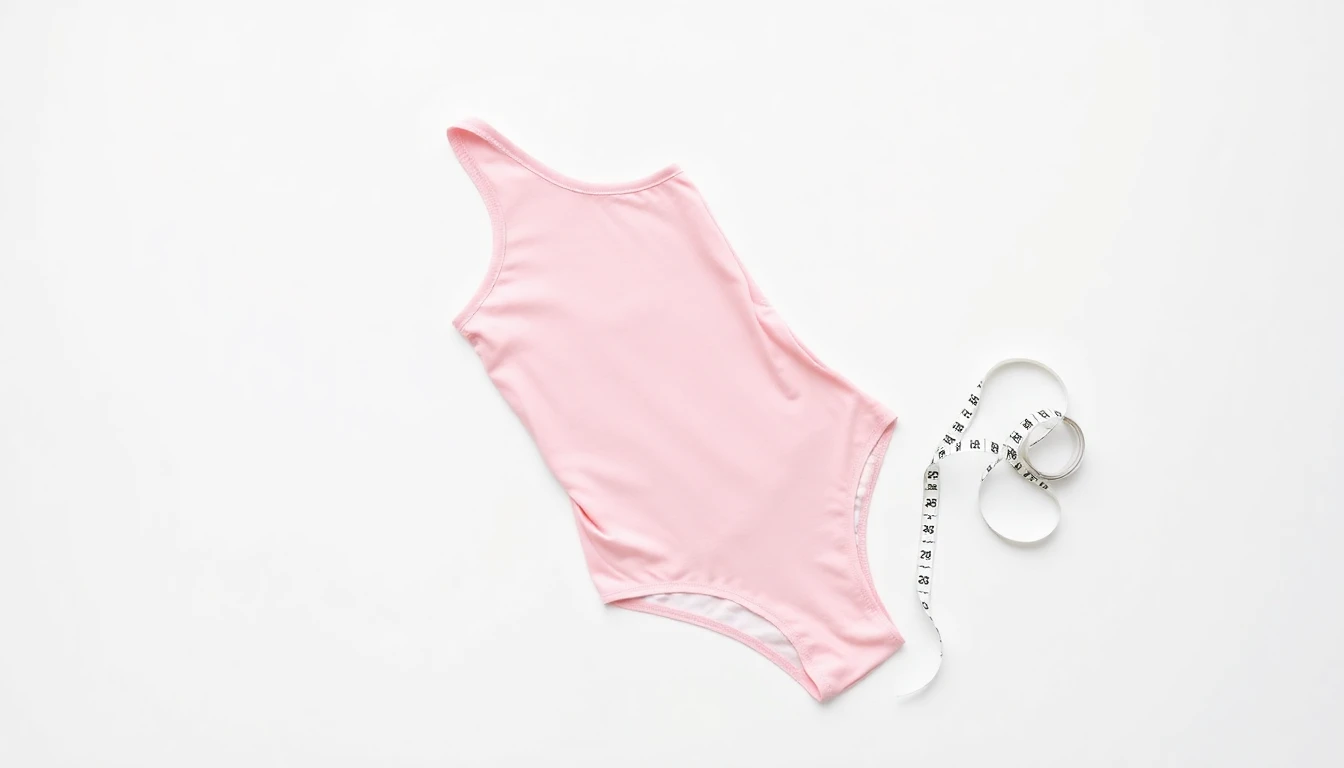
Ballet leotards must fit snugly without restricting movement — too loose and they bunch and wrinkle during class, too tight and they are uncomfortable and may limit range of motion. Most leotard sizing is based on a combination of height and chest measurement, but the most useful single measurement for fit is the girth.
Short answer: Ballet leotards must fit snugly without restricting movement — too loose and they bunch and wrinkle during class, too tight and they are uncomfortable and may limit range of motion.
What measurements do you need for a ballet leotard?
For most children’s leotards, the key measurements are:
- Height — measured from the floor to the top of the head in bare feet, standing straight
- Chest — measured around the widest part of the chest, directly under the armpits, keeping the tape level and not too tight
- Waist — measured around the narrowest point of the waist
- Girth — the single most useful measurement; measured from the top of one shoulder, down through the crotch, and back up to the same shoulder
The girth measurement tells you how long the body of the leotard needs to be from shoulder to crotch. A leotard that is too short in the girth will pull down at the neckline or pull up uncomfortably at the leg opening.
How to take the girth measurement correctly
Have the child stand upright in underwear. Place the end of a soft measuring tape at the top of one shoulder, run it straight down the front of the body, between the legs, and up the back to the same shoulder. Note the number. Take this measurement twice and use the average. This is the girth measurement and is the most reliable predictor of leotard fit for a growing child.
How to choose the right size from a size chart
Most dancewear brands provide size charts with height and chest ranges for each size label. Match the child’s measurements against the chart and, when the measurements fall between two sizes, size up rather than down. Leotards are worn over tights which add a small amount of bulk, and a slightly larger leotard that fits properly is always preferable to one that is technically the right size but feels restrictive.
Note that different brands size differently — a size 6 in one brand may correspond to a size 8 in another. Always use the brand’s own measurement chart rather than relying on age labels.
How to check the fit before buying
If you are shopping in a dance store, have the child try the leotard on over their tights. Ask them to raise both arms overhead: the neckline and shoulder straps should not pull significantly. Have them do a small squat: the crotch seam should not pull down uncomfortably. If the store does not allow trying on, purchase from a retailer with a clear exchange or returns policy in case the size needs to change.
Shop from Zoe Dancewear
Frequently Asked Questions
What is the girth measurement and why is it important for leotards?
The girth is the measurement from the front shoulder, down through the crotch and back up to the back shoulder. This measurement determines whether the torso length is right — a leotard that is too short in the girth will pull and be uncomfortable.
Do I measure over clothes for a ballet leotard?
Take measurements over a thin layer of clothing or an existing leotard. Measuring over bulky clothes will give you a larger number and result in a leotard that is too big. The tape should lie flat against the body with no slack.
My child is between sizes — should I size up or down for a ballet leotard?
Always size up. A slightly larger leotard is wearable and will last a little longer as the child grows. A leotard that is too small will pull at the shoulders, dig in at the leg openings and restrict movement.