
Posted on

Long Sleeve vs Short Sleeve Ballet Leotard: Which to Choose

Long Sleeve vs Short Sleeve Ballet Leotard: Which to Choose

Long sleeve and short sleeve ballet leotards are both acceptable in most dance schools, and the choice often comes down to personal preference, studio uniform requirements, and the time of year. At RAD examination level, the syllabus does not specify sleeve length as a strict requirement for most grades, but many schools have their own uniform lists that do. Always confirm with your studio before purchasing.

Short answer: Long sleeve and short sleeve ballet leotards are both acceptable in most dance schools, and the choice often comes down to personal preference, studio uniform requirements, and the time of year.

When are short sleeve ballet leotards typically worn?

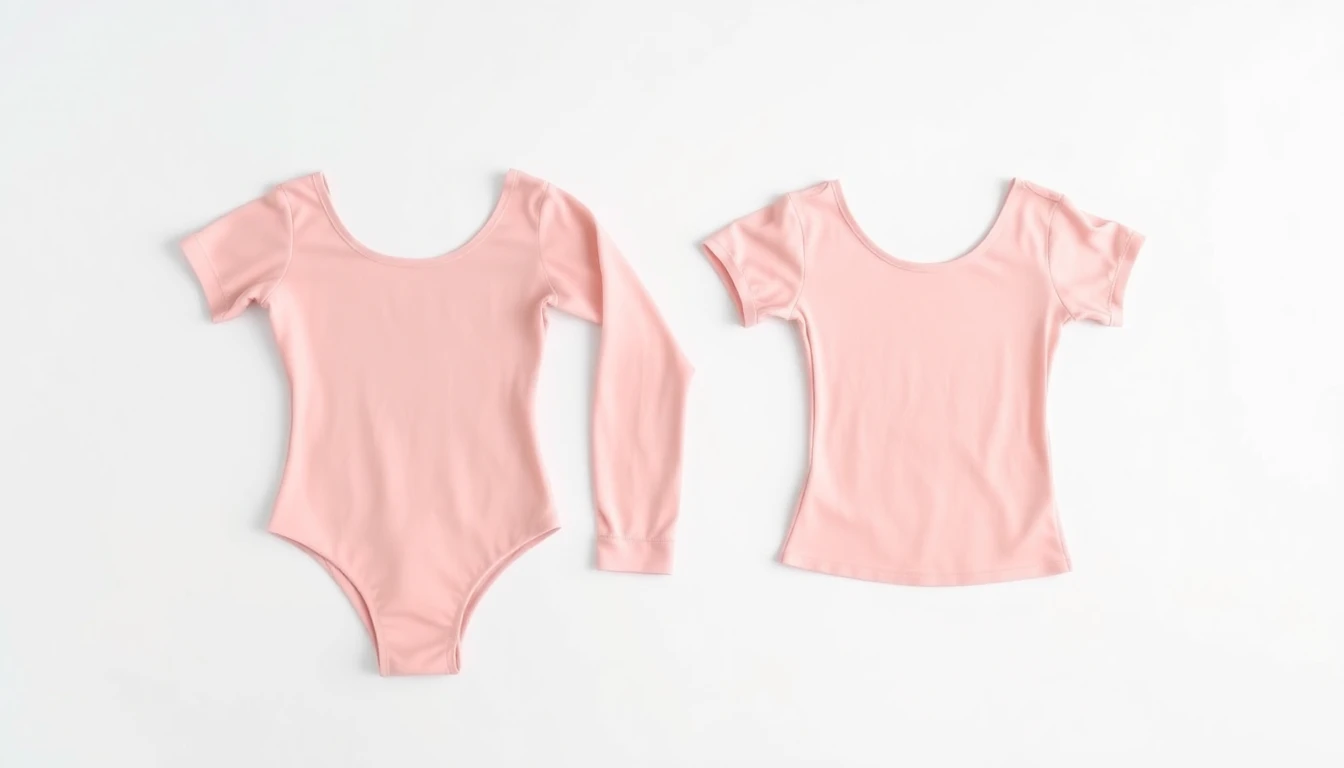
Short sleeve leotards — usually with a cap sleeve or a sleeve that covers the top of the upper arm — are the most common style for children in beginner and graded classes. They offer more coverage than a sleeveless design, which prevents straps from slipping on younger, more energetic dancers, and they are cooler than long sleeve styles for active classes in warm studios.

For Early Years and Foundation level students, a short sleeve leotard is often the default recommendation because it stays in place during the jumping and skipping activities that make up much of a young child’s class.

When are long sleeve ballet leotards worn?

Long sleeve leotards are associated with more advanced ballet training and performance work. At Grades 3 and above in some schools, a long sleeve leotard becomes an option — or a requirement — for class. They are also commonly seen in adult ballet classes and performance contexts where a more polished silhouette is desired.

In colder months, a long sleeve leotard can replace a warm-up cardigan for the early part of class, providing warmth without an extra layer while keeping the arms visible for correction.

Does sleeve length affect how a leotard fits?

Yes. Long sleeve leotards have a longer body length to accommodate the extended sleeve, and the sleeves themselves must be long enough without being too tight across the upper arm. When measuring for a long sleeve style, check the sleeve length against the chart as well as the standard body measurements. For younger children, long sleeves can sometimes ride up during active movement or feel restrictive around the elbow during port de bras. A properly fitted long sleeve leotard should allow the arms to reach fully overhead without pulling at the shoulder seams.

What does the RAD recommend?

The RAD’s current syllabus allows flexibility on sleeve style in most grades, prioritising the overall uniform colour and a neat, uncluttered appearance over specific sleeve length. Some schools issue their own uniform lists with a prescribed style for each grade. If your school has a printed uniform guide, follow it. If there is no specific guidance, a short sleeve or sleeveless leotard in the correct colour is always a safe choice.

Frequently Asked Questions

Is a long sleeve leotard warmer than a camisole for ballet class?

Yes — long sleeves keep the arms and shoulders warmer, which is useful in cold studios. However, many dancers prefer to use a short-sleeve leotard plus a cardigan or wrap top, as the separate warm-up layer can be removed once warm.

Does the RAD specify sleeve length for leotards?

The RAD syllabus specifies leotard color and general style but does not always mandate exact sleeve length. Individual schools may have preferences. Check the school's uniform list as some specify camisole, short sleeve or long sleeve by grade.

Are long-sleeve leotards more restrictive for arm movements?

A well-fitted long-sleeve leotard in a four-way stretch fabric should not restrict arm movements. Cheap or poorly cut long-sleeve styles can pull at the shoulders during high arm positions. Try before you buy, or choose a quality stretch fabric.
Posted on

What to Wear Under a Ballet Leotard: A Parent’s Guide

What to Wear Under a Ballet Leotard: A Parent's Guide

One of the most common questions from parents new to ballet is whether their child should wear underwear under a leotard. The short answer: in ballet, tights usually serve as the underwear layer. For young children, however, wearing small briefs underneath is completely acceptable and often more practical for toilet breaks. As dancers get older and move into more advanced training, purpose-made dance undergarments become the norm.

Do children wear underwear under a ballet leotard?

For young ballet students — typically those under eight or nine years old — wearing soft cotton underwear under the leotard is fine and often recommended for comfort and practicality. At this age the priority is keeping the child comfortable and ensuring easy access for toilet trips mid-class, particularly in Pre-Primary and Primary levels where classes can include young children not yet fully confident with independent bathroom visits.

As students progress, most teachers encourage them to stop wearing regular underwear beneath the leotard, as the visible seams and lines underneath thin leotard fabric can look untidy. Pink footed tights worn over the leotard provide the coverage needed without visible undergarment lines.

What about seamless briefs and dance liners?

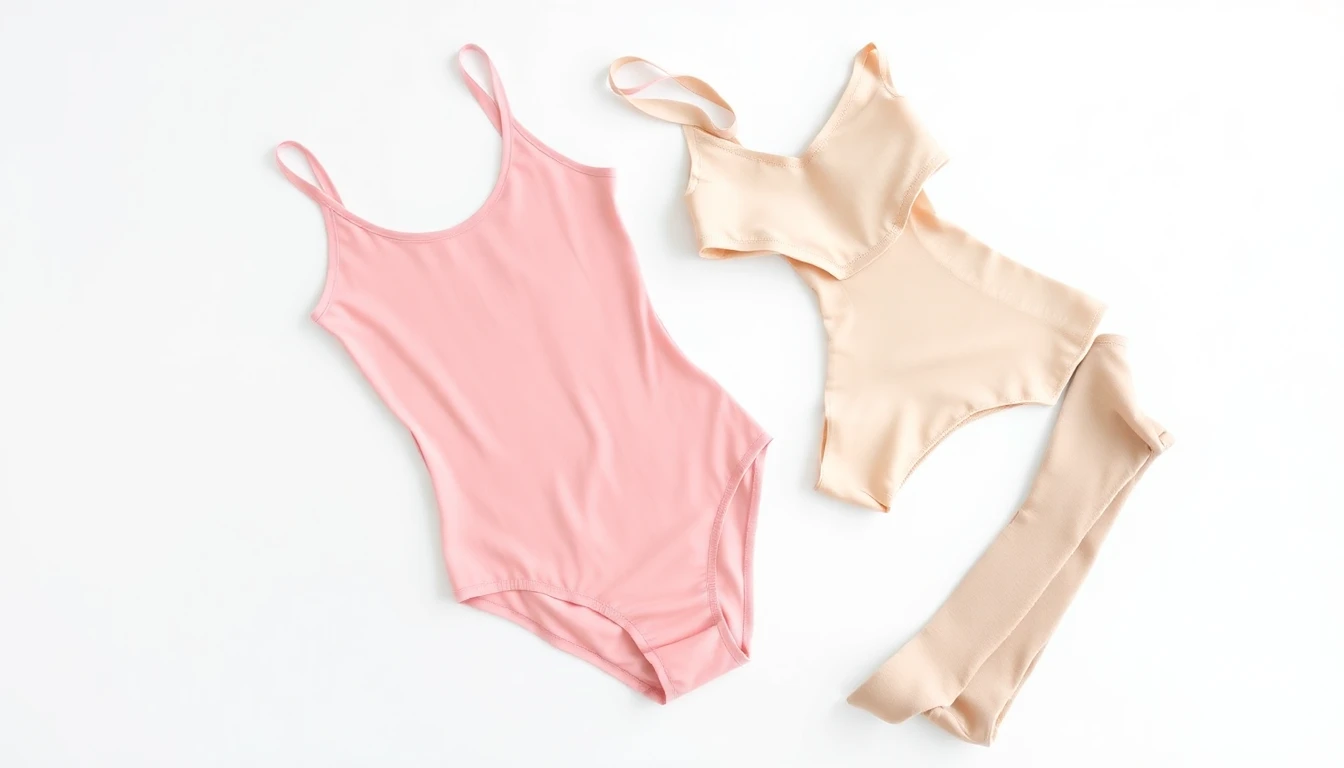
For older students who prefer an extra layer, seamless dance briefs are the correct solution. These are cut high in the leg with flat edges so they cannot be seen through leotard fabric. They are specifically designed for dancewear and differ from regular underwear in both cut and fabric weight. Some advanced students also use a body liner — a thin, full-body layer worn between the skin and the leotard — which smooths the silhouette and reduces visible seams.

Both seamless briefs and body liners are optional in most dance schools. If your studio has a specific policy, it will usually be covered in the welcome letter or uniform guide.

Do older or adult ballet students wear a bra under a leotard?

This depends on personal preference and the leotard design. Many leotards intended for older students include built-in chest lining or removable cups that provide adequate support without a separate bra. For leotards without built-in support, a ballet-specific bra — designed with a low or racer back to stay hidden beneath the leotard — is the correct choice. Standard sports bras with wide back bands are generally not suitable under ballet leotards because the band shows below the back of the leotard.

What about tights — over or under the leotard?

In ballet, tights are traditionally worn over the leotard. This gives a cleaner line through the hips and is the standard convention in most RAD schools. The tights are pulled on last, over the leotard, before shoes and any warm-up layers. Some adult contemporary and barre fitness classes allow tights worn under the leotard, but for graded RAD exams the over-the-leotard convention applies.

See also: For a full guide to what dancers wear under their leotard, see ballet briefs and dance underwear explained.

Frequently Asked Questions

Should young children wear underwear under a ballet leotard?

For young children aged roughly three to seven, wearing small cotton briefs under the leotard is practical and common. It makes toilet trips easier and is more comfortable for children who are not yet used to the feeling of tights and a leotard alone.

Do older students need to wear underwear under a leotard?

For older students and adults, properly fitted tights worn correctly serve as the underwear layer. Wearing additional underwear is a personal preference, but it can create visible lines and bulk that look untidy under tight-fitting dance clothes.

What should a male student wear under ballet tights?

Male students wear a dance belt under their tights. This is the correct undergarment — it provides support and a clean silhouette under form-fitting ballet tights. Regular underwear is not suitable as it creates visible lines and does not support movement.