Posted on

Ballet Leotard Colors by RAD Grade: A Complete Visual Guide

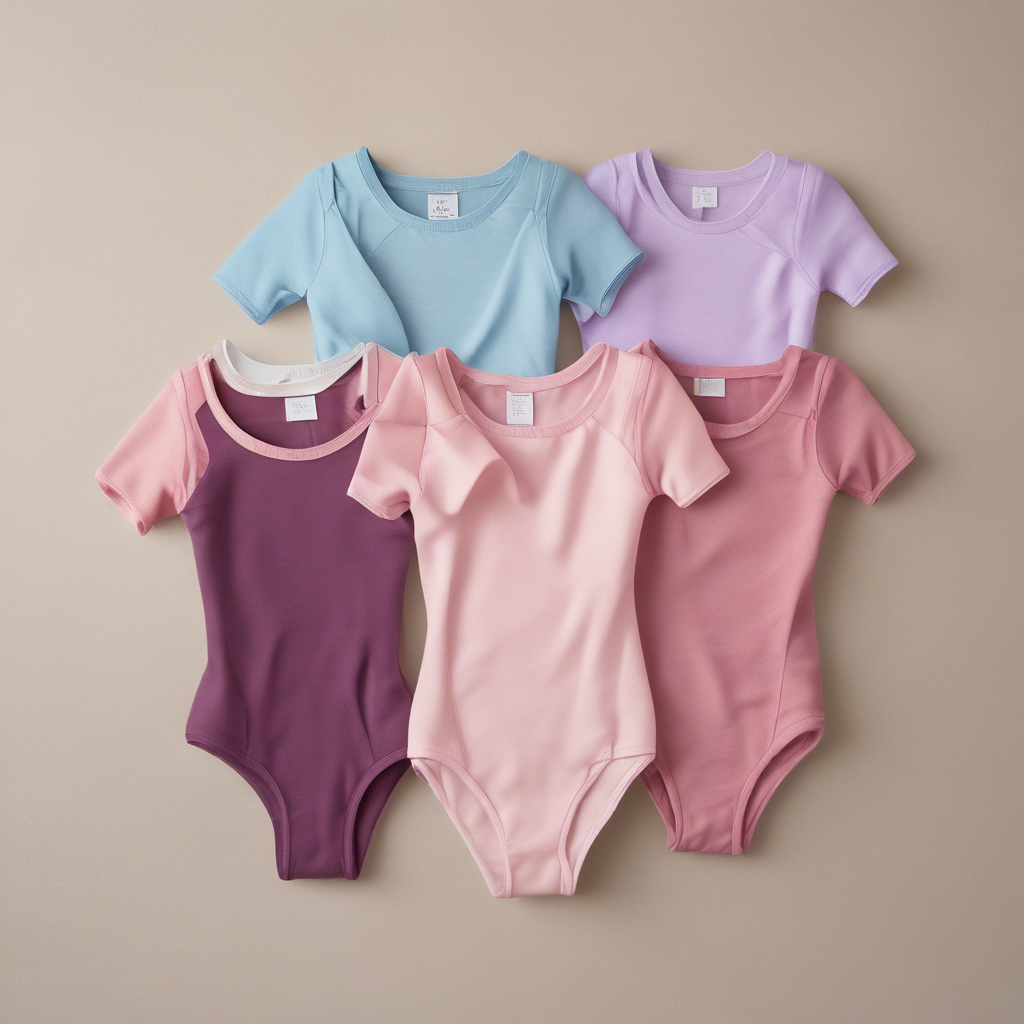
Row of RAD grade ballet leotards in grade colors from pink to purple on cream linen

One of the most searched questions among ballet parents is: “What color leotard does my child need?” The answer depends entirely on which grade they’re in and which exam board their school uses. For Royal Academy of Dance (RAD) schools, here is a complete grade-by-grade color guide — from the very first Pre-Primary class all the way through to the Vocational level.

RAD Ballet Leotard Colors by Grade

The RAD color system is designed so that every grade has a distinct color, making it easy for teachers to identify students at a glance. Here is the standard color progression:

  • Pre-Primary: Candy pink (bright ballet pink) — usually short-sleeved
  • Primary: Candy pink or pale pink — style may change from Pre-Primary
  • Grade 1: Pale blue or ice blue — the first “non-pink” grade at many schools
  • Grade 2: Pale or airforce blue
  • Grade 3: Blue — slightly deeper than Grade 2 at some schools; lilac at others
  • Grade 4: Lilac
  • Grade 5: Lilac or pale purple (varies by school)
  • Grade 6: Purple or deep lilac
  • Grade 7: Purple or burgundy
  • Grade 8: Burgundy or deep purple
  • Intermediate Foundation / Intermediate: Black or dark navy camisole leotard
  • Advanced Foundation and above: Black — typically more formal styles

Note: These are common RAD patterns, not a single mandated universal system. Individual schools may vary shades by one grade, and some have school-specific colors. Always confirm with your school’s written uniform policy.

Why the Colors Change Through the Grades

The progression from pale pink through lilac, purple, and eventually black mirrors the dancer’s journey from beginner to advanced student. Each color shift marks a new level of expectation — technically, physically, and in terms of discipline and presentation. For students, wearing the right color is a badge of their current achievement and a visible signal of their grade to teachers and peers.

What to Do When the Colors Look Similar

Some grade transitions involve shades that look very similar — particularly in the lilac-to-purple range. If you’re buying online and can’t compare the shade in person:

  • Ask the school if they have a color swatch or can name a specific shade
  • Check if the school recommends a specific brand — other parents in the grade can often tell you what worked
  • When buying from a new brand, look for fabric sample swatches or order from a retailer with a free returns policy

Boys’ Leotard Colors in RAD

For male students, the RAD uniform is different. Boys typically wear a white or black fitted top or t-shirt rather than a leotard, with either dance shorts or black tights. The grade color system is primarily applied to girls’ leotards. Boys’ uniform varies significantly by school, so ask the teacher directly for guidance.

What Changes Other Than Color?

As students progress through the grades, the leotard style also evolves. Lower grades (Pre-Primary through Grade 3) often wear short-sleeved leotards; higher grades transition to camisole or sleeveless styles that allow better visibility of arm line and back positioning. Some grades also move from crossover or gathered-waist styles to plain, undecorated leotards.

Frequently Asked Questions

My child was recently promoted. Does she need the new color right away?

Most schools allow a grace period of 2–3 weeks after a grade promotion to source the new uniform. Communicate with the teacher so they know you’re working on it.

Can my daughter keep wearing her old color in class while we wait for the new leotard?

For a week or two, yes — most teachers understand. Beyond that, wearing the wrong grade color can cause confusion in class and occasionally affects morale (the student herself usually wants to wear the right color).

My school says “lilac” but the leotards I’m finding online look purple. Are they the same?

Not exactly. Lilac is a lighter, softer purple-pink; purple is deeper and more saturated. If you’re unsure, ask the school to confirm the shade name they use or whether they can show you a physical sample.

Posted on

Do Ballet Leotards Run Small? How to Size Up Correctly

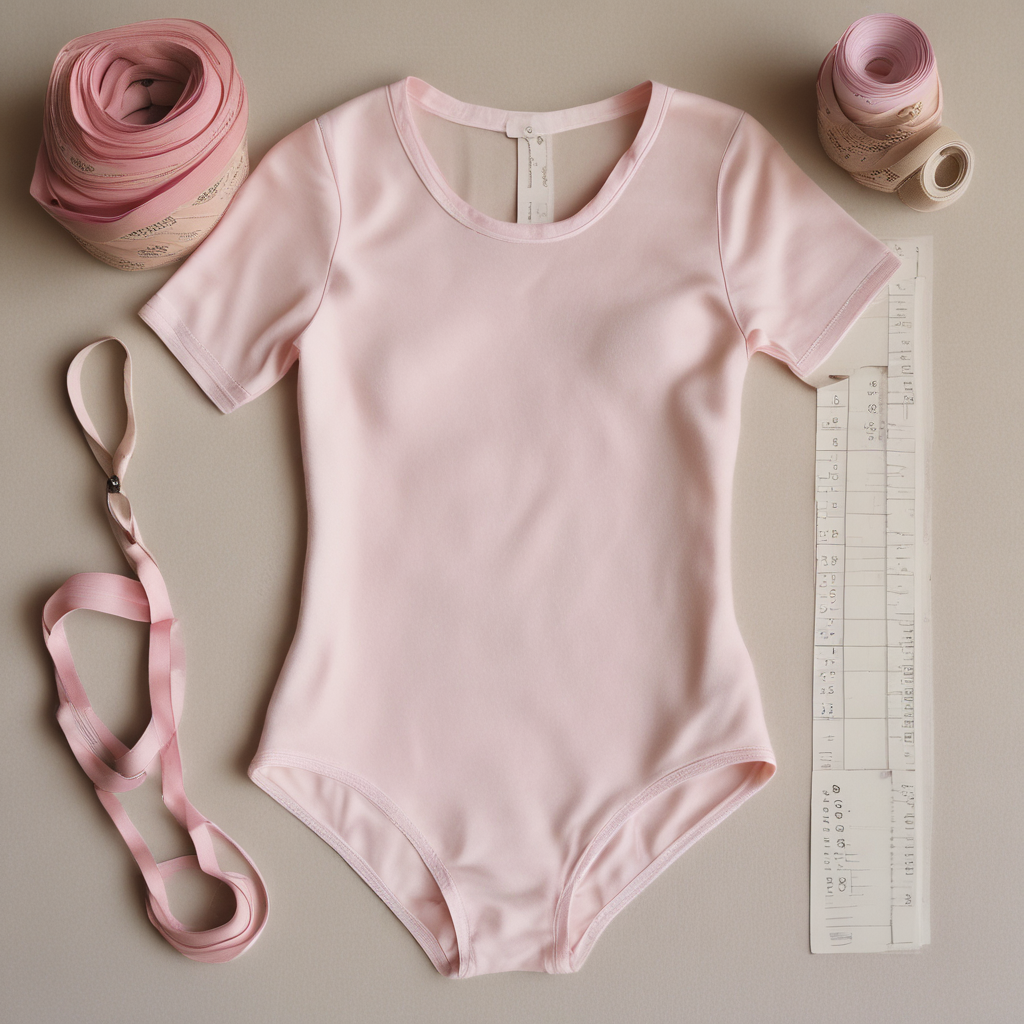
Ballet leotard with measuring tape and size chart for sizing guide on cream linen

If you’ve ever ordered a ballet leotard in your child’s usual clothing size and found it too small on arrival, you’re not alone. Ballet leotards consistently run smaller than standard clothing, and understanding why — and how to measure correctly — will save you the hassle of returns and exchanges.

Why Do Ballet Leotards Run Small?

Ballet leotards are designed to fit close to the body for two reasons: to allow teachers to see the dancer’s alignment and body line, and to prevent fabric from bunching or shifting during movement. A leotard with excess fabric looks untidy and can interfere with port de bras (arm movements) if the back gapes or the straps shift.

Because of this, manufacturers cut ballet leotards to a snugger standard than everyday activewear. The fabric itself is usually high-stretch, so the leotard stretches to fit the body rather than having excess fabric built in. This is correct — but it does mean that the size label doesn’t correspond to street clothing sizes.

How Much Smaller Do They Run?

The difference varies by brand and age range:

  • For children’s leotards, many brands run approximately one size smaller than standard clothing (a child who wears age-8 clothing may need an age-10 leotard)
  • For adult leotards, sizing often corresponds to bust measurement rather than dress size, and can run 1–2 sizes smaller than a regular top
  • Within the same brand, the sizing is usually consistent — once you know your child’s leotard size in a brand, you can usually reorder in the same size

How to Measure for a Ballet Leotard

Don’t rely on clothing size or age. Measure directly:

  1. Chest: measure around the fullest part of the chest, keeping the tape parallel to the floor
  2. Waist: measure around the natural waist, typically 2–3 cm above the belly button
  3. Height: most brands include height in their size chart as it affects the torso length

Match these three measurements against the brand’s specific size chart. Height is often the deciding factor for children — a tall child with a slim build needs a leotard with a longer torso, even if their chest and waist measurements are average.

What Happens If the Leotard Is Too Small

A leotard that’s too small will:

  • Pull at the hips and restrict leg movement
  • Cut into the shoulders and straps if the torso is too short
  • Create an uncomfortable wedge effect that’s distracting in class
  • Cause the child to tug at the leotard during class, which teachers find disruptive

What Happens If the Leotard Is Too Large

A leotard that’s too big:

  • Bunches at the chest and back, obscuring line
  • Allows the straps to fall off the shoulders
  • May have excess fabric at the gusset, which looks untidy

A slightly large leotard is preferable to a slightly small one — it won’t cause physical discomfort. But very oversized leotards look sloppy and the child will grow out of them faster than expected.

When to Size Up Proactively

If your child is between sizes or is currently in a rapid growth phase, size up. A slightly larger leotard looks better than one that’s visibly too tight, and it extends the leotard’s usable life by several months.

For the full guide to measuring your child for dancewear, see our How to Measure for a Ballet Leotard guide.

Frequently Asked Questions

My child is between ages 8 and 10 on the size chart. Which should I order?

Size up to age 10. You can always adjust fit slightly with accessories (like a belt pulling in the waist) but there’s no way to make a leotard larger once purchased.

Do adult ballet leotards run small too?

Yes, typically. Adult dancewear sizing is often based on bust measurement rather than standard dress size, and garments are cut to fit snugly. Check the brand’s specific chart and measure before ordering.

Why did my daughter’s leotard shrink after washing?

High-stretch fabrics can lose some elasticity if washed in hot water or tumble dried. Always wash ballet leotards at 30°C in a gentle cycle and hang or lay flat to dry.

Posted on

Lilac Ballet Leotard Guide: Which RAD Grades Wear Lilac?

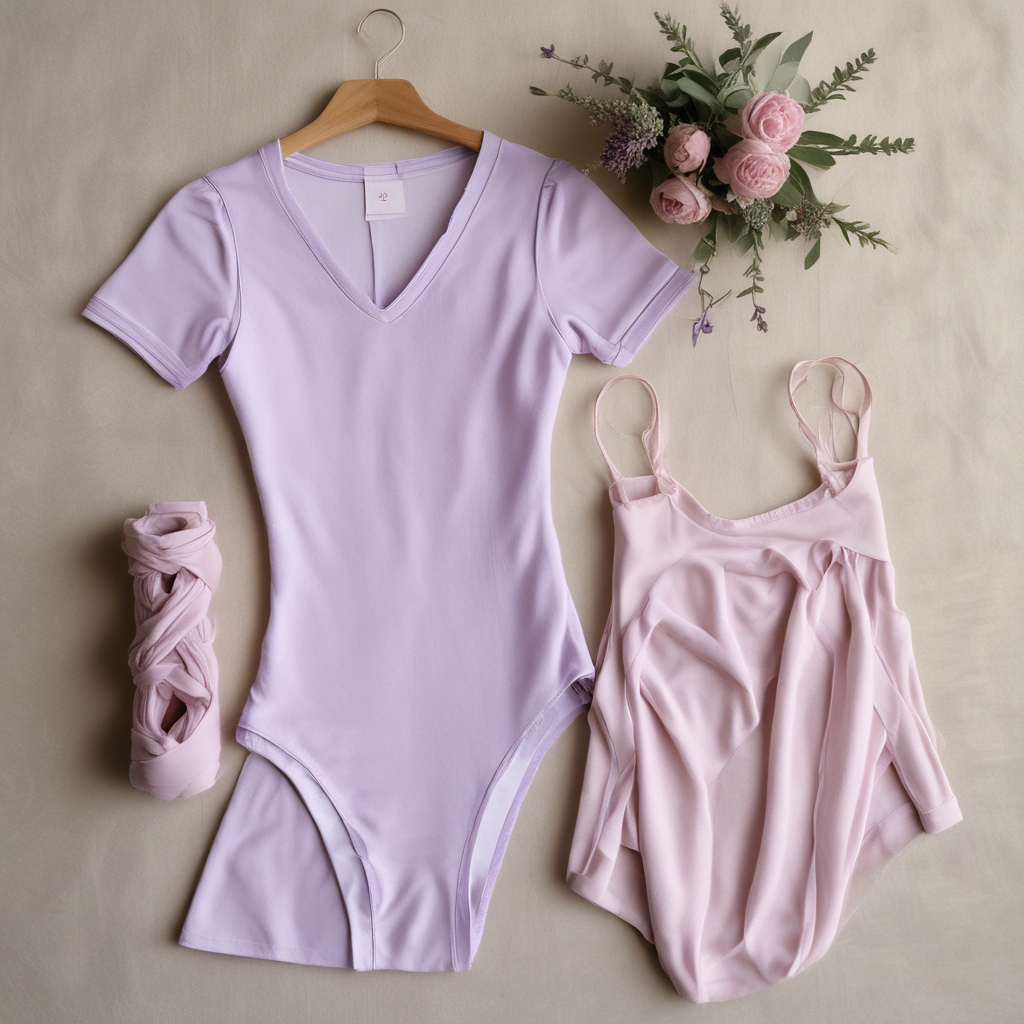
Lilac RAD Grade 4-5 ballet leotard and skirt set flat lay on cream linen

The transition from blue to lilac marks a significant step in a young dancer’s RAD journey. Lilac leotards are typically introduced at Grade 4 or Grade 5, depending on the school, and they carry a more mature, elegant feel than the candy pinks and pale blues of earlier grades. If your child has recently been promoted to Grade 4 or 5 and you’re trying to find the right lilac leotard, this guide covers everything you need to know.

Which RAD Grades Wear Lilac?

In standard RAD uniform practice, lilac is assigned to Grade 4 and Grade 5. Some schools use the same shade for both grades; others make a subtle distinction. The shift to lilac signals the transition into the intermediate tier of RAD training, where technique becomes more demanding and performance quality is assessed more rigorously in examinations.

If you’re unsure whether your child’s school uses lilac for Grade 4 or Grade 5 specifically, ask the teacher. Individual schools may also use pale lavender or soft purple in this range, so always confirm the exact shade.

What Shade of Lilac Is Correct?

The RAD-approved lilac is a soft, medium-toned purple-pink — not gray-lavender, not dusty mauve, and not deep purple. It reads as a gentle lilac in natural light, similar to the color of lilac flowers. Shade names vary by brand: “lilac,” “soft lilac,” “ballet lilac,” and “pale violet” are all terms used for approximately the same color.

The best approach is to compare swatches in person before purchasing, or to buy from a brand already used by other families at the same school so you can check side by side.

Style Requirements for Grade 4 and 5 Leotards

By Grade 4, most RAD schools expect a more streamlined leotard style — typically a camisole or low-back leotard rather than the short-sleeved styles worn in lower grades. The transition away from sleeves reflects the increased focus on port de bras (arm movement) and line assessment at exam level. A sleeveless or camisole cut allows teachers to observe shoulder placement and upper body alignment more easily.

Some schools also ask for a specific back style, so check the school’s written uniform policy before purchasing.

What to Pair with a Lilac Leotard

The standard pairing for a lilac leotard is:

  • Pink ballet tights — standard ballet pink footed or convertible tights remain correct across all RAD grades unless otherwise specified
  • Pink canvas or leather ballet shoes — tied neatly with an elastic or ribbon depending on school preference
  • Elastic belt — in pink or white, still required at Grade 4–5 in most RAD schools
  • Hair in a bun — securely pinned, with no loose strands

Buying the Right Lilac Leotard: What to Look For

When shopping for a Grade 4 or 5 leotard, look for these features:

  • Fabric: nylon-lycra or polyester-spandex for shape retention and easy washing
  • Gusset: a lined gusset is important for comfort in class, especially at this more active training level
  • Sizing: dancewear runs small — measure your child’s chest, waist, and height against the size chart and size up if between sizes
  • Shade: compare to the school’s sample before purchasing online if possible

Frequently Asked Questions

Is lilac the same as lavender for ballet leotards?

They’re very similar but not identical. Lavender tends to be a softer, grayer tone, while lilac is a slightly warmer, more pink-purple. For RAD purposes, both terms are often used interchangeably. Check your school’s swatch to confirm.

My child is starting Grade 4 in September. When should I buy the new leotard?

Buy it 2–3 weeks before term starts so you have time to exchange if the size or shade isn’t right. Don’t wait until the week before — dancewear sizes sell out quickly at the start of term.

Can my daughter wear her old blue leotard until the lilac one arrives?

Most teachers are understanding for the first week or two of a new grade. Communicate with the school in advance and they’ll usually give a short grace period.

Posted on

Long Sleeve vs Short Sleeve Ballet Leotard: Which to Choose

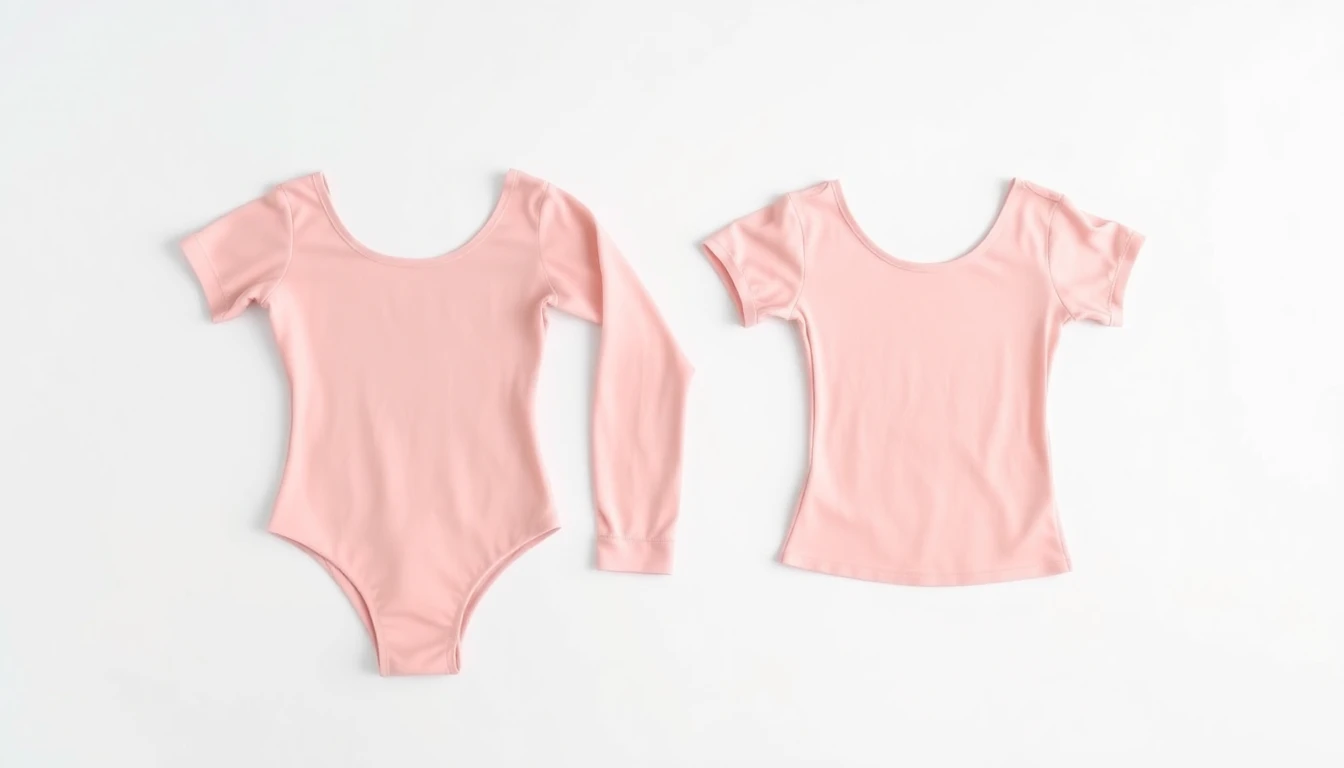
Long Sleeve vs Short Sleeve Ballet Leotard: Which to Choose

Long sleeve and short sleeve ballet leotards are both acceptable in most dance schools, and the choice often comes down to personal preference, studio uniform requirements, and the time of year. At RAD examination level, the syllabus does not specify sleeve length as a strict requirement for most grades, but many schools have their own uniform lists that do. Always confirm with your studio before purchasing.

Short answer: Long sleeve and short sleeve ballet leotards are both acceptable in most dance schools, and the choice often comes down to personal preference, studio uniform requirements, and the time of year.

When are short sleeve ballet leotards typically worn?

Short sleeve leotards — usually with a cap sleeve or a sleeve that covers the top of the upper arm — are the most common style for children in beginner and graded classes. They offer more coverage than a sleeveless design, which prevents straps from slipping on younger, more energetic dancers, and they are cooler than long sleeve styles for active classes in warm studios.

For Early Years and Foundation level students, a short sleeve leotard is often the default recommendation because it stays in place during the jumping and skipping activities that make up much of a young child’s class.

When are long sleeve ballet leotards worn?

Long sleeve leotards are associated with more advanced ballet training and performance work. At Grades 3 and above in some schools, a long sleeve leotard becomes an option — or a requirement — for class. They are also commonly seen in adult ballet classes and performance contexts where a more polished silhouette is desired.

In colder months, a long sleeve leotard can replace a warm-up cardigan for the early part of class, providing warmth without an extra layer while keeping the arms visible for correction.

Does sleeve length affect how a leotard fits?

Yes. Long sleeve leotards have a longer body length to accommodate the extended sleeve, and the sleeves themselves must be long enough without being too tight across the upper arm. When measuring for a long sleeve style, check the sleeve length against the chart as well as the standard body measurements. For younger children, long sleeves can sometimes ride up during active movement or feel restrictive around the elbow during port de bras. A properly fitted long sleeve leotard should allow the arms to reach fully overhead without pulling at the shoulder seams.

What does the RAD recommend?

The RAD’s current syllabus allows flexibility on sleeve style in most grades, prioritising the overall uniform colour and a neat, uncluttered appearance over specific sleeve length. Some schools issue their own uniform lists with a prescribed style for each grade. If your school has a printed uniform guide, follow it. If there is no specific guidance, a short sleeve or sleeveless leotard in the correct colour is always a safe choice.

Frequently Asked Questions

Is a long sleeve leotard warmer than a camisole for ballet class?

Yes — long sleeves keep the arms and shoulders warmer, which is useful in cold studios. However, many dancers prefer to use a short-sleeve leotard plus a cardigan or wrap top, as the separate warm-up layer can be removed once warm.

Does the RAD specify sleeve length for leotards?

The RAD syllabus specifies leotard color and general style but does not always mandate exact sleeve length. Individual schools may have preferences. Check the school's uniform list as some specify camisole, short sleeve or long sleeve by grade.

Are long-sleeve leotards more restrictive for arm movements?

A well-fitted long-sleeve leotard in a four-way stretch fabric should not restrict arm movements. Cheap or poorly cut long-sleeve styles can pull at the shoulders during high arm positions. Try before you buy, or choose a quality stretch fabric.