Posted on

Dance Dresses and Skirted Leotards: When and How to Wear Them

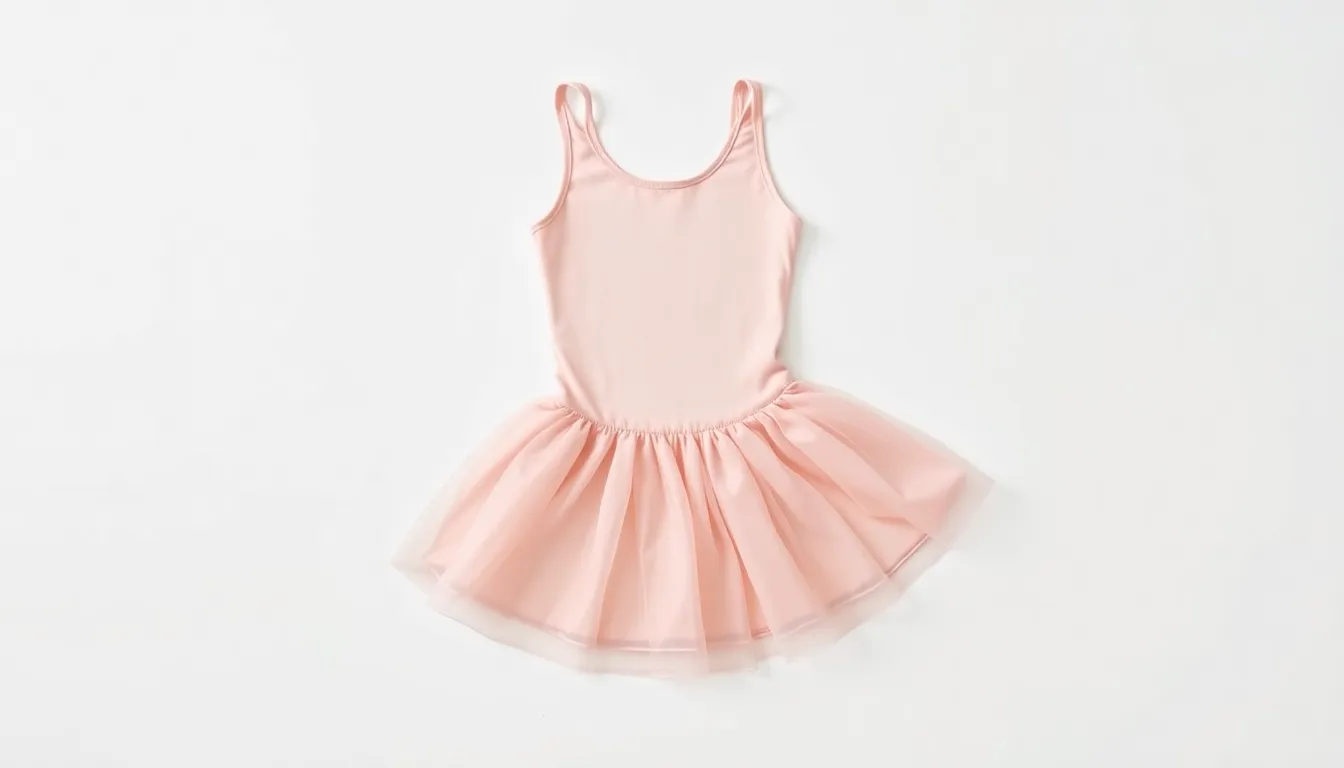
A dance dress or skirted leotard is a single garment that combines a fitted leotard bodice with an attached skirt — either a gathered, chiffon, mesh or tulle skirt stitched directly to the waist. They eliminate the need for a separate skirt layer and give a neat, unified look for performances, festivals and certain types of ballet class. They are most common in early-years ballet, dance festivals, end-of-year shows and adult recreational classes.

Dance Dress vs Leotard and Separate Skirt: What Is the Difference?

A leotard worn with a separate wrap skirt can be adjusted — the skirt can be removed after barre work, or replaced with a different skirt for a different class. A skirted leotard or dance dress is a single piece where the skirt is permanently attached. The advantage is a neater appearance with no risk of the skirt shifting or coming undone. The disadvantage is less versatility — the skirt cannot be removed or swapped. For examinations and performances, the integrated look of a dance dress is often preferred.

Skirted Leotards for Young Children

Skirted leotards and dance dresses are especially popular for pre-primary and primary ballet students. They give a complete, balanced look without parents needing to manage a separate skirt layer. Soft tulle or chiffon attached to a camisole or cap sleeve bodice is the most common style. In RAD classes, the skirted leotard should match the grade colour if it replaces a plain leotard — check with the teacher before buying.

Dance Dresses for Adult Classes

Adult ballet students who prefer a skirt but want a more streamlined look often choose skirted leotards or wrap-style dance dresses. A chiffon skirt attached to a camisole leotard in black or navy gives a professional appearance without the bulk of a separate wrap skirt. Some adult class teachers specify a skirted leotard for certain styles of class — particularly where the skirt is part of the choreographic aesthetic, as in balletic contemporary classes.

Performance and Recital Dance Dresses

For end-of-year shows and ballet festivals, children’s classes often wear matching dance dresses rather than individually assembled outfits. The teacher or school specifies the dress — often in a specific shade or with a particular skirt shape — and parents order it from the school’s designated supplier. These dresses usually need to withstand multiple performances and should be washed according to the care label to maintain the skirt’s volume.

How to Choose a Dance Dress or Skirted Leotard

Consider: the type of skirt (tulle for structured volume, chiffon for flowing softness, mesh for a modern look); the bodice style (camisole for warm weather, long sleeve for cool studios); the colour (grade-specific for RAD class, or teacher’s preference); and the size (measure the chest and hips and check the size chart, as skirted leotards often size differently from plain leotards due to the added skirt structure at the waist).

Frequently Asked Questions

Can a skirted leotard be worn instead of a plain leotard for RAD exams?

This depends on the RAD grade and the exam board’s current requirements. Some grades allow a skirted leotard; others specify a plain leotard and a separate skirt. Always confirm with your teacher before purchasing for an examination.

How do you wash a skirted leotard?

Hand wash or machine wash on a delicate cold cycle in a mesh laundry bag. Turn inside out to protect the skirt from snagging. Do not tumble dry — hang to air dry, shaking the skirt out gently to restore its shape. Iron the skirt on a cool setting if needed, not the bodice.

Are dance dresses the same as ballet costumes?

Not quite. A dance dress or skirted leotard is suitable for class, festivals and light performances. A ballet costume is a more elaborate garment made specifically for a performance — often with more detailed construction, embellishment and a specific aesthetic related to the production.
Browse leotards and dance dresses at ZoeDancewear

Posted on

Types of Ballet Tutus: Classical, Romantic and Practice Tutus

Short answer: the main types of ballet tutus are the classical tutu (a stiff, flat skirt that sticks out from the hips), the romantic tutu (a soft, longer, bell-shaped skirt) and the practice tutu (a light skirt used in class and rehearsal). Each suits a different style of ballet.

What is a classical tutu?

The classical tutu, sometimes called a platter tutu, has a flat, stiff skirt that extends horizontally from the hips. Many layers of net are sewn into a firm basque. It shows off the legs and fast footwork, so it is used in classical ballets that feature technical dancing.

What is a romantic tutu?

The romantic tutu is soft and bell-shaped, falling below the knee, usually to mid-calf. It is made of layers of soft tulle that drift as the dancer moves. It suits ballets with a dreamy, ethereal mood.

What is a practice tutu?

A practice tutu is a lighter, simpler tutu worn in class or rehearsal. It lets dancers get used to the feel and weight of a skirt without wearing a full costume. It is also the type most children’s classes use, usually with an elastic waistband.

How do they compare?

Type Shape Length Typical use
Classical Flat and stiff Short, from the hips Classical stage works
Romantic Soft bell Mid-calf Dreamy, lyrical ballets
Practice Soft and light Thigh to knee Class and rehearsal

What should I choose for a child?

For classes, a soft practice tutu or a light tulle skirt is best. Stage tutus are costume pieces made for a specific performance, so they are usually provided by the school or company. For a recital, ask the teacher which style is required before buying.

What is a tutu made of?

  • Tulle or net. The main skirt fabric, available in soft or stiff finishes.
  • Basque. The fitted bodice and waist piece of a stage tutu.
  • Elastic. Used for practice and children’s skirts.

How do I care for a tutu?

Store it flat or hung, never crushed. Spot-clean gently and avoid machine washing for stage tutus. Fluff the layers by hand after each use.

What other tutu styles are there?

Style Description
Pancake tutu A very flat classical tutu, like a pancake.
Bell tutu A shorter, rounded style that sits between classical and romantic.
Powderpuff tutu A fluffy, shorter tutu with a rounded shape.
Children’s tutu A soft, lightweight skirt for young dancers.

How are stage tutus made?

Stage tutus are made by hand, with many layers of net sewn onto a fitted basque. The basque is boned to hold the shape and fitted to each dancer. A professional tutu can take many hours to make and is fitted precisely, which is why it is not a casual purchase.

Where is each style used?

  • Classical tutus appear in works built on bright, technical dancing.
  • Romantic tutus appear in works with ghostly, dreamy scenes.
  • Practice tutus appear in class, rehearsal and school shows.

What should parents do?

Most families only need a simple practice skirt or tutu for class. For a performance, ask the teacher what costume is needed and whether the school provides it before buying. This saves money and avoids mismatches.

Posted on

Types of Ballet Skirts: Wrap, Pull-On, Chiffon and Mesh

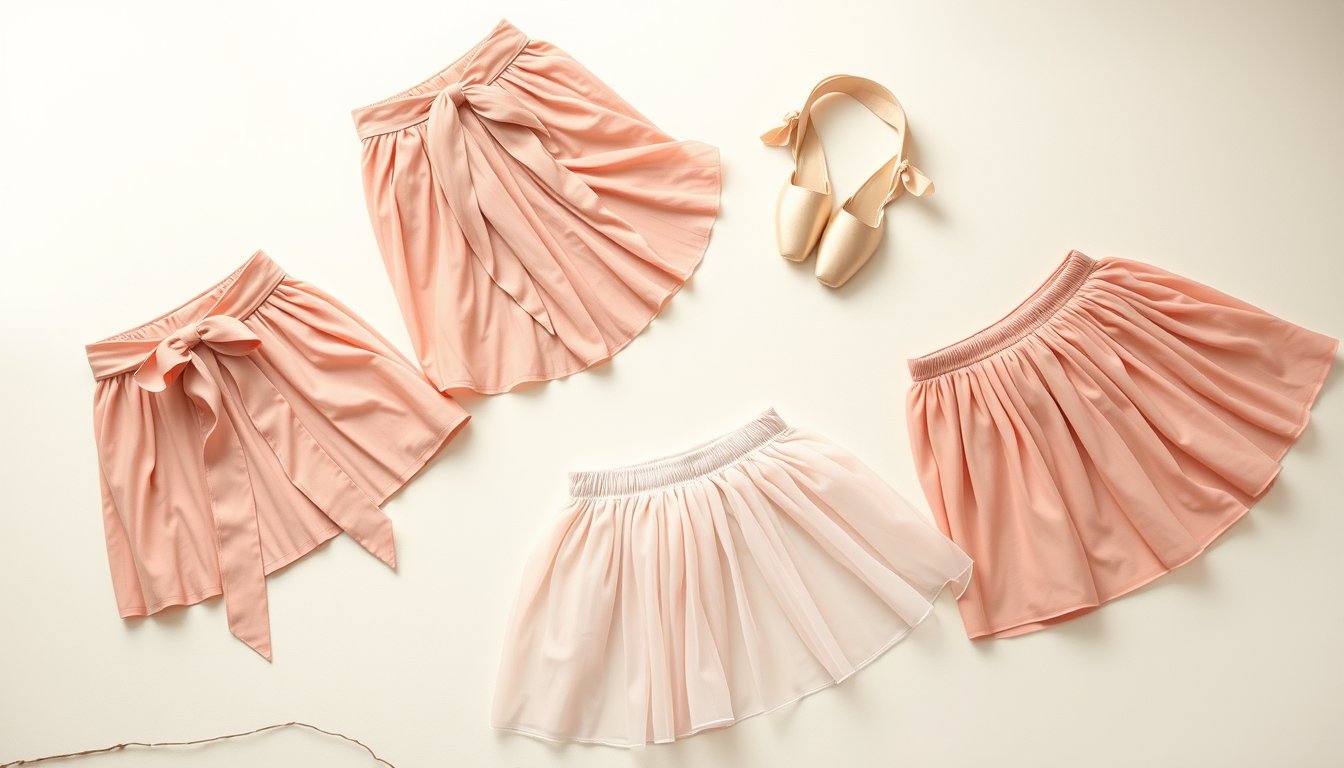
Short answer: the main ballet skirts are wrap skirts (tied at the waist), pull-on skirts (with an elastic waist), chiffon or georgette skirts (light and flowing), mesh skirts (a little firmer) and tulle skirts (soft and full). Chiffon wrap and pull-on skirts are the most common in class.

What are the main types?

Type Fabric How it fastens Best for
Wrap skirt Chiffon or georgette Ties at the waist Class, teens and adults
Pull-on skirt Chiffon or mesh Elastic waist Young children
Chiffon skirt Light, flowing Wrap or elastic Class and exams
Mesh skirt Firmer, slightly sheer Elastic Class, with more body
Tulle skirt Soft, full net Elastic Early Years and performance

How do I choose?

  • Age. Young children usually find pull-on skirts easiest. Older dancers like the adjustable wrap.
  • School rules. Some schools require a skirt for certain levels and a specific color.
  • Movement. Choose a skirt light enough to move without covering the legs.
  • Length. Short to mid-thigh for beginners, longer for older dancers if the school allows it.

What is the difference between chiffon and mesh?

Chiffon is very light and floats when the dancer moves. Mesh has a bit more body, so it keeps its shape and does not cling. Both are used for ballet skirts, and the choice is mostly about the look and feel the dancer prefers.

Are skirts required for ballet class?

Not always. Some schools require one at certain levels, others do not. Skirts are often removed for the barre if the teacher asks. Always check your uniform list.

How do I look after them?

  1. Wash gently in cool water, in a mesh bag, or by hand.
  2. Do not wring or tumble dry.
  3. Hang to dry. Iron on low only if needed, with a cloth over the fabric.
  4. Store hung or flat to prevent creases.

How do I choose the size?

Use waist and height. A wrap skirt should overlap by a few inches, while a pull-on skirt should sit comfortably without rolling. See our size guide, and size up if between sizes.

How long should a ballet skirt be?

For beginners, a short skirt at the thigh or just above the knee is the usual choice. It lets the teacher see the knees and legs clearly. For older dancers, a longer chiffon skirt to the knee or mid-calf looks elegant and is used for some classes and performances. Always check whether your school sets a maximum length.

What colors are common?

  • Black. Classic and smart, common at older levels.
  • Ballet pink. Traditional for younger dancers.
  • Lilac, lavender and pale blue. Popular pastel choices.
  • White. Used for Early Years and performances.

How should a skirt move?

A good ballet skirt floats during a turn and settles softly. If it clings to the legs or hides them, it is too heavy. If it flies up too quickly, it may be too light for class. Try the skirt on at home with a simple turn to check it moves well.

Should I buy more than one?

One skirt is enough to start. A second in a different color gives variety, and a spare is useful if one is in the wash. Keep a skirt for exams or shows that is only worn for those occasions.

Posted on

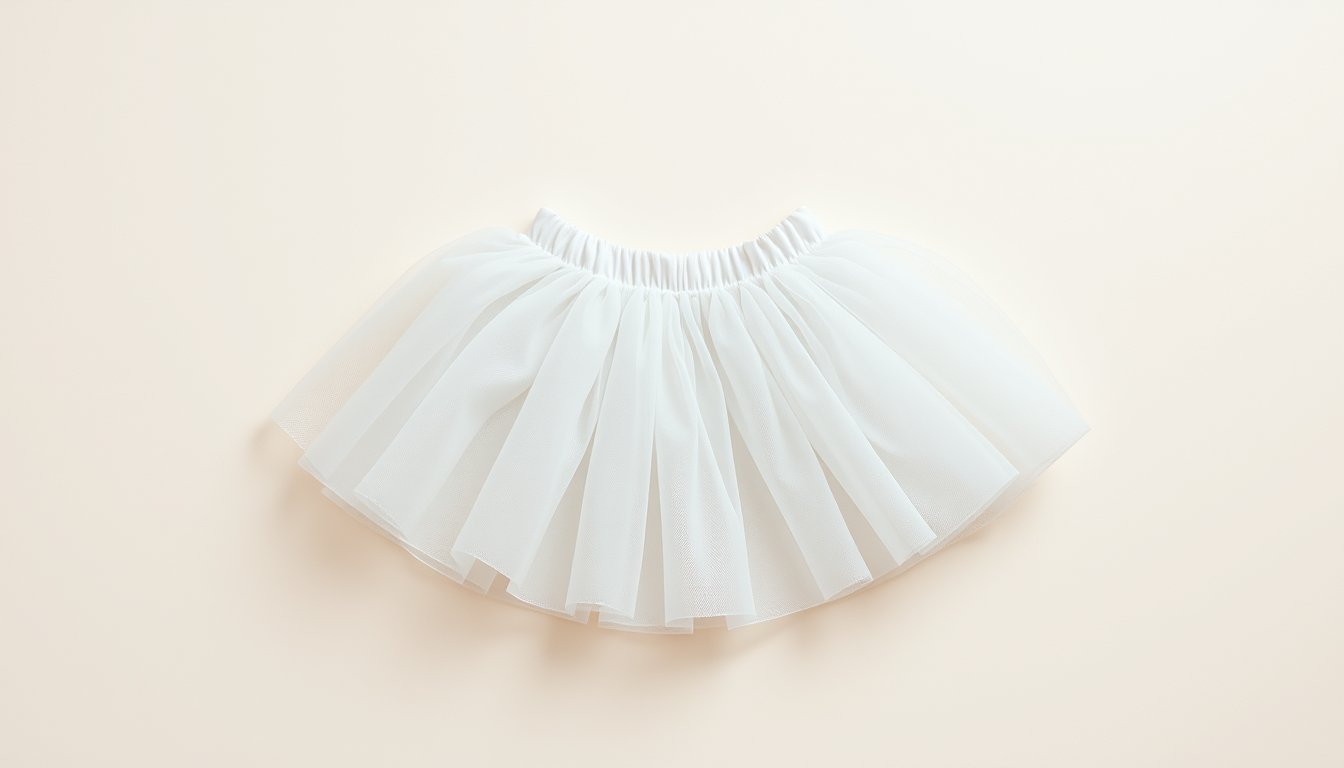
White Tutu Skirt for Early Years Ballet: What Parents Should Know

Short answer: a white tutu skirt is a soft, fluffy skirt worn over a leotard in Early Years ballet classes. It adds fun and helps children feel like ballerinas. Choose a lightweight, elastic-waist skirt that fits snugly at the hips and sits at about the thigh or knee.

What is a tutu skirt for?

In early classes, children learn through play and imagination. A tutu skirt makes the class feel special and encourages children to move gracefully. It is also a gentle way to introduce the idea of a uniform. Many schools use a simple tutu skirt for the youngest dancers and move to a chiffon or wrap skirt at the next level.

How is it different from a stage tutu?

Class tutu skirt Stage tutu
Weight Light and soft Stiff and structured
Waist Elastic Fitted bodice or hook-and-eye
Use Class and play Performances

What should I look for?

  • Soft layers. Soft tulle that does not scratch the skin.
  • Elastic waist. Comfortable and easy for a child to pull on.
  • Light weight. Heavy skirts tire small dancers.
  • Short length. A skirt that sits at the thigh lets the teacher see the legs.
  • Colors. White is the classic choice. Ask the school if it prefers a color.

How should it fit?

The waistband should sit at the natural waist and stay put without leaving a mark. The skirt should not drag on the floor. If the child is between sizes, choose the larger one for a growing child, and check the waist with a finger gap.

How do I care for it?

  1. Spot-clean marks with a damp cloth where possible.
  2. Wash gently by hand, in cool water, or in a mesh bag.
  3. Hang to dry and fluff the layers with your hands.
  4. Store it hung or loosely folded, so the tulle does not flatten.

Do all Early Years classes need a tutu?

No. Some schools ask for a leotard only, and others allow any skirt. Check your uniform list. Our size guide will help you choose the right size.

What is the best way to dress a toddler in a tutu?

Put the leotard and tights on first. Then slip the tutu over the legs and pull it up to the waist, with the elastic sitting at the natural waist. Check the skirt sits evenly all around. For very young dancers, practice at home, so dressing is part of the fun and not a rush before class.

What if the skirt scratches?

  • Choose a skirt with a soft inner lining.
  • Wash it before the first class, as it can soften the net.
  • Make sure the leotard covers the waist so the net does not touch bare skin.
  • Avoid very stiff net for young children.

How do I keep a white skirt clean?

White shows marks easily. Keep it in a clean bag, away from dark items that can transfer dye. Spot-clean marks as soon as possible with a damp cloth and mild soap. If the skirt turns gray, soak it gently in cool water with a little mild soap and rinse well.

Can the skirt be used for performances?

A light class skirt can work for a simple school show, but stage costumes are usually separate. Ask your teacher before the show to find out whether the school provides costumes or asks you to buy a specific one.