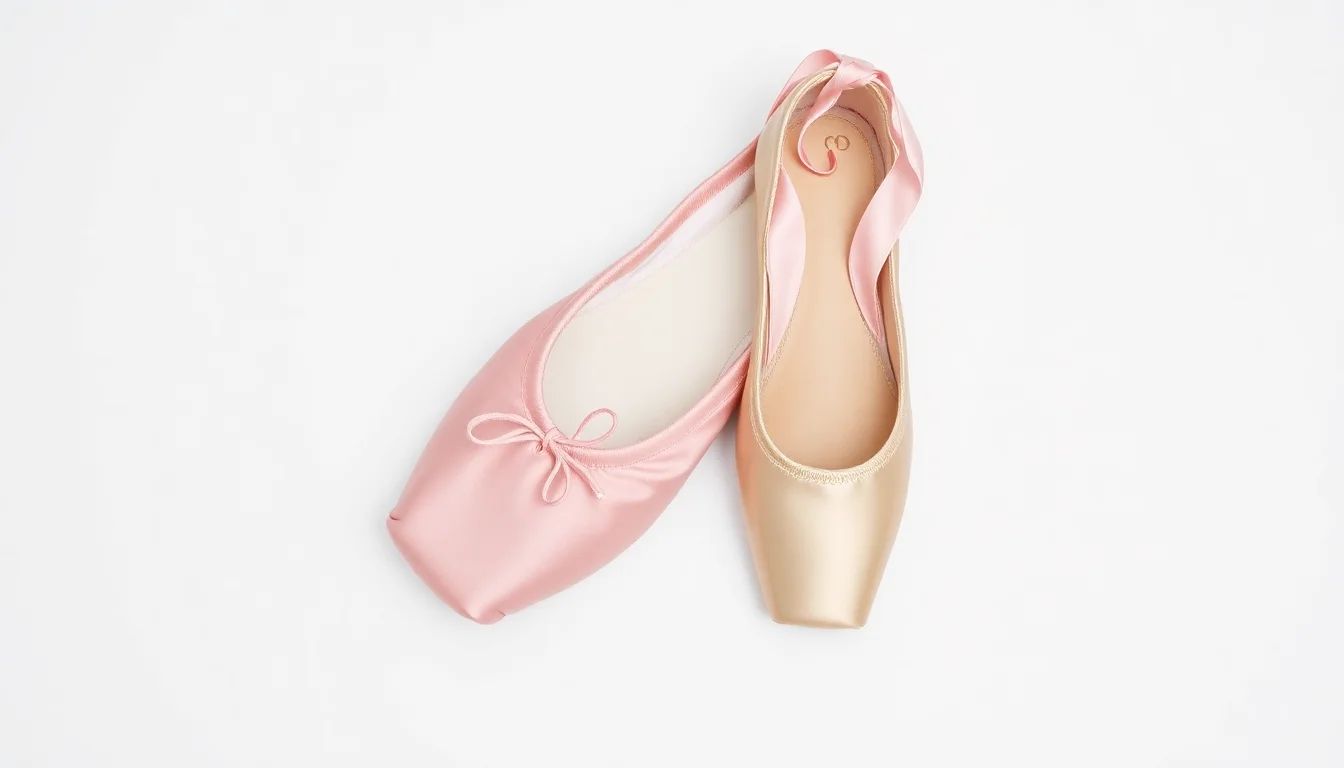
It is one of the most common concerns parents have when their child starts pointe work: do ballet pointe shoes actually damage your feet? The answer is nuanced. Pointe shoes do cause changes to the feet over time, but serious damage is largely preventable with correct preparation, good shoes and proper technique.
The Honest Truth About Pointe Work and Foot Health
Professional ballet dancers often have feet that look quite different from non-dancers’ feet — blisters, calluses, thickened skin and the occasional misshapen toe are well-documented. But it is important to separate the experience of a professional dancing 30 to 40 hours per week from that of a recreational student in a once-weekly pointe class.
For recreational dancers, serious foot damage is uncommon when three conditions are met: the dancer is ready for pointe work, the shoes fit correctly, and adequate toe protection is used.
What Changes Are Normal?
Some foot changes in pointe dancers are simply a normal adaptation to the demands of the technique:
- Calluses on the tips and sides of toes — the skin toughening up in response to pressure
- Temporary redness or pressure marks after class
- Mild soreness in the arches and toes during the first weeks of pointe work
These are not damage — they are the body adapting to a new load. The soreness typically reduces after the first few months as strength builds.
What Is Not Normal and Needs Attention
The following signs should prompt a conversation with a dance physiotherapist or podiatrist:
- Persistent sharp pain anywhere in the foot or ankle
- Numbness or tingling in the toes during or after class
- Ingrown toenails that do not resolve with proper nail trimming
- Pain that worsens over weeks rather than improving
- Visible deformity of a toe joint that was not there before starting pointe
The Role of Readiness
The single most important factor in preventing pointe-related foot damage is not starting too early. Most reputable teaching associations, including the RAD, recommend students are at least 11–12 years old before beginning pointe work, with sufficient ankle and core strength assessed by their teacher.
A dancer who starts pointe before her bones are sufficiently developed risks stress fractures and joint issues that would not occur with the correct timing. Your teacher’s assessment of readiness is not an obstacle — it is protection.
How to Protect Your Feet in Pointe Shoes
- Get professionally fitted — ill-fitting pointe shoes are the leading cause of blisters and black toenails.
- Use toe pads or gel spacers — these distribute pressure and reduce friction significantly.
- Trim toenails straight across and keep them short to prevent bruising under the nail.
- Never dance through sharp pain — mild discomfort is normal, but pain is a signal.
- Rotate two pairs of shoes if dancing more than twice a week — wet shoes lose support fast.
The Long-Term Picture
Studies of former ballet dancers show that recreational students who danced until their late teens generally have normal foot health in adult life. The dancers most likely to have lasting foot problems are those who danced at professional intensity without proper footwear and medical support.
In short: for the vast majority of children in recreational ballet, pointe work done correctly and at the right time does not cause lasting damage.
Frequently Asked Questions
Do ballet shoes damage your feet permanently?
For recreational dancers, permanent damage from pointe shoes is uncommon when shoes fit correctly, toe protection is used, and training loads are appropriate. Serious foot damage is primarily associated with professional-level dancing without adequate recovery and support.
What age should a child start pointe work to avoid injury?
Most teaching bodies recommend no earlier than age 11–12, with readiness assessed by a qualified teacher based on ankle strength, core stability and skeletal development rather than age alone. Starting too early is the most significant avoidable risk factor for foot injuries in young dancers.
How can I tell if my child’s feet are being damaged by pointe shoes?
Normal adaptation includes mild soreness, calluses and redness after class. Warning signs include persistent or worsening pain, numbness, ingrown toenails that do not resolve, or any new joint deformity. If in doubt, consult a dance physiotherapist or podiatrist.
Do toe pads really prevent foot damage in pointe shoes?
Yes — gel pads, lambswool and foam ouch pouches all reduce friction and pressure on the toes, significantly lowering the risk of blisters and toenail damage. They are considered essential for most dancers, especially beginners in pointe work.