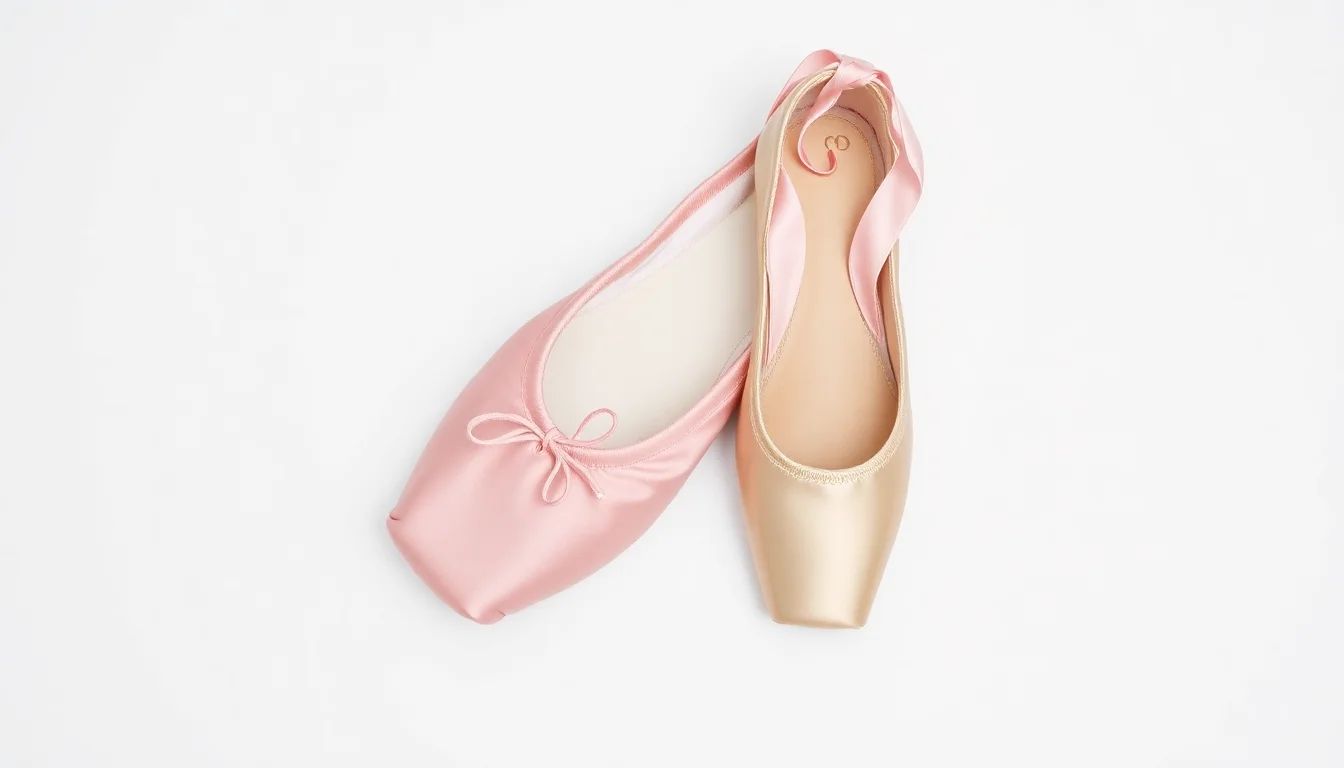
Short answer: Typical Pointe Shoe Prices Pointe shoes are handmade by skilled craftspeople from layers of fabric, paste, and leather — and the price reflects that.
Typical Pointe Shoe Prices
Pointe shoes are handmade by skilled craftspeople from layers of fabric, paste, and leather — and the price reflects that. Here is what you can typically expect to pay:
| Type | Approximate Price |
|---|---|
| Entry-level student shoes (e.g. Bloch, Capezio) | £30–£50 / AU$65–$90 |
| Mid-range student shoes (e.g. Freed Classic, Grishko) | £55–£80 / AU$100–$150 |
| Professional / specialist shoes (e.g. Gaynor Minden) | £80–£120 / AU$150–$220 |
What Affects the Price?
- Brand: Established professional brands command higher prices due to reputation and quality
- Construction: Handmade shoes from specialist factories — particularly Russian-made shoes — cost more than standardised production
- Materials: Satin type, shank material (leather vs fibreglass), and box construction all affect cost
- Region: Prices vary between the UK, Europe, Australia, and North America due to import costs and distribution
The Cost of a Professional Fitting
A professional pointe shoe fitting at a specialist dance shop is strongly recommended — not optional. An experienced fitter will assess the foot’s shape, measure length and width, and try multiple styles to find the correct fit. Allow 30 to 45 minutes and expect to try several pairs. Some shops charge a fitting fee; others include it in the purchase price. Never buy a first pair of pointe shoes online without a prior professional fitting — the wrong shoe can cause serious injury.
Ongoing Replacement Costs
Pointe shoes wear out quickly. Ongoing costs depend on class frequency:
- 2–3 classes/week: a new pair every 4 to 12 weeks
- 5+ classes/week: a new pair every 2 to 4 weeks
- Professional dancers: several pairs per week
At £50–£80 per pair, this is a meaningful ongoing expense. Rotating two pairs and drying them between uses can extend each pair’s life.
Additional Costs for First-Time Pointe Students
- Toe pads: Gel, foam, or lambswool padding — £5–£25
- Ribbons and elastics: For sewing onto the shoes — £3–£10
- Sewing kit: Needle and strong thread in a matching colour
- Warm-up booties (optional): To keep feet warm between exercises
Shop from Zoe Dancewear
Frequently Asked Questions
How much do pointe shoes cost?
Pointe shoes typically cost £30–£120 (approximately AU$65–$220) depending on brand and construction. Entry-level student shoes from Bloch or Capezio start around £30–£50; professional-grade shoes from Gaynor Minden or Freed reach £80–£120 or more.
Why are pointe shoes so expensive?
They are handmade by skilled craftspeople using layered construction methods. The materials — satin, leather, glue, and stiffening paste — and the labour involved in shaping each shoe to its last account for the cost.
How often do pointe shoes need to be replaced?
For a student taking 2–3 classes per week, a pair may last 4 weeks to 3 months. Advanced students taking 5+ classes per week may need new shoes every 2 to 4 weeks.
Can I buy cheap pointe shoes online?
Very inexpensive shoes (under £20) from general retail websites are not safe — they lack the construction and support needed for dancing and can cause serious injury. Only buy from specialist dancewear retailers and follow a professional fitting.
Do pointe shoes come with ribbons and elastics?
Most are sold without ribbons and elastics, which must be purchased separately and sewn on. Some entry-level shoes include a basic elastic, but this should always be verified with a teacher or fitter.