
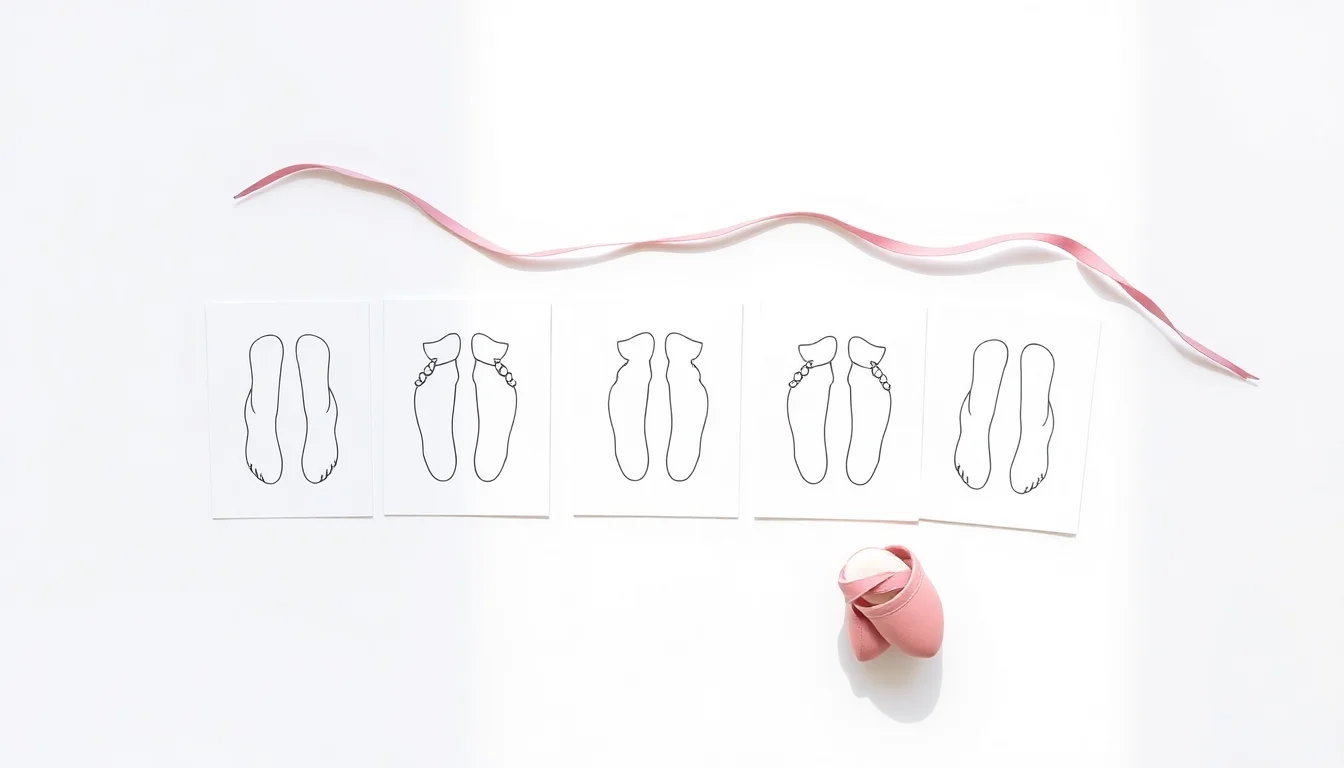
Short answer: What Are the Five Positions of Ballet? The five positions of ballet are the foundation of classical technique.
What Are the Five Positions of Ballet?
The five positions of ballet are the foundation of classical technique. Every step, jump, and turn begins and ends in one of these positions. They were codified in France in the late 17th century by Pierre Beauchamp, dance master to King Louis XIV, and have remained unchanged ever since.
First Position
Heels together, toes turned outward. The feet ideally form a straight line, though the degree of turnout depends on each dancer’s natural hip rotation and must never be forced. Arms rest in a soft oval shape just below the hips — the preparatory position or bras bas. First position is the starting point for pliés, relevés, and most basic exercises.
Second Position
Feet turned out and separated by approximately one foot’s width (hip-width for younger children). Arms extend to the sides at shoulder height, softly curved, palms facing down. Second position gives a stable, wide base and is used for jumps and stretching exercises at the barre.
Third Position
One heel placed in front of the arch of the other foot, both turned out. Third position is used mainly in the early RAD grades (Pre-Primary and Primary) as a stepping stone toward fifth position. It is a transitional stance that introduces the idea of placing one foot in front of the other.
Fourth Position
One foot placed one step directly in front of the other, both turned out. Fourth position is the preparation for pirouettes and develops balance. Arms are in opposition — if the right foot is forward, the left arm is raised. There are open and crossed variants depending on the exercise.
Fifth Position
One foot placed directly in front of the other, heel of the front foot touching the toe of the back foot. Both feet are fully turned out. Fifth position requires significant hip flexibility and is typically introduced from RAD Grade 1 onward. It is the most demanding position and the foundation for the majority of advanced ballet work.
Arm Positions (Port de Bras)
Alongside the five foot positions, ballet uses a set of arm positions called port de bras. In the RAD syllabus these include bras bas (preparatory, arms low), first (arms in front at waist height), second (arms to the sides), third (one up, one to the side), and fifth en haut (both raised overhead). Arms should always be soft and rounded — never straight or locked.
What to Wear When Practising
To practise the five positions at home, wear a well-fitting leotard, ballet tights, and either soft ballet shoes or bare feet on a non-slip surface. A sturdy chair makes an effective home barre for supported exercises.
Key Tips for Beginners
- Never force turnout — it must rotate from the hip, not the knees or ankles.
- Keep the core gently engaged in every position.
- Focus on correct alignment rather than maximum range of motion.
- Practise in front of a mirror to check posture.
Shop from Zoe Dancewear
Frequently Asked Questions
What are the 5 positions of ballet?
The five positions of ballet are first, second, third, fourth, and fifth. They define where the feet are placed and the orientation of the toes, and they underpin all classical ballet movement.
What is first position in ballet?
In first position the heels are together and both feet are turned outward. It is the most basic starting position in ballet, taught from the very first lesson.
Do beginners need to learn all five positions at once?
No. Most syllabi introduce positions gradually. RAD Pre-Primary students work mainly in first and second. Third and fourth are added in Primary and Grade 1. Fifth position typically arrives at Grade 1 or 2.
What is a ballerina position called?
The iconic leg-behind pose is called an arabesque — standing on one leg with the other extended straight behind. The standing-on-one-leg pose with the working knee bent and raised is called an attitude. Both use the five foot positions as a starting and ending point.
Is ballet turnout safe for young children?
When taught correctly, the five positions are safe. The risk comes from forcing turnout beyond a child’s natural hip range. A qualified teacher ensures positions are achieved gradually and within comfortable limits.