Posted on

What Is En Pointe? A Clear Guide to Pointe Work in Ballet

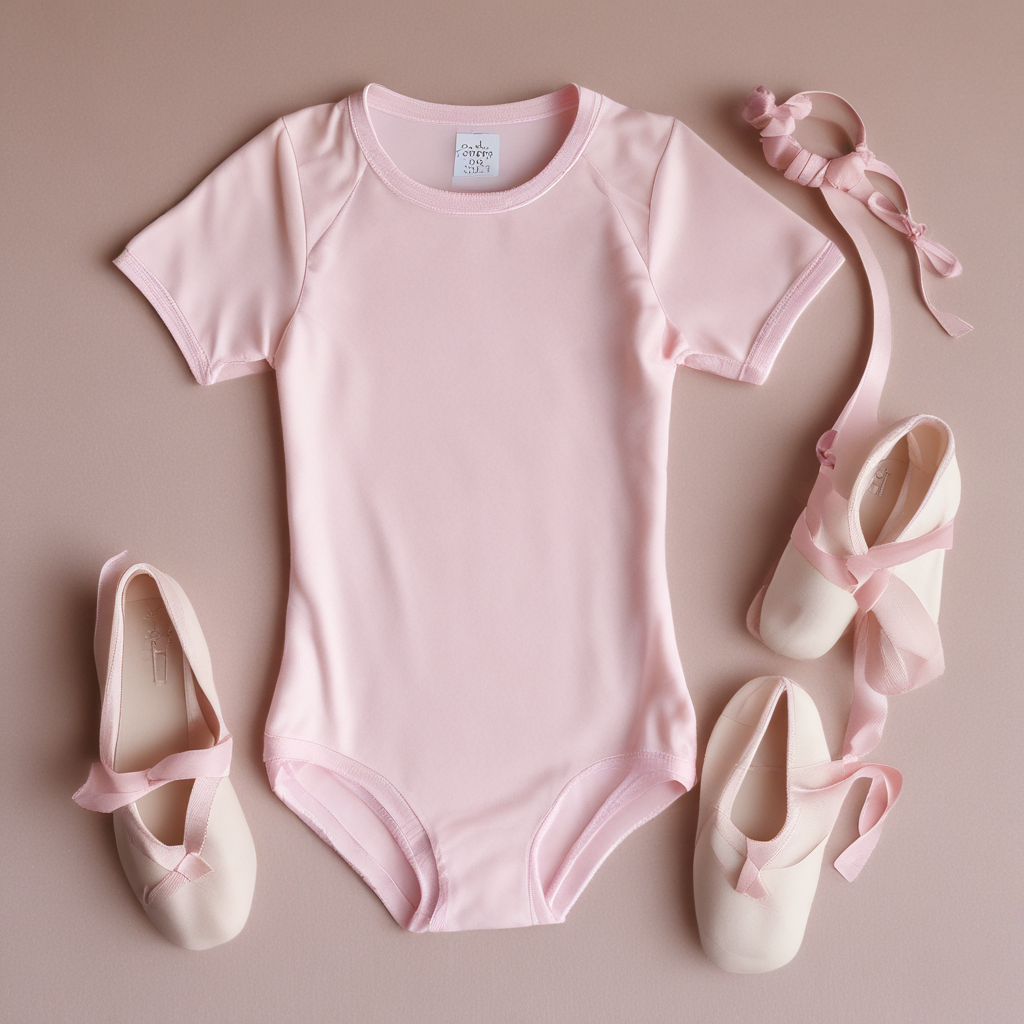
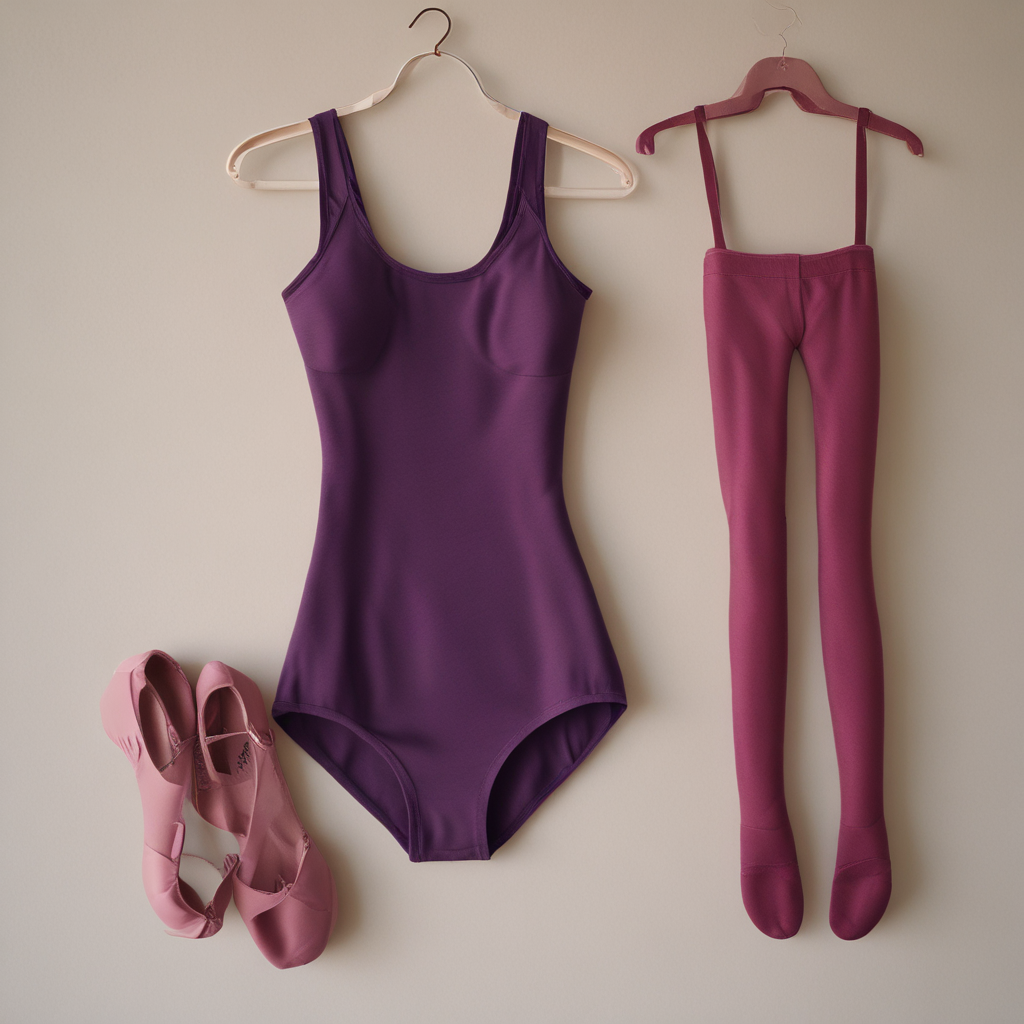
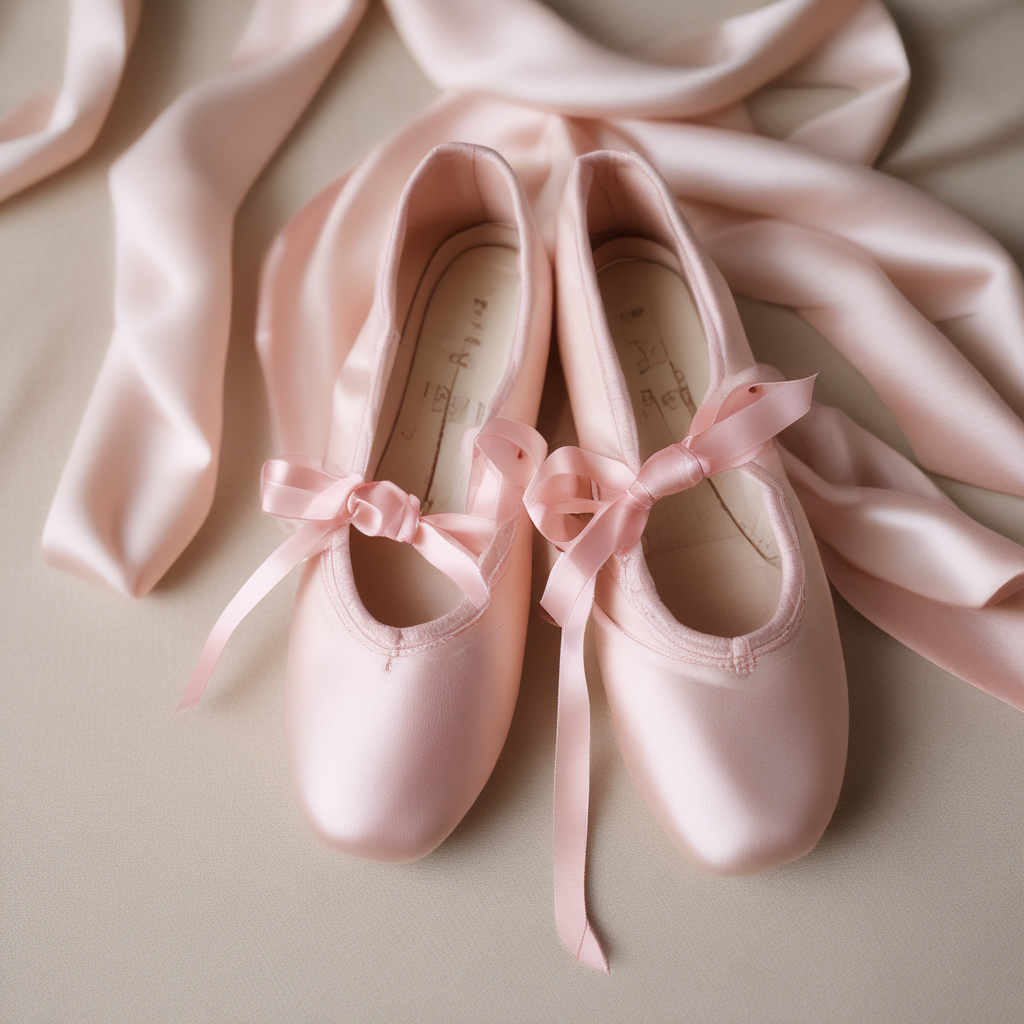
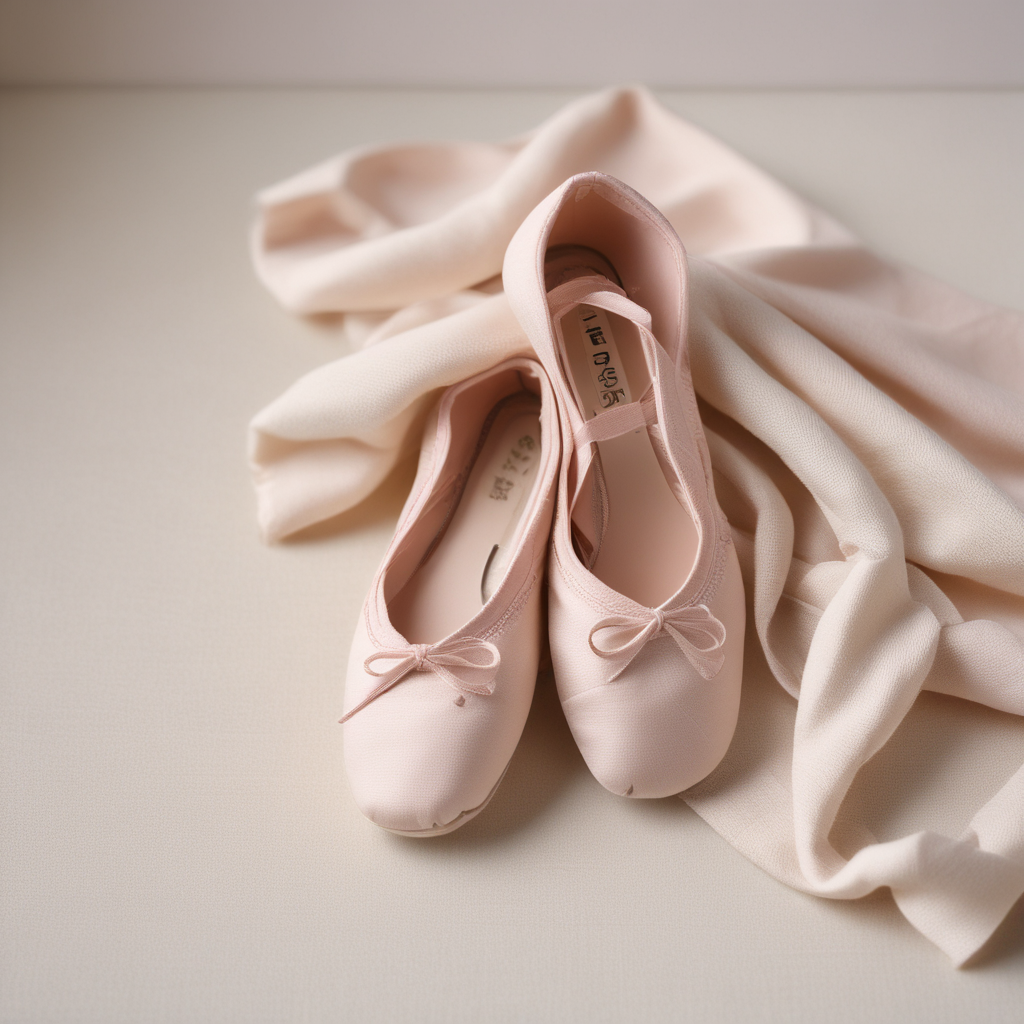
Pink satin ballet shoes with ribbons representing en pointe work on cream linen

En pointe is one of the most recognised images in ballet: a dancer balanced on the very tip of their toes, the foot fully extended, supported by stiffened pointe shoes. It is the image that many children have in mind when they first ask to start ballet. But pointe work is a significant technical milestone with specific readiness requirements — not something that can be rushed.

What Does En Pointe Mean?

En pointe (also written en pointe or on pointe) is a French term meaning “on the tips.” In ballet, it refers to the position in which the dancer rises to stand on the very ends of their toes, supported by the box of the pointe shoe — the rigid block at the toe end of the shoe. When a dancer is said to be “working en pointe” they are performing class or choreography in pointe shoes.

En demi-pointe, by contrast, refers to rising on the ball of the foot in any type of ballet shoe — this is the position that students develop throughout their years of flat shoe training before pointe work is introduced.

How Is Pointe Different from Demi-Pointe?

In demi-pointe the heel is lifted and the dancer balances on the metatarsal heads — the rounded bones at the base of each toe. In full pointe the foot is fully extended so that the ankle, instep and toes form a continuous straight line from the shin to the floor, with the dancer balanced on the flat end of the stiffened pointe shoe box rather than the curved metatarsal heads.

This distinction matters because full pointe places entirely different demands on the foot, ankle and calf than demi-pointe. The tendons, ligaments and muscles of the foot must be adequately developed and conditioned before they can safely bear the weight of the body in full pointe.

When Can a Ballet Student Start Pointe Work?

Most RAD teachers introduce pointe work from around eleven to thirteen years of age, following a formal assessment of the student’s readiness. The criteria assessed include:

  • Sufficient bone maturity in the foot (growth plates in the toes need to be sufficiently formed)
  • The ability to hold a secure, fully risen demi-pointe in flat shoes without the ankle rolling
  • Adequate strength in the core and hip stabilisers
  • Consistent, correct alignment of the knee over the second toe when working in turnout
  • At least two to three years of consistent weekly ballet training

Our dedicated guide on when ballet students start pointe work covers these readiness criteria in detail.

What Are Pointe Shoes?

Pointe shoes are specialist footwear specifically designed to enable and support the en pointe position. They consist of a box (the hard, stiffened toe section), a shank (a rigid or semi-rigid sole piece that supports the arch), a vamp (the front of the shoe that covers the toes), and a satin outer. They are attached to the foot with ribbons and an elastic sewn on by the student or parent.

Pointe shoes are fitted by a specialist fitter who assesses the shape and flexibility of the individual foot. They are not sized the same way as street shoes, and a poorly fitted pointe shoe can cause significant injury even in an otherwise well-prepared dancer.

Is Pointe Work Only for Girls?

Traditionally, classical ballet pointe work has been almost exclusively female in its presentation, though male classical ballet technique also involves rising en pointe in certain historical styles and some contemporary choreography. In most RAD affiliated children’s classes, pointe work is introduced for female students at the appropriate age and readiness level. Male students develop equivalent strength and balance through other aspects of the RAD male syllabus.

What Comes Before Pointe Work?

Pre-pointe work is the period of specific conditioning that bridges standard flat shoe training and the introduction of pointe shoes. Exercises targeting intrinsic foot strength, ankle stability, and core alignment are introduced in class from approximately Grade 3 onwards in preparation for eventual pointe work. A student who has developed correctly through the RAD graded syllabus will have been building pointe readiness for several years before they put on their first pair of pointe shoes.
Posted on

What Is Turnout in Ballet? A Parent’s Guide to This Key Concept

Ballet shoes arranged in first position turnout on cream linen fabric

If you have been to a ballet parent evening, spoken with a dance teacher, or read anything about ballet training, you have almost certainly heard the word turnout. It comes up constantly in discussions about technique, class readiness, and even footwear. Here is a clear explanation of what turnout actually is, why ballet places so much emphasis on it, and what parents need to understand about how it develops.

What Is Turnout?

Turnout is the outward rotation of the legs from the hip joint, so that the feet point away from each other rather than forward. When a ballet dancer stands in first position — heels together, feet pointing outward — they are demonstrating their turnout. The angle of turnout varies enormously between individuals, from a natural few degrees to the 180-degree flat line associated with professional dancers.

Crucially, turnout comes from the hip joint and the rotation of the entire leg, not from forcing the feet outward at the ankle or knee. A dancer who rotates at the knee or ankle rather than the hip is said to be “forcing” or “winging” their turnout — a habit that causes knee and ankle injuries and is exactly what ballet teachers spend years training students to avoid.

Why Does Ballet Emphasise Turnout?

Turnout originated in the 17th-century French court, where ballet was performed on a raised stage viewed from below. Turning the legs out allowed the audience to see the shape of the leg and foot clearly, and it became a foundational aesthetic principle of classical ballet. Over centuries it was codified into the five positions of the feet, all of which require outward rotation of the legs.

Beyond aesthetics, turnout also has functional advantages. Rotated legs allow a dancer to travel sideways (in the second and fourth positions) far more efficiently than parallel legs, and enable the extended leg positions — arabesque, grand battement, développé — that define classical ballet vocabulary.

How Much Turnout Is Enough?

Natural turnout varies based on the shape of the hip socket, the angle at which the femur (thigh bone) sits in the socket, and the flexibility of the surrounding ligaments. Some of this is genetic. A student with naturally wide hip sockets may achieve 160–180 degrees of turnout without strain; another student with narrower hip sockets may manage 120–140 degrees of genuine, safe turnout regardless of how much they train.

No ballet teacher expects every student to achieve 180-degree turnout, and responsible teaching never forces a student’s legs beyond their safe anatomical range. What teachers are looking for is that the student uses their available turnout consistently and correctly — rotating from the hip, keeping the knee over the toe, and not collapsing the arch of the foot to fake greater rotation than the hip actually allows.

Does Turnout Improve with Training?

Yes, within limits set by anatomy. The ligaments and soft tissue around the hip joint have some capacity to lengthen with consistent, patient training over years. RAD training from a young age, before the skeleton fully matures, allows a degree of gradual development that is not possible in adult beginners. However, even intensive professional training does not fundamentally alter the bony structure of the hip socket — natural anatomy sets the ceiling.

What does improve substantially with training is the muscular control required to hold and use turnout efficiently. Even a student with naturally wide turnout will not use it well without the specific strengthening and neuromuscular training that ballet classes provide.

What Parents Can Do to Support Turnout Development

The most important thing is to ensure the student attends classes consistently, wears correctly fitted ballet shoes that support the foot, and does not force any position that their teacher has not specified. Trying to improve turnout at home without qualified guidance often leads to compensating habits that take years to correct. Trust the process and the teacher.

Posted on

Baby Blue Ballet Leotard: Which RAD Grades Wear Blue Uniform?

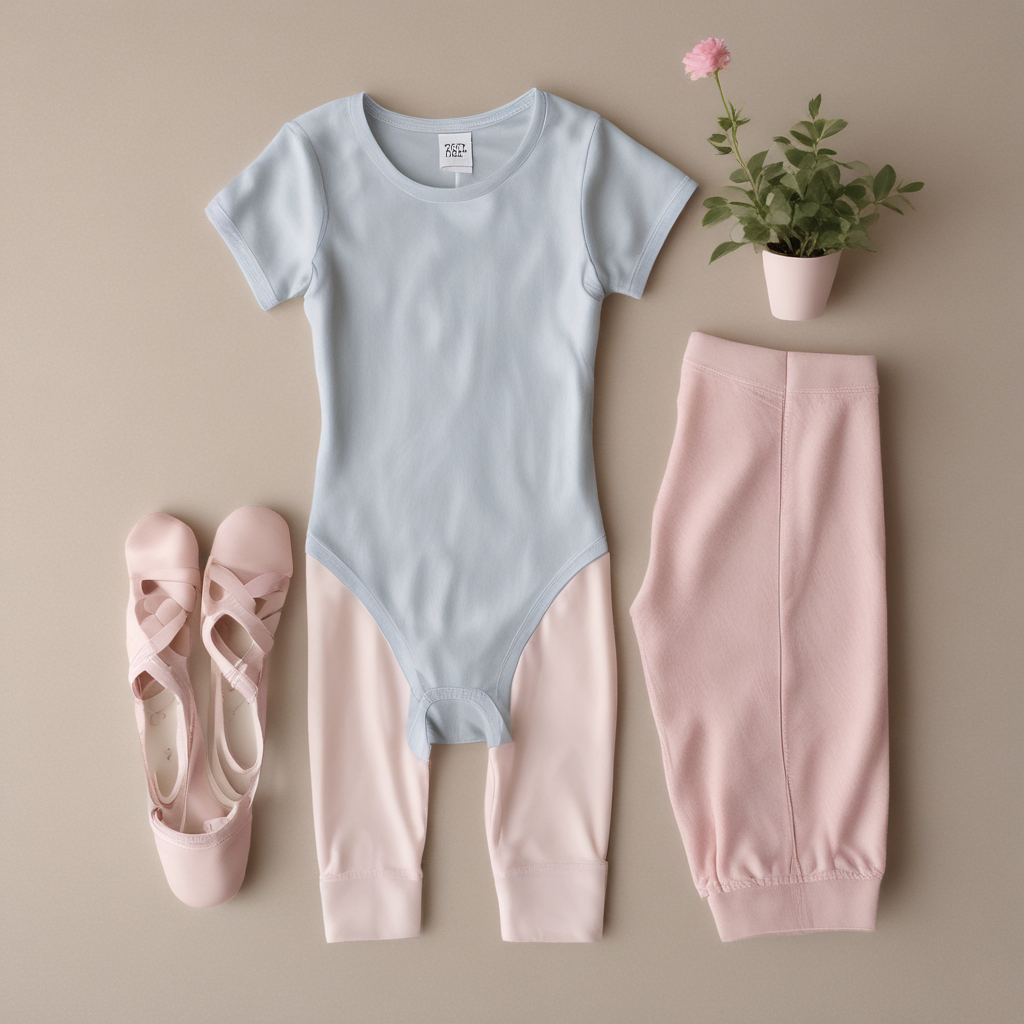
Baby blue RAD ballet leotard with pink tights and shoes for early grades on cream linen

Baby blue and pale blue ballet leotards appear across the RAD syllabus at several grade levels, making blue one of the most frequently requested uniform colours for young ballet students. If your child has just been told they need a blue leotard, here is exactly what you need to know.

Which RAD Grades Wear Blue?

The RAD colour coding system assigns specific leotard colours to grade levels to help teachers immediately identify a student’s stage of training. Blue shades — ranging from pale sky blue to baby blue — are used at the early grades of the Primary and Grade 1 syllabus in many UK and international RAD-affiliated schools.

However, it is important to note that while the RAD provides guidance on uniform, individual dance schools often apply their own specific shade preferences or may use blue at a slightly different grade than the national standard. Always check your child’s specific school uniform policy first. The school’s policy is the definitive reference, not a general grade chart.

What Shade of Blue Is Correct?

RAD uniform guidance refers to a soft, pale blue rather than a bright or navy blue. The correct shade is sometimes described as cornflower blue, sky blue, baby blue or powder blue depending on the school and era of their uniform policy. If the school has a preferred supplier, buying directly from that supplier is the surest way to match the exact shade.

If buying from a general dancewear retailer, bring a sample of the existing uniform or ask the school office for a colour reference before purchasing online. Shades that look similar on screen can differ significantly under studio lighting.

What Goes With a Blue Leotard?

In RAD uniform, the leotard is typically worn with:

  • Pink footed ballet tights (the standard for most RAD grades from Pre-Primary through Grade 5)
  • A pink chiffon wrap skirt at certain grade levels (confirm whether the school requires a skirt at this stage)
  • Soft pink canvas ballet shoes
  • Hair in a neat bun with a matching or neutral hair accessory

The contrast of baby blue with pink tights and shoes is the classic RAD junior uniform appearance and is immediately recognisable in any RAD dance school setting.

Blue Leotard Styles for Ballet

For RAD class use, the leotard style is typically a short-sleeve or capped-sleeve design with a round or scoop neckline. Cap sleeve and short sleeve styles are the most common for younger students because they give freedom of arm movement while maintaining a tidy, covered appearance. Sleeveless styles may be permitted at higher grades — confirm with the school.

The leotard should be in a smooth nylon-elastane fabric rather than cotton for class use. See our guide on cotton vs nylon ballet leotard fabrics for why nylon performs better in an active class setting.

Boys in Blue?

Male RAD students at early grade levels typically follow a different uniform — usually a white fitted top and black shorts or tights rather than a coloured leotard. If you have a son in RAD ballet, check his school’s specific boys’ uniform policy. Our guide on boys’ ballet class outfits covers the male uniform in detail.

Posted on

Ballet Leotard Colors by RAD Grade: A Complete Visual Guide

Row of RAD grade ballet leotards in grade colors from pink to purple on cream linen

One of the most searched questions among ballet parents is: “What color leotard does my child need?” The answer depends entirely on which grade they’re in and which exam board their school uses. For Royal Academy of Dance (RAD) schools, here is a complete grade-by-grade color guide — from the very first Pre-Primary class all the way through to the Vocational level.

RAD Ballet Leotard Colors by Grade

The RAD color system is designed so that every grade has a distinct color, making it easy for teachers to identify students at a glance. Here is the standard color progression:

  • Pre-Primary: Candy pink (bright ballet pink) — usually short-sleeved
  • Primary: Candy pink or pale pink — style may change from Pre-Primary
  • Grade 1: Pale blue or ice blue — the first “non-pink” grade at many schools
  • Grade 2: Pale or airforce blue
  • Grade 3: Blue — slightly deeper than Grade 2 at some schools; lilac at others
  • Grade 4: Lilac
  • Grade 5: Lilac or pale purple (varies by school)
  • Grade 6: Purple or deep lilac
  • Grade 7: Purple or burgundy
  • Grade 8: Burgundy or deep purple
  • Intermediate Foundation / Intermediate: Black or dark navy camisole leotard
  • Advanced Foundation and above: Black — typically more formal styles

Note: These are common RAD patterns, not a single mandated universal system. Individual schools may vary shades by one grade, and some have school-specific colors. Always confirm with your school’s written uniform policy.

Why the Colors Change Through the Grades

The progression from pale pink through lilac, purple, and eventually black mirrors the dancer’s journey from beginner to advanced student. Each color shift marks a new level of expectation — technically, physically, and in terms of discipline and presentation. For students, wearing the right color is a badge of their current achievement and a visible signal of their grade to teachers and peers.

What to Do When the Colors Look Similar

Some grade transitions involve shades that look very similar — particularly in the lilac-to-purple range. If you’re buying online and can’t compare the shade in person:

  • Ask the school if they have a color swatch or can name a specific shade
  • Check if the school recommends a specific brand — other parents in the grade can often tell you what worked
  • When buying from a new brand, look for fabric sample swatches or order from a retailer with a free returns policy

Boys’ Leotard Colors in RAD

For male students, the RAD uniform is different. Boys typically wear a white or black fitted top or t-shirt rather than a leotard, with either dance shorts or black tights. The grade color system is primarily applied to girls’ leotards. Boys’ uniform varies significantly by school, so ask the teacher directly for guidance.

What Changes Other Than Color?

As students progress through the grades, the leotard style also evolves. Lower grades (Pre-Primary through Grade 3) often wear short-sleeved leotards; higher grades transition to camisole or sleeveless styles that allow better visibility of arm line and back positioning. Some grades also move from crossover or gathered-waist styles to plain, undecorated leotards.

Frequently Asked Questions

My child was recently promoted. Does she need the new color right away?

Most schools allow a grace period of 2–3 weeks after a grade promotion to source the new uniform. Communicate with the teacher so they know you’re working on it.

Can my daughter keep wearing her old color in class while we wait for the new leotard?

For a week or two, yes — most teachers understand. Beyond that, wearing the wrong grade color can cause confusion in class and occasionally affects morale (the student herself usually wants to wear the right color).

My school says “lilac” but the leotards I’m finding online look purple. Are they the same?

Not exactly. Lilac is a lighter, softer purple-pink; purple is deeper and more saturated. If you’re unsure, ask the school to confirm the shade name they use or whether they can show you a physical sample.

Posted on

What Is RAD Ballet? A Parent’s Introduction to the Royal Academy of Dance

Classic RAD ballet uniform items including pink leotard tights and shoes on cream linen

When your child starts ballet classes, you’ll likely hear the term “RAD” used frequently — by the school, in uniform guides, and on examination certificates. But what exactly is the RAD, and what does it mean for your child’s ballet training? This guide explains everything parents need to know about the Royal Academy of Dance.

What Does RAD Stand For?

RAD stands for the Royal Academy of Dance. It is an international dance education organization headquartered in London, UK. Founded in 1920 and granted a Royal Charter in 1936, the RAD is one of the world’s leading providers of ballet teacher training and graded ballet examinations.

The RAD develops and maintains a ballet syllabus used by thousands of dance schools in over 79 countries. When a school is “RAD-affiliated,” it means the teachers are trained in the RAD method and students are assessed using the RAD grading system.

The RAD Grading System: From Pre-Primary to Advanced

The RAD divides ballet training into two main tiers:

Graded Examinations (typically ages 3–16+):

  • Pre-Primary in Dance
  • Primary in Dance
  • Grade 1 through Grade 8

Vocational Graded Examinations (more advanced students, typically 11+):

  • Intermediate Foundation
  • Intermediate
  • Advanced Foundation
  • Advanced 1
  • Advanced 2

Students typically progress through one to two grades per year, depending on class frequency and individual development. Not every student takes examinations — some schools focus on class work without formal assessment, and that’s valid too.

What Happens in an RAD Ballet Exam?

RAD examinations are conducted by an external examiner sent by the RAD. Students perform set exercises and dances from the syllabus, which they’ve been preparing in class over the year. The examiner awards marks and provides feedback. Exams typically take 20–45 minutes depending on the grade and are done in small groups.

Students receive a grade: Merit, Distinction, Pass, or — rarely — not-yet-achieved. Most students who are entered for exams achieve at least a Pass, because teachers only enter students they feel are ready.

What Makes RAD Different from Other Methods?

The two main ballet examination bodies in the UK are the RAD and the ISTD (Imperial Society of Teachers of Dancing). Both have respected syllabi, but the RAD is more widely recognized internationally — particularly relevant if your family moves countries or if your child aspires to a professional career. The RAD’s graded system is also more standardized across schools than some other methods.

Do All Ballet Schools Use RAD?

No. Many excellent schools use ISTD, BATD, or other curricula, or teach a non-examination-based approach. The quality of teaching matters more than the examining body. If you’re choosing a school, observe a class and meet the teacher rather than simply looking for an RAD affiliation.

What Does RAD Mean for the Uniform?

RAD schools follow a color-coded uniform system where each grade has a specific leotard color. This makes the uniform more structured than at some other schools. For a full breakdown of what your child needs at each grade, see our RAD Ballet Uniform Guide by Grade.

Frequently Asked Questions

Is RAD ballet better than other types of ballet training?

Not inherently — the quality of the individual teacher matters most. RAD is widely respected and internationally recognized, which has practical benefits, but excellent dancers have emerged from all major training systems.

Does my child have to take RAD exams?

No. Many students attend RAD schools without sitting formal examinations. The exams are optional, though most schools encourage them as they provide structured goals and professional feedback.

At what age can a child start RAD ballet?

Most RAD schools accept children from age 3 for Pre-Primary classes. Some schools have younger “baby ballet” or “Minis” classes that feed into the formal RAD system from age 3 or 4.

Is an RAD certificate recognized professionally?

RAD vocational grades (Intermediate and above) are recognized by arts organizations and professional schools. Graded examinations (Grade 1–8) are valuable for student motivation and teacher assessment but are not vocational qualifications in themselves.

Posted on

Pink Ballet Leotard: RAD-Approved Colors by Grade

Pink RAD ballet leotard and chiffon skirt set flat lay on cream linen

If your child has just started ballet at a Royal Academy of Dance school, you may have noticed that pink is one of the most common leotard colors you’ll encounter. But not any pink will do. RAD schools follow strict uniform guidelines, and the specific shade and style of pink leotard varies from grade to grade. This guide breaks down exactly which pink leotards are RAD-approved and how to find the right one for your child’s level.

Why RAD Uses Pink Leotards in the Early Grades

The RAD assigns specific colors to each grade as part of their uniform policy. Pink is associated with the foundational levels of training — Pre-Primary, Primary, and Grade 1 — where the focus is on developing basic movement, musicality, and classroom behavior. The soft, traditional pink color reflects the classical nature of ballet training and helps teachers identify students at the correct level at a glance.

As students progress through the grades, the colors shift toward lilac, purple, and eventually darker, more professional tones. Pink is essentially the starting color of the RAD journey.

Pre-Primary: Candy Pink or Pale Pink Leotard

For Pre-Primary students (typically ages 3–5), the standard is a short-sleeved candy pink leotard. This is a bright, clear pink — not hot pink, not dusty rose, but a cheerful mid-tone pink. Most RAD schools specify a crossover or tank-style leotard in this shade. Paired with pink ballet tights and canvas or soft leather ballet shoes, this creates the classic Pre-Primary look.

When shopping, look for leotards labeled “candy pink,” “bright pink,” or “ballet pink.” If in doubt, check the shade against the color swatch provided by your dance school.

Primary Grade: Similar Pink, Often with Specific Style Requirements

At Primary level (ages 5–7), the pink leotard continues, but some schools request a slightly different style — commonly a camisole leotard or one with a specific neckline. The shade typically remains in the candy pink to pale pink range. Your teacher or school will clarify the exact style they prefer.

At this stage, an elastic belt in matching pink or white is often added to define posture and encourage proper alignment.

Grade 1 and Beyond: When Pink Changes

By Grade 1 (ages 6–8), many RAD schools begin to introduce variation. Some continue with pink for Grade 1, while others transition to pale blue or a specific shade assigned by their school. From Grade 2 onward, the uniform color shifts away from pink entirely. Check your school’s handbook for the exact color assigned to each grade, as regional variations exist even within RAD-affiliated schools.

How to Choose the Right Pink Leotard

When buying a pink leotard for RAD class, keep these points in mind:

  • Ask for a color swatch or shade name from your school — “pink” covers a wide spectrum, and the wrong shade stands out in class.
  • Choose dancewear-grade fabric — nylon-spandex or polyester-spandex blends hold their shape and color through washing, unlike fashion leotards.
  • Check the style — some schools prefer short sleeve, others camisole. Avoid spaghetti straps unless the school approves them.
  • Size up if between sizes — leotards are cut snug and can feel tight. A size up gives room for growth without the leotard pulling or riding up.

Common Questions Parents Ask About Pink Ballet Leotards

Frequently Asked Questions

Can my child wear any pink leotard or does it have to be a specific brand?

RAD schools specify color and style, not brand. As long as the shade and style match the school’s uniform guide, any reputable dancewear brand is acceptable. Avoid fashion or gymnastics leotards, which may look similar but are cut differently.

What if I can’t find the exact shade of pink?

Bring a swatch from a leotard you already own and compare it to the school’s sample, or ask the teacher directly. Most schools are understanding if the shade is close, especially for very young beginners who are still growing quickly.

My daughter is between sizes. Should I size up or down?

Always size up for leotards. A slightly larger leotard looks neat and allows for growth, while a too-small leotard restricts movement and causes discomfort during class.

Does the pink leotard need to match the pink tights?

Ideally yes — a candy pink leotard pairs with ballet pink tights (a standard shade sold by all major dancewear brands). The two pinks are close but not identical, and that’s fine. No one expects a perfect match.

Posted on

Lilac Ballet Leotard Guide: Which RAD Grades Wear Lilac?

Lilac RAD Grade 4-5 ballet leotard and skirt set flat lay on cream linen

The transition from blue to lilac marks a significant step in a young dancer’s RAD journey. Lilac leotards are typically introduced at Grade 4 or Grade 5, depending on the school, and they carry a more mature, elegant feel than the candy pinks and pale blues of earlier grades. If your child has recently been promoted to Grade 4 or 5 and you’re trying to find the right lilac leotard, this guide covers everything you need to know.

Which RAD Grades Wear Lilac?

In standard RAD uniform practice, lilac is assigned to Grade 4 and Grade 5. Some schools use the same shade for both grades; others make a subtle distinction. The shift to lilac signals the transition into the intermediate tier of RAD training, where technique becomes more demanding and performance quality is assessed more rigorously in examinations.

If you’re unsure whether your child’s school uses lilac for Grade 4 or Grade 5 specifically, ask the teacher. Individual schools may also use pale lavender or soft purple in this range, so always confirm the exact shade.

What Shade of Lilac Is Correct?

The RAD-approved lilac is a soft, medium-toned purple-pink — not gray-lavender, not dusty mauve, and not deep purple. It reads as a gentle lilac in natural light, similar to the color of lilac flowers. Shade names vary by brand: “lilac,” “soft lilac,” “ballet lilac,” and “pale violet” are all terms used for approximately the same color.

The best approach is to compare swatches in person before purchasing, or to buy from a brand already used by other families at the same school so you can check side by side.

Style Requirements for Grade 4 and 5 Leotards

By Grade 4, most RAD schools expect a more streamlined leotard style — typically a camisole or low-back leotard rather than the short-sleeved styles worn in lower grades. The transition away from sleeves reflects the increased focus on port de bras (arm movement) and line assessment at exam level. A sleeveless or camisole cut allows teachers to observe shoulder placement and upper body alignment more easily.

Some schools also ask for a specific back style, so check the school’s written uniform policy before purchasing.

What to Pair with a Lilac Leotard

The standard pairing for a lilac leotard is:

  • Pink ballet tights — standard ballet pink footed or convertible tights remain correct across all RAD grades unless otherwise specified
  • Pink canvas or leather ballet shoes — tied neatly with an elastic or ribbon depending on school preference
  • Elastic belt — in pink or white, still required at Grade 4–5 in most RAD schools
  • Hair in a bun — securely pinned, with no loose strands

Buying the Right Lilac Leotard: What to Look For

When shopping for a Grade 4 or 5 leotard, look for these features:

  • Fabric: nylon-lycra or polyester-spandex for shape retention and easy washing
  • Gusset: a lined gusset is important for comfort in class, especially at this more active training level
  • Sizing: dancewear runs small — measure your child’s chest, waist, and height against the size chart and size up if between sizes
  • Shade: compare to the school’s sample before purchasing online if possible

Frequently Asked Questions

Is lilac the same as lavender for ballet leotards?

They’re very similar but not identical. Lavender tends to be a softer, grayer tone, while lilac is a slightly warmer, more pink-purple. For RAD purposes, both terms are often used interchangeably. Check your school’s swatch to confirm.

My child is starting Grade 4 in September. When should I buy the new leotard?

Buy it 2–3 weeks before term starts so you have time to exchange if the size or shade isn’t right. Don’t wait until the week before — dancewear sizes sell out quickly at the start of term.

Can my daughter wear her old blue leotard until the lilac one arrives?

Most teachers are understanding for the first week or two of a new grade. Communicate with the school in advance and they’ll usually give a short grace period.

Posted on

Purple Ballet Leotard: RAD Grade 6, 7 and 8 Uniform Requirements

Deep purple and burgundy RAD senior grade ballet leotards flat lay on cream linen

By the time a student reaches RAD Grades 6, 7, and 8, they have dedicated years to technical training and are working toward a high standard of classical ballet. The uniform at this level reflects that seriousness: deeper, more formal colors replace the lighter pinks and lilacs of the earlier grades. Purple and burgundy leotards mark the senior tier of RAD graded examinations, and getting the shade and style right matters.

What Color Is the Grade 6, 7, and 8 Leotard?

RAD Grades 6 through 8 typically use a deep purple, burgundy, or wine-toned leotard. The exact shade varies by school — some use a true royal purple, others a burgundy or plum. This level coincides with more advanced examination work and the beginning of a transition toward vocational study.

In some schools, Grade 6 retains a mid-purple and Grades 7–8 shift to deeper burgundy. Always check the school’s uniform policy for each specific grade, as there is more variation at senior level than in the foundational grades.

Style Requirements at Senior Grade Level

At Grades 6–8, leotard styles become more refined. The most common requirements are:

  • Camisole or low-back style — allowing full visibility of shoulder blades, arm placement, and back line
  • No decorative elements — no lace panels, no sparkle, no added skirts unless the school specifies otherwise
  • Secure straps — the leotard must stay in place during barre work, center work, and allegro combinations

By this level, students are expected to present a clean, professional appearance in class at all times.

Tights, Shoes, and Belt at Grade 6–8

The standard pairing for the senior grade uniform is:

  • Pink footed or convertible tights — standard ballet pink remains correct unless the school specifies flesh-tone
  • Pink or skin-tone canvas or leather ballet shoes — depending on school preference and the teacher’s guidance
  • Elastic belt — this may become optional at some schools by Grade 6, but many still require it
  • Hair — neat bun, no decorative accessories unless specifically permitted

Transitioning to Vocational Level After Grade 8

After completing Grade 8, students who continue RAD training progress to the Vocational Graded examinations: Intermediate Foundation, Intermediate, Advanced Foundation, Advanced 1, and Advanced 2. The uniform at vocational level changes again — typically moving to black or dark navy leotards. For a full breakdown of vocational uniform, see our RAD Vocational Graded Ballet Uniform guide.

Buying a Senior Grade Leotard: Practical Tips

Senior-level students are usually more established in their sizing, but there are still a few things to keep in mind:

  • Measure annually — growth spurts don’t stop at 12, and a leotard that fits in September may be too small by January
  • Deep colors show fading more obviously after washing — follow care instructions carefully and wash at 30°C inside out
  • Inspect stitching and gusset before buying online — senior students train more intensively, so durability matters more

Frequently Asked Questions

Is burgundy the same as purple for RAD Grade 7 or 8?

Not exactly, but in practice many schools use the terms interchangeably. Burgundy is a deeper, wine-red purple; royal purple is a true violet. Check with your school to confirm which shade is expected, as both appear at this grade range.

Does my Grade 6 daughter still need to wear an elastic belt?

This depends on the school. Some schools drop the belt requirement at Grade 5 or 6; others continue it through Grade 8. Ask your teacher directly.

My daughter was promoted from Grade 5 to Grade 6 mid-year. How quickly does she need the new leotard?

Most teachers allow 2–3 weeks grace after a grade promotion. Let your teacher know you’re sourcing the new leotard and they will advise on the expected timeline.

Posted on

RAD Vocational Graded Ballet Uniform: What to Buy

RAD Vocational Graded examinations — Intermediate Foundation, Intermediate, Advanced Foundation, Advanced 1 and Advanced 2 — mark a significant step up from graded work. At this level, the uniform is more tailored, the expectations more precise, and the stakes higher. This guide covers everything a student and parent needs to know when purchasing for vocational examinations.

What Is the RAD Vocational Graded Syllabus?

Vocational Graded exams sit above the Grade 1–8 series and are designed for students pursuing ballet seriously, typically from around age 13 upwards. They prepare dancers for professional training pathways. The exams assess technical precision, artistry and musicality at a level beyond graded work.

There are five vocational levels in order:

  1. Intermediate Foundation (IF)
  2. Intermediate
  3. Advanced Foundation (AF)
  4. Advanced 1 (Adv 1)
  5. Advanced 2 (Adv 2)

Leotard Requirements at Vocational Level

The RAD specifies particular leotard colours and styles for vocational examinations. These differ by level and are updated with each syllabus edition, so always confirm with your teacher before ordering.

As a general guide under current RAD specifications:

  • Intermediate Foundation and Intermediate: Typically a mid-blue or sky-blue leotard
  • Advanced Foundation: A darker or richer blue tone, often royal or sapphire
  • Advanced 1 and Advanced 2: Black camisole leotard is standard at these levels

Leotard style matters at vocational level. A camisole (sleeveless, low-back) cut is the norm for most vocational exams, as it allows examiners to assess alignment, shoulder placement and upper-body lines clearly. Avoid decorative details such as lace trims, bows or mesh panels unless specified by your school.

Skirt and Tutu Requirements

At vocational level, students typically wear a long or short mesh practice skirt depending on the specific exam. For most vocational graded exams, a black or matching-colour wrap skirt in chiffon or georgette is worn. Some schools use a short classical tutu for specific sections.

Always confirm the skirt style and length required for your student level directly with the teacher, as requirements can vary by school.

Ballet Shoes for Vocational Students

By the time a student reaches vocational level, they are almost certainly on pointe. Pointe shoes are required for all female vocational exam candidates, and the fitting must be professionally done. Do not attempt to select pointe shoes without a trained fitter, as poorly fitted shoes cause injury.

Male vocational students typically wear black full-sole or split-sole canvas ballet shoes. White canvas or leather shoes may be specified for certain syllabus sections — check with your teacher.

Tights and Accessories

Pink ballet tights (not theatrical pink — standard pink) are standard for female vocational students. Fishnet tights are worn in some character sections. A white or nude-tone leotard undergarment is sometimes worn underneath, and a ballet belt is typically worn at vocational level to emphasise line and correct uniform appearance.

Hair must be in a neat, secure ballet bun at all times during vocational examinations. Use a hair net, pins and bun spray as needed.

Where to Buy Vocational Ballet Uniform

Vocational students usually need a higher-specification version of standard items: a better-fitting leotard, more reliable pointe shoes, and polished accessories. At Zoe Dancewear, our leotard range includes black camisole styles with clean finishes suitable for Advanced 1 and Advanced 2 examinations. Our elastic belts, chiffon skirts and hair accessories are used by vocational students in multiple countries.

Frequently Asked Questions

Do vocational RAD exams have stricter uniform rules than graded exams?

Yes. At vocational level, the RAD typically specifies exact leotard colours per exam level, and examiners look at presentation as part of the overall assessment. The tolerance for variation is lower than at graded level. Always confirm exact requirements with your teacher before purchasing.

Can a student wear the same leotard for all vocational exams?

No. The leotard colour changes at different vocational levels. A student progressing from Intermediate Foundation to Advanced 2 will need different leotards for at least two or three levels. Plan for this when budgeting.

When should pointe shoes be fitted for a vocational exam?

Allow at least 6–8 weeks before the exam date for a professional fitting, breaking in the shoes, and teacher approval of the fit. Last-minute fittings often result in poorly broken-in shoes that affect technique during the exam.

Is a ballet belt compulsory at vocational level?

It is not always specified in the RAD syllabus uniform notes, but many teachers require it as part of correct presentation. A smooth, matching-colour elastic belt helps define the waist line and is standard practice at advanced levels.

Posted on

How Ballet Grades Work: Pre-Primary to Grade 8 Explained for Parents

How ballet grades work – coloured RAD leotards by grade from Pre-Primary to Grade 8

If your child has just started ballet or is preparing to move into graded work, the RAD grading system can feel confusing at first. What is the difference between Pre-Primary and Primary? When does a child start working toward exams? What happens after Grade 8? This guide explains how the system works from the very beginning.

What Is the RAD?

The Royal Academy of Dance (RAD) is one of the world’s leading dance education and examination bodies, based in London. Their graded syllabus is used by accredited teachers in over 80 countries and sets a consistent standard for ballet training from early childhood through to pre-professional level.

Not every ballet school uses the RAD system. Some use the Imperial Society of Teachers of Dancing (ISTD), the British Association of Teachers of Dancing (BATD) or their own in-house structure. If you are unsure which system your child’s school uses, ask the teacher.

The RAD Graded Syllabus: An Overview

The RAD graded syllabus runs in two sections: the Primary grades (Pre-Primary and Primary) and the Main Grades (Grades 1 through 8). Together they cover approximately 10–12 years of training for a typical student who begins around age 4.

Pre-Primary (Ages 4–6 Approximately)

Pre-Primary is the starting point of the RAD system. Children at this level focus on musicality, coordination and basic dance vocabulary through games, songs and exploratory movement. Exams are optional at this level — many schools use it as a foundation year before entering formal examination work. The uniform is a simple pink leotard and pink ballet shoes.

Primary (Ages 5–7 Approximately)

Primary introduces more structured barre and centre work. Students begin to learn basic RAD exercises and the vocabulary used throughout the graded syllabus. The first formal RAD examination is available at Primary level. The uniform is typically the same as Pre-Primary — pink leotard, pink tights, pink shoes.

Grades 1 and 2 (Ages 7–9 Approximately)

Grade 1 and Grade 2 introduce more demanding technique: turned-out positions, rises and basic pointe preparation exercises. Students learn specific exercises for each part of the class — barre, centre, allegro. The uniform changes from pink to a blue leotard (typically royal or sky blue) with pink tights.

Grades 3, 4 and 5 (Ages 9–13 Approximately)

These middle grades develop classical technique more fully: clean footwork, expressive port de bras, small jumps and classical enchainements. Character dance is introduced. The uniform typically changes to a burgundy or raspberry-coloured leotard.

Grades 6, 7 and 8 (Ages 13–16 Approximately)

The senior graded years demand consistency, expressiveness and technical refinement. Students at Grade 6–8 level work with considerable detail on port de bras, pointe work for eligible students, and more complex allegro and pirouette work. The uniform at this level is typically a purple leotard worn with a long mesh skirt, an elastic belt and a matching bow.

After Grade 8: Vocational Graded Examinations

Students who wish to continue formal RAD examination work after Grade 8 can progress to the Vocational Graded syllabus: Intermediate Foundation, Intermediate, Advanced Foundation, Advanced 1 and Advanced 2. These are pre-professional level examinations designed for serious students considering dance as a career path or entering full-time training.

How Long Does Each Grade Take?

There is no fixed timeline. The speed of progression depends on the student’s natural aptitude, the frequency of classes, the school’s approach to examination preparation, and individual development. On average, many students take 1–2 years per grade during the middle grades (3–5). The teacher decides when a student is ready to enter an examination — parents should not pressure this decision.

Do All Students Take Exams?

No. Examinations are optional. Many students enjoy ballet purely for the joy of dancing and never take an exam. Others work through the full graded syllabus and beyond. The RAD system is designed to work for both — the classes are valuable regardless of whether the student sits the examination.

What Does the Uniform Tell You About the Grade?

The leotard colour is a useful shorthand for which grade a student is working at. Teachers and examiners can identify a student’s level at a glance. This also means the uniform must be correct — wearing the wrong colour to an examination will be noticed.

Frequently Asked Questions

What age should a child start RAD ballet?

Most RAD-accredited schools begin with Pre-Primary classes for children aged 4–5. Some schools accept children from age 3 for creative movement classes, but formal RAD work typically starts at 4. There is no upper age limit — adults can begin ballet at any age.

Can a child skip grades?

In theory, yes — the RAD does not mandate that every grade must be taken in sequence. In practice, most teachers recommend working through the grades progressively because each grade builds on the technical foundation of the previous one. Skipping grades may leave gaps in technique that become problematic at higher levels.

How do I know if my child’s school is RAD-accredited?

RAD-accredited teachers are registered with the RAD and have completed RAD teacher training. You can search for registered teachers and schools on the RAD website (rad.org.uk). Accredited teachers display their RAD registration and use the RAD logo.

What happens during a RAD examination?

Students are examined in a group (typically 4–6 students) by an independent RAD examiner. The examination follows the syllabus exercises set for that grade: barre work, centre work, character and free movement sections. Results are typically returned within 6–8 weeks.