Posted on

How to Improve Turnout for Ballet: Exercises and What Actually Works

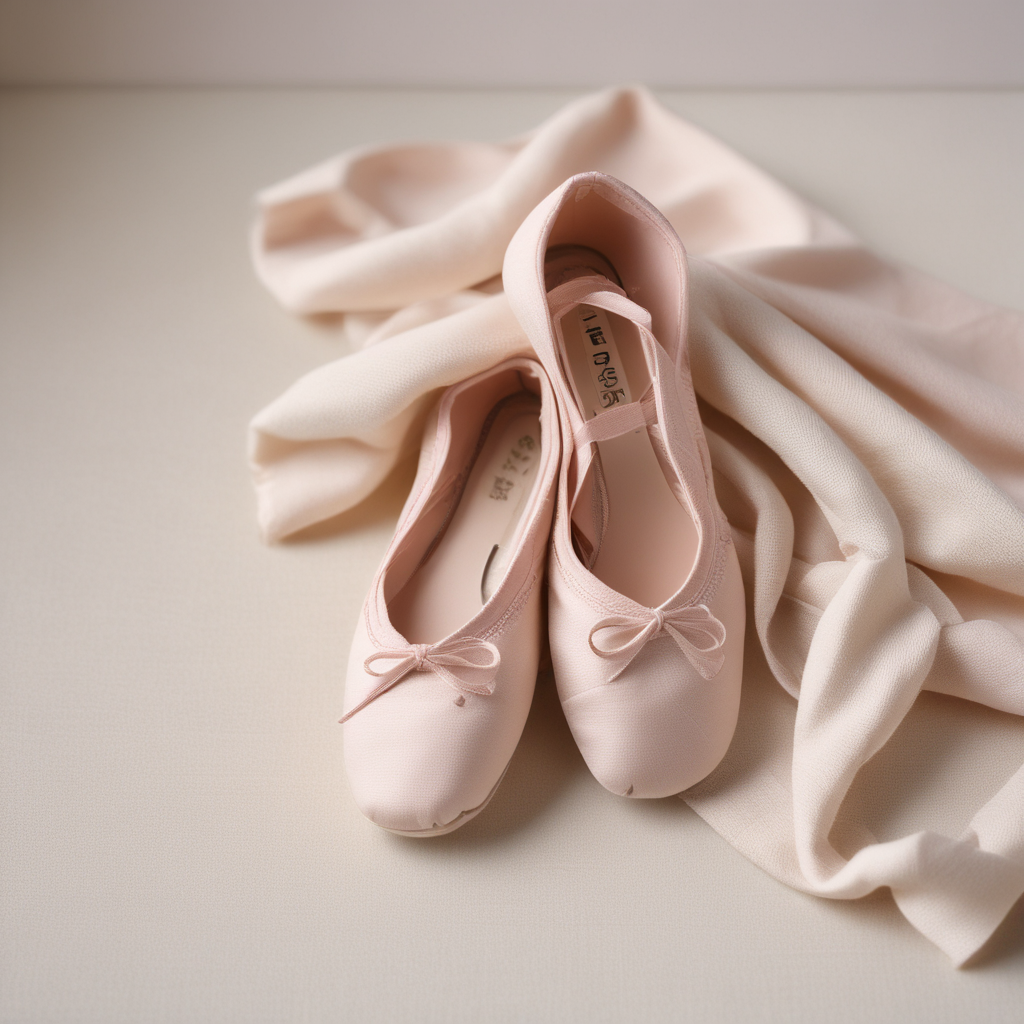
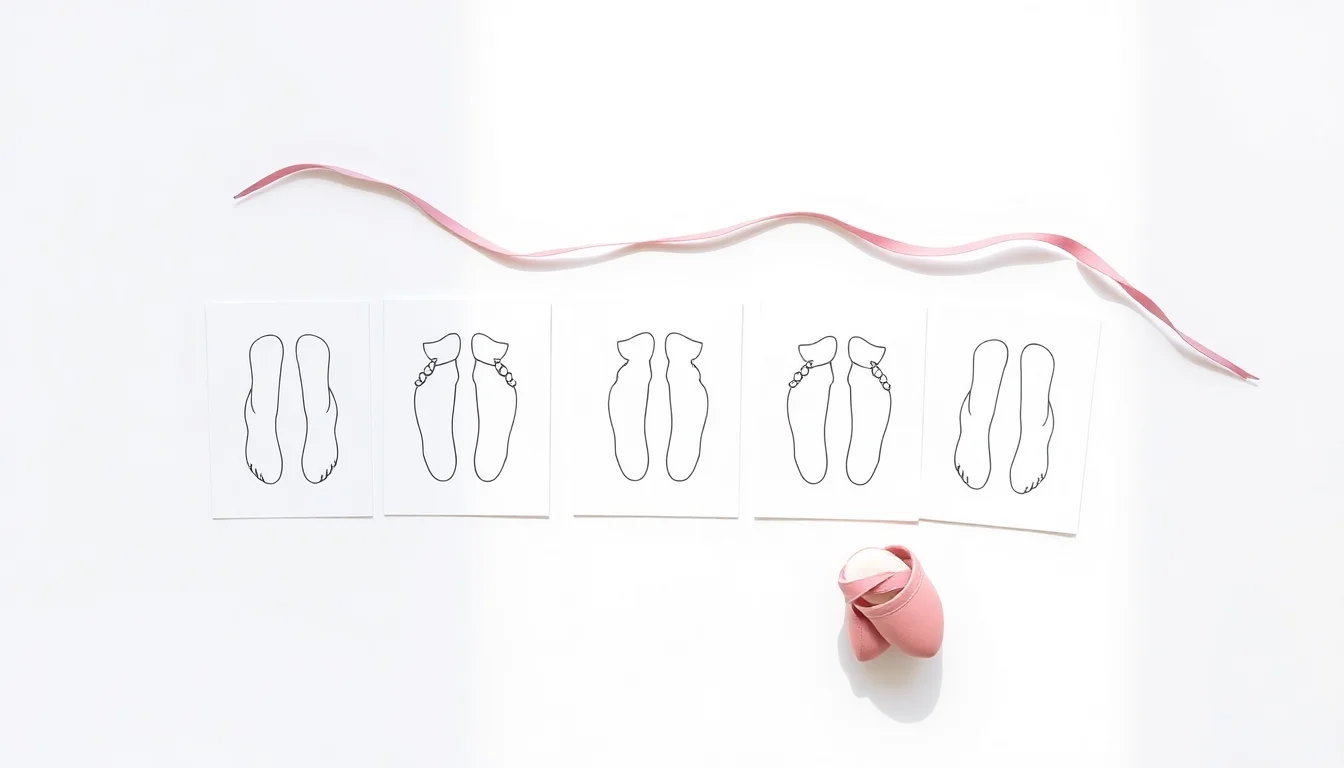
Ballet shoes and resistance band for turnout exercises flat lay on cream linen

Almost every ballet student, at some point in their training, wants more turnout. The outward rotation of the legs is so central to the aesthetics of classical ballet that it becomes a constant focus. But improving turnout is not simply a matter of stretching harder or holding positions for longer — it requires understanding what turnout actually is and working with the body’s structure rather than against it.

What Limits Turnout?

Turnout is primarily determined by the anatomy of the hip joint: the depth and angle of the hip socket, and the angle at which the top of the femur (thigh bone) sits within it. This is largely inherited. No amount of stretching changes bone shape, which means that a student with a shallower or more anteriorly angled hip socket will always have more natural external rotation available than a student whose anatomy is set differently.

What training can improve is the muscular support and control of the available range, and to a lesser extent the flexibility of the soft tissues around the hip joint over years of patient work. Expecting training to override anatomy leads to forcing — trying to achieve more turnout than the hip allows — which is one of the leading causes of knee, ankle and hip injuries in young dancers.

The Six External Rotators

Six deep muscles in the buttock region — the piriformis, obturator internus and externus, gemellus superior and inferior, and quadratus femoris — are the primary muscles responsible for externally rotating the leg. Strengthening these specific muscles, rather than just stretching, is what improves the quality and sustainability of turnout in class.

Exercises That Help

Clam shells: Lying on one side with knees bent and hips stacked, keep the heels together and lift the top knee toward the ceiling while keeping the pelvis still. This isolates the external rotators without loading the knee or ankle. Three sets of fifteen repetitions on each side, performed consistently two or three times per week, builds meaningful rotator strength over several months.

Standing turnout holds: Stand in first position with the feet turned out to a comfortable, natural angle (not forced). Actively engage the buttock muscles to hold the rotation from the hip rather than allowing the rotation to come from the ankle or knee. Hold for thirty seconds, focusing on the sensation of the hip rotators working. This trains the habit of using the correct muscles during class.

Frog stretch: Lying face down with the knees bent and turned out to the sides so the soles of the feet face the ceiling, allow gravity to gently open the hip joints. Never press down on the knees or force the position. Held passively for two to three minutes, this is one of the most effective long-term hip openers available to ballet students.

Relevé work at the barre: Consistent, technically correct demi-pointe and relevé work in class develops both the calf and the intrinsic foot muscles that support turnout from the ground up. Teachers who ask for detailed attention to relevé are building the foundation of sustainable turnout.

What Does Not Help

Sitting in forced turnout for extended periods, pressing down on the knees during stretching, or trying to hold positions well beyond the natural range all cause joint stress without improving the underlying anatomy. A student who forces their feet to 180 degrees while allowing the knees to roll inward is not demonstrating good turnout — they are demonstrating hypermobility of the knee and ankle, which is a precursor to injury.

The Role of Correct Footwear

Well-fitted ballet shoes that support the arch and keep the foot aligned correctly make it easier to use available turnout properly. A shoe that allows the arch to collapse, or that fits so loosely the dancer grips with the toes, disrupts the ankle and foot alignment that correct turnout depends on. See our ballet shoe fitting guide for how to check your child’s shoes are working with their technique rather than against it.

Patience Is the Key Variable

Genuine, sustainable improvements in turnout happen over years of training, not weeks. Students who train consistently with correct technique, attend regular classes, and work the strengthening exercises their teacher recommends will see gradual, meaningful progress. Students who try to rush the process typically end up with injuries that interrupt training entirely — the opposite of progress.
Posted on

What Is En Pointe? A Clear Guide to Pointe Work in Ballet

Pink satin ballet shoes with ribbons representing en pointe work on cream linen

En pointe is one of the most recognised images in ballet: a dancer balanced on the very tip of their toes, the foot fully extended, supported by stiffened pointe shoes. It is the image that many children have in mind when they first ask to start ballet. But pointe work is a significant technical milestone with specific readiness requirements — not something that can be rushed.

What Does En Pointe Mean?

En pointe (also written en pointe or on pointe) is a French term meaning “on the tips.” In ballet, it refers to the position in which the dancer rises to stand on the very ends of their toes, supported by the box of the pointe shoe — the rigid block at the toe end of the shoe. When a dancer is said to be “working en pointe” they are performing class or choreography in pointe shoes.

En demi-pointe, by contrast, refers to rising on the ball of the foot in any type of ballet shoe — this is the position that students develop throughout their years of flat shoe training before pointe work is introduced.

How Is Pointe Different from Demi-Pointe?

In demi-pointe the heel is lifted and the dancer balances on the metatarsal heads — the rounded bones at the base of each toe. In full pointe the foot is fully extended so that the ankle, instep and toes form a continuous straight line from the shin to the floor, with the dancer balanced on the flat end of the stiffened pointe shoe box rather than the curved metatarsal heads.

This distinction matters because full pointe places entirely different demands on the foot, ankle and calf than demi-pointe. The tendons, ligaments and muscles of the foot must be adequately developed and conditioned before they can safely bear the weight of the body in full pointe.

When Can a Ballet Student Start Pointe Work?

Most RAD teachers introduce pointe work from around eleven to thirteen years of age, following a formal assessment of the student’s readiness. The criteria assessed include:

  • Sufficient bone maturity in the foot (growth plates in the toes need to be sufficiently formed)
  • The ability to hold a secure, fully risen demi-pointe in flat shoes without the ankle rolling
  • Adequate strength in the core and hip stabilisers
  • Consistent, correct alignment of the knee over the second toe when working in turnout
  • At least two to three years of consistent weekly ballet training

Our dedicated guide on when ballet students start pointe work covers these readiness criteria in detail.

What Are Pointe Shoes?

Pointe shoes are specialist footwear specifically designed to enable and support the en pointe position. They consist of a box (the hard, stiffened toe section), a shank (a rigid or semi-rigid sole piece that supports the arch), a vamp (the front of the shoe that covers the toes), and a satin outer. They are attached to the foot with ribbons and an elastic sewn on by the student or parent.

Pointe shoes are fitted by a specialist fitter who assesses the shape and flexibility of the individual foot. They are not sized the same way as street shoes, and a poorly fitted pointe shoe can cause significant injury even in an otherwise well-prepared dancer.

Is Pointe Work Only for Girls?

Traditionally, classical ballet pointe work has been almost exclusively female in its presentation, though male classical ballet technique also involves rising en pointe in certain historical styles and some contemporary choreography. In most RAD affiliated children’s classes, pointe work is introduced for female students at the appropriate age and readiness level. Male students develop equivalent strength and balance through other aspects of the RAD male syllabus.

What Comes Before Pointe Work?

Pre-pointe work is the period of specific conditioning that bridges standard flat shoe training and the introduction of pointe shoes. Exercises targeting intrinsic foot strength, ankle stability, and core alignment are introduced in class from approximately Grade 3 onwards in preparation for eventual pointe work. A student who has developed correctly through the RAD graded syllabus will have been building pointe readiness for several years before they put on their first pair of pointe shoes.

Posted on

Do Football Players Do Ballet? Why Elite Athletes Cross-Train with Ballet

Ballet shoes and sports athletic elements flat lay on cream linen

The idea of a professional footballer taking a ballet class sounds like the setup for a joke. In reality, ballet cross-training has been adopted by some of the most elite sports teams in the world — and there are compelling biomechanical and neurological reasons why it works. Here is what is actually happening when athletes do ballet, and what it tells us about ballet training itself.

Which Athletes Have Trained in Ballet?

Several prominent examples from professional sport have crossed into ballet training. American football players in the NFL have long used ballet to improve footwork and body awareness — Lynn Swann, the Pittsburgh Steelers wide receiver, trained in ballet throughout his professional career and attributed much of his legendary catching ability to the body control it developed. In the UK, rugby teams and Premier League football academies have periodically incorporated ballet sessions into conditioning programmes.

The practice is not universal, and not every athlete who tries a ballet class continues with it long-term. But the pattern of elite athletes finding value in ballet training is consistent enough to be more than coincidence.

What Does Ballet Training Give an Athlete?

Balance and proprioception: Ballet develops an unusually refined sense of where the body is in space. Standing on one leg, rising to demi-pointe, executing a pirouette — all of these challenge the proprioceptive system in ways that traditional sports conditioning does not. For footballers and rugby players who need to stay balanced under contact and during rapid direction changes, this training translates directly.

Core strength: Ballet technique demands constant, active engagement of the deep stabilising muscles of the trunk. Not the superficial six-pack muscles that respond to crunches, but the deeper stabilisers — transversus abdominis, multifidus, pelvic floor — that control spinal alignment and transfer force between the upper and lower body. This is identical to the core stability foundation that sports physiotherapists spend hours trying to build in injured athletes.

Flexibility and injury prevention: The systematic stretching and joint mobilisation in ballet training increases the range of motion available to an athlete, potentially reducing injury risk at the extremes of movement. Hamstring and hip flexor flexibility, in particular, are relevant to both dancers and footballers.

Body awareness and movement efficiency: Ballet trains dancers to move the minimum amount necessary and to initiate movement from the correct part of the body. A footballer who has internalised the habit of moving economically and from the core, rather than thrashing around with peripheral limbs, is more likely to execute precise technical movements under pressure.

What Does This Mean for Young Ballet Students?

The same qualities that make ballet useful for professional athletes are being built in young ballet students from their first class. A child learning to stand still in first position, to hold a plié without collapsing the knee, or to execute a chassé with controlled arms is developing balance, coordination and body awareness that will benefit them in any physical activity they pursue — sport, martial arts, gymnastics, or life in general.

Ballet training is often described as one of the most comprehensive physical educations available. The posture, balance and spatial awareness developed in weekly classes carry over into every other movement context.

Is Ballet Harder Than Football?

The honest answer is that they are hard in different ways. Professional footballers who have tried ballet classes consistently report that the requirements of classical technique — the precision, the turnout, the coordination of arms and legs simultaneously — are far more demanding than they expected. Ballet is not a gentle, soft alternative to sport; it is an athletically rigorous discipline that happens to also require artistry. The two demands, physical and artistic, operating simultaneously are what make it genuinely difficult.

Posted on

What Is Turnout in Ballet? A Parent’s Guide to This Key Concept

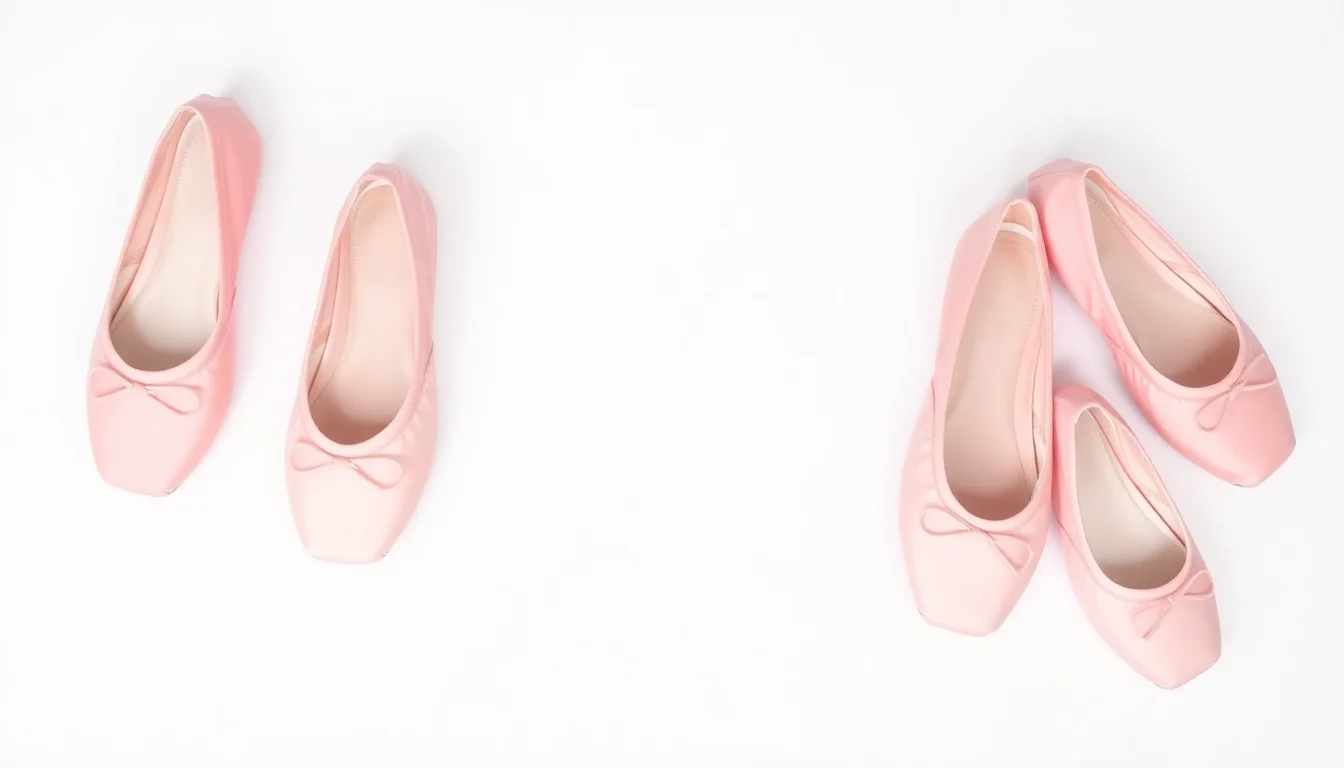
Ballet shoes arranged in first position turnout on cream linen fabric

If you have been to a ballet parent evening, spoken with a dance teacher, or read anything about ballet training, you have almost certainly heard the word turnout. It comes up constantly in discussions about technique, class readiness, and even footwear. Here is a clear explanation of what turnout actually is, why ballet places so much emphasis on it, and what parents need to understand about how it develops.

What Is Turnout?

Turnout is the outward rotation of the legs from the hip joint, so that the feet point away from each other rather than forward. When a ballet dancer stands in first position — heels together, feet pointing outward — they are demonstrating their turnout. The angle of turnout varies enormously between individuals, from a natural few degrees to the 180-degree flat line associated with professional dancers.

Crucially, turnout comes from the hip joint and the rotation of the entire leg, not from forcing the feet outward at the ankle or knee. A dancer who rotates at the knee or ankle rather than the hip is said to be “forcing” or “winging” their turnout — a habit that causes knee and ankle injuries and is exactly what ballet teachers spend years training students to avoid.

Why Does Ballet Emphasise Turnout?

Turnout originated in the 17th-century French court, where ballet was performed on a raised stage viewed from below. Turning the legs out allowed the audience to see the shape of the leg and foot clearly, and it became a foundational aesthetic principle of classical ballet. Over centuries it was codified into the five positions of the feet, all of which require outward rotation of the legs.

Beyond aesthetics, turnout also has functional advantages. Rotated legs allow a dancer to travel sideways (in the second and fourth positions) far more efficiently than parallel legs, and enable the extended leg positions — arabesque, grand battement, développé — that define classical ballet vocabulary.

How Much Turnout Is Enough?

Natural turnout varies based on the shape of the hip socket, the angle at which the femur (thigh bone) sits in the socket, and the flexibility of the surrounding ligaments. Some of this is genetic. A student with naturally wide hip sockets may achieve 160–180 degrees of turnout without strain; another student with narrower hip sockets may manage 120–140 degrees of genuine, safe turnout regardless of how much they train.

No ballet teacher expects every student to achieve 180-degree turnout, and responsible teaching never forces a student’s legs beyond their safe anatomical range. What teachers are looking for is that the student uses their available turnout consistently and correctly — rotating from the hip, keeping the knee over the toe, and not collapsing the arch of the foot to fake greater rotation than the hip actually allows.

Does Turnout Improve with Training?

Yes, within limits set by anatomy. The ligaments and soft tissue around the hip joint have some capacity to lengthen with consistent, patient training over years. RAD training from a young age, before the skeleton fully matures, allows a degree of gradual development that is not possible in adult beginners. However, even intensive professional training does not fundamentally alter the bony structure of the hip socket — natural anatomy sets the ceiling.

What does improve substantially with training is the muscular control required to hold and use turnout efficiently. Even a student with naturally wide turnout will not use it well without the specific strengthening and neuromuscular training that ballet classes provide.

What Parents Can Do to Support Turnout Development

The most important thing is to ensure the student attends classes consistently, wears correctly fitted ballet shoes that support the foot, and does not force any position that their teacher has not specified. Trying to improve turnout at home without qualified guidance often leads to compensating habits that take years to correct. Trust the process and the teacher.

Posted on

When Does a Ballet Student Start Pointe Work? Age and Readiness Guide

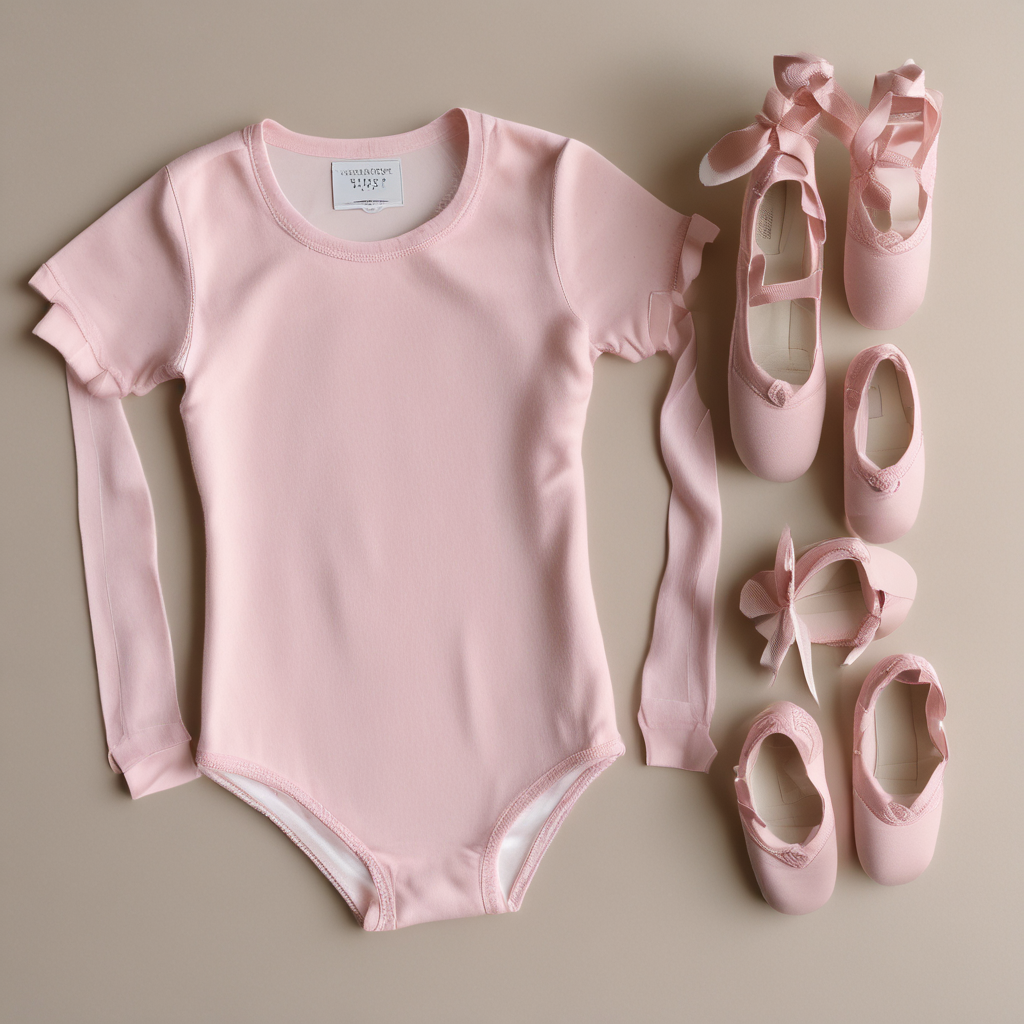
Young dancer ballet kit with canvas shoes and tights suggesting readiness milestone on cream linen

Pointe work is one of the most iconic aspects of classical ballet — and one of the most anticipated milestones for young dancers. But starting too early can cause lasting damage to a child’s developing feet and ankles. The question of when to begin pointe training is both medical and technical, and the decision should always rest with the student’s teacher in consultation with a dance medicine professional where possible.

The Minimum Age Guideline: 11 to 12 Years Old

Most reputable RAD-affiliated and mainstream ballet schools will not put students on pointe before the age of 11 to 12 years old. This guideline exists because the growth plates in a child’s feet (the areas where bones are still forming) typically begin to close around this age. Working on pointe before the growth plates have sufficiently developed risks permanent deformity and stress injuries.

Some organizations set a minimum of 11; others prefer 12. No responsible teacher should begin pointe work with a student younger than 10, regardless of technical ability.

Age Is Not Enough: What Else Must Be In Place

Meeting the age threshold is necessary but not sufficient. Before a student begins pointe work, a qualified teacher will assess:

  • Years of consistent training — usually at least 3–4 years of regular ballet classes (2–3 times per week minimum)
  • Core and ankle strength — the ability to hold a controlled relevé on one foot with no wobbling or sickling
  • Foot and ankle alignment — correct placement without rolling in (pronation) or sickling in or out
  • Demi-pointe position — a well-established demi-pointe with even weight distribution across the toes
  • Balance and control at the barre and in center — pointe requires greater stability demands than flat work

Pre-Pointe Training: What Happens Before Pointe Shoes

Many schools include a dedicated pre-pointe conditioning phase in the year or two before a student begins pointe work. This may include:

  • Theraband exercises for foot and ankle strengthening
  • Balance and proprioception exercises (often done in demi-pointe or on one leg)
  • Core strengthening work
  • Demi-pointe shoes — soft block shoes that mimic the feel of pointe shoes without going on full pointe, helping the foot get used to the positioning

For a detailed guide on demi-pointe shoes, see our Demi Pointe Shoes guide.

Pointe Shoe Fitting: A Specialist Process

When a student is cleared for pointe work by their teacher, the first step is a professional pointe shoe fitting at a specialist dance shop — not a general shoe shop, and not online. Pointe shoes must be fitted in person to account for foot shape, toe length, arch height, and shank strength requirements. A poorly fitting pointe shoe is not just uncomfortable; it can cause blisters, black toenails, bunions, and stress fractures.

How to Support a Student Starting Pointe

As a parent, you can support the transition to pointe by:

  • Ensuring your child attends all classes consistently leading up to pointe
  • Encouraging them to do any pre-pointe exercises the teacher assigns at home
  • Being patient — the fact that a friend started pointe first doesn’t mean your child is behind
  • Not pushing the teacher to start early — they will initiate when the student is ready

Frequently Asked Questions

My daughter is 11 and has been dancing for 4 years. Why hasn’t she started pointe yet?

Age and years of training are starting conditions, not guarantees. If the teacher hasn’t suggested pointe yet, it means they feel there are still strength, technique, or alignment factors to address first. Ask the teacher directly what skills your daughter needs to develop — it’s a reasonable and productive conversation.

Can a student do pointe work at home without a teacher?

No. Pointe work must be supervised by a qualified teacher, especially in the early stages. Unsupervised pointe practice is one of the leading causes of acute foot injuries in young dancers.

My 9-year-old is asking about pointe shoes. What do I tell her?

Explain that pointe shoes are something to look forward to when her feet and body are ready — usually around age 11 or 12. In the meantime, every class she attends is building the foundation she’ll need. Many students find this explanation reassuring rather than disappointing.

Posted on

What Are Ballet Arms? Port de Bras for Beginners

What Are Ballet Arms? Port de Bras for Beginners

Short answer: What Is Port de Bras? Port de bras is a French term meaning "carriage of the arms." It refers both to the positions the arms take in ballet and to the flowing exercises that move the arms through…

What Is Port de Bras?

Port de bras is a French term meaning “carriage of the arms.” It refers both to the positions the arms take in ballet and to the flowing exercises that move the arms through these positions. Expressive, well-trained arms frame the body, enhance leg lines, and communicate emotion to the audience. Beautiful port de bras takes dedicated practice — it is not automatic.

The Arm Positions in RAD Ballet

  • Bras bas (Preparatory position): Both arms hang in a low, rounded oval in front of the body. Hands slightly in front of the hips, palms facing each other, fingers lightly curved. The starting and resting position from which most combinations begin.
  • First position (arms): Both arms raised from bras bas to a rounded oval at approximately waist height. Elbows slightly higher than the wrists; hands level.
  • Second position (arms): Both arms extend to the sides at shoulder height, softly rounded, palms facing the floor.
  • Third position (arms): One arm raised above the head; the other extends to second. Used in many barre combinations and adage exercises.
  • Fifth en haut: Both arms raised overhead in a rounded oval, framing the face. Arms should be in front of the head, not falling behind it.

Qualities of Good Port de Bras

  • Softness: Elbows never locked; wrists flowing; fingers gently curved, not stiff or splayed
  • Weight: Arms have a sense of gentle weight — they float rather than feeling rigid or floppy
  • Connection to the back: Arm movement initiates from the back and shoulder blades, not just the hands
  • Coordination: Arms move with the head and épaulement (shoulder placement)

Common Mistakes

  • Raised or tense shoulders (shoulders should remain down and back)
  • Straight, locked elbows
  • Wrists dropped below the line of the arms
  • Fingers too stiff or too widely spread
  • Arms moving without connection to the back

Port de Bras as a Class Exercise

In ballet class, “port de bras” also refers to specific exercises that practise arm carriage — moving through a series of positions combined with inclinations of the head and spine. These appear at the barre and in the centre and are part of the RAD syllabus at all levels.

Frequently Asked Questions

What does port de bras mean?

Port de bras means “carriage of the arms” in French. It refers both to the positions arms take in ballet and to the flowing exercises that develop expressive, coordinated arm movement.

How many arm positions are there in ballet?

The RAD teaches five core arm positions: bras bas, first, second, third, and fifth en haut. The Cecchetti method uses seven. All are built on the same principle of soft, rounded, expressive arm carriage.

How do I improve my port de bras?

Release tension in the neck, shoulders, and elbows while maintaining lightness and movement. Practise in a mirror, use slow music, and ask your teacher for specific feedback.

When are arm positions introduced in ballet?

From the very first lesson — starting with bras bas. More specific and expressive port de bras exercises develop through the grades as technique advances.

Posted on

Ballet Turnout: What It Is and Why It Matters

Ballet Turnout: What It Is and Why It Matters

Short answer: What Is Turnout in Ballet? Turnout is the outward rotation of both legs from the hip socket, so that the knees and feet point to the sides rather than straight forward.

What Is Turnout in Ballet?

Turnout is the outward rotation of both legs from the hip socket, so that the knees and feet point to the sides rather than straight forward. It is one of the most fundamental principles of classical ballet technique — visible in every one of the five foot positions and underlying every step, jump, and turn.

Perfect classical turnout is 180 degrees (both feet pointing in exactly opposite directions), but this is rare and depends on hip socket anatomy. Most professional dancers achieve 120 to 150 degrees of working turnout. The key is that turnout must come from the hips, not from forcing the knees or feet.

Why Is Turnout Important?

Turnout is not merely an aesthetic choice — it serves practical technical functions:

  • Stability: A turned-out stance gives a wider, more stable base for balance and jumping
  • Range of motion: Turned-out legs can extend higher to the side and behind than legs in parallel
  • Line: Turnout creates the long, elegant lines associated with classical ballet
  • Tradition: Turnout has been a fundamental requirement since the 17th century

True Turnout vs Forced Turnout

True turnout comes from rotation in the hip joint — specifically from the external rotator muscles deep in the glutes. Forced turnout occurs when a dancer rolls the feet outward without rotation coming from the hip, placing excessive stress on the knees, ankles, and arches.

Forced turnout is one of the most common causes of injury in young ballet students. Good teachers develop natural turnout gradually and never push or manipulate a child’s legs beyond their natural range.

How Much Turnout Is Needed?

  • Beginners and young students: Natural turnout — however limited — is perfectly acceptable. Focus is on correct use of existing range.
  • Intermediate grades: Students work within their natural range while developing it gradually through conditioning.
  • Advanced students: Greater working turnout is expected, developed over years of correct training.

How to Develop Turnout Safely

  • Consistent barre work reinforcing rotation from the hips
  • Strengthening exercises for the external rotator muscles
  • Stretching the hip flexors and inner thighs
  • Floor-based exercises such as the butterfly stretch
  • Avoiding cheating by rolling the knees or feet outward

Frequently Asked Questions

What is ballet turnout?

Ballet turnout is the outward rotation of both legs from the hip socket so the feet and knees point to the sides. It is fundamental to all five foot positions and underlies every movement in classical ballet.

Does everyone have the same turnout?

No. Natural turnout varies significantly between individuals and is determined primarily by hip socket anatomy. Genetics play a large role in how much natural turnout a dancer has.

Can you improve your turnout?

Yes. Working turnout can be improved through consistent practice, strengthening the external rotators, and stretching the hip flexors. The ultimate limit, however, is set by bone structure.

Is forcing turnout dangerous?

Yes. Forcing turnout by rolling the knees or ankles puts excessive strain on knee ligaments, ankle tendons, and arches — a leading cause of injury in young dancers that must always be corrected by a teacher.

Posted on

Ballet Positions Explained: All 5 Positions for Beginners

Ballet Positions Explained: All 5 Positions for Beginners

Short answer: What Are the Five Positions of Ballet? The five positions of ballet are the foundation of classical technique.

What Are the Five Positions of Ballet?

The five positions of ballet are the foundation of classical technique. Every step, jump, and turn begins and ends in one of these positions. They were codified in France in the late 17th century by Pierre Beauchamp, dance master to King Louis XIV, and have remained unchanged ever since.

First Position

Heels together, toes turned outward. The feet ideally form a straight line, though the degree of turnout depends on each dancer’s natural hip rotation and must never be forced. Arms rest in a soft oval shape just below the hips — the preparatory position or bras bas. First position is the starting point for pliés, relevés, and most basic exercises.

Second Position

Feet turned out and separated by approximately one foot’s width (hip-width for younger children). Arms extend to the sides at shoulder height, softly curved, palms facing down. Second position gives a stable, wide base and is used for jumps and stretching exercises at the barre.

Third Position

One heel placed in front of the arch of the other foot, both turned out. Third position is used mainly in the early RAD grades (Pre-Primary and Primary) as a stepping stone toward fifth position. It is a transitional stance that introduces the idea of placing one foot in front of the other.

Fourth Position

One foot placed one step directly in front of the other, both turned out. Fourth position is the preparation for pirouettes and develops balance. Arms are in opposition — if the right foot is forward, the left arm is raised. There are open and crossed variants depending on the exercise.

Fifth Position

One foot placed directly in front of the other, heel of the front foot touching the toe of the back foot. Both feet are fully turned out. Fifth position requires significant hip flexibility and is typically introduced from RAD Grade 1 onward. It is the most demanding position and the foundation for the majority of advanced ballet work.

Arm Positions (Port de Bras)

Alongside the five foot positions, ballet uses a set of arm positions called port de bras. In the RAD syllabus these include bras bas (preparatory, arms low), first (arms in front at waist height), second (arms to the sides), third (one up, one to the side), and fifth en haut (both raised overhead). Arms should always be soft and rounded — never straight or locked.

What to Wear When Practising

To practise the five positions at home, wear a well-fitting leotard, ballet tights, and either soft ballet shoes or bare feet on a non-slip surface. A sturdy chair makes an effective home barre for supported exercises.

Key Tips for Beginners

  • Never force turnout — it must rotate from the hip, not the knees or ankles.
  • Keep the core gently engaged in every position.
  • Focus on correct alignment rather than maximum range of motion.
  • Practise in front of a mirror to check posture.

Frequently Asked Questions

What are the 5 positions of ballet?

The five positions of ballet are first, second, third, fourth, and fifth. They define where the feet are placed and the orientation of the toes, and they underpin all classical ballet movement.

What is first position in ballet?

In first position the heels are together and both feet are turned outward. It is the most basic starting position in ballet, taught from the very first lesson.

Do beginners need to learn all five positions at once?

No. Most syllabi introduce positions gradually. RAD Pre-Primary students work mainly in first and second. Third and fourth are added in Primary and Grade 1. Fifth position typically arrives at Grade 1 or 2.

What is a ballerina position called?

The iconic leg-behind pose is called an arabesque — standing on one leg with the other extended straight behind. The standing-on-one-leg pose with the working knee bent and raised is called an attitude. Both use the five foot positions as a starting and ending point.

Is ballet turnout safe for young children?

When taught correctly, the five positions are safe. The risk comes from forcing turnout beyond a child’s natural hip range. A qualified teacher ensures positions are achieved gradually and within comfortable limits.