
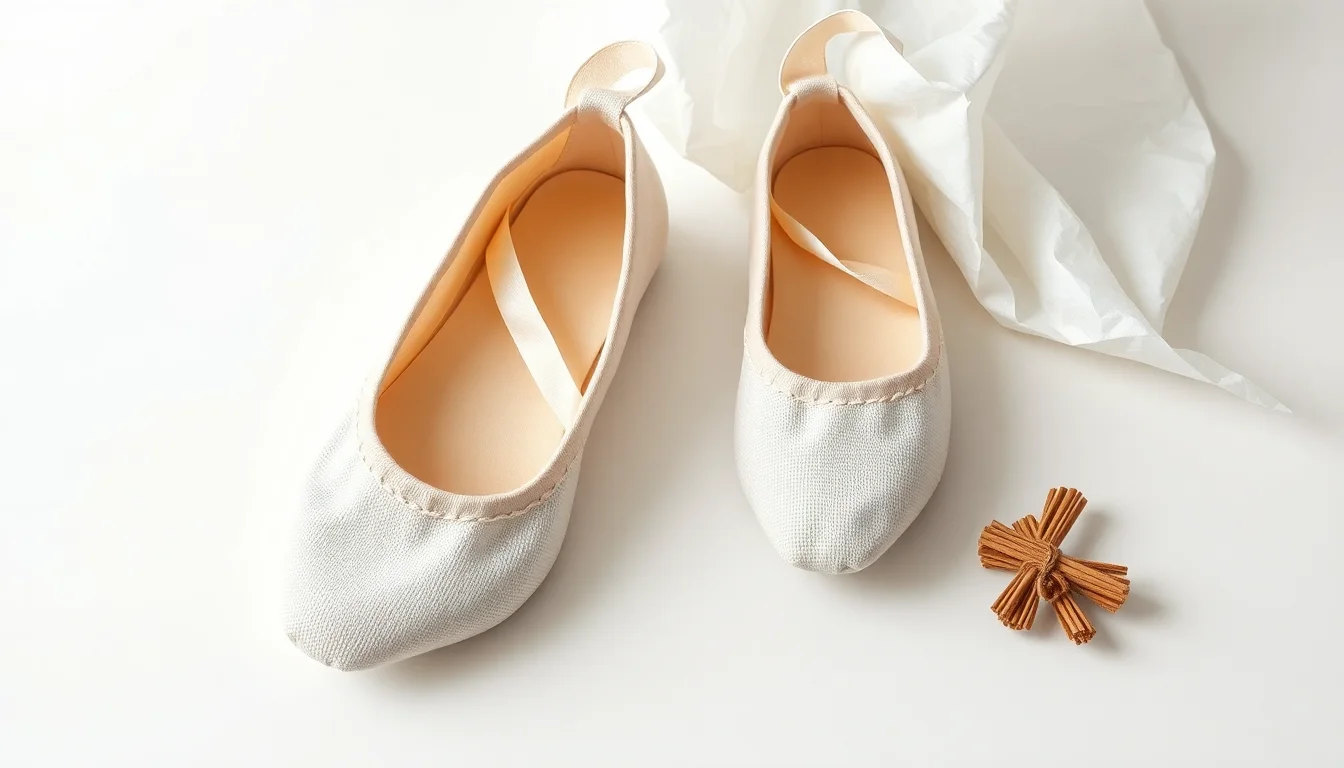
Brand new ballet shoes can feel stiff across the toe box and slippery on the sole, especially leather full-sole styles. Breaking in a new pair correctly makes them more comfortable and reduces the risk of blisters in early classes. The process is gentle and takes a few sessions — there is no need to force the shoe.
Short answer: Brand new ballet shoes can feel stiff across the toe box and slippery on the sole, especially leather full-sole styles.
Do canvas ballet shoes need breaking in?
Canvas shoes, particularly stretch canvas styles, require very little breaking in compared to leather. The fabric is soft from the start and moulds to the foot within the first one or two wears. The main adjustment is sole stiffness: new soles can feel slightly resistant underfoot, but this softens quickly with normal class use. Stretch canvas shoes are the easiest to break in of all ballet shoe types — most dancers find they feel comfortable from the very first class.
How to break in leather ballet shoes
Leather ballet shoes take longer to mould to the foot, particularly through the toe box and at the flex point across the ball of the foot. Start by wearing them indoors with thin socks for fifteen to twenty minutes each day in the week before classes begin. This warms the leather slightly and encourages it to soften around the toes without stress on the material.
To encourage the sole to flex at the right point, hold the heel of the shoe firmly and gently bend the sole forward at the ball of the foot several times. Do not crease or fold the shoe sharply — work gradually over several sessions. Once the leather has softened, a light application of leather conditioner will keep it supple.
What about non-slip grip on a new sole?
New ballet shoe soles can be slippery on a sprung wood studio floor, particularly canvas styles. This is normal and improves after a few classes as the sole develops a light texture through use. Some dancers lightly scuff the sole on a rough surface (a concrete step or the studio threshold) to take the initial slipperiness off. Do this gently — the aim is a very slight texture, not to damage the material. Some studios have rosin boxes at the entrance to the studio floor — stepping in these before class gives the sole instant grip.
When are ballet shoes fully broken in?
Most canvas shoes feel broken in after two or three classes. Leather shoes may take four to six classes before they feel genuinely comfortable and supple throughout. If a shoe is causing blisters or pain at a specific point after several wears, check the fit — the shoe may be too narrow or too long rather than simply not broken in yet. A correctly fitted shoe should not cause pain beyond the mild stiffness of the first few wears.
Shop from Zoe Dancewear
Frequently Asked Questions
How long does it take to break in new canvas ballet shoes?
Canvas shoes typically feel comfortable after two to three classes. The canvas softens with wear and body heat. There is no need to force them — wearing them for a full class and removing them afterward lets them mold naturally.
Should I soak ballet shoes to break them in?
Slightly dampening canvas shoes — not soaking — then wearing them until dry can help them mold to the foot shape. Never soak leather ballet shoes, as this weakens the glue and deforms the structure.
Why are new leather ballet shoes slippery on the sole?
New leather soles have a smooth finish that can be slippery. Lightly scuffing the sole on a rough surface (such as concrete) before the first class gives the sole enough texture to grip the studio floor safely.