Posted on

Satin Ballet Shoes vs Canvas vs Leather: Full Comparison

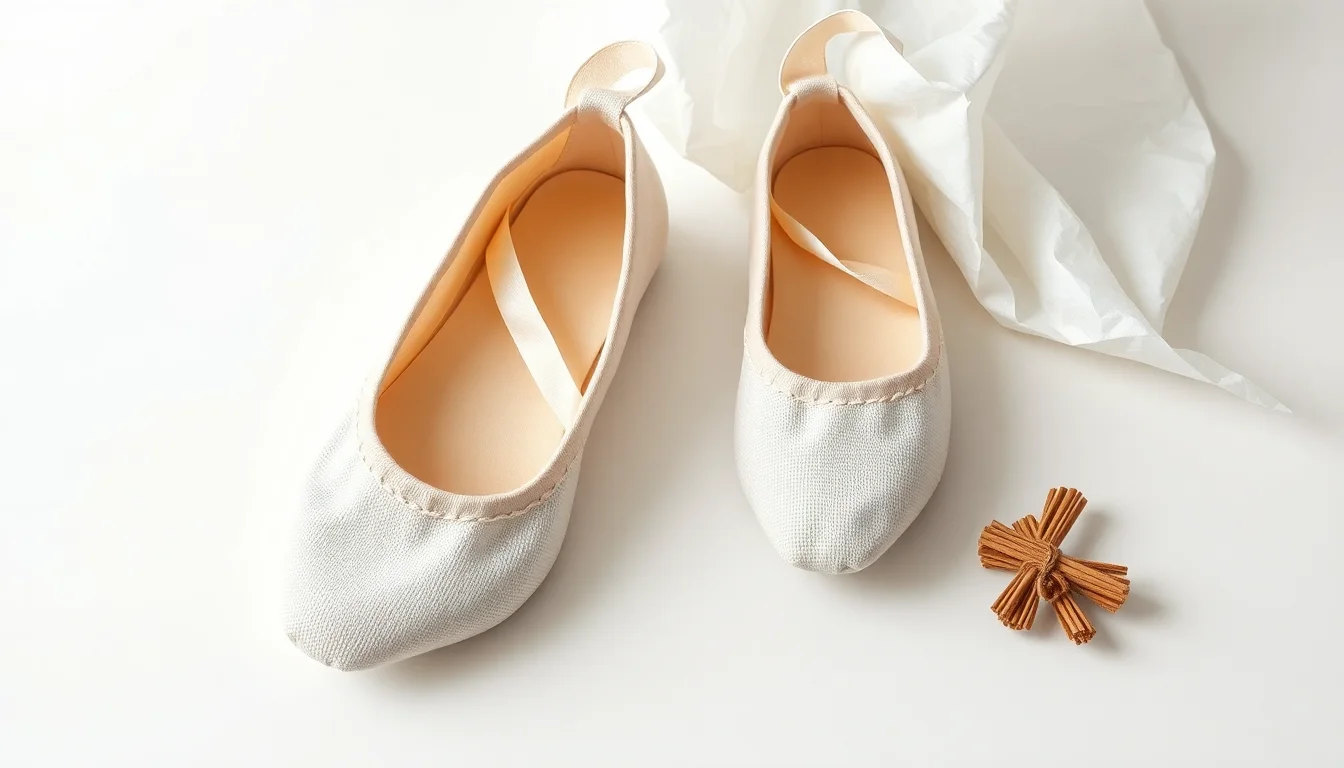
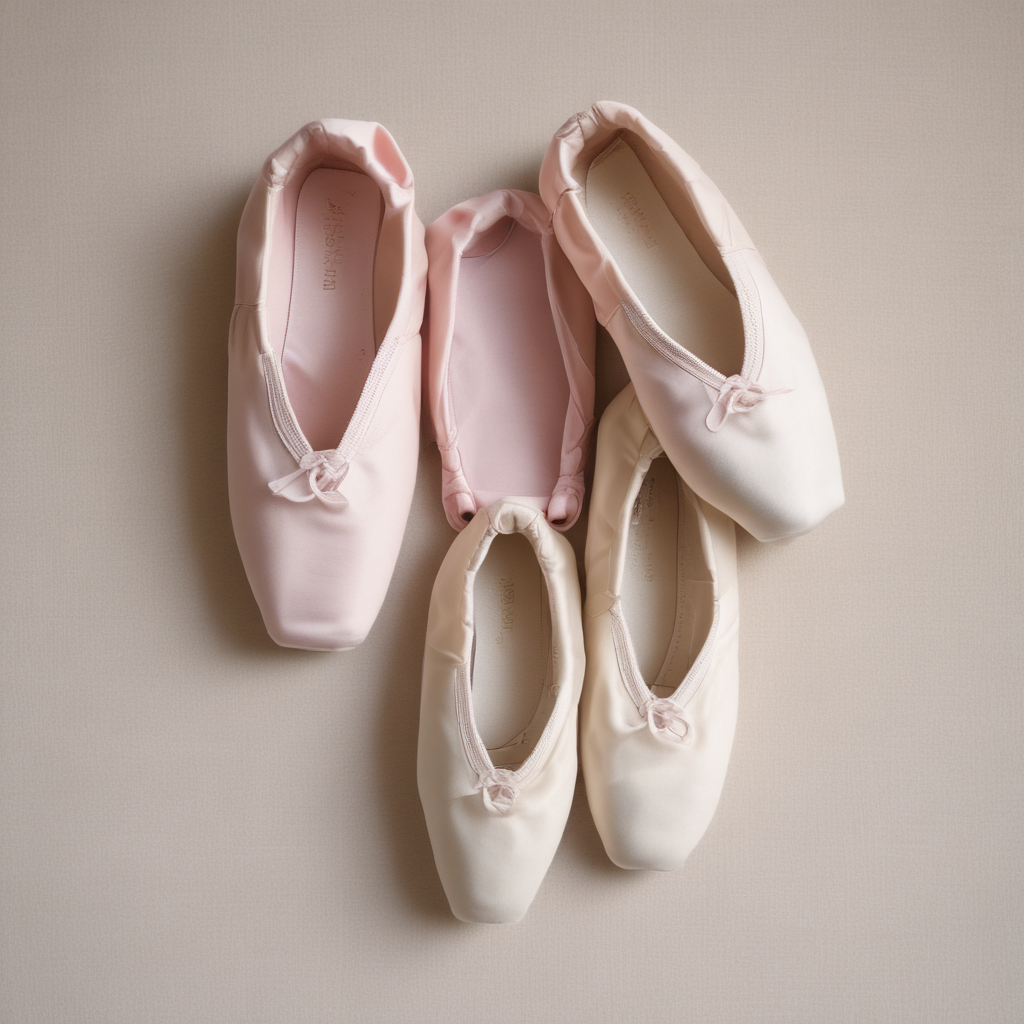
Three types of ballet shoes - satin, canvas and leather comparison flat lay on cream linen

Walk into any dancewear store and you’ll find ballet shoes in three distinct materials: satin, canvas, and leather. Each has a specific purpose, and wearing the right material in the right context can make a real difference to how your child’s footwork looks and feels. This guide breaks down the differences, pros and cons, and when to use each type.

Canvas Ballet Shoes

Canvas is the most popular choice for regular class and RAD graded examinations. It’s lightweight, breathable, and molds to the foot quickly. Canvas shoes have a brushed cotton or nylon upper that stretches to follow the natural shape of the foot, making them comfortable from the first wear.

Best for: Everyday class, RAD graded examinations, beginners
Pros: Lightweight, machine washable, affordable, molds to foot quickly
Cons: Less durable than leather, can wear through faster in older or more active students

Leather Ballet Shoes

Leather shoes are more structured and durable than canvas. They take longer to break in but last considerably longer and hold their shape well over time. Full-sole leather shoes are often preferred for younger students whose feet are still developing, as the firmer sole encourages correct foot placement.

Best for: Younger beginners (full-sole), students whose canvas shoes wear out quickly
Pros: Very durable, good structure, excellent for full-sole development work
Cons: Heavier than canvas, takes longer to break in, cannot be machine washed

Leather ballet shoes come in pink (standard) and sometimes white. The most common colors at RAD schools are pink for girls and black or white for boys.

Satin Ballet Shoes

Satin ballet shoes look stunning and are associated with the romantic image of the ballerina — but they’re designed for performance, not everyday class. The delicate satin upper scuffs, tears, and marks easily and has no practical advantage in a normal class environment.

Best for: Stage performances, shows, photograph shoots
Pros: Beautiful appearance under stage lighting, available in many colors
Cons: Delicate and easily damaged, not suitable for regular use, often slip-prone on studio floors

For most RAD schools, satin shoes are not permitted for class or examination use. Check your school’s policy before purchasing.

Side-by-Side Comparison

Feature Canvas Leather Satin
Durability Medium High Low
Break-in time Minimal Moderate Minimal
Best use Class & exams Class & exams Performance
Machine washable Yes No No
Price range $ $$ $$

Which Should You Buy?

For most children in RAD classes, canvas is the right choice for everyday class and examinations. It’s comfortable, practical, and appropriate. Consider leather if your child goes through canvas shoes very quickly or if the school specifically recommends it for beginners.

Satin shoes are a separate purchase for special occasions. If your child’s school has an end-of-year show or performance, you may need a pair specifically for the event — but these shouldn’t replace their regular class shoes.

Frequently Asked Questions

Can my child wear satin shoes to RAD class?

Most RAD schools do not permit satin shoes for class or examinations. Satin is a performance material and doesn’t provide the grip needed on studio floors. Always check your school’s policy, but if in doubt, go with canvas.

Are leather shoes better for beginners than canvas?

Full-sole leather shoes offer more support for very young feet, but canvas is also suitable. Many teachers prefer canvas for its flexibility. Ask your teacher what they recommend for your child’s age and level.

My daughter’s canvas shoes have worn through at the toe. How long should they last?

Canvas shoes typically last 3–6 months for a child in regular class, depending on class frequency and how active the child is. If they’re wearing through faster, consider leather as a more durable alternative.

Posted on

Ballet Shoe Size Chart: How to Find the Right Fit

Ballet Shoe Size Chart: How to Find the Right Fit

Short answer: Why Ballet Shoe Sizing Is Different Ballet shoes do not follow everyday footwear sizing. Most brands use their own numbering systems, and ballet shoes are generally two to three sizes smaller than…

Why Ballet Shoe Sizing Is Different

Ballet shoes do not follow everyday footwear sizing. Most brands use their own numbering systems, and ballet shoes are generally two to three sizes smaller than street shoes. They are designed to fit snugly around the foot for maximum control and floor feel — extra material bunches or slips and compromises both safety and technique.

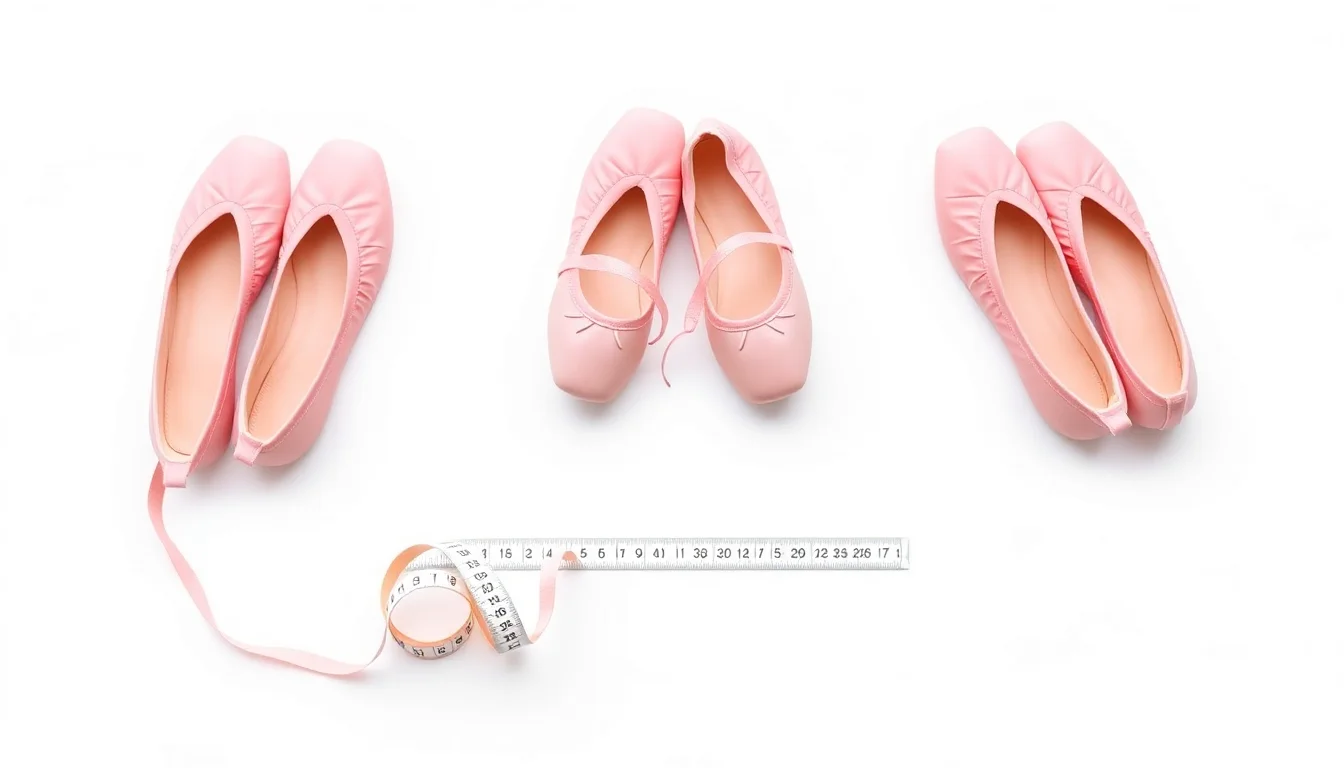
How to Measure Your Child’s Feet

  1. Have your child stand on a piece of paper.
  2. Trace around the foot carefully with a pencil held vertically.
  3. Measure the length from the heel to the tip of the longest toe in centimetres.
  4. Measure the widest part of the foot across the ball.
  5. Use both measurements with the brand’s size chart.

Measure both feet and use the larger one. Measure toward the end of the day when feet are at their largest.

Approximate Size Conversions (UK Children)

UK Street Size Approx Ballet Shoe Size
5.5 (toddler) 0.5 – 1
7 1.5 – 2
9 3.5 – 4
11 5 – 5.5
13 7 – 7.5
2 (junior) 9 – 9.5
4 11 – 11.5
6 (adult) 13 – 13.5

Note: These are approximate guides only. Always check the specific brand’s size chart, as numbering varies between manufacturers.

Canvas vs Leather: Does Sizing Differ?

Yes. Leather ballet shoes typically require sizing up compared to canvas because leather stretches less. Canvas shoes mould more closely to the foot over time. When switching between materials, always re-measure rather than assuming the same size applies.

Split Sole vs Full Sole

Split sole and full sole shoes from the same manufacturer are usually sized the same, but the arch feel differs. A split sole leaves the arch exposed, giving greater feel for articulation. A full sole supports the whole foot. Both are correct depending on the student’s age, level, and teacher recommendation.

Growth Allowance for Children

Allow no more than a thumb’s width of growing room at the toe — enough for six to twelve months of wear without compromising safety. A shoe that is too large is unsafe and hinders technique.

Frequently Asked Questions

How do I know what size ballet shoe to buy?

Measure the foot length and width in centimetres, then compare to the manufacturer’s size chart. Ballet shoes are typically two to three sizes smaller than street shoes. A fitting at a specialist dance shop is the most reliable method.

Should ballet shoes be tight or loose?

Snug but not painful. Toes should reach but not curl. Very little extra material should be visible at the toe. The heel should sit firmly without slipping.

What is the difference between canvas and leather ballet shoes?

Canvas shoes are lightweight and breathable; they mould to the foot with wear. Leather shoes are more durable with a slightly firmer fit. Most teachers accept both, though some prefer one material for specific grade levels.

Can I buy ballet shoes online without measuring?

It is best to measure first. Street shoe size alone is not reliable for ballet shoes due to brand-specific sizing. Most dance brands provide detailed size charts for online purchases.

Posted on

How to Break In Ballet Shoes: A Beginner’s Guide

How to Break In Ballet Shoes: A Beginner's Guide

Brand new ballet shoes can feel stiff across the toe box and slippery on the sole, especially leather full-sole styles. Breaking in a new pair correctly makes them more comfortable and reduces the risk of blisters in early classes. The process is gentle and takes a few sessions — there is no need to force the shoe.

Short answer: Brand new ballet shoes can feel stiff across the toe box and slippery on the sole, especially leather full-sole styles.

Do canvas ballet shoes need breaking in?

Canvas shoes, particularly stretch canvas styles, require very little breaking in compared to leather. The fabric is soft from the start and moulds to the foot within the first one or two wears. The main adjustment is sole stiffness: new soles can feel slightly resistant underfoot, but this softens quickly with normal class use. Stretch canvas shoes are the easiest to break in of all ballet shoe types — most dancers find they feel comfortable from the very first class.

How to break in leather ballet shoes

Leather ballet shoes take longer to mould to the foot, particularly through the toe box and at the flex point across the ball of the foot. Start by wearing them indoors with thin socks for fifteen to twenty minutes each day in the week before classes begin. This warms the leather slightly and encourages it to soften around the toes without stress on the material.

To encourage the sole to flex at the right point, hold the heel of the shoe firmly and gently bend the sole forward at the ball of the foot several times. Do not crease or fold the shoe sharply — work gradually over several sessions. Once the leather has softened, a light application of leather conditioner will keep it supple.

What about non-slip grip on a new sole?

New ballet shoe soles can be slippery on a sprung wood studio floor, particularly canvas styles. This is normal and improves after a few classes as the sole develops a light texture through use. Some dancers lightly scuff the sole on a rough surface (a concrete step or the studio threshold) to take the initial slipperiness off. Do this gently — the aim is a very slight texture, not to damage the material. Some studios have rosin boxes at the entrance to the studio floor — stepping in these before class gives the sole instant grip.

When are ballet shoes fully broken in?

Most canvas shoes feel broken in after two or three classes. Leather shoes may take four to six classes before they feel genuinely comfortable and supple throughout. If a shoe is causing blisters or pain at a specific point after several wears, check the fit — the shoe may be too narrow or too long rather than simply not broken in yet. A correctly fitted shoe should not cause pain beyond the mild stiffness of the first few wears.

Frequently Asked Questions

How long does it take to break in new canvas ballet shoes?

Canvas shoes typically feel comfortable after two to three classes. The canvas softens with wear and body heat. There is no need to force them — wearing them for a full class and removing them afterward lets them mold naturally.

Should I soak ballet shoes to break them in?

Slightly dampening canvas shoes — not soaking — then wearing them until dry can help them mold to the foot shape. Never soak leather ballet shoes, as this weakens the glue and deforms the structure.

Why are new leather ballet shoes slippery on the sole?

New leather soles have a smooth finish that can be slippery. Lightly scuffing the sole on a rough surface (such as concrete) before the first class gives the sole enough texture to grip the studio floor safely.