
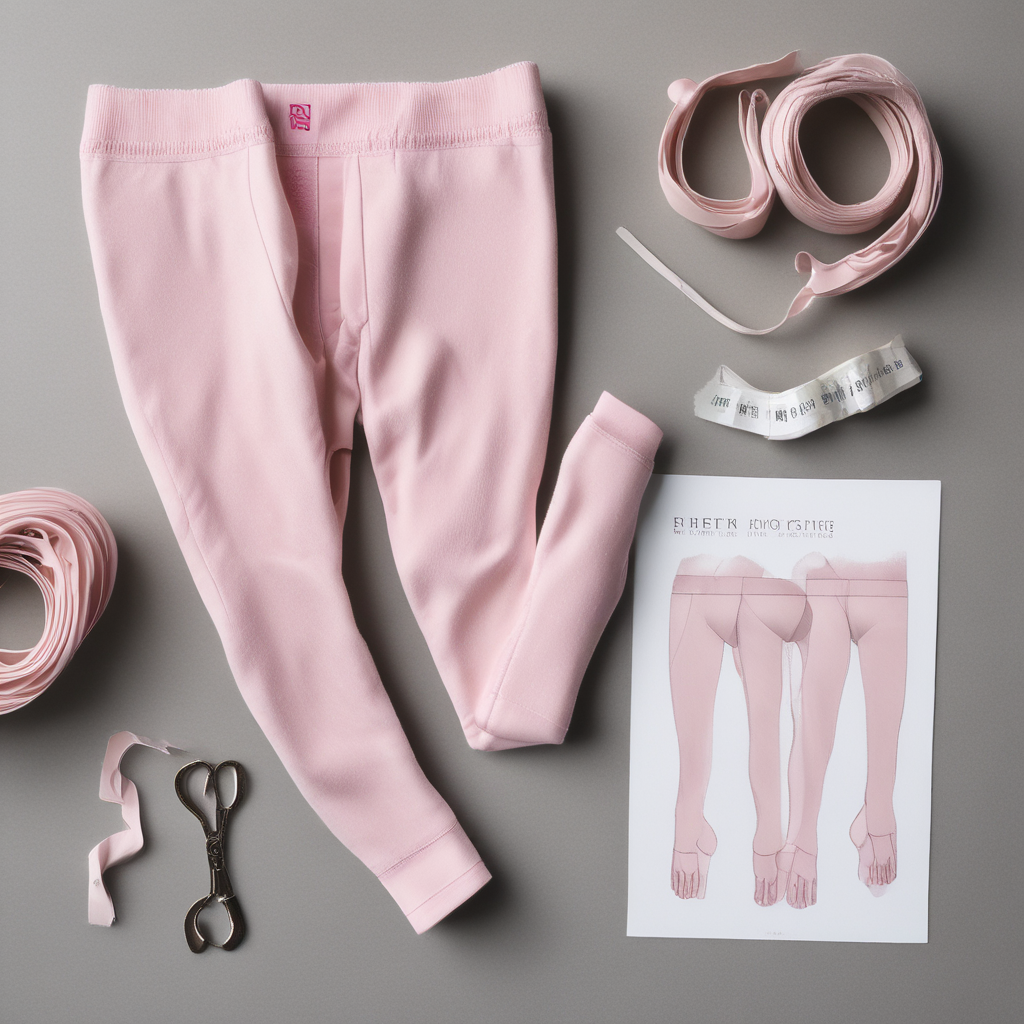
Ballet tights are one of the most frequently reordered items in a dancer’s kit — and one of the most commonly bought in the wrong size. Too small and they roll down, restrict movement or ladder quickly. Too large and they bag at the ankles and knees, looking untidy for class and examinations. This guide explains how to measure correctly and choose the right size every time.
How Ballet Tights Are Sized
Most ballet tights for children are sized by height in centimetres (cm) or by age, and sometimes by a combination of both. Adult tights are typically sized by height and waist or hip measurement. Sizes vary between brands, so always check the specific size chart provided by the manufacturer rather than assuming sizes are consistent across products.
Common children’s sizing categories:
- Height-based (e.g. 92–104cm, 104–116cm): Most reliable for ballet tights as height affects the crotch-to-waist length most directly
- Age-based (e.g. 2–4 years, 5–7 years): Useful as a starting point but less reliable as children vary in height
- XS/S/M/L/XL: Used for teen and adult tights; check whether these correspond to height or waist
How to Measure Your Child for Ballet Tights
Take three measurements for the most accurate size selection:
- Height: Have your child stand straight against a wall without shoes. Measure from the floor to the top of the head in centimetres.
- Waist: Measure around the natural waist — the narrowest point above the hips. Keep the tape snug but not tight.
- Hip/Seat: Measure around the fullest part of the hips and bottom.
For most children’s ballet tights, height is the primary measurement. If your child’s height falls between two sizes, size up rather than down. Ballet tights have stretch, and a slightly larger size will accommodate growth and wash-and-wear stretch better than a size that starts tight.
Footed vs Convertible Tights: Does Sizing Differ?
The sizing process is the same for footed, convertible and stirrup styles. However, with convertible tights, a slightly longer leg length is less noticeable because the foot hole can be rolled up. With footed tights, a poor foot-to-leg fit is immediately visible, so accurate sizing matters more.
What Colour Ballet Tights Does Your Child Need?
The colour is determined by the exam board and school. For RAD examinations:
- Pre-Primary and Primary: Pink tights (standard ballet pink)
- Grades 1–5: Pink tights
- Grades 6–8: Pink tights (some schools specify theatrical pink or flesh tone)
- Vocational: Pink tights; flesh/skin-tone in some sections
If you are unsure, ballet pink is the safe default for RAD graded work. Skin-tone tights are usually only required for vocational level or performance work.
How Many Pairs Does a Ballet Student Need?
For regular weekly class, two pairs minimum is practical — one to wear and one clean spare. For students preparing for exams, three pairs is better: one to wear to the exam, one backup, and one for class. Ballet tights are delicate and can ladder unexpectedly, so having a spare on exam day is essential.
How to Make Ballet Tights Last Longer
Wash at 30°C in a mesh laundry bag on a gentle cycle. Turn inside out before washing. Do not tumble dry — lay flat or hang to dry. Do not use fabric softener, which weakens elastane fibres over time. Trim fingernails before putting tights on, as sharp edges are a common cause of laddering.
Shop from Zoe Dancewear
Frequently Asked Questions
Should I size up or down when buying ballet tights?
Size up when in doubt. Ballet tights will stretch slightly with wear, and a pair that starts tight will become uncomfortable quickly and is more likely to ladder. A slightly generous size wears better and lasts longer.
My child is tall but slim — which measurement do I use?
Use height as the primary measurement. Most ballet tights are designed for a range of builds and the waistband is elasticated to accommodate variation. If your child is significantly outside the typical height-to-waist ratio, try a size based on height and adjust the waistband with a safety pin inside if needed.
How often should ballet tights be replaced?
With regular class use (once or twice a week), well-maintained tights typically last a full term (10–12 weeks). They should be replaced sooner if they develop visible thinning, repeated ladders, or have lost elasticity and bag at the knees or ankles.
Do ballet tights shrink in the wash?
Some shrinkage is possible if washed at high temperatures or tumble dried. Wash at 30°C or below on a gentle cycle and air dry to maintain the original size and shape.