Posted on

Do Ballet Leotards Run Small? How to Size Up Correctly

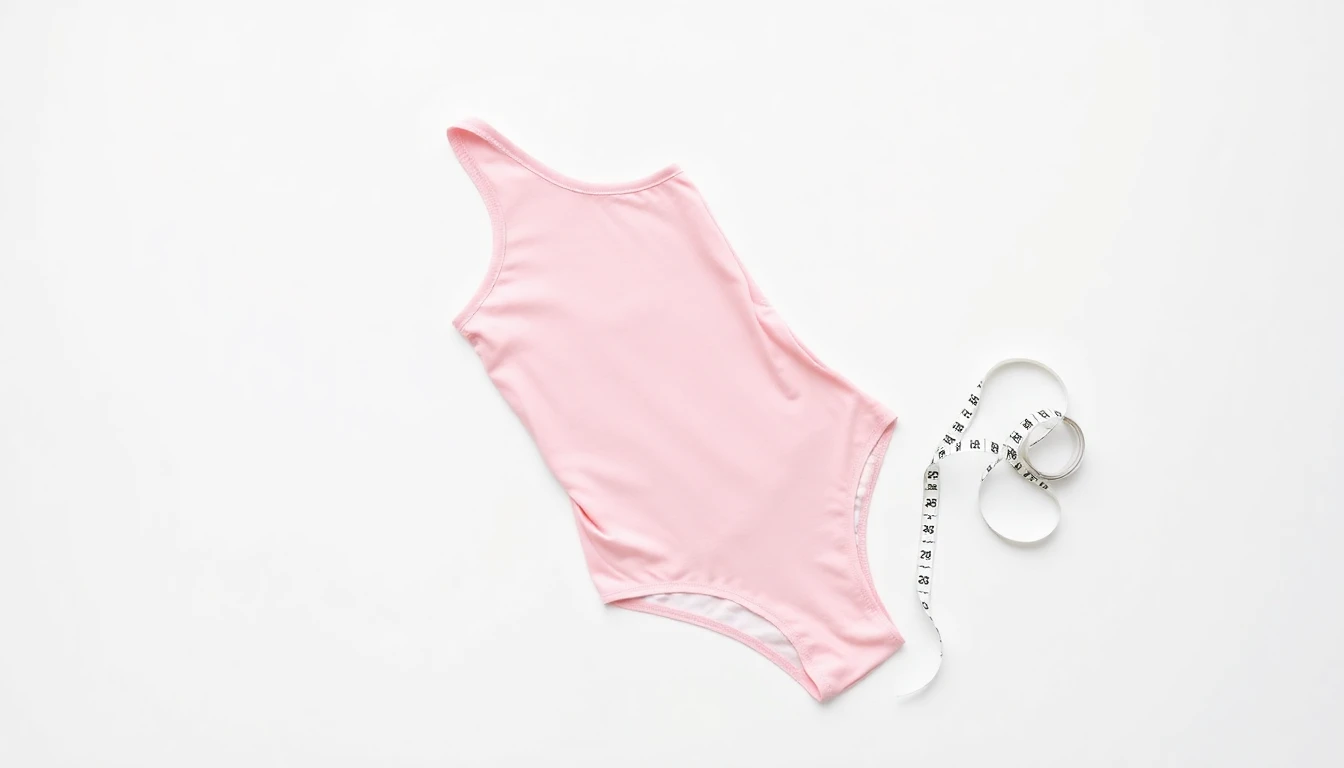
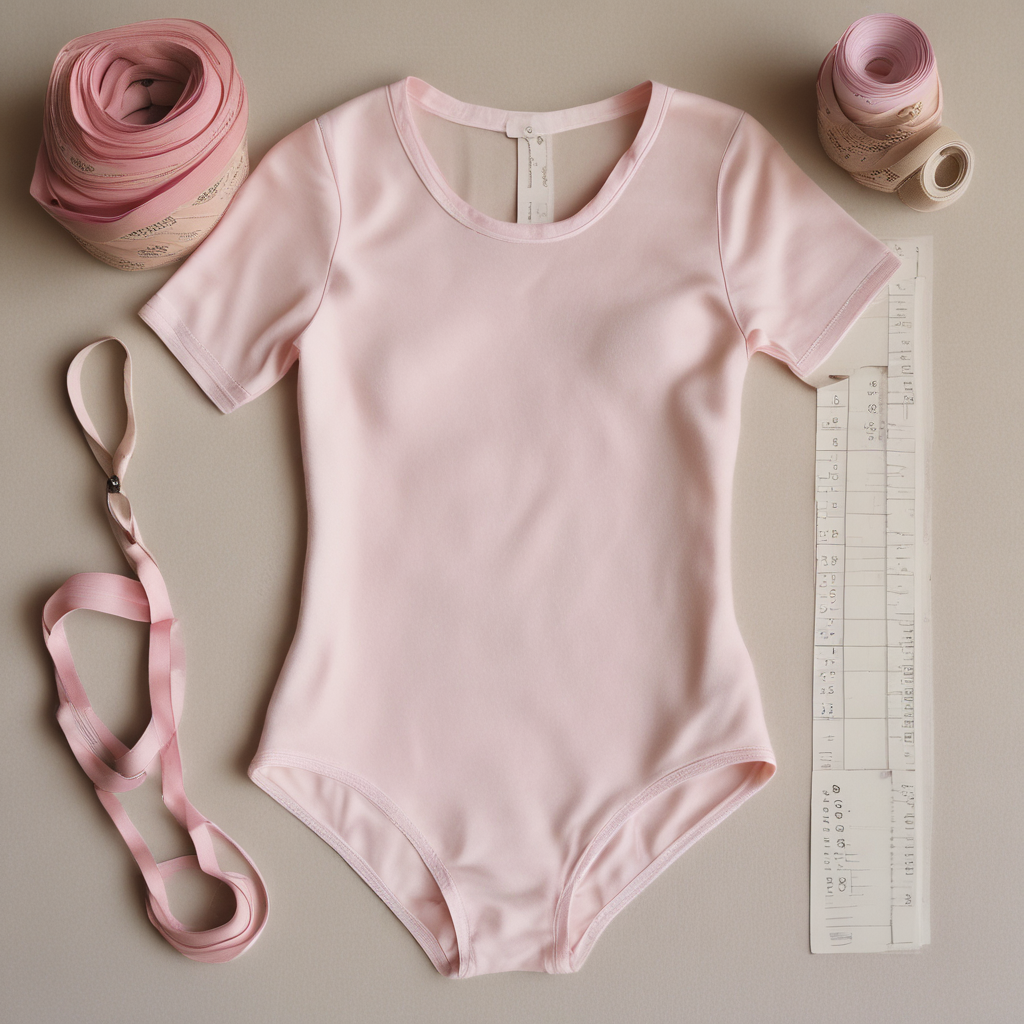
Ballet leotard with measuring tape and size chart for sizing guide on cream linen

If you’ve ever ordered a ballet leotard in your child’s usual clothing size and found it too small on arrival, you’re not alone. Ballet leotards consistently run smaller than standard clothing, and understanding why — and how to measure correctly — will save you the hassle of returns and exchanges.

Why Do Ballet Leotards Run Small?

Ballet leotards are designed to fit close to the body for two reasons: to allow teachers to see the dancer’s alignment and body line, and to prevent fabric from bunching or shifting during movement. A leotard with excess fabric looks untidy and can interfere with port de bras (arm movements) if the back gapes or the straps shift.

Because of this, manufacturers cut ballet leotards to a snugger standard than everyday activewear. The fabric itself is usually high-stretch, so the leotard stretches to fit the body rather than having excess fabric built in. This is correct — but it does mean that the size label doesn’t correspond to street clothing sizes.

How Much Smaller Do They Run?

The difference varies by brand and age range:

  • For children’s leotards, many brands run approximately one size smaller than standard clothing (a child who wears age-8 clothing may need an age-10 leotard)
  • For adult leotards, sizing often corresponds to bust measurement rather than dress size, and can run 1–2 sizes smaller than a regular top
  • Within the same brand, the sizing is usually consistent — once you know your child’s leotard size in a brand, you can usually reorder in the same size

How to Measure for a Ballet Leotard

Don’t rely on clothing size or age. Measure directly:

  1. Chest: measure around the fullest part of the chest, keeping the tape parallel to the floor
  2. Waist: measure around the natural waist, typically 2–3 cm above the belly button
  3. Height: most brands include height in their size chart as it affects the torso length

Match these three measurements against the brand’s specific size chart. Height is often the deciding factor for children — a tall child with a slim build needs a leotard with a longer torso, even if their chest and waist measurements are average.

What Happens If the Leotard Is Too Small

A leotard that’s too small will:

  • Pull at the hips and restrict leg movement
  • Cut into the shoulders and straps if the torso is too short
  • Create an uncomfortable wedge effect that’s distracting in class
  • Cause the child to tug at the leotard during class, which teachers find disruptive

What Happens If the Leotard Is Too Large

A leotard that’s too big:

  • Bunches at the chest and back, obscuring line
  • Allows the straps to fall off the shoulders
  • May have excess fabric at the gusset, which looks untidy

A slightly large leotard is preferable to a slightly small one — it won’t cause physical discomfort. But very oversized leotards look sloppy and the child will grow out of them faster than expected.

When to Size Up Proactively

If your child is between sizes or is currently in a rapid growth phase, size up. A slightly larger leotard looks better than one that’s visibly too tight, and it extends the leotard’s usable life by several months.

For the full guide to measuring your child for dancewear, see our How to Measure for a Ballet Leotard guide.

Frequently Asked Questions

My child is between ages 8 and 10 on the size chart. Which should I order?

Size up to age 10. You can always adjust fit slightly with accessories (like a belt pulling in the waist) but there’s no way to make a leotard larger once purchased.

Do adult ballet leotards run small too?

Yes, typically. Adult dancewear sizing is often based on bust measurement rather than standard dress size, and garments are cut to fit snugly. Check the brand’s specific chart and measure before ordering.

Why did my daughter’s leotard shrink after washing?

High-stretch fabrics can lose some elasticity if washed in hot water or tumble dried. Always wash ballet leotards at 30°C in a gentle cycle and hang or lay flat to dry.

Posted on

Ballet Tights Size Guide: How to Find the Right Size for Your Child

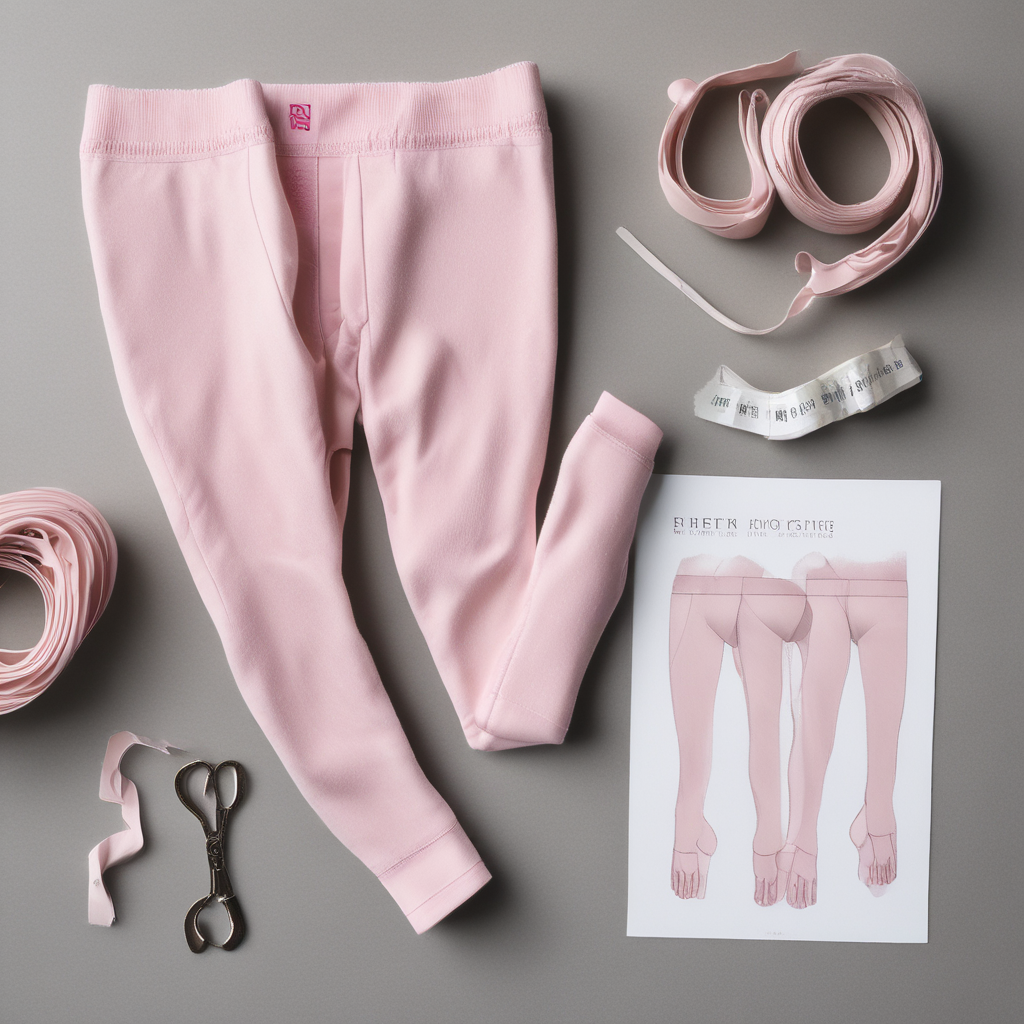
Ballet tights size guide – pink footed tights folded with measuring tape flatlay

Ballet tights are one of the most frequently reordered items in a dancer’s kit — and one of the most commonly bought in the wrong size. Too small and they roll down, restrict movement or ladder quickly. Too large and they bag at the ankles and knees, looking untidy for class and examinations. This guide explains how to measure correctly and choose the right size every time.

How Ballet Tights Are Sized

Most ballet tights for children are sized by height in centimetres (cm) or by age, and sometimes by a combination of both. Adult tights are typically sized by height and waist or hip measurement. Sizes vary between brands, so always check the specific size chart provided by the manufacturer rather than assuming sizes are consistent across products.

Common children’s sizing categories:

  • Height-based (e.g. 92–104cm, 104–116cm): Most reliable for ballet tights as height affects the crotch-to-waist length most directly
  • Age-based (e.g. 2–4 years, 5–7 years): Useful as a starting point but less reliable as children vary in height
  • XS/S/M/L/XL: Used for teen and adult tights; check whether these correspond to height or waist

How to Measure Your Child for Ballet Tights

Take three measurements for the most accurate size selection:

  1. Height: Have your child stand straight against a wall without shoes. Measure from the floor to the top of the head in centimetres.
  2. Waist: Measure around the natural waist — the narrowest point above the hips. Keep the tape snug but not tight.
  3. Hip/Seat: Measure around the fullest part of the hips and bottom.

For most children’s ballet tights, height is the primary measurement. If your child’s height falls between two sizes, size up rather than down. Ballet tights have stretch, and a slightly larger size will accommodate growth and wash-and-wear stretch better than a size that starts tight.

Footed vs Convertible Tights: Does Sizing Differ?

The sizing process is the same for footed, convertible and stirrup styles. However, with convertible tights, a slightly longer leg length is less noticeable because the foot hole can be rolled up. With footed tights, a poor foot-to-leg fit is immediately visible, so accurate sizing matters more.

What Colour Ballet Tights Does Your Child Need?

The colour is determined by the exam board and school. For RAD examinations:

  • Pre-Primary and Primary: Pink tights (standard ballet pink)
  • Grades 1–5: Pink tights
  • Grades 6–8: Pink tights (some schools specify theatrical pink or flesh tone)
  • Vocational: Pink tights; flesh/skin-tone in some sections

If you are unsure, ballet pink is the safe default for RAD graded work. Skin-tone tights are usually only required for vocational level or performance work.

How Many Pairs Does a Ballet Student Need?

For regular weekly class, two pairs minimum is practical — one to wear and one clean spare. For students preparing for exams, three pairs is better: one to wear to the exam, one backup, and one for class. Ballet tights are delicate and can ladder unexpectedly, so having a spare on exam day is essential.

How to Make Ballet Tights Last Longer

Wash at 30°C in a mesh laundry bag on a gentle cycle. Turn inside out before washing. Do not tumble dry — lay flat or hang to dry. Do not use fabric softener, which weakens elastane fibres over time. Trim fingernails before putting tights on, as sharp edges are a common cause of laddering.

Frequently Asked Questions

Should I size up or down when buying ballet tights?

Size up when in doubt. Ballet tights will stretch slightly with wear, and a pair that starts tight will become uncomfortable quickly and is more likely to ladder. A slightly generous size wears better and lasts longer.

My child is tall but slim — which measurement do I use?

Use height as the primary measurement. Most ballet tights are designed for a range of builds and the waistband is elasticated to accommodate variation. If your child is significantly outside the typical height-to-waist ratio, try a size based on height and adjust the waistband with a safety pin inside if needed.

How often should ballet tights be replaced?

With regular class use (once or twice a week), well-maintained tights typically last a full term (10–12 weeks). They should be replaced sooner if they develop visible thinning, repeated ladders, or have lost elasticity and bag at the knees or ankles.

Do ballet tights shrink in the wash?

Some shrinkage is possible if washed at high temperatures or tumble dried. Wash at 30°C or below on a gentle cycle and air dry to maintain the original size and shape.

Posted on

How to Measure for a Ballet Leotard: A Parent’s Sizing Guide

How to Measure for a Ballet Leotard: A Parent's Sizing Guide

Ballet leotards must fit snugly without restricting movement — too loose and they bunch and wrinkle during class, too tight and they are uncomfortable and may limit range of motion. Most leotard sizing is based on a combination of height and chest measurement, but the most useful single measurement for fit is the girth.

Short answer: Ballet leotards must fit snugly without restricting movement — too loose and they bunch and wrinkle during class, too tight and they are uncomfortable and may limit range of motion.

What measurements do you need for a ballet leotard?

For most children’s leotards, the key measurements are:

  • Height — measured from the floor to the top of the head in bare feet, standing straight
  • Chest — measured around the widest part of the chest, directly under the armpits, keeping the tape level and not too tight
  • Waist — measured around the narrowest point of the waist
  • Girth — the single most useful measurement; measured from the top of one shoulder, down through the crotch, and back up to the same shoulder

The girth measurement tells you how long the body of the leotard needs to be from shoulder to crotch. A leotard that is too short in the girth will pull down at the neckline or pull up uncomfortably at the leg opening.

How to take the girth measurement correctly

Have the child stand upright in underwear. Place the end of a soft measuring tape at the top of one shoulder, run it straight down the front of the body, between the legs, and up the back to the same shoulder. Note the number. Take this measurement twice and use the average. This is the girth measurement and is the most reliable predictor of leotard fit for a growing child.

How to choose the right size from a size chart

Most dancewear brands provide size charts with height and chest ranges for each size label. Match the child’s measurements against the chart and, when the measurements fall between two sizes, size up rather than down. Leotards are worn over tights which add a small amount of bulk, and a slightly larger leotard that fits properly is always preferable to one that is technically the right size but feels restrictive.

Note that different brands size differently — a size 6 in one brand may correspond to a size 8 in another. Always use the brand’s own measurement chart rather than relying on age labels.

How to check the fit before buying

If you are shopping in a dance store, have the child try the leotard on over their tights. Ask them to raise both arms overhead: the neckline and shoulder straps should not pull significantly. Have them do a small squat: the crotch seam should not pull down uncomfortably. If the store does not allow trying on, purchase from a retailer with a clear exchange or returns policy in case the size needs to change.

Frequently Asked Questions

What is the girth measurement and why is it important for leotards?

The girth is the measurement from the front shoulder, down through the crotch and back up to the back shoulder. This measurement determines whether the torso length is right — a leotard that is too short in the girth will pull and be uncomfortable.

Do I measure over clothes for a ballet leotard?

Take measurements over a thin layer of clothing or an existing leotard. Measuring over bulky clothes will give you a larger number and result in a leotard that is too big. The tape should lie flat against the body with no slack.

My child is between sizes — should I size up or down for a ballet leotard?

Always size up. A slightly larger leotard is wearable and will last a little longer as the child grows. A leotard that is too small will pull at the shoulders, dig in at the leg openings and restrict movement.