Posted on

Ballet Tights Size Guide: How to Find the Right Size for Your Child

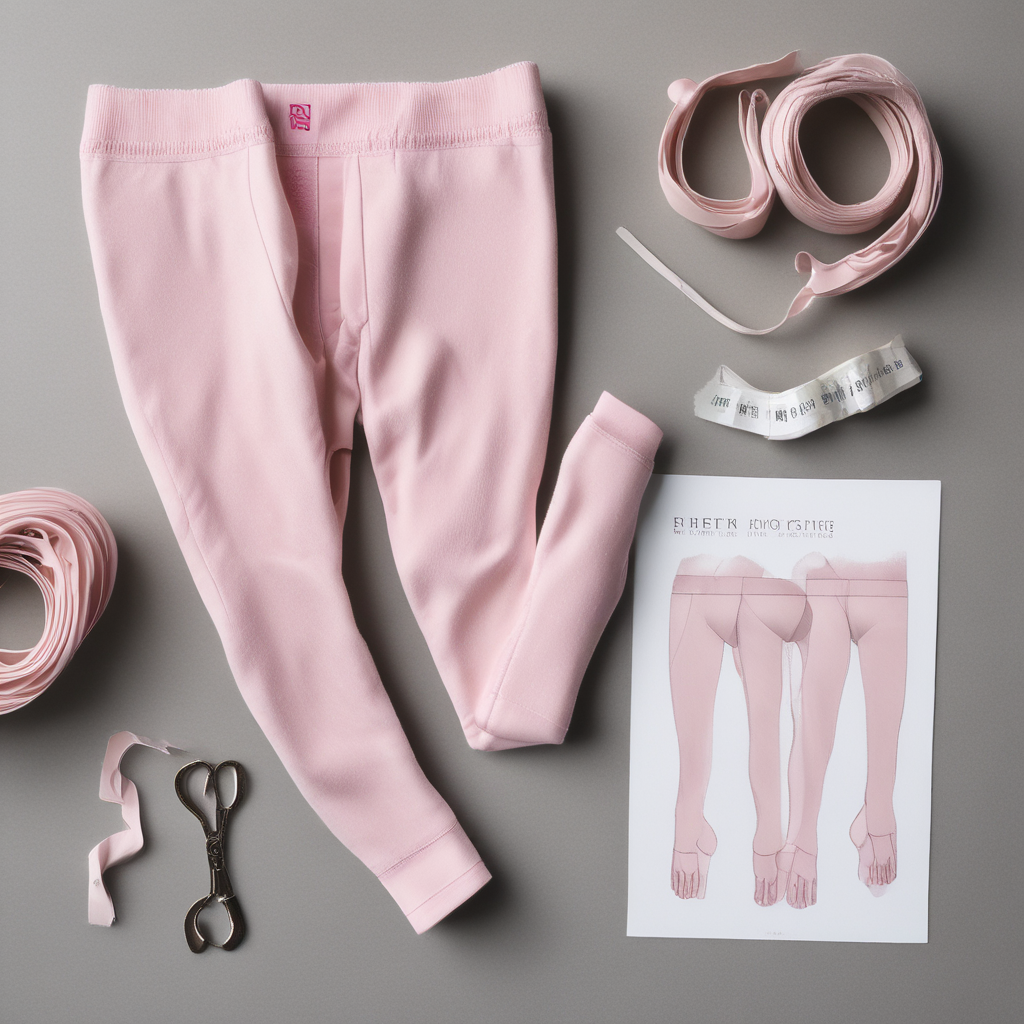
Ballet tights size guide – pink footed tights folded with measuring tape flatlay

Ballet tights are one of the most frequently reordered items in a dancer’s kit — and one of the most commonly bought in the wrong size. Too small and they roll down, restrict movement or ladder quickly. Too large and they bag at the ankles and knees, looking untidy for class and examinations. This guide explains how to measure correctly and choose the right size every time.

How Ballet Tights Are Sized

Most ballet tights for children are sized by height in centimetres (cm) or by age, and sometimes by a combination of both. Adult tights are typically sized by height and waist or hip measurement. Sizes vary between brands, so always check the specific size chart provided by the manufacturer rather than assuming sizes are consistent across products.

Common children’s sizing categories:

  • Height-based (e.g. 92–104cm, 104–116cm): Most reliable for ballet tights as height affects the crotch-to-waist length most directly
  • Age-based (e.g. 2–4 years, 5–7 years): Useful as a starting point but less reliable as children vary in height
  • XS/S/M/L/XL: Used for teen and adult tights; check whether these correspond to height or waist

How to Measure Your Child for Ballet Tights

Take three measurements for the most accurate size selection:

  1. Height: Have your child stand straight against a wall without shoes. Measure from the floor to the top of the head in centimetres.
  2. Waist: Measure around the natural waist — the narrowest point above the hips. Keep the tape snug but not tight.
  3. Hip/Seat: Measure around the fullest part of the hips and bottom.

For most children’s ballet tights, height is the primary measurement. If your child’s height falls between two sizes, size up rather than down. Ballet tights have stretch, and a slightly larger size will accommodate growth and wash-and-wear stretch better than a size that starts tight.

Footed vs Convertible Tights: Does Sizing Differ?

The sizing process is the same for footed, convertible and stirrup styles. However, with convertible tights, a slightly longer leg length is less noticeable because the foot hole can be rolled up. With footed tights, a poor foot-to-leg fit is immediately visible, so accurate sizing matters more.

What Colour Ballet Tights Does Your Child Need?

The colour is determined by the exam board and school. For RAD examinations:

  • Pre-Primary and Primary: Pink tights (standard ballet pink)
  • Grades 1–5: Pink tights
  • Grades 6–8: Pink tights (some schools specify theatrical pink or flesh tone)
  • Vocational: Pink tights; flesh/skin-tone in some sections

If you are unsure, ballet pink is the safe default for RAD graded work. Skin-tone tights are usually only required for vocational level or performance work.

How Many Pairs Does a Ballet Student Need?

For regular weekly class, two pairs minimum is practical — one to wear and one clean spare. For students preparing for exams, three pairs is better: one to wear to the exam, one backup, and one for class. Ballet tights are delicate and can ladder unexpectedly, so having a spare on exam day is essential.

How to Make Ballet Tights Last Longer

Wash at 30°C in a mesh laundry bag on a gentle cycle. Turn inside out before washing. Do not tumble dry — lay flat or hang to dry. Do not use fabric softener, which weakens elastane fibres over time. Trim fingernails before putting tights on, as sharp edges are a common cause of laddering.

Frequently Asked Questions

Should I size up or down when buying ballet tights?

Size up when in doubt. Ballet tights will stretch slightly with wear, and a pair that starts tight will become uncomfortable quickly and is more likely to ladder. A slightly generous size wears better and lasts longer.

My child is tall but slim — which measurement do I use?

Use height as the primary measurement. Most ballet tights are designed for a range of builds and the waistband is elasticated to accommodate variation. If your child is significantly outside the typical height-to-waist ratio, try a size based on height and adjust the waistband with a safety pin inside if needed.

How often should ballet tights be replaced?

With regular class use (once or twice a week), well-maintained tights typically last a full term (10–12 weeks). They should be replaced sooner if they develop visible thinning, repeated ladders, or have lost elasticity and bag at the knees or ankles.

Do ballet tights shrink in the wash?

Some shrinkage is possible if washed at high temperatures or tumble dried. Wash at 30°C or below on a gentle cycle and air dry to maintain the original size and shape.
Posted on

New Ballet Student Starter Kit: What to Buy Before the First Term

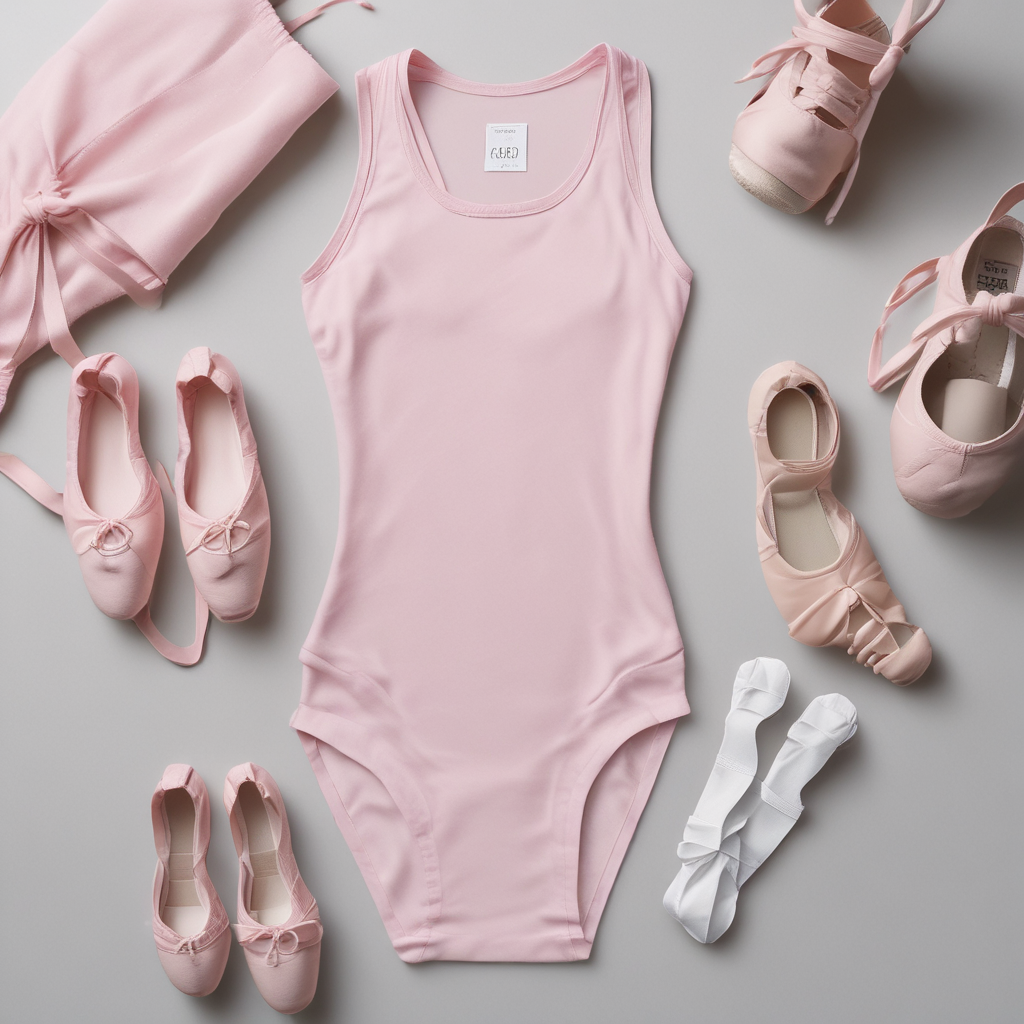
New ballet student starter kit – pink leotard, tights and ballet shoes for beginners

Your child has a place at a ballet school and the term starts in a few weeks. If you have never bought ballet uniform before, it can be difficult to know where to start: what is essential, what can wait, and what the teacher actually cares about versus what is optional. This guide breaks it down clearly.

The Non-Negotiable Starter Essentials

Before the first class, every new ballet student needs three things:

  1. A leotard in the school’s required colour — the teacher should tell you this before term starts. Do not buy a leotard before you know the colour.
  2. Ballet tights in the correct colour — almost always pink for Pre-Primary and Primary; check with the school.
  3. Ballet shoes in the correct style — almost always pink canvas full-sole for beginners. The school may specify a particular brand.

These three items are what every teacher will check on the first day. Everything else — warm-up clothes, bags, accessories — can follow in the first few weeks.

Choosing the Right Ballet Shoes for a Beginner

For very young beginners (Pre-Primary, aged 4–6), a pink canvas full-sole ballet shoe is the standard. The full sole provides more structure and is better for developing feet than a split sole, which is designed for more advanced students.

Ballet shoes should fit snugly but not tightly. The toe should not curl, but there should be no more than a small amount of growing room (1–1.5cm maximum). Overly large shoes are a common buying mistake — they cause tripping, slide off during class, and make it harder for the teacher to see foot placement.

If possible, have ballet shoes fitted in-person at a specialist dance shop. If ordering online, use the brand’s size guide and measure the child’s foot in centimetres rather than relying on standard shoe size conversions.

The Leotard: What to Look For

Ballet leotards for young children should be:

  • The correct colour as specified by the school
  • A comfortable, close-fitting style without excessive decoration
  • Made from a fabric with enough stretch for full range of movement (nylon-lycra blend is standard)
  • The right size — not sized up for growing room, as a baggy leotard looks untidy

For Pre-Primary and Primary students, a simple tank-top or short-sleeve style is usual. If the teacher does not specify the sleeve style, a simple tank in the correct colour is safe.

Tights: What to Buy

Pink full-footed tights are the standard starter purchase. Buy two pairs — one to wear and one spare. Ballet tights ladder, snag and wear out, and having a backup means class is not disrupted by a wardrobe emergency.

Size tights by height, not age. If your child is between sizes, go up one size.

What Can Wait: Second Month Additions

These items are useful but not essential for the very first class:

  • Warm-up clothes: A ballet cardigan or wrap sweater for keeping warm before class and during breaks.
  • Ballet bag: A small tote or backpack for carrying uniform to and from school. Any bag works initially.
  • Hair accessories: For the first few classes, a plain hair tie and a few kirby grips to secure a bun are enough.

What Not to Buy Yet

  • Pointe shoes: Pointe work begins only when a teacher assesses the student as physically and technically ready, typically no earlier than age 11 and after several years of consistent training. Never buy pointe shoes speculatively.
  • Character shoes: Required at some grade levels but not for beginners. Wait until the teacher says they are needed.
  • Multiple leotards in different colours: Buy the required colour for the current grade only.

A Realistic Budget for a New Starter

A complete starter kit — leotard, tights (two pairs) and ballet shoes — typically costs between £25 and £60 depending on brand and where you buy. Buying online from a specialist ballet retailer is often more economical than a high street dance shop, and the quality is comparable when you buy from a reputable supplier.

Frequently Asked Questions

Do I need to buy the exact brand the school recommends?

Sometimes. Some schools have agreements with specific suppliers or recommend a particular brand for consistency, especially for shoes. If the school specifies a brand, follow the guidance. For leotards and tights, most schools are more flexible as long as the colour and style are correct.

How quickly do young children outgrow ballet uniform?

Very quickly. Leotards and tights for children aged 4–8 may need replacing every 6–12 months. Ballet shoes often need replacing every term or two during growth spurts. Buy the correct size now and plan to replace rather than buying larger to save money — oversized uniform looks untidy and affects how the teacher can assess technique.

Can I buy second-hand ballet uniform?

Yes, for leotards and warm-up clothes. For ballet shoes, second-hand is generally not recommended — worn shoes mould to the previous wearer’s foot and may not support your child’s foot correctly. Tights should not be purchased second-hand for hygiene reasons.

Should I wash ballet uniform before the first wear?

Yes. Wash leotards and tights before first use to remove any manufacturing residue. Wash at 30°C on a gentle cycle and air dry. Do not tumble dry.

Posted on

Tights vs Leggings: What Is the Difference for Ballet?

Tights vs Leggings: What Is the Difference for Ballet?

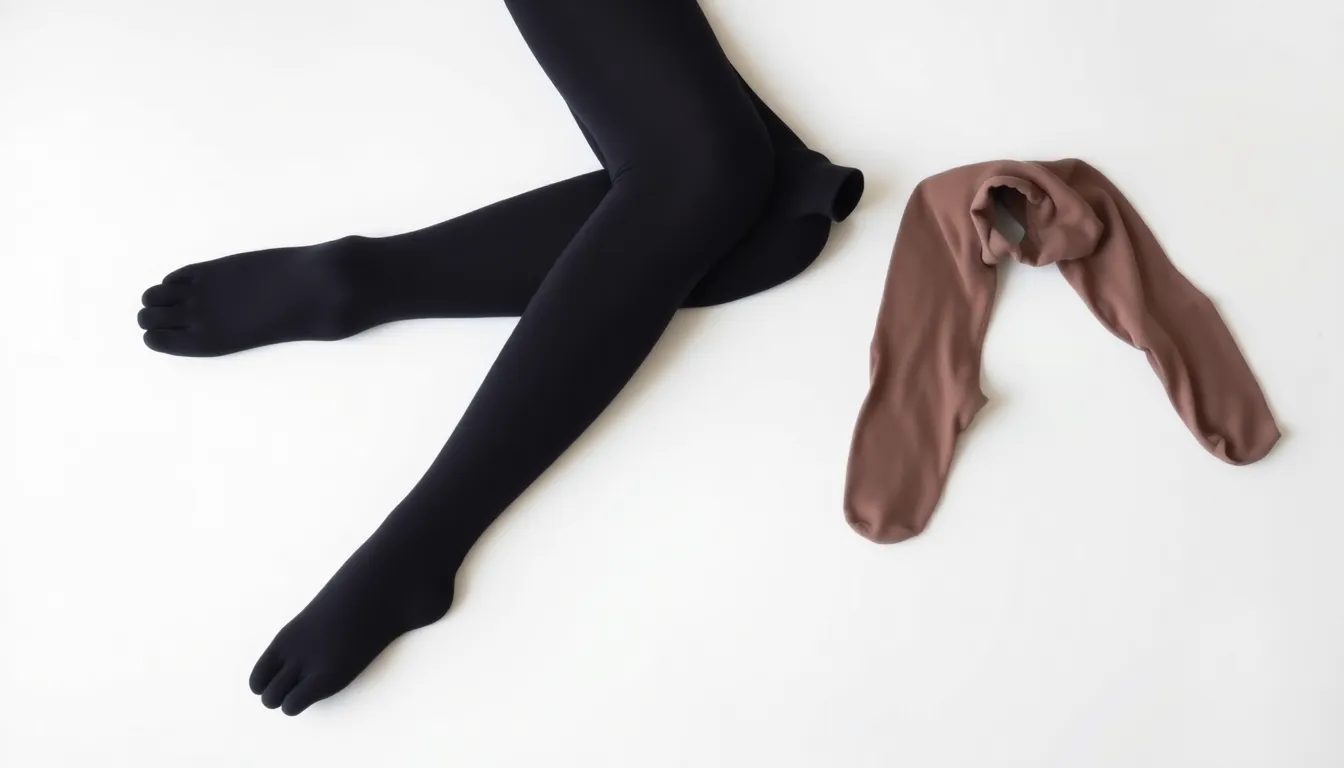
Short answer: Tights are a single-piece garment that covers both legs and the waist. They come in a wide range of thicknesses (measured in denier) from very sheer to thick and opaque.

What Are Tights?

Tights are a single-piece garment that covers both legs and the waist. They come in a wide range of thicknesses (measured in denier) from very sheer to thick and opaque. Dance tights are engineered for movement, with reinforced gussets, high stretch content, and a professional finish designed to stand up to the demands of class and performance.

What Are Leggings?

Leggings are stretchy, form-fitting trousers ending at the ankle. Unlike tights they are much thicker and more opaque, have a waistband at the natural waist, and do not include feet. Leggings are designed as outerwear for casual or gym use.

Key Differences

Feature Tights Leggings
Coverage Waist to toes Waist to ankle
Thickness Sheer to 80 denier Much thicker (opaque)
Feet Footed, convertible, or stirrup No feet
Purpose Base layer / performance Outerwear / casual
Used in ballet class Yes — required Usually not

Which Is Correct for Ballet Class?

Ballet tights are the correct choice — not leggings. Dance schools and syllabi specify ballet tights because they allow the teacher to see the dancer’s leg lines, foot placement, and muscle engagement clearly. The sheer or semi-sheer finish also maintains the clean, uniform look that is part of ballet’s professional tradition. Most RAD and ISTD schools specify pink ballet tights for girls.

When Are Leggings Acceptable in Dance?

  • Worn over tights as a warm-up layer in cold studios
  • Some contemporary and commercial dance styles
  • Adult barre fitness classes where strict dress codes may not apply
  • Hip hop and street dance

For classical ballet and RAD examinations, tights are always the correct choice.

Types of Ballet Tights

  • Footed tights: Full coverage to the toes; standard for most ballet classes
  • Convertible tights: A hole in the toe allows them to be worn both footed and footless
  • Stirrup tights: A strap under the arch, toes exposed
  • Fishnet tights: For performances and character work

Frequently Asked Questions

What is the difference between tights and leggings?

Tights are a sheer or semi-sheer single-piece garment covering the waist to the toes, worn as a base layer. Leggings are thick, opaque, ankle-length trousers worn as outerwear. Ballet class requires tights, not leggings.

Can I wear leggings to ballet class?

Most ballet schools require tights. Check your school’s dress code. Some permit dark leggings for adult beginner classes, but for RAD and ISTD graded classes, ballet tights are standard.

What denier should ballet tights be?

Most ballet tights are 40 to 70 denier — enough coverage for a professional appearance while remaining lightweight and letting the teacher see leg lines.

What colour tights for ballet?

Pink is standard for most girls’ RAD classes. Some schools specify white or skin-tone for certain grades or performances. Always check your school’s specific dress code.

Posted on

Fishnet Tights for Dance: When Dancers Wear Them and How to Choose

Fishnet Tights for Dance: When Dancers Wear Them and How to Choose

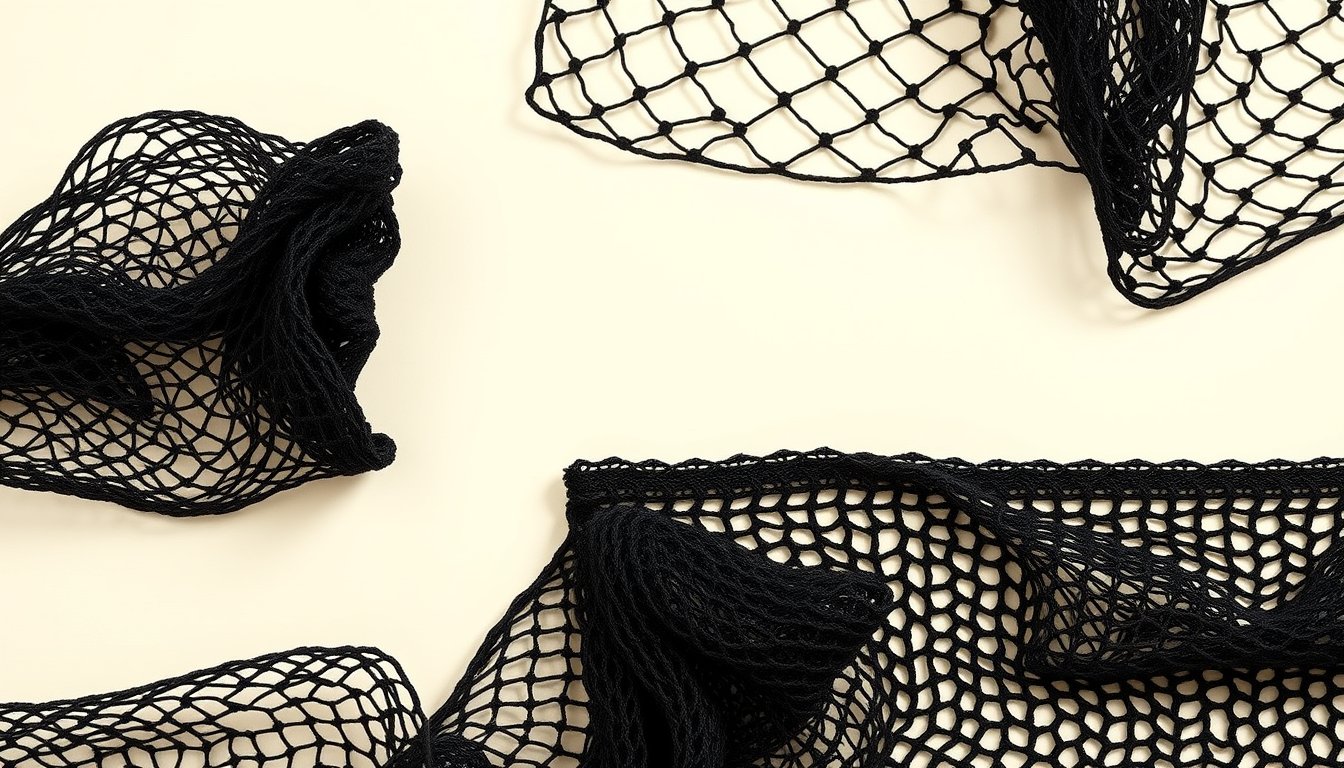
Fishnet tights are made from a diamond or hexagonal open-weave fabric. In dance they are most commonly worn for musical theatre, jazz, Latin ballroom, cabaret and character work. The open weave creates a leg-lengthening effect under stage lighting and gives a more theatrical look than plain opaque tights. They are rarely worn in classical ballet class but often required for shows and performances.

Short answer: Fishnet tights are made from a diamond or hexagonal open-weave fabric. In dance they are most commonly worn for musical theatre, jazz, Latin ballroom, cabaret and character work.

When Do Dancers Wear Fishnet Tights?

Common uses: musical theatre and jazz performances; Latin and ballroom competitions where skin-tone fishnets are worn with short dresses; character dance examinations where fishnets may be required with a character skirt; and end-of-year shows with a cabaret or vintage theme. Always check the specific costume brief — mesh size, denier and colour all vary by show.

Fishnet Tights: Mesh Size Explained

Small-mesh fishnets (1–5 mm holes) look more refined and suit exam or competition settings. Large-mesh fishnets (10 mm and above) are bolder and more theatrical — right for stage but too casual for exams. Medium mesh (5–8 mm) is the most versatile size for dance use.

Choosing the Right Colour

Black fishnet tights are most common for performance. Skin-tone or nude fishnets are used in Latin ballroom and for numbers calling for a natural leg look. White fishnets appear in some vintage show contexts. For ballet exams, stick to the colour specified by the teacher or exam board.

How to Make Dance Fishnet Tights Last

Hand wash or machine wash cold in a mesh laundry bag. Dry flat rather than tumble drying. Avoid pulling hard on the waistband. Store flat rather than rolled, which can stretch the mesh over time.

Frequently Asked Questions

Can ballet students wear fishnet tights in class?

Not usually. RAD classes require plain pink or skin-tone tights depending on grade. Fishnet tights are for performances or where specifically required by the teacher for a show costume.

Are fishnet tights appropriate for children in dance?

Yes, in a dance context — they are a standard part of many dance costumes from age 6 upwards when required by the costume brief for a performance.

Browse dance tights at ZoeDancewear

See also: For shows and performances, see our guide to glitter and sparkle tights for ballet.

Posted on

Pink or Skin-Tone Ballet Tights? How to Choose

Pink or Skin-Tone Ballet Tights? How to Choose

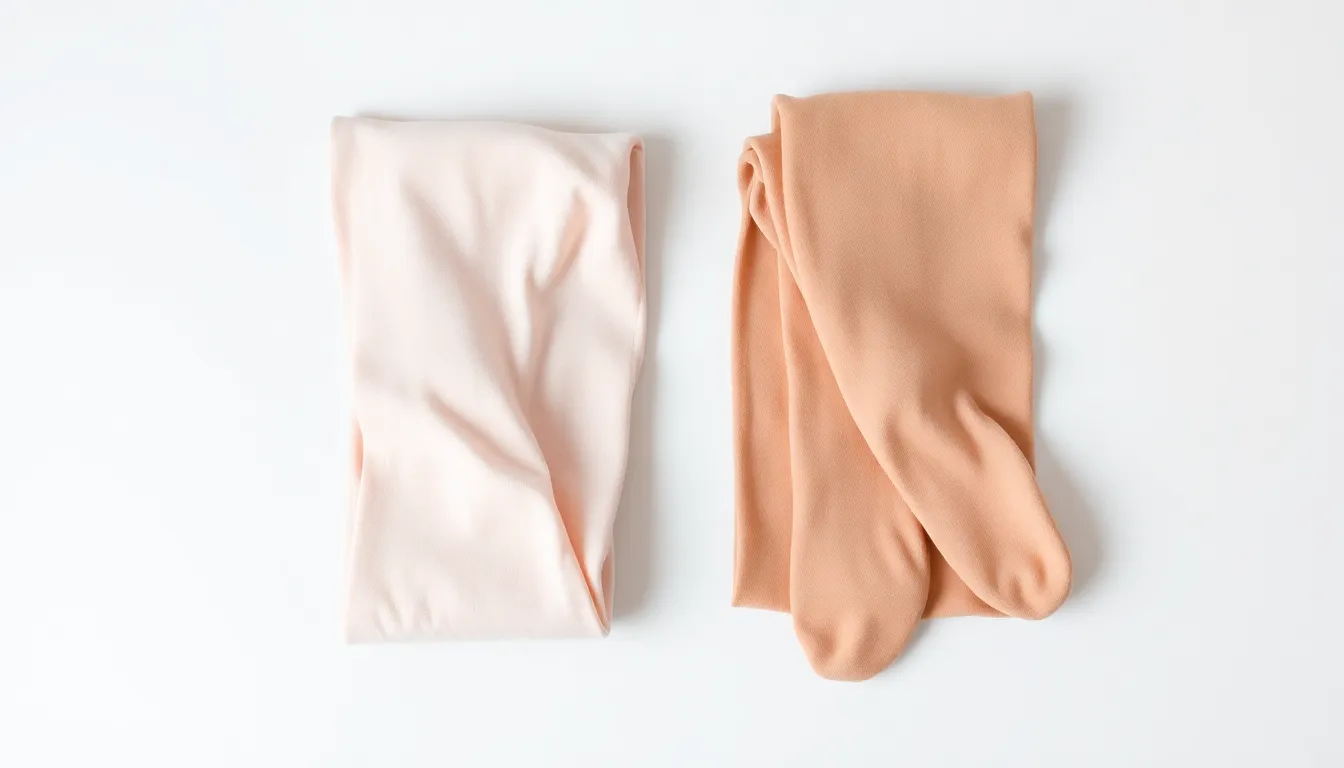
Short answer: for most ballet classes and exams, dancers wear ballet pink tights. Skin-tone tights are chosen for stage, or when a school asks for a color that matches the dancer. If you are unsure, ask your teacher before you buy.

Why is ballet pink the usual color?

Pink tights have been the standard in many schools for generations. They give a clean, uniform look across the whole class and match pink ballet shoes. In an exam room, where examiners see many dancers in a row, uniform color is a strong reason schools stay with pink.

When are skin-tone tights used?

Skin-tone tights are used when the aim is for the leg line to look continuous and natural, for example in stage performances, or when a school has chosen them. They also suit dancers who prefer a color closer to their skin.

How do I pick the right shade?

  1. Check your school’s uniform list first.
  2. If the school allows either, choose the one that matches your ballet shoes.
  3. For skin-tone tights, hold the tights up next to the dancer’s leg in daylight before you buy.
  4. Buy one spare pair, as tights can snag on the first day.

How do they compare?

Ballet pink Skin tone
Typical use Class and exams Stage and some schools
Look Uniform and classic Natural, continuous leg line
Shoe match Pink ballet shoes Often paired with skin-tone shoes
Ask the school? Yes Yes

What else should I check?

  • Fit. Choose by height first and size up if between sizes. Tights that are too short pull at the waist.
  • Foot style. Footed tights cover the foot. Convertible tights have a hole to pull over the heel. See our guide to footed and convertible tights.
  • Toe seam. A flat seam sits more comfortably in a ballet shoe.
  • Waistband. It should be soft and not roll down.

What are ballet tights made of?

Most ballet tights are a blend of nylon and spandex. Nylon gives the smooth, slightly shiny look, and spandex gives the stretch. A higher spandex content means more give and better recovery, so the tights keep their shape after many washes. Cotton blends are softer and warmer, but they usually look matte and may show wrinkles more easily. Many dancers keep one pair of each for different seasons.

How do I match skin tone?

Skin tones vary widely, so one “nude” does not fit everyone. If you are choosing skin-tone tights, compare the tights with the dancer’s leg in daylight, not under a store light. Choose the shade that is closest to the legs and slightly lighter rather than darker, because tights look deeper once they are stretched. If the dancer wears skin-tone shoes, match the shoes and tights so the line from leg to foot looks continuous.

How do I care for ballet tights?

  1. Wash in cool water with mild soap, ideally in a mesh bag.
  2. Skip fabric softener, which can reduce stretch.
  3. Dry flat or hang away from heat.
  4. Replace tights as soon as they show runs or thin spots.

Common questions from parents

How many pairs do we need? Two is a good start, so one can be washed while the other is used. A third pair for exam day gives peace of mind.

Do tights need to be new for an exam? A pair that has been washed once is fine, but avoid tights with any visible wear.

Can boys wear them? Dress codes vary by school. Ask the teacher what is expected.

Check the size guide before you order, and choose the next size up if between sizes.

Frequently Asked Questions

What shade of pink should I buy for RAD ballet tights?

RAD guidance specifies a light ballet pink — not a deep rose or hot pink. The exact shade is best matched by buying from a specialist dance retailer rather than general hosiery, as dance brands use a consistent standard pink.

Are skin-tone tights appropriate for children's ballet class?

For most graded class and exam work, ballet pink is required. Skin-tone tights are typically chosen for stage performances where the costume and lighting design require a particular look, or when a teacher specifically requests them.

Can boys wear pink tights in ballet?

Male students typically wear white tights or ballet trousers rather than pink. Pink is the female uniform standard in most RAD schools. Check with your teacher if you are unsure.

Posted on

Footed vs Convertible vs Stirrup Ballet Tights

Footed vs Convertible vs Stirrup Ballet Tights

Short answer: footed tights cover the whole foot, convertible tights have a hole at the heel so the foot can be left out, and stirrup tights have a strap that loops under the foot. Footed is the simplest for class and exams; convertible and stirrup are popular when dancers switch between shoes and bare feet.

See also: For character and theatrical work, see our guide to opaque and patterned tights for dance.

What are footed tights?

Footed tights have a built-in foot, like regular tights. They go on in one step, they are the easiest to wear for young children, and they stay put inside the ballet shoe. A flat toe seam helps them sit comfortably in a soft shoe.

What are convertible tights?

Convertible tights have an opening at the bottom of the foot. The dancer can wear the foot as normal, or roll the foot up above the ankle to leave the toes bare. They suit dancers who switch between ballet shoes and bare feet in the same class.

What are stirrup tights?

Stirrup tights have no foot. A strap loops under the arch, holding the leg in place. They are popular in dance schools that work barefoot, and for modern or contemporary work, but are less common for classical ballet exams.

How do they compare?

Footed Convertible Stirrup
Foot Covered Optional Bare, strap under arch
Easiest for kids Yes Medium Medium
Barefoot work No Yes Yes
Typical use Class and exams Mixed classes Contemporary, barefoot

Which should I buy?

  • Ballet class and exams: footed unless your school says otherwise.
  • Mixed barefoot and shoe classes: convertible.
  • Contemporary or barefoot classes: stirrup.

How do I look after ballet tights?

  1. Turn them inside out and put them in a mesh wash bag.
  2. Wash gently at a cool temperature with mild soap, without fabric softener.
  3. Do not wring them out. Press out the water.
  4. Dry flat or hang away from direct heat.
  5. Trim loose threads instead of pulling them, to stop a run.

What should I look for when choosing tights?

  • Fit. The crotch should sit close to the body and not sag. Tights that are too small pull at the waist and wear out faster.
  • Seams. A flat toe seam is more comfortable in a ballet shoe. Run a finger across the toe to check for bulk.
  • Waistband. Choose a soft waistband that does not roll or dig in.
  • Stretch. Tights should stretch smoothly at the knees without becoming see-through.

Are footed or convertible tights better for children?

Footed tights are usually the easiest for children. They go on in one step and do not slip. Convertible tights offer flexibility, but the extra hole can be confusing for small dancers who must remember to roll it back, and a loose edge can slip inside the shoe. If your child has both ballet and a barefoot class on the same day, convertible is worth having. Otherwise footed is simpler.

How many pairs do I need?

Two pairs for weekly classes is a good start. One goes in the wash while the other is in use. Keep a spare in the dance bag for emergencies, especially before an exam. If the dancer has several classes in a week, three pairs make life easier.

How long do ballet tights last?

With careful washing, a pair often lasts a term or two, but it depends on how often they are worn and how rough the floor is. Replace tights when they develop runs, thin knees or a loose waistband. A run can spread quickly, so a small dab of clear nail polish at the end of a run may stop it for a day, but do not rely on it for an exam.

If you are unsure which style your school prefers, ask the teacher before you buy. Our size guide will help you pick the right size.

Where can I buy ballet tights?

You can buy ballet tights at a local dance shop or online. A shop lets you check the color and feel in person. Online gives more choice and a size chart. Whichever you choose, check the size by height and weight, and the type of foot: footed, convertible or stirrup. Our footed ballet tights come in sizes S to 2XL.

Frequently Asked Questions

Which tights are best for a child's RAD ballet exam?

Footed tights are the standard choice for RAD graded exams. They give a clean, finished look and stay in place inside ballet shoes. Convertible and stirrup styles are more popular in contemporary or jazz settings.

Can you wear convertible tights with ballet shoes?

Yes — just fold the foot opening under the arch or tuck it into the shoe. However, the folded fabric can create a lump inside the shoe, which some dancers find uncomfortable. Footed tights are neater for class and exams.

Do stirrup tights stay up during ballet class?

The stirrup strap keeps them in position under the foot, so they do not bunch at the ankle the way loose socks might. They are secure, but the open foot look is less formal, so they are best for practice rather than exams.

Posted on

Do Ballet Tights Go Under or Over the Leotard? Why Dancers Wear Tights

Do Ballet Tights Go Under or Over the Leotard? Why Dancers Wear Tights

Short answer: in most ballet classes, tights go on first and the leotard goes over them, with the leg openings of the leotard sitting over the top of the tights. Some schools prefer the reverse, so check. Dancers wear tights to keep muscles warm, show the line of the legs, and look neat and uniform.

Which goes on first, tights or leotard?

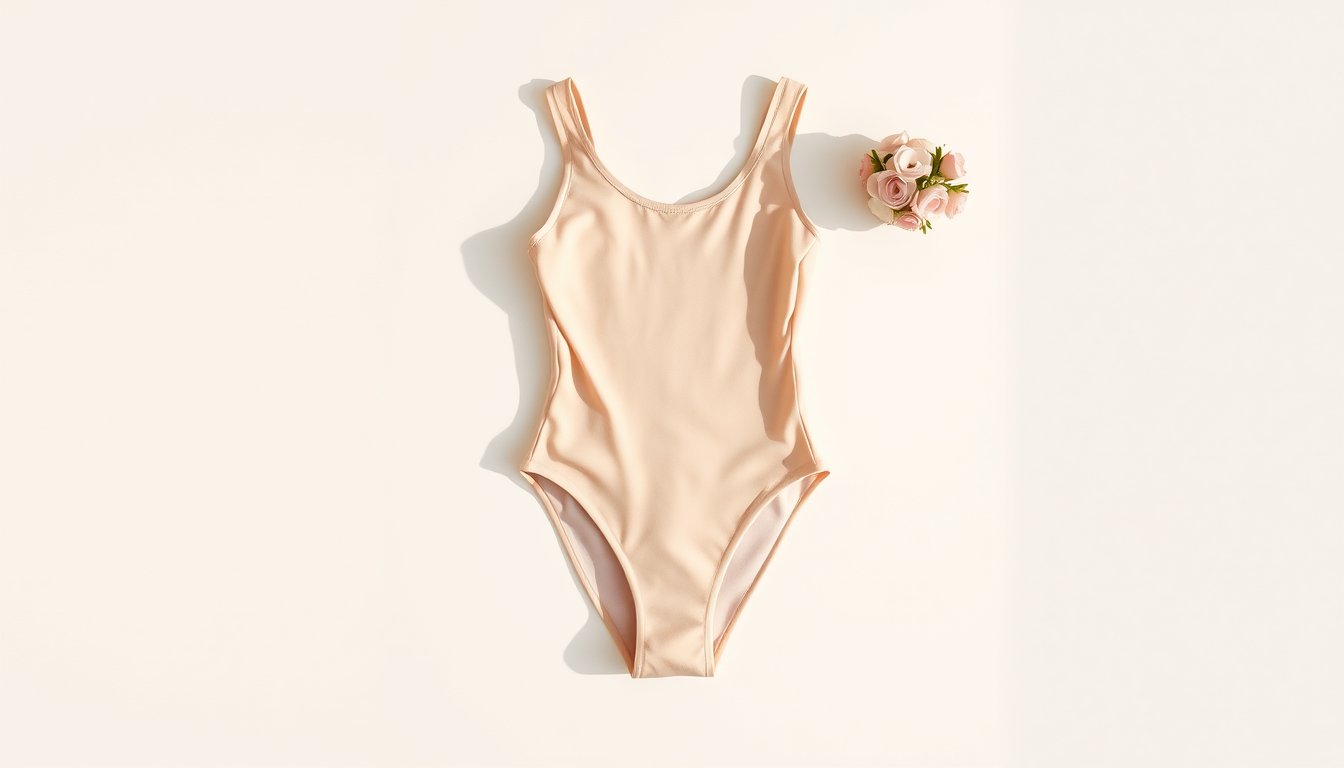
For most classes, put the tights on first and then the leotard. The leotard sits over the tights and covers the waistband, so the line from the torso to the legs looks smooth. If a skirt is worn, it goes on last.

Some schools or dancers prefer the leotard first and the tights over it. Both are common. The best rule is to follow your teacher and keep the waistband flat and wrinkle-free.

How do I put them on neatly?

  1. Sit down and gather one leg of the tights, so only the foot is open.
  2. Slide the foot in and gently pull up to the ankle, then the knee.
  3. Repeat on the other leg, then stand and pull the waist up to the hips.
  4. Smooth out any wrinkles, especially at the ankles and knees.
  5. Put on the leotard and adjust the leg openings so they sit flat.

Why do ballet dancers wear tights?

  • Warmth. They keep the leg muscles comfortable.
  • Visible line. The teacher can see the knees, ankles and feet clearly.
  • Uniform look. A class in matching tights looks neat and focused.
  • Shoe comfort. Tights protect the skin from friction inside ballet shoes.

What should I check before class?

  • No holes, runs or loose threads.
  • The waistband is flat and does not roll.
  • The crotch sits at the right height, not hanging low.
  • The tights match your school’s color.

What size should I wear?

Choose by height first and size up if between sizes. A pair that is too small pulls at the waist and wears out quickly. Our size guide helps with height and weight.

What about skirts, shorts and warm-ups?

The usual order is tights, leotard, then the extra piece. A wrap or pull-on skirt goes over the leotard, with the waistband at the natural waist. Fitted shorts, if the teacher allows them, also go over the tights. Warm-up tops go on last so they can come off easily. Keep each layer flat and smooth so nothing bunches under the next.

How do I stop tights from rolling down?

  • Choose the right size. Tights that are too big will slide down.
  • Pull them up fully at the hips and smooth the waistband flat.
  • Wear the leotard over the waistband so it holds the tights in place.
  • Avoid wearing tights that are stretched out from many washes.

What if the tights are too long or too short?

If the tights are too long, the crotch sags and the ankles wrinkle. If they are too short, they pull at the waist and the dancer feels restricted. Both are signs to try another size. The size guide uses height, which is the best guide for length, and age is only a rough reference.

Is it hygienic to wear tights without underwear?

Practice differs by school and by dancer. Many dancers wear a seamless dance underlayer or a leotard with a built-in lining. If you have any doubt, ask your teacher or school for guidance. Whatever you choose, wash tights and leotards after every use.

Quick checklist before class

Check Done?
Tights are free of holes and runs ☐
Waistband is flat under the leotard ☐
Leg openings of the leotard sit flat ☐
Spare tights are in the dance bag ☐

Frequently Asked Questions

Do RAD examiners check how tights are worn?

Examiners look at the overall presentation, and a leotard sitting neatly over the top of the tights is the expected, tidy appearance. Tights showing above the leotard leg opening look untidy and may draw a comment.

Why do ballet dancers wear tights at all?

Tights keep the leg muscles warm and show the line of the leg clearly, which helps the teacher see and correct alignment. They also give a uniform, professional appearance and reduce friction inside shoes.

Is it acceptable to wear underwear under ballet tights?

For young children, yes — a small pair of briefs under the tights is practical for quick toilet trips. For older students, tights worn correctly serve as the underwear layer, and visible underwear lines look untidy in class and exams.