
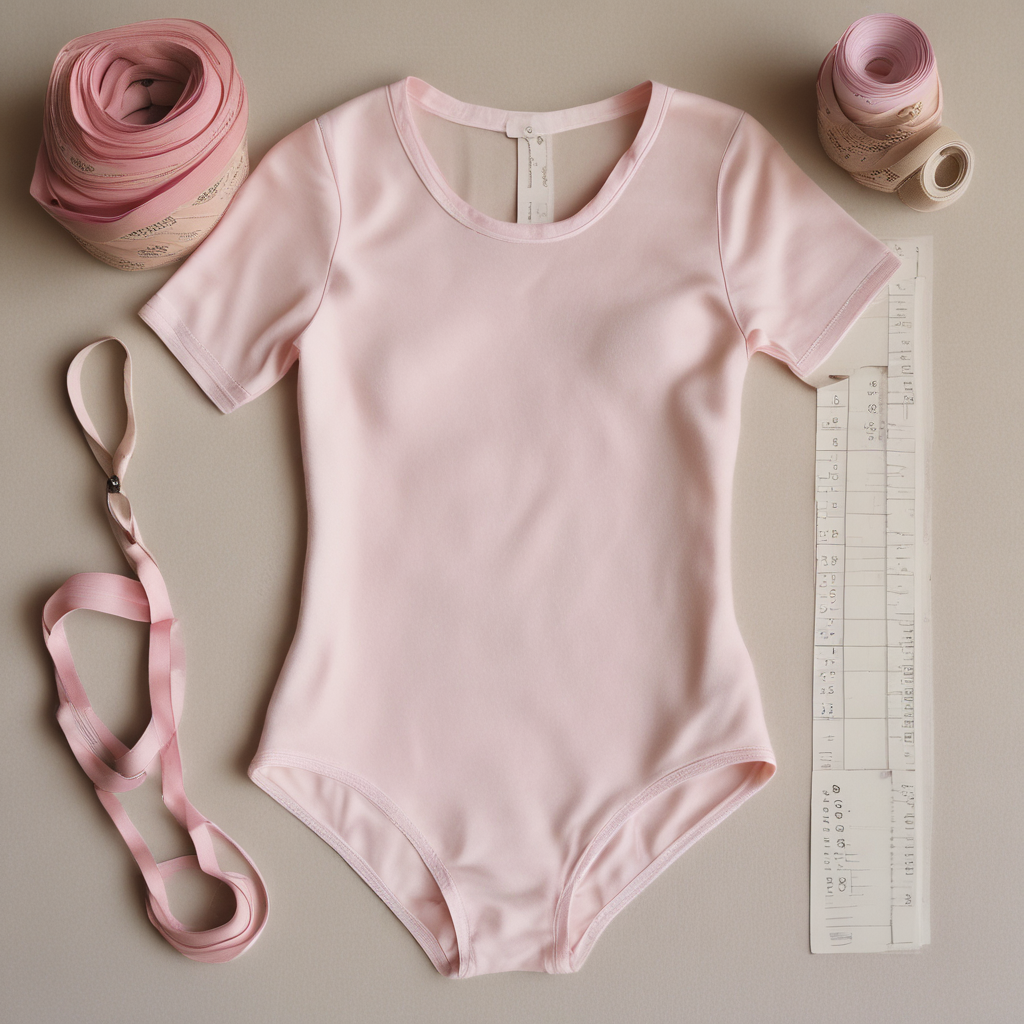
If you’ve ever ordered a ballet leotard in your child’s usual clothing size and found it too small on arrival, you’re not alone. Ballet leotards consistently run smaller than standard clothing, and understanding why — and how to measure correctly — will save you the hassle of returns and exchanges.
Why Do Ballet Leotards Run Small?
Ballet leotards are designed to fit close to the body for two reasons: to allow teachers to see the dancer’s alignment and body line, and to prevent fabric from bunching or shifting during movement. A leotard with excess fabric looks untidy and can interfere with port de bras (arm movements) if the back gapes or the straps shift.
Because of this, manufacturers cut ballet leotards to a snugger standard than everyday activewear. The fabric itself is usually high-stretch, so the leotard stretches to fit the body rather than having excess fabric built in. This is correct — but it does mean that the size label doesn’t correspond to street clothing sizes.
How Much Smaller Do They Run?
The difference varies by brand and age range:
- For children’s leotards, many brands run approximately one size smaller than standard clothing (a child who wears age-8 clothing may need an age-10 leotard)
- For adult leotards, sizing often corresponds to bust measurement rather than dress size, and can run 1–2 sizes smaller than a regular top
- Within the same brand, the sizing is usually consistent — once you know your child’s leotard size in a brand, you can usually reorder in the same size
How to Measure for a Ballet Leotard
Don’t rely on clothing size or age. Measure directly:
- Chest: measure around the fullest part of the chest, keeping the tape parallel to the floor
- Waist: measure around the natural waist, typically 2–3 cm above the belly button
- Height: most brands include height in their size chart as it affects the torso length
Match these three measurements against the brand’s specific size chart. Height is often the deciding factor for children — a tall child with a slim build needs a leotard with a longer torso, even if their chest and waist measurements are average.
What Happens If the Leotard Is Too Small
A leotard that’s too small will:
- Pull at the hips and restrict leg movement
- Cut into the shoulders and straps if the torso is too short
- Create an uncomfortable wedge effect that’s distracting in class
- Cause the child to tug at the leotard during class, which teachers find disruptive
What Happens If the Leotard Is Too Large
A leotard that’s too big:
- Bunches at the chest and back, obscuring line
- Allows the straps to fall off the shoulders
- May have excess fabric at the gusset, which looks untidy
A slightly large leotard is preferable to a slightly small one — it won’t cause physical discomfort. But very oversized leotards look sloppy and the child will grow out of them faster than expected.
When to Size Up Proactively
If your child is between sizes or is currently in a rapid growth phase, size up. A slightly larger leotard looks better than one that’s visibly too tight, and it extends the leotard’s usable life by several months.
For the full guide to measuring your child for dancewear, see our How to Measure for a Ballet Leotard guide.
Frequently Asked Questions
My child is between ages 8 and 10 on the size chart. Which should I order?
Size up to age 10. You can always adjust fit slightly with accessories (like a belt pulling in the waist) but there’s no way to make a leotard larger once purchased.
Do adult ballet leotards run small too?
Yes, typically. Adult dancewear sizing is often based on bust measurement rather than standard dress size, and garments are cut to fit snugly. Check the brand’s specific chart and measure before ordering.
Why did my daughter’s leotard shrink after washing?
High-stretch fabrics can lose some elasticity if washed in hot water or tumble dried. Always wash ballet leotards at 30°C in a gentle cycle and hang or lay flat to dry.
Shop Ballet Leotards at ZoeDancewear
- Grade Ballet Leotards — with full size charts for each product
- How to Measure for a Ballet Leotard — step-by-step measuring guide
- Ballet Leotard Size Chart — comparing measurements across brands