
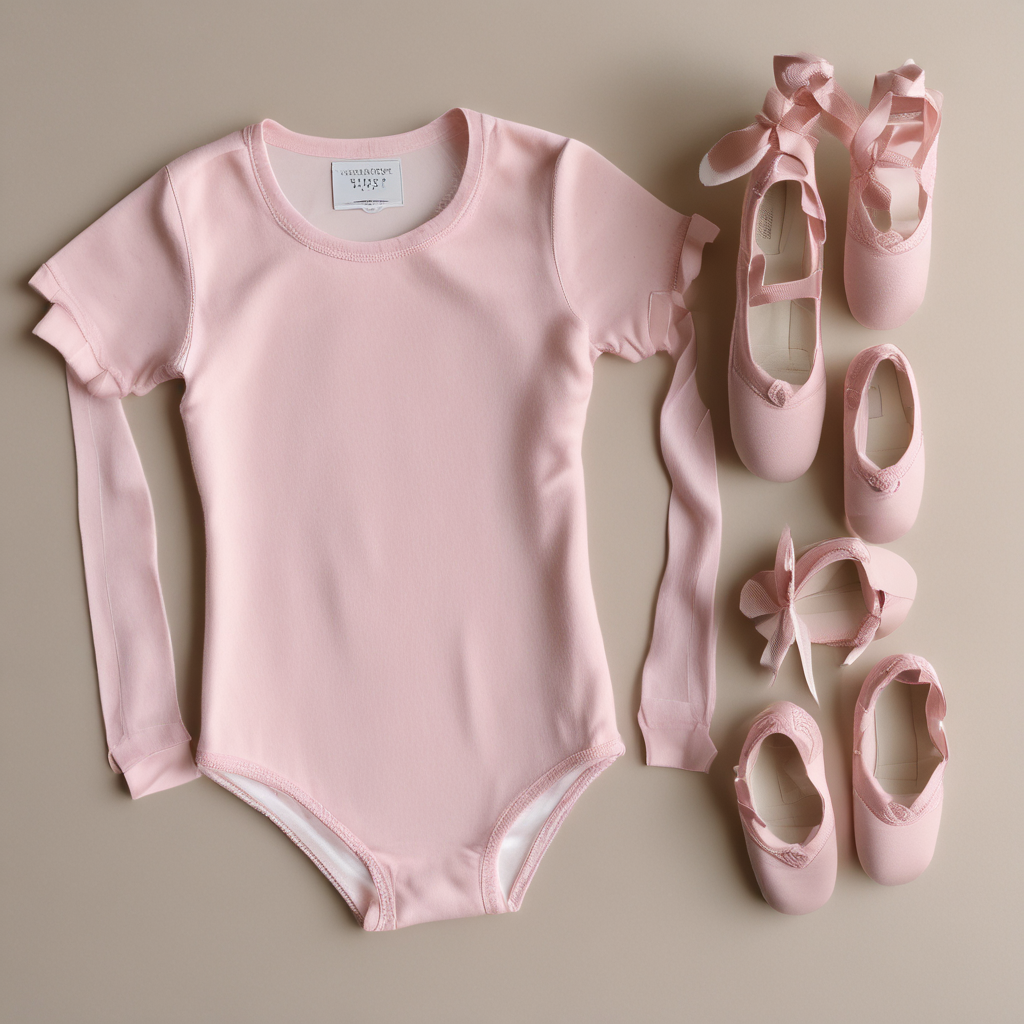
Pointe work is one of the most iconic aspects of classical ballet — and one of the most anticipated milestones for young dancers. But starting too early can cause lasting damage to a child’s developing feet and ankles. The question of when to begin pointe training is both medical and technical, and the decision should always rest with the student’s teacher in consultation with a dance medicine professional where possible.
The Minimum Age Guideline: 11 to 12 Years Old
Most reputable RAD-affiliated and mainstream ballet schools will not put students on pointe before the age of 11 to 12 years old. This guideline exists because the growth plates in a child’s feet (the areas where bones are still forming) typically begin to close around this age. Working on pointe before the growth plates have sufficiently developed risks permanent deformity and stress injuries.
Some organizations set a minimum of 11; others prefer 12. No responsible teacher should begin pointe work with a student younger than 10, regardless of technical ability.
Age Is Not Enough: What Else Must Be In Place
Meeting the age threshold is necessary but not sufficient. Before a student begins pointe work, a qualified teacher will assess:
- Years of consistent training — usually at least 3–4 years of regular ballet classes (2–3 times per week minimum)
- Core and ankle strength — the ability to hold a controlled relevé on one foot with no wobbling or sickling
- Foot and ankle alignment — correct placement without rolling in (pronation) or sickling in or out
- Demi-pointe position — a well-established demi-pointe with even weight distribution across the toes
- Balance and control at the barre and in center — pointe requires greater stability demands than flat work
Pre-Pointe Training: What Happens Before Pointe Shoes
Many schools include a dedicated pre-pointe conditioning phase in the year or two before a student begins pointe work. This may include:
- Theraband exercises for foot and ankle strengthening
- Balance and proprioception exercises (often done in demi-pointe or on one leg)
- Core strengthening work
- Demi-pointe shoes — soft block shoes that mimic the feel of pointe shoes without going on full pointe, helping the foot get used to the positioning
For a detailed guide on demi-pointe shoes, see our Demi Pointe Shoes guide.
Pointe Shoe Fitting: A Specialist Process
When a student is cleared for pointe work by their teacher, the first step is a professional pointe shoe fitting at a specialist dance shop — not a general shoe shop, and not online. Pointe shoes must be fitted in person to account for foot shape, toe length, arch height, and shank strength requirements. A poorly fitting pointe shoe is not just uncomfortable; it can cause blisters, black toenails, bunions, and stress fractures.
How to Support a Student Starting Pointe
As a parent, you can support the transition to pointe by:
- Ensuring your child attends all classes consistently leading up to pointe
- Encouraging them to do any pre-pointe exercises the teacher assigns at home
- Being patient — the fact that a friend started pointe first doesn’t mean your child is behind
- Not pushing the teacher to start early — they will initiate when the student is ready
Frequently Asked Questions
My daughter is 11 and has been dancing for 4 years. Why hasn’t she started pointe yet?
Age and years of training are starting conditions, not guarantees. If the teacher hasn’t suggested pointe yet, it means they feel there are still strength, technique, or alignment factors to address first. Ask the teacher directly what skills your daughter needs to develop — it’s a reasonable and productive conversation.
Can a student do pointe work at home without a teacher?
No. Pointe work must be supervised by a qualified teacher, especially in the early stages. Unsupervised pointe practice is one of the leading causes of acute foot injuries in young dancers.
My 9-year-old is asking about pointe shoes. What do I tell her?
Explain that pointe shoes are something to look forward to when her feet and body are ready — usually around age 11 or 12. In the meantime, every class she attends is building the foundation she’ll need. Many students find this explanation reassuring rather than disappointing.
Shop at ZoeDancewear
- Demi Pointe Shoes: What They Are and Who Needs Them
- Pointe Shoe Fitting Guide — what to expect at your first fitting
- Pre-Pointe Shoes Guide — is your child ready for pre-pointe shoes?