
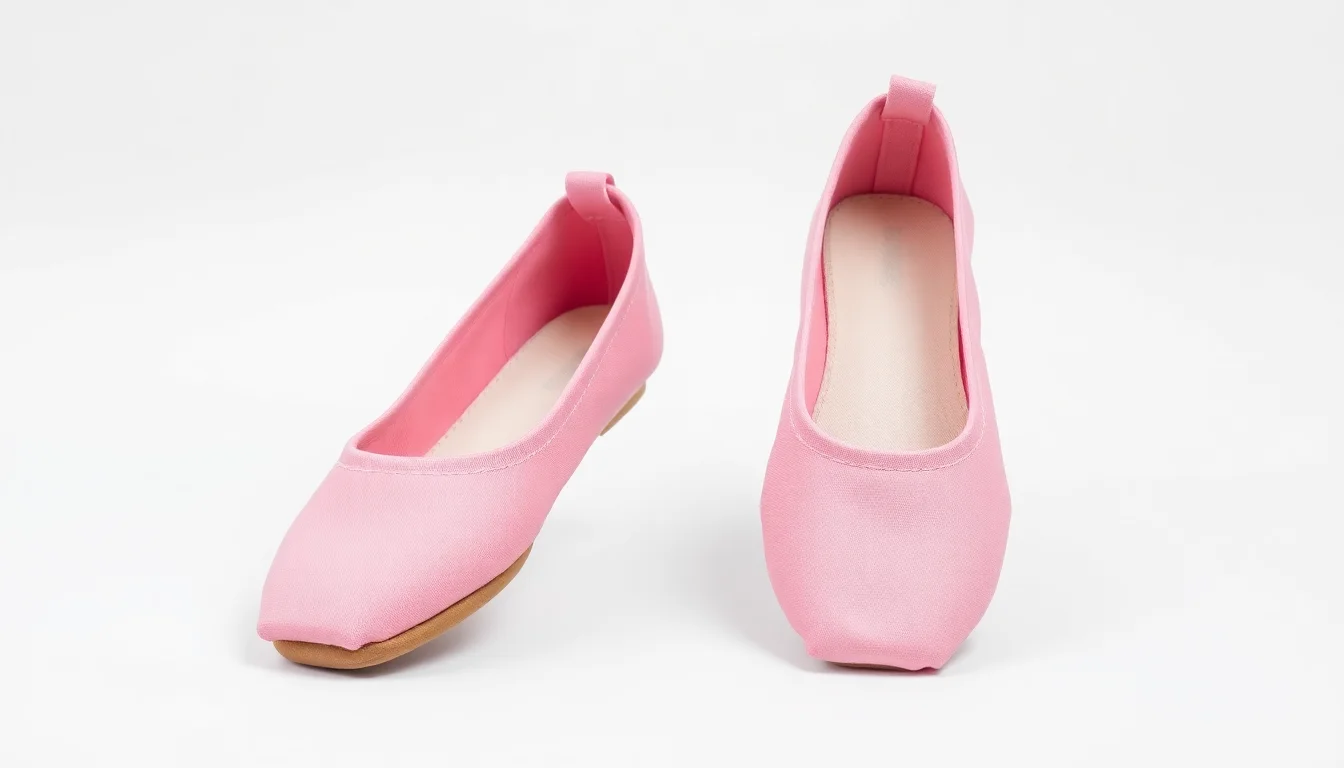
When buying ballet shoes for the first time, many parents encounter the choice between full sole and split sole. The two styles look similar but work differently underfoot. Full sole shoes are the standard recommendation for beginner and younger dancers; split sole shoes are designed for intermediate to advanced students. Most dance teachers specify which type they want students to wear — always check before buying.
Short answer: When buying ballet shoes for the first time, many parents encounter the choice between full sole and split sole.
What is a full sole ballet shoe?
A full sole ballet shoe has a single continuous sole that runs the entire length of the foot, from heel to toe. This extra coverage beneath the arch creates gentle resistance when the dancer points their foot, which helps develop the small muscles of the foot and ankle. Because the shoe limits how far the foot can flex, the dancer has to work actively to achieve a full point — building strength over time.
Full sole shoes are almost universally recommended for children in their first two to three years of ballet, typically up to around age eight or nine, or until a teacher advises otherwise. They are also the standard for RAD Pre-Primary and Primary level students.
What is a split sole ballet shoe?
A split sole ballet shoe has two separate pads of material — one under the ball of the foot and one under the heel — leaving the arch area completely uncovered. This gives the foot much more freedom to flex and point, creating a cleaner visual line through the arch when the foot is extended. Professional dancers and advanced students generally prefer split soles because they allow the foot’s natural shape to show.
Split sole shoes require less breaking in than full sole styles and tend to feel more flexible straight from the box. However, because they provide so little resistance, they are not suitable for beginners whose foot muscles have not yet developed the control needed to use the flexibility safely.
Which sole type is right for your child’s level?
A simple rule of thumb used by most dance teachers:
- Full sole — beginners, Pre-Primary, Primary, Grades 1–2 (roughly ages 3–9)
- Split sole — intermediate to advanced students, usually from Grade 3 upward, at teacher’s discretion
The RAD does not publish a specific sole-type requirement, leaving the choice to each school and teacher. If you are unsure, full sole is always the safer starting point, and your teacher can advise when the time is right to switch.
Does the material matter as much as the sole type?
Canvas and leather are the two most common materials for both sole types. Canvas moulds to the foot more quickly, is lightweight, and is easier to wash. Leather is more durable and holds its shape for longer, making it better value for rapidly growing feet. Stretch canvas is a modern option that combines the lightweight feel of canvas with built-in elasticity, reducing the need for a separate elastic strap across the instep.
For beginners, canvas full sole shoes are a practical and affordable first choice. For older students moving to split sole, stretch canvas is popular because the shoe moves with the foot from day one.
How to tell if ballet shoes fit correctly
Ballet shoes should fit snugly but not painfully — the toes should lie flat and there should be no wrinkling across the toe box. Most brands recommend sizing one to two sizes smaller than the street shoe, but this varies by brand and style. A correctly fitted shoe should show no excess material bunching around the toes, and the heel should not slip when the dancer rises onto the ball of the foot.
Shop from Zoe Dancewear
Frequently Asked Questions
Why do dance teachers recommend full sole shoes for young students?
A full-sole shoe provides resistance under the arch that helps develop foot strength. Young dancers whose feet are still forming benefit from this resistance. Split sole shoes allow the arch to flex more freely, which is only useful once there is strength to control it.
At what level should a student switch from full sole to split sole?
Most teachers recommend the switch around Grade 3 to Grade 5, when the student has developed sufficient foot and ankle strength. Many teachers make this decision individually for each student rather than by grade alone.
Does the RAD specify full sole or split sole for examinations?
The RAD does not mandate a specific sole style for its examinations. The choice is the teacher's. The most important factor is that the shoe fits well and allows the student to work freely within their current technical ability.