
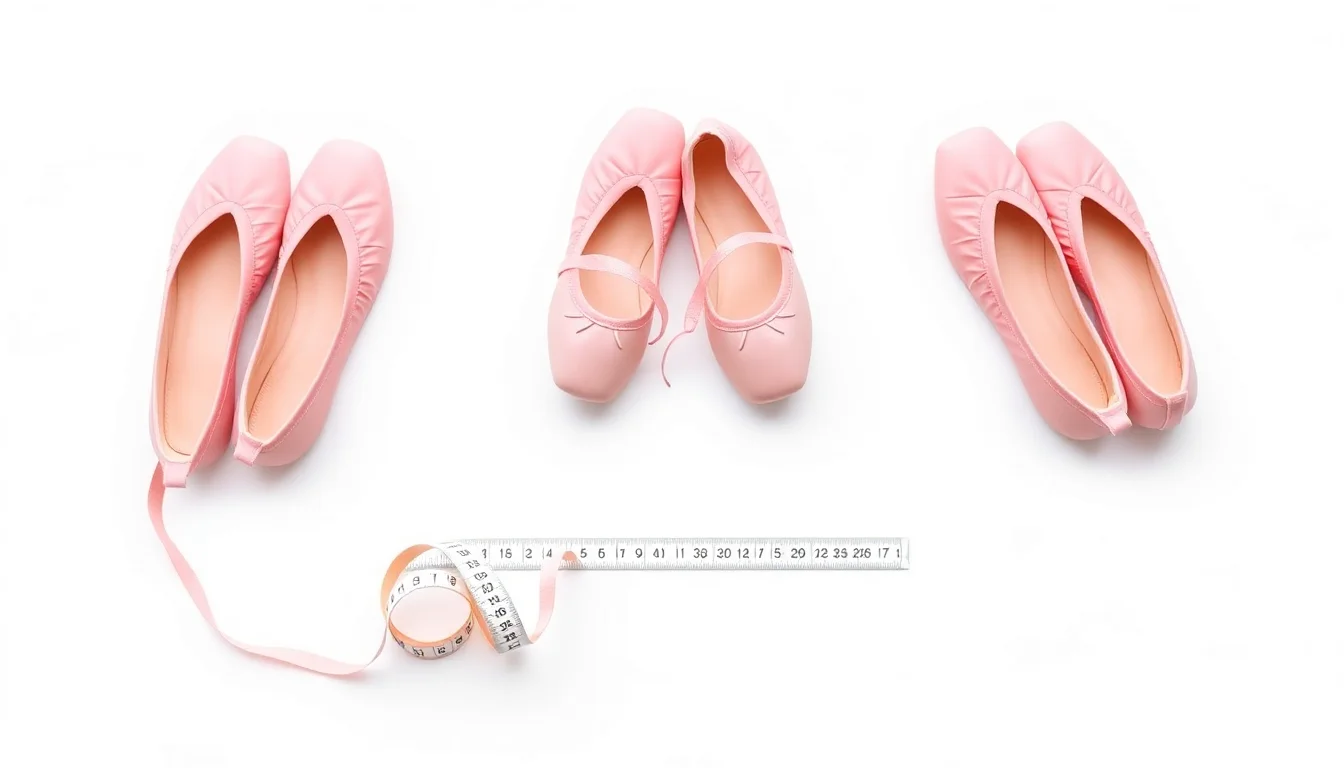
Short answer: Why Ballet Shoe Sizing Is Different Ballet shoes do not follow everyday footwear sizing. Most brands use their own numbering systems, and ballet shoes are generally two to three sizes smaller than…
Why Ballet Shoe Sizing Is Different
Ballet shoes do not follow everyday footwear sizing. Most brands use their own numbering systems, and ballet shoes are generally two to three sizes smaller than street shoes. They are designed to fit snugly around the foot for maximum control and floor feel — extra material bunches or slips and compromises both safety and technique.
How to Measure Your Child’s Feet
- Have your child stand on a piece of paper.
- Trace around the foot carefully with a pencil held vertically.
- Measure the length from the heel to the tip of the longest toe in centimetres.
- Measure the widest part of the foot across the ball.
- Use both measurements with the brand’s size chart.
Measure both feet and use the larger one. Measure toward the end of the day when feet are at their largest.
Approximate Size Conversions (UK Children)
| UK Street Size | Approx Ballet Shoe Size |
|---|---|
| 5.5 (toddler) | 0.5 – 1 |
| 7 | 1.5 – 2 |
| 9 | 3.5 – 4 |
| 11 | 5 – 5.5 |
| 13 | 7 – 7.5 |
| 2 (junior) | 9 – 9.5 |
| 4 | 11 – 11.5 |
| 6 (adult) | 13 – 13.5 |
Note: These are approximate guides only. Always check the specific brand’s size chart, as numbering varies between manufacturers.
Canvas vs Leather: Does Sizing Differ?
Yes. Leather ballet shoes typically require sizing up compared to canvas because leather stretches less. Canvas shoes mould more closely to the foot over time. When switching between materials, always re-measure rather than assuming the same size applies.
Split Sole vs Full Sole
Split sole and full sole shoes from the same manufacturer are usually sized the same, but the arch feel differs. A split sole leaves the arch exposed, giving greater feel for articulation. A full sole supports the whole foot. Both are correct depending on the student’s age, level, and teacher recommendation.
Growth Allowance for Children
Allow no more than a thumb’s width of growing room at the toe — enough for six to twelve months of wear without compromising safety. A shoe that is too large is unsafe and hinders technique.
Shop from Zoe Dancewear
Frequently Asked Questions
How do I know what size ballet shoe to buy?
Measure the foot length and width in centimetres, then compare to the manufacturer’s size chart. Ballet shoes are typically two to three sizes smaller than street shoes. A fitting at a specialist dance shop is the most reliable method.
Should ballet shoes be tight or loose?
Snug but not painful. Toes should reach but not curl. Very little extra material should be visible at the toe. The heel should sit firmly without slipping.
What is the difference between canvas and leather ballet shoes?
Canvas shoes are lightweight and breathable; they mould to the foot with wear. Leather shoes are more durable with a slightly firmer fit. Most teachers accept both, though some prefer one material for specific grade levels.
Can I buy ballet shoes online without measuring?
It is best to measure first. Street shoe size alone is not reliable for ballet shoes due to brand-specific sizing. Most dance brands provide detailed size charts for online purchases.