Posted on

How Should Ballet Shoes Fit? A Parent’s Complete Fitting Guide

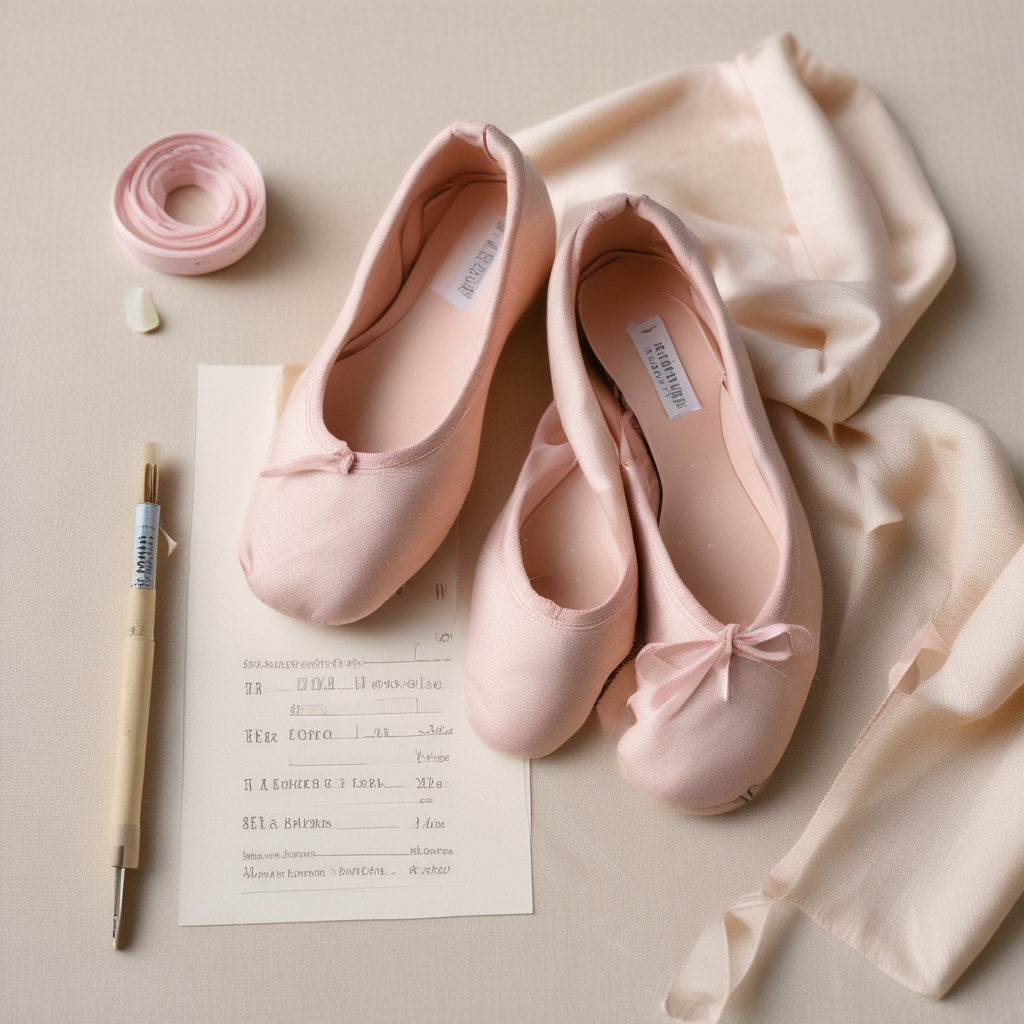
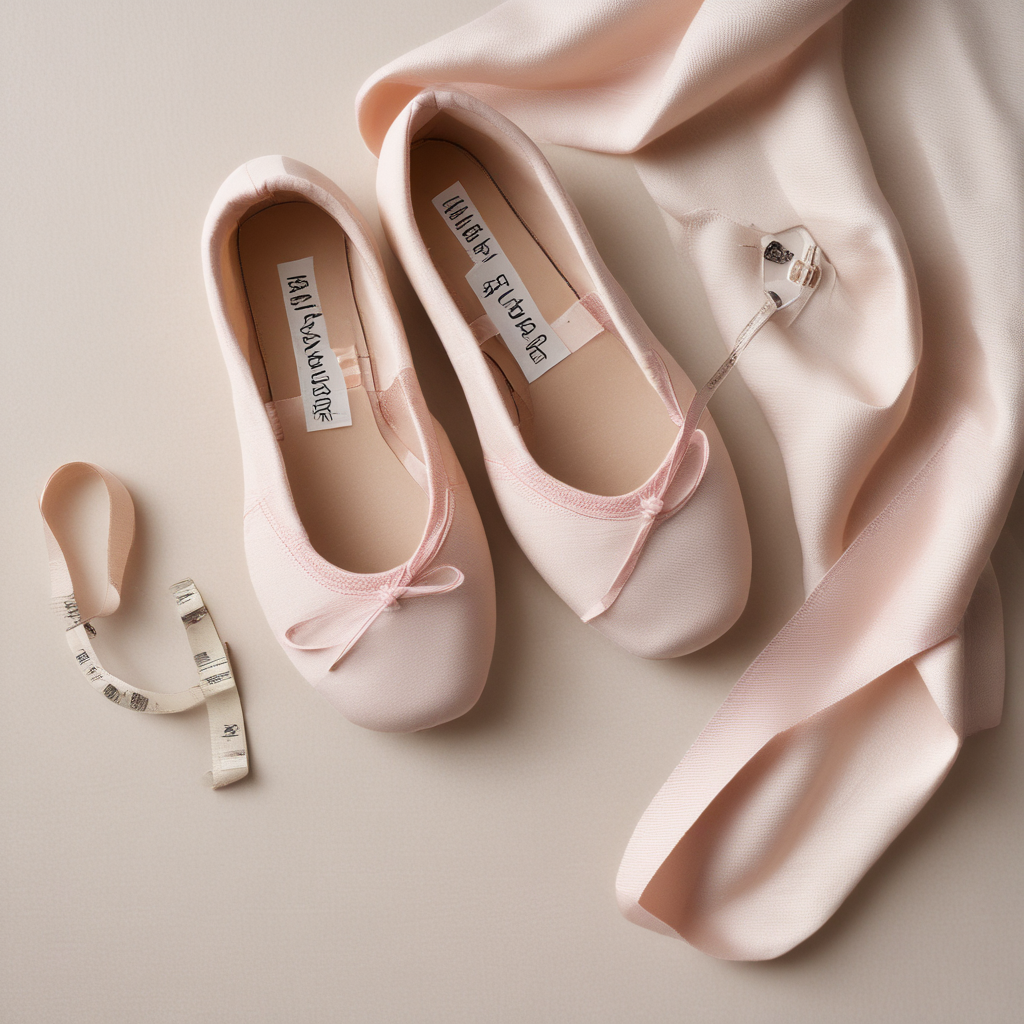
Pink canvas ballet shoes with cloth measuring tape for fitting guide on cream linen

Ballet shoes do not fit like school shoes. They sit snugly — sometimes uncomfortably snug by everyday standards — and that close fit is intentional. Understanding why ballet shoes fit the way they do, and what the difference between a correct fit and a damaging one looks like, saves a lot of frustration and wasted money.

The General Rule: Snug but Not Painful

A well-fitting ballet shoe should feel like a second skin. There should be no excess fabric bunching at the toes or the sides, and the shoe should not slip at the heel when the dancer walks. At the same time, the toes should not be curled or pressed against the end — that causes blisters and can contribute to longer-term foot problems.

Most manufacturers recommend sizing ballet shoes half to one full size smaller than a standard street shoe. This varies by brand and style, so always check the specific size chart for the shoe you are buying.

Fitting the Toes

Stand the dancer on a hard floor in the shoes. The tips of the longest toes should just brush — or come within a couple of millimetres of — the end of the shoe. You should not be able to push a finger between the toe and the shoe end when the dancer is standing flat.

When the dancer rises to demi-pointe, the toes should flatten slightly and the shoe should hold them without the fabric wrinkling excessively at the sides. A small amount of gathering in the drawstring area is normal; large folds of canvas across the top of the shoe indicate the shoe is too wide or too long.

Fitting the Heel

The heel of the shoe should sit flat against the Achilles tendon with no gap or slippage. Ask the dancer to rise to demi-pointe and lower back down several times: if the heel of the shoe lifts away from the foot, the shoe is too long or the elastics need adjusting.

Fitting the Width

Ballet shoes are available in different width fittings. Most standard shoes are made for a medium width foot. Dancers with wider feet should look specifically for wide-fitting shoes, as forcing a wide foot into a standard fitting shoe creates pressure points across the knuckles of the toes.

Our ballet shoe width fitting guide explains narrow, medium and wide options in detail and covers how to measure your child’s foot at home before buying.

How Much Growing Room Is Acceptable?

None, ideally. Unlike school shoes, ballet shoes should not have growing room built in. A shoe with half an inch of space at the toe will wrinkle at the instep, prevent the foot from pointing cleanly, and cause the dancer to grip with the toes to stop the shoe from falling off. This means ballet shoes need replacing more often than street shoes. Children in active classes often need new shoes every four to six months during growth spurts.

Buying Online: How to Measure at Home

Place a piece of paper on a hard floor. Have the dancer stand on it with their weight evenly distributed. Trace around both feet. Measure the distance from the back of the heel to the tip of the longest toe on each foot — feet are often slightly different sizes. Use the larger measurement as your reference.

Compare this to the brand’s size chart, and if your measurement falls between sizes, go for the smaller size when the brand suggests a snug fit, as most ballet shoe brands do. See our full online buying guide for more tips on measuring and sizing remotely.
Posted on

Full Sole vs Split Sole Ballet Shoes: Which Is Right for Your Child?

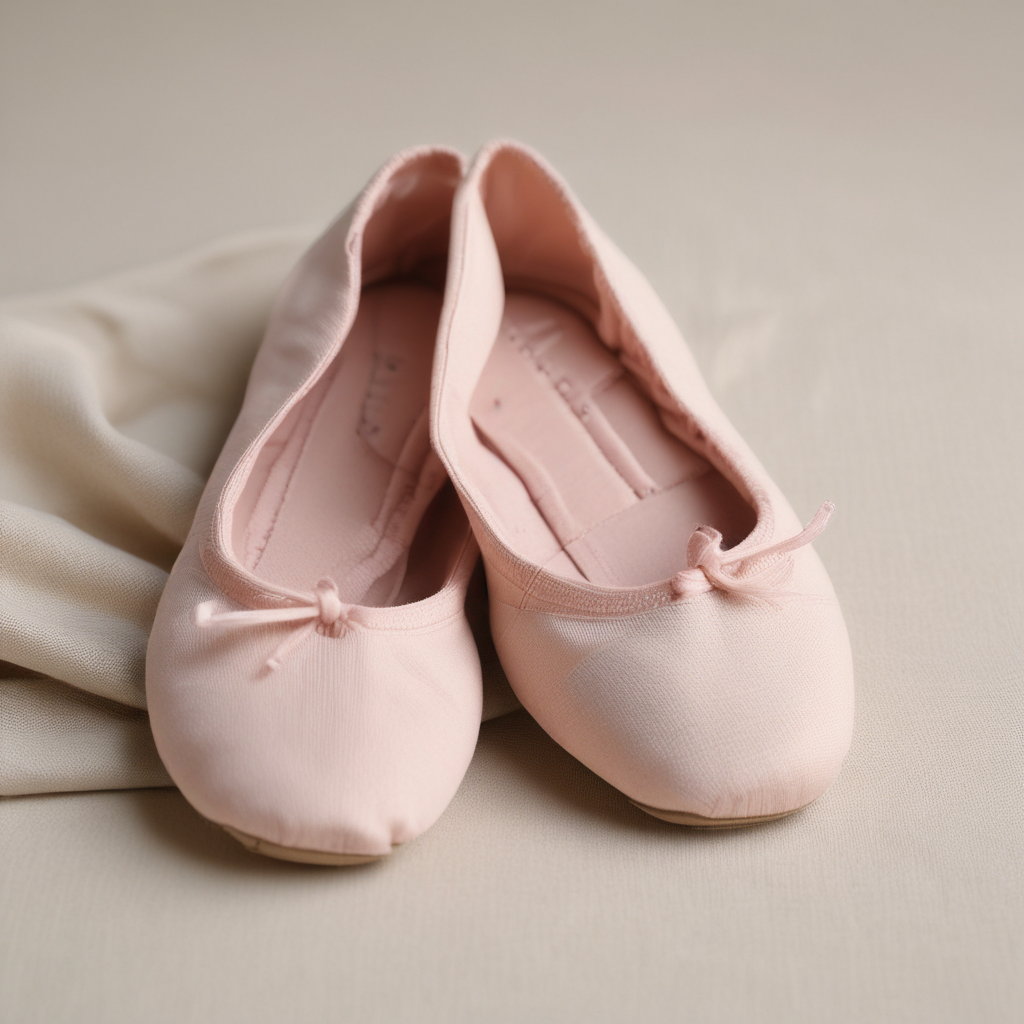
Full sole and split sole pink canvas ballet shoes comparison flat lay on cream linen

When you start shopping for ballet shoes you quickly notice two main styles: full sole and split sole. Both look similar on the outside, but they work very differently underfoot — and choosing the wrong one at the wrong stage can actually slow a young dancer’s progress.

What Is a Full Sole Ballet Shoe?

A full sole ballet shoe has a single piece of leather or canvas running the entire length of the sole, from heel to toe. Because the sole is continuous, the shoe offers moderate resistance when the foot tries to point. This resistance is precisely what makes full sole shoes excellent for beginners.

When a child is learning to point their foot, they are developing the small muscles of the arch and the intrinsic muscles between the metatarsals. A full sole shoe gives those muscles something to work against — a gentle resistance that builds strength gradually. Skipping this stage by moving too quickly to a split sole shoe is like learning to lift weights with zero resistance: you miss the foundational strengthening work.

What Is a Split Sole Ballet Shoe?

A split sole ballet shoe has two separate pads of material — one under the ball of the foot and one under the heel — with the arch of the foot exposed. With nothing supporting the middle of the foot, the shoe allows the full range of the dancer’s point to show without restriction.

Split sole shoes are flattering on the foot and popular with older, more experienced dancers whose arches are already strong and flexible. Without the built-in resistance of a full sole, the dancer’s own muscles must hold the arch and instep when pointing — which is only appropriate once those muscles have been properly developed.

Which Age and Stage Needs Which?

Most RAD teachers recommend full sole shoes for children up to approximately age seven or eight, or through Grade 3 level. At this stage the foot is still developing and the arch muscles need the resistance the full sole provides.

Once a student has a secure demi-pointe and begins RAD Grade 3 or above, many teachers allow a move to split sole canvas shoes. The dancer should already be able to hold a strong demi-pointe without the shoe doing the work for them.

Adult beginners follow slightly different guidance. Because an adult foot is already fully formed, many teachers start adults directly in a split sole canvas shoe, as the arch muscles in an adult respond differently to resistance training than a child’s developing foot.

Canvas vs Leather: Does It Affect the Choice?

Both full sole and split sole shoes come in canvas and leather versions. Canvas ballet shoes are the most common choice for class because they are lightweight, breathable and mould to the foot quickly. Leather full sole shoes are slightly more durable and are sometimes preferred for very young children whose feet grow fast and put shoes through more wear.

Satin ballet shoes, which you may have seen in performances, are almost exclusively full sole and are not suitable for everyday class use.

What Do RAD Dance Schools Usually Specify?

Many RAD-affiliated schools specify the shoe type in their uniform policy. Always check with your child’s teacher before purchasing. If your school has not specified, a good rule of thumb is:

  • Pre-Primary through Grade 2: full sole canvas or leather
  • Grade 3 and above: split sole canvas (teacher’s discretion)
  • Adult beginners: split sole canvas is widely accepted

Can You Tell the Difference by Looking?

From above, full sole and split sole shoes look almost identical. Turn the shoe over: a full sole shoe has an unbroken layer covering the whole underside, while a split sole shows the fabric of the upper between the two pads. The arch of a split sole shoe is noticeably flexible when you bend it in your hand.

Summary

Full sole ballet shoes build the arch strength that young dancers need. Split sole shoes let that strength show once it has been developed. Starting with a full sole shoe is not old-fashioned — it is the foundation for a clean, strong technique that will serve a dancer for years.

If you are unsure which type is right for your child’s current stage, ask their teacher before buying. Our guide to buying ballet shoes online also covers width fitting, sizing and what to look for when you cannot try shoes in person.

Posted on

Ballet Shoes Width Fitting: Narrow, Medium and Wide Options

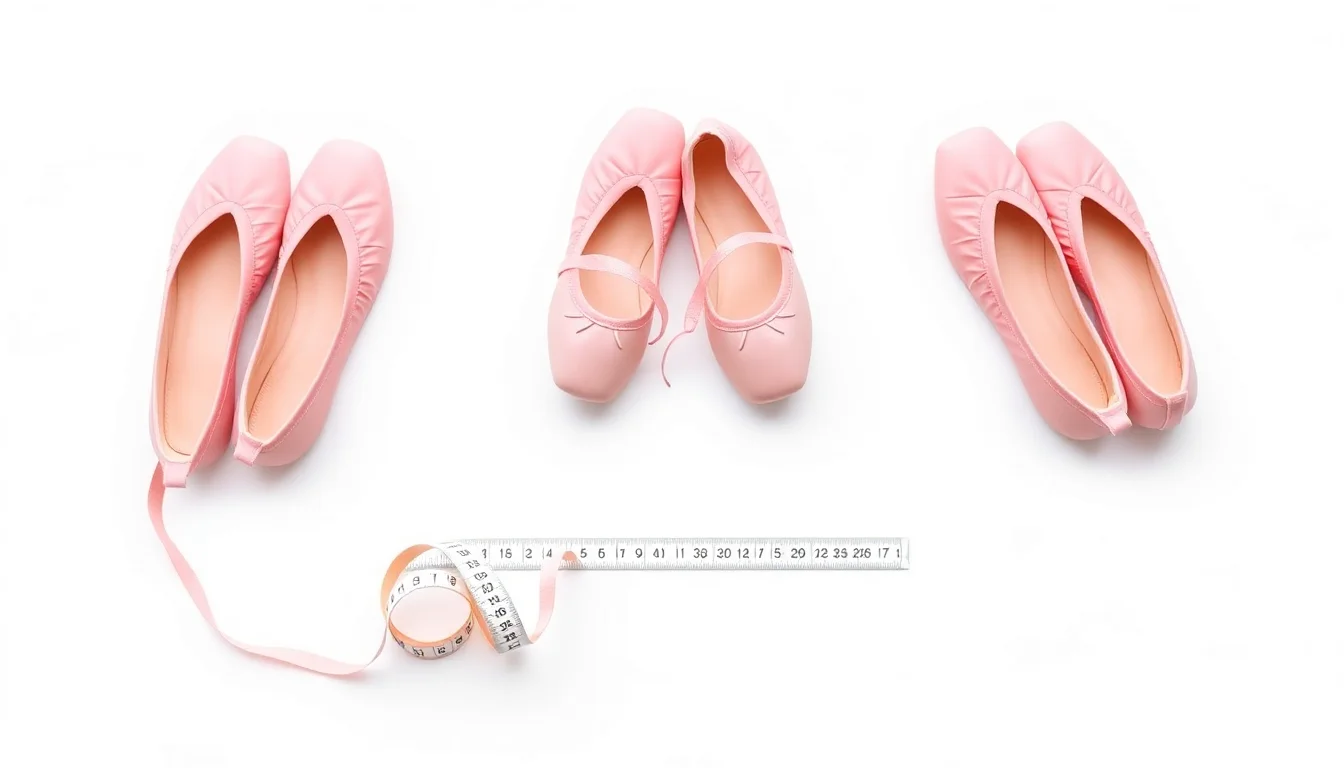
Soft pink canvas ballet shoes with measuring tape for width fitting guide on cream linen

When parents buy their child’s first pair of ballet shoes, they typically think about length — but width is equally important. A ballet shoe that’s too narrow pinches the toes and restricts development; one that’s too wide slips at the heel and gives the foot no support. Most children’s ballet shoes are available in at least two widths, and knowing your child’s foot width before you buy can save a lot of returns and discomfort.

Why Width Matters in Ballet Shoes

Unlike casual shoes, ballet shoes are designed to be a close, supportive fit. The sole wraps under the foot and the canvas or leather upper should sit flush against the foot with minimal bunching. A ballet shoe in the wrong width will:

  • Cause pain or blistering along the sides of the foot if too narrow
  • Slip at the heel and bunch at the toe box if too wide, affecting balance and technique
  • Restrict natural foot development in growing children if consistently worn in the wrong width

Common Width Options: What the Letters Mean

Most dancewear brands use a letter system for width:

  • B or N (Narrow) — for slim, narrow feet with minimal volume
  • C or M (Medium/Standard) — the most common width; fits the average foot shape
  • D or W (Wide) — for broader feet or feet with a higher arch
  • E or X (Extra Wide) — less common; available in some specialist brands

Not every style comes in every width. Canvas ballet shoes from major brands typically come in at least Narrow and Medium; some also offer Wide. Leather shoes tend to have fewer width options.

How to Measure Your Child’s Foot Width at Home

You’ll need a ruler or tape measure and a piece of paper:

  1. Have your child stand on the paper with their weight evenly distributed
  2. Trace around the foot with a pencil held vertically (not angled)
  3. Measure the widest point of the outline (usually across the ball of the foot)
  4. Compare to the brand’s width chart — most brands publish width measurements in millimeters or inches for each width code

Do this measurement in the afternoon or evening when feet are at their largest. Allow 2–3mm of room beyond the traced measurement for comfort.

Choosing Width for Different Foot Types

As a general guide:

  • Long, slim toes with a narrow instep → Narrow (B/N)
  • Average proportions → Medium (C/M)
  • Wide forefoot, short toes, high arch, or Egyptian-shaped foot → Wide (D/W)

Many children fall in the medium category, but children with particularly wide or narrow feet can struggle in standard sizing. If your child complains that ballet shoes feel tight across the toes even in the correct length, try the next width up.

Width vs Length: Getting Both Right

Ballet shoes are traditionally fitted with a thumb’s width of growing room from the longest toe to the end of the shoe. When sizing up for growth, stay in the correct width — don’t go up a width to compensate for length. A shoe that’s too wide across the ball of the foot is problematic regardless of how the length feels.

Many brands use size and width together, for example “3C” (size 3, medium width) or “4N” (size 4, narrow width). Check the full size code when reordering.

Frequently Asked Questions

My child’s shoe is gaping at the side — is that a width problem?

Yes. Gaping at the side of the shoe usually means the width is too large, or the style has too much volume for the foot. Try the same size in a narrower width, or look for a style with more streamlined construction.

Can ballet shoe width affect a child’s technique?

Yes, significantly. A shoe that’s too wide allows the foot to roll inward (pronate), which affects alignment from the ankle up. A shoe that’s too narrow prevents the toes from relaxing into the floor during demi-pointe work.

Should I measure both feet?

Always. Most people have one foot slightly larger or wider than the other. Fit to the larger foot, and if there’s a significant difference, mention it to the store or teacher.

Do ballet shoe widths differ between brands?

Yes. A “medium” in one brand may fit differently than a “medium” in another. Width codes are not standardized across manufacturers, so always check the specific brand’s measurement chart.

Posted on

How to Buy Ballet Shoes Online: Measuring, Sizing and What to Avoid

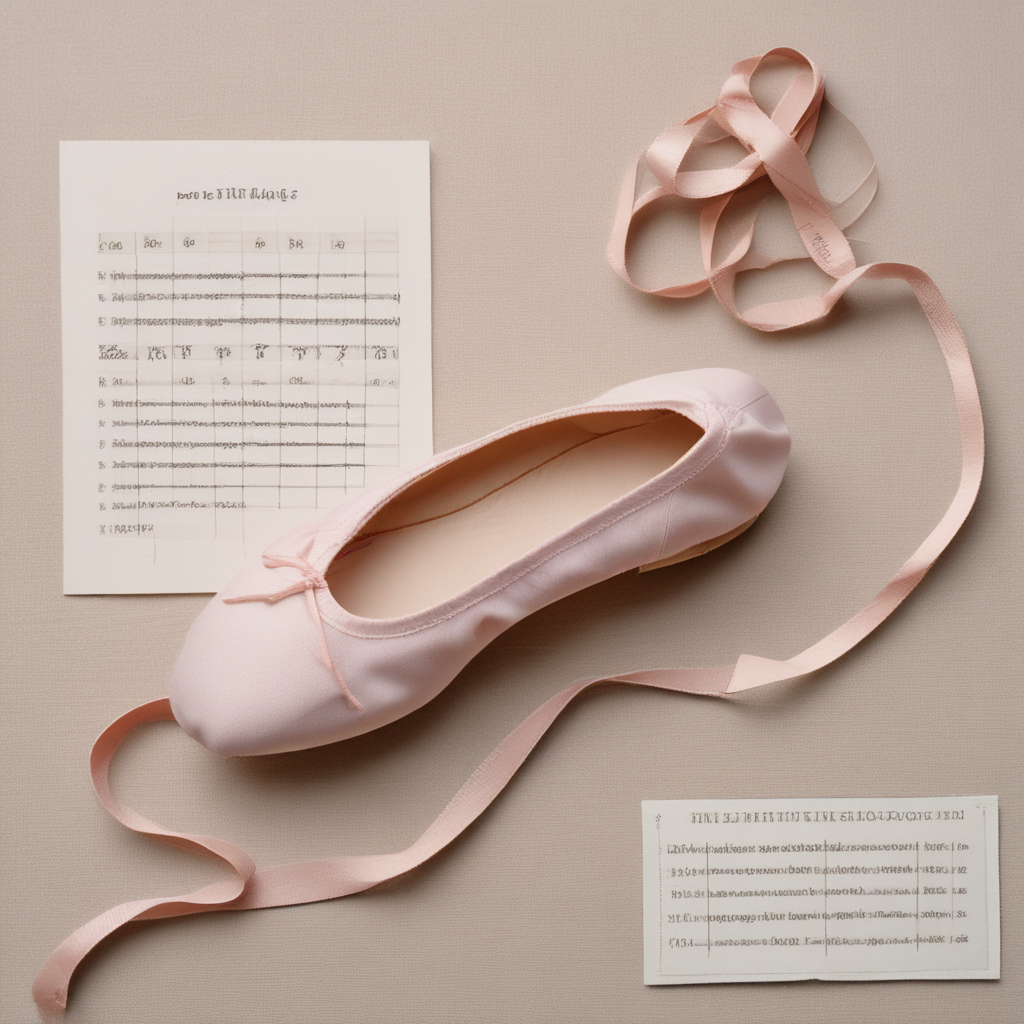
Soft pink canvas ballet shoes with size chart and measuring tape for online buying guide on cream linen

Buying ballet shoes online is faster and often cheaper than going to a specialist store — but it comes with real risks if you don’t know what you’re doing. Ballet shoes that fit incorrectly can affect a child’s technique, cause blisters, and need replacing much sooner than expected. With the right approach to measuring and size selection, you can shop online confidently and get the right fit first time.

Step 1: Measure Your Child’s Feet at Home

You’ll need a piece of paper, a pencil, and a ruler or tape measure.

  1. Place the paper on a hard floor and have your child stand on it with their full weight on that foot
  2. Trace around the foot, holding the pencil vertically — not at an angle
  3. Measure from the heel to the tip of the longest toe in centimeters or inches
  4. Also measure the widest point of the foot (across the ball)
  5. Repeat for the other foot and use the larger measurement

Measure feet in the afternoon or evening when they’re at their largest. Feet swell slightly during the day, just as they do after activity.

Step 2: Use the Brand’s Size Chart, Not General Shoe Sizes

Ballet shoe sizing does not match regular shoe sizing. A child who wears a size 2 in school shoes may need a size 1 or 1.5 in ballet shoes — or a size 3. Every brand has its own size chart, and you should use the chart provided by the brand you’re purchasing from, not a generic conversion table.

Most quality dancewear brands publish their size charts in centimeters and sometimes inches. Match your measured foot length to the corresponding ballet shoe size, then check the width column if available.

Step 3: Account for Growing Room

Ballet shoes are worn snug — but not painfully tight. The traditional fitting guideline is approximately one thumb’s width from the longest toe to the end of the shoe. For children who are growing quickly, buying with one size of growing room is common, but be aware that a shoe that’s too large will cause the foot to slide and won’t give the correct feedback during class.

If your child is between sizes, size up by one. If you’re buying for a child who seems to grow overnight, consider buying two pairs in different sizes at once.

What to Check in the Product Listing

Before adding a ballet shoe to your cart, confirm:

  • Material — canvas, leather, or satin? Canvas is correct for most RAD classes
  • Sole type — full sole or split sole? Check with your teacher which is appropriate
  • Width options — narrow, medium, or wide? If your child has a particularly wide or narrow foot, check the brand offers this
  • Color — pink is standard for girls; white or black for boys depending on the school
  • Elastic or ribbons — most children’s shoes come with elastic; some come with ribbons instead. Check which your school requires

Common Mistakes When Buying Ballet Shoes Online

  • Using regular shoe size without checking the brand’s chart — the most common error
  • Ordering satin shoes instead of canvas — satin is for performance, not class
  • Choosing the cheapest option without checking reviews — very cheap ballet shoes often have poor sole adhesion and fall apart quickly
  • Not measuring both feet — fit to the larger foot
  • Ignoring the return policy — check that the retailer accepts returns on unworn shoes in case the size is wrong

When to Go In Person Instead

For a child’s very first pair of ballet shoes, an in-person fitting at a specialist dance shop is strongly recommended. The fitter can assess foot shape, width, arch, and toe structure to find the best match. Once you know the brand and size that works for your child, repeat orders can safely be done online.

Frequently Asked Questions

My child’s feet are half sizes. How do I handle that when ordering online?

Most ballet shoe brands do not offer half sizes. When you’re between sizes, round up rather than down. A slightly larger shoe can be helped with a small cotton toe spacer or by tightening the elastic; a too-small shoe has no fix.

Can I order two sizes and return one?

Yes, as long as the retailer’s return policy permits unworn returns. This is a practical approach for children in a rapid growth phase. Keep the boxes and tissue, don’t remove the tags, and don’t let your child stand on a hard floor in both pairs before you’ve decided.

How quickly should I reorder when the current shoes feel snug?

As soon as the toes start touching the end. Don’t wait until the shoes are genuinely painful — by that point the child has likely been dancing in uncomfortable shoes for weeks.

Posted on

Ballet Shoe Size Chart: How to Find the Right Fit

Ballet Shoe Size Chart: How to Find the Right Fit

Short answer: Why Ballet Shoe Sizing Is Different Ballet shoes do not follow everyday footwear sizing. Most brands use their own numbering systems, and ballet shoes are generally two to three sizes smaller than…

Why Ballet Shoe Sizing Is Different

Ballet shoes do not follow everyday footwear sizing. Most brands use their own numbering systems, and ballet shoes are generally two to three sizes smaller than street shoes. They are designed to fit snugly around the foot for maximum control and floor feel — extra material bunches or slips and compromises both safety and technique.

How to Measure Your Child’s Feet

  1. Have your child stand on a piece of paper.
  2. Trace around the foot carefully with a pencil held vertically.
  3. Measure the length from the heel to the tip of the longest toe in centimetres.
  4. Measure the widest part of the foot across the ball.
  5. Use both measurements with the brand’s size chart.

Measure both feet and use the larger one. Measure toward the end of the day when feet are at their largest.

Approximate Size Conversions (UK Children)

UK Street Size Approx Ballet Shoe Size
5.5 (toddler) 0.5 – 1
7 1.5 – 2
9 3.5 – 4
11 5 – 5.5
13 7 – 7.5
2 (junior) 9 – 9.5
4 11 – 11.5
6 (adult) 13 – 13.5

Note: These are approximate guides only. Always check the specific brand’s size chart, as numbering varies between manufacturers.

Canvas vs Leather: Does Sizing Differ?

Yes. Leather ballet shoes typically require sizing up compared to canvas because leather stretches less. Canvas shoes mould more closely to the foot over time. When switching between materials, always re-measure rather than assuming the same size applies.

Split Sole vs Full Sole

Split sole and full sole shoes from the same manufacturer are usually sized the same, but the arch feel differs. A split sole leaves the arch exposed, giving greater feel for articulation. A full sole supports the whole foot. Both are correct depending on the student’s age, level, and teacher recommendation.

Growth Allowance for Children

Allow no more than a thumb’s width of growing room at the toe — enough for six to twelve months of wear without compromising safety. A shoe that is too large is unsafe and hinders technique.

Frequently Asked Questions

How do I know what size ballet shoe to buy?

Measure the foot length and width in centimetres, then compare to the manufacturer’s size chart. Ballet shoes are typically two to three sizes smaller than street shoes. A fitting at a specialist dance shop is the most reliable method.

Should ballet shoes be tight or loose?

Snug but not painful. Toes should reach but not curl. Very little extra material should be visible at the toe. The heel should sit firmly without slipping.

What is the difference between canvas and leather ballet shoes?

Canvas shoes are lightweight and breathable; they mould to the foot with wear. Leather shoes are more durable with a slightly firmer fit. Most teachers accept both, though some prefer one material for specific grade levels.

Can I buy ballet shoes online without measuring?

It is best to measure first. Street shoe size alone is not reliable for ballet shoes due to brand-specific sizing. Most dance brands provide detailed size charts for online purchases.