
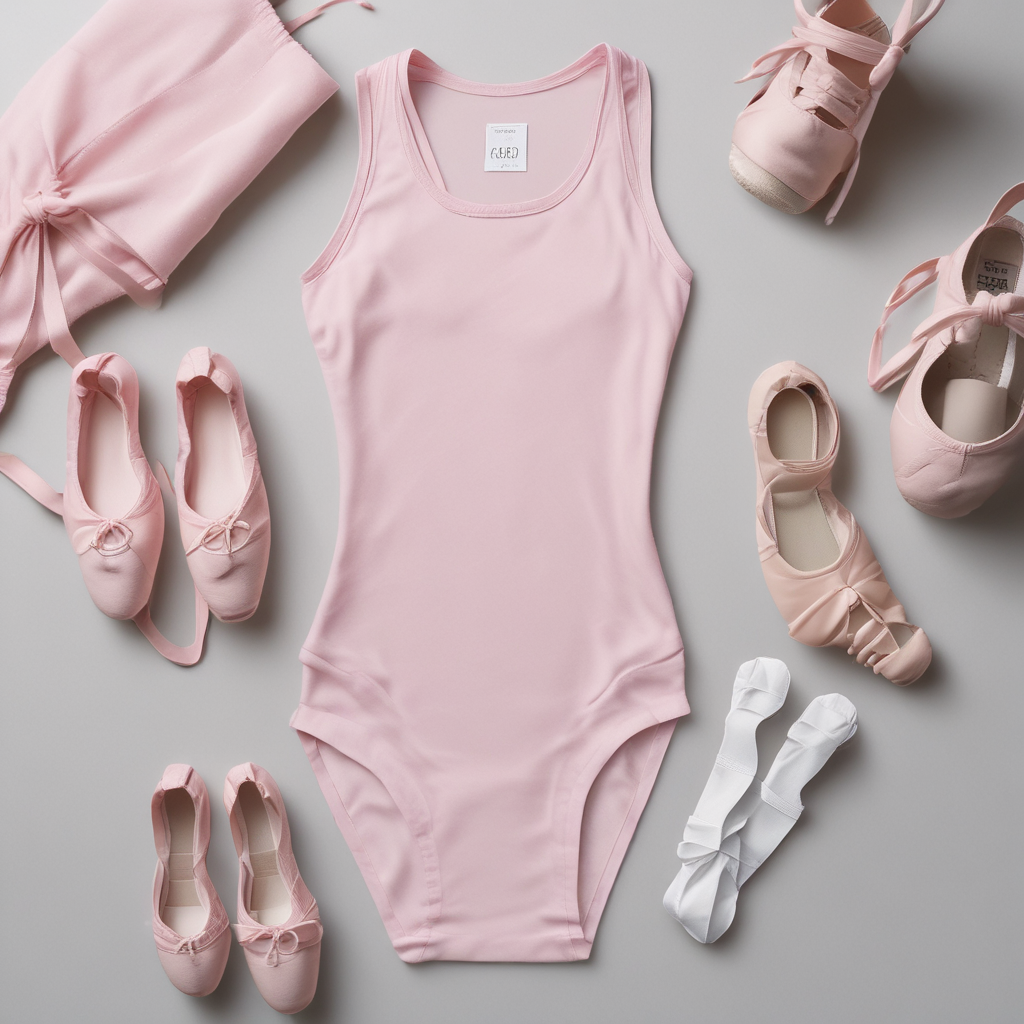
Your child has a place at a ballet school and the term starts in a few weeks. If you have never bought ballet uniform before, it can be difficult to know where to start: what is essential, what can wait, and what the teacher actually cares about versus what is optional. This guide breaks it down clearly.
The Non-Negotiable Starter Essentials
Before the first class, every new ballet student needs three things:
- A leotard in the school’s required colour — the teacher should tell you this before term starts. Do not buy a leotard before you know the colour.
- Ballet tights in the correct colour — almost always pink for Pre-Primary and Primary; check with the school.
- Ballet shoes in the correct style — almost always pink canvas full-sole for beginners. The school may specify a particular brand.
These three items are what every teacher will check on the first day. Everything else — warm-up clothes, bags, accessories — can follow in the first few weeks.
Choosing the Right Ballet Shoes for a Beginner
For very young beginners (Pre-Primary, aged 4–6), a pink canvas full-sole ballet shoe is the standard. The full sole provides more structure and is better for developing feet than a split sole, which is designed for more advanced students.
Ballet shoes should fit snugly but not tightly. The toe should not curl, but there should be no more than a small amount of growing room (1–1.5cm maximum). Overly large shoes are a common buying mistake — they cause tripping, slide off during class, and make it harder for the teacher to see foot placement.
If possible, have ballet shoes fitted in-person at a specialist dance shop. If ordering online, use the brand’s size guide and measure the child’s foot in centimetres rather than relying on standard shoe size conversions.
The Leotard: What to Look For
Ballet leotards for young children should be:
- The correct colour as specified by the school
- A comfortable, close-fitting style without excessive decoration
- Made from a fabric with enough stretch for full range of movement (nylon-lycra blend is standard)
- The right size — not sized up for growing room, as a baggy leotard looks untidy
For Pre-Primary and Primary students, a simple tank-top or short-sleeve style is usual. If the teacher does not specify the sleeve style, a simple tank in the correct colour is safe.
Tights: What to Buy
Pink full-footed tights are the standard starter purchase. Buy two pairs — one to wear and one spare. Ballet tights ladder, snag and wear out, and having a backup means class is not disrupted by a wardrobe emergency.
Size tights by height, not age. If your child is between sizes, go up one size.
What Can Wait: Second Month Additions
These items are useful but not essential for the very first class:
- Warm-up clothes: A ballet cardigan or wrap sweater for keeping warm before class and during breaks.
- Ballet bag: A small tote or backpack for carrying uniform to and from school. Any bag works initially.
- Hair accessories: For the first few classes, a plain hair tie and a few kirby grips to secure a bun are enough.
What Not to Buy Yet
- Pointe shoes: Pointe work begins only when a teacher assesses the student as physically and technically ready, typically no earlier than age 11 and after several years of consistent training. Never buy pointe shoes speculatively.
- Character shoes: Required at some grade levels but not for beginners. Wait until the teacher says they are needed.
- Multiple leotards in different colours: Buy the required colour for the current grade only.
A Realistic Budget for a New Starter
A complete starter kit — leotard, tights (two pairs) and ballet shoes — typically costs between £25 and £60 depending on brand and where you buy. Buying online from a specialist ballet retailer is often more economical than a high street dance shop, and the quality is comparable when you buy from a reputable supplier.
Shop from Zoe Dancewear
Frequently Asked Questions
Do I need to buy the exact brand the school recommends?
Sometimes. Some schools have agreements with specific suppliers or recommend a particular brand for consistency, especially for shoes. If the school specifies a brand, follow the guidance. For leotards and tights, most schools are more flexible as long as the colour and style are correct.
How quickly do young children outgrow ballet uniform?
Very quickly. Leotards and tights for children aged 4–8 may need replacing every 6–12 months. Ballet shoes often need replacing every term or two during growth spurts. Buy the correct size now and plan to replace rather than buying larger to save money — oversized uniform looks untidy and affects how the teacher can assess technique.
Can I buy second-hand ballet uniform?
Yes, for leotards and warm-up clothes. For ballet shoes, second-hand is generally not recommended — worn shoes mould to the previous wearer’s foot and may not support your child’s foot correctly. Tights should not be purchased second-hand for hygiene reasons.
Should I wash ballet uniform before the first wear?
Yes. Wash leotards and tights before first use to remove any manufacturing residue. Wash at 30°C on a gentle cycle and air dry. Do not tumble dry.