
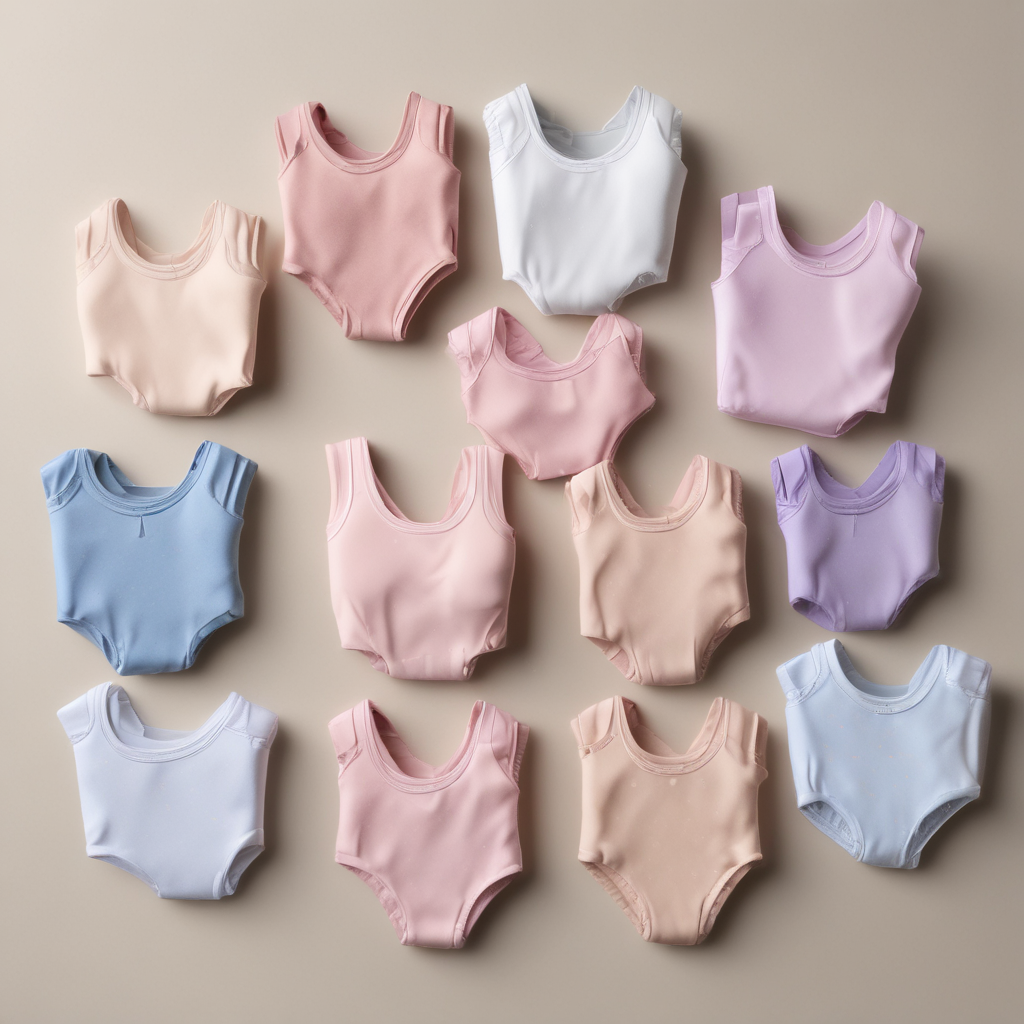
Managing ballet uniform ordering for an entire school or studio is a different challenge from helping a single family buy the right leotard. Teachers and studio managers need to plan ahead, communicate clearly with parents, manage multiple grade requirements simultaneously, and handle the inevitable last-minute requests. This guide covers how to do it efficiently.
Planning Your Annual Uniform Order
The most efficient approach is to plan uniform needs at the beginning of each academic year. At that point, you know:
- Which students are moving to a new grade (and therefore need new uniform colours)
- Which new starters are joining (who need a complete starter kit)
- Which students have outgrown last year’s uniform and need replacements
Sending a uniform requirements form to parents at the start of each year — listing the required items, colours and sizes for each grade — allows you to anticipate demand and place consolidated orders rather than dealing with individual family requests throughout the term.
Creating a Uniform Requirements List
Your uniform list should specify, for each grade or class level:
- Leotard colour and style (e.g. “Sky blue tank-top leotard”)
- Tights colour and style (e.g. “Pink footed ballet tights”)
- Shoe type and any brand specifications
- Skirt or dress requirements, if applicable
- Belt colour and any accessories required
- Hair requirements (bun, accessories, colour of ribbon if specified)
- Exam-specific items for examination terms
Including product links from a trusted supplier reduces confusion and ensures parents buy the correct items.
Choosing a Ballet Uniform Supplier
When selecting a supplier for school orders, consider:
- Stock consistency: Can the supplier reliably fulfill orders for the same item across a full academic year? Colour and style changes between batches cause visual inconsistency in class.
- Size range: Does the supplier carry a full range of children’s and adult sizes?
- Bulk pricing: Does the supplier offer school or volume pricing?
- Returns policy: Can you exchange sizes if a student’s items do not fit?
- Shipping speed and reliability: A supplier who takes 3 weeks to deliver is not useful for urgent term-start orders.
Handling Parent Orders: Two Approaches
There are two common models for school uniform management:
1. Centralised School Ordering
The school collects sizes and payments from parents, places one consolidated order, and distributes items to students. This gives more control over what is purchased and ensures uniformity, but adds administrative burden to teachers or admin staff.
2. Direct Parent Ordering
The school specifies the required items with supplier links, and each family orders directly. This removes the admin burden from the school but requires clearer communication to ensure parents buy exactly the right items.
A hybrid approach — the school manages starter kits and grade changes centrally, parents handle replacements directly — often works well for established schools.
Managing Exam Term Ordering
Examination terms require additional planning. Extra items often needed for exam terms:
- Exam number bibs if your centre uses them
- Character shoes and character skirts for relevant grades
- Grade-specific accessories (belts, bows, ribbons)
- Replacement tights and shoes for students who have outgrown or damaged theirs
Order exam items at least 6 weeks before the examination date. Last-minute orders risk late delivery and student stress.
Communicating with Parents
Clear, specific communication prevents the most common school uniform problems. Avoid vague descriptions like “pink leotard” — specify the exact shade and style. Include photos where possible. Confirm a deadline by which orders must be placed if you are using centralised ordering.
Shop from Zoe Dancewear
Frequently Asked Questions
How far in advance should schools place bulk orders?
For standard in-stock items, 2–3 weeks before the start of term is usually sufficient. For custom or branded items, allow 4–6 weeks. For examination terms, place orders at least 6 weeks before the exam date.
Can we get custom branding on uniforms?
Some suppliers offer custom branding on selected items such as bun kits, bags and accessories. The minimum order quantity for custom branding is typically 20–50 units depending on the item. Contact the supplier to confirm which items are available for branding and what the lead time is.
What is the best way to handle exchanges for wrong sizes?
Establish a clear exchange policy at the start of the year. For centralised orders, request a 10% size buffer — extra small and large sizes — to handle exchanges without requiring a new order. Confirm the supplier’s exchange policy with parents upfront so expectations are clear.
How do I handle students who cannot afford uniform?
Many schools maintain a small stock of second-hand or spare uniform items for families in financial difficulty. Some exam boards and dance education charities also provide hardship funds. Handle this sensitively and privately to protect the child’s dignity.