
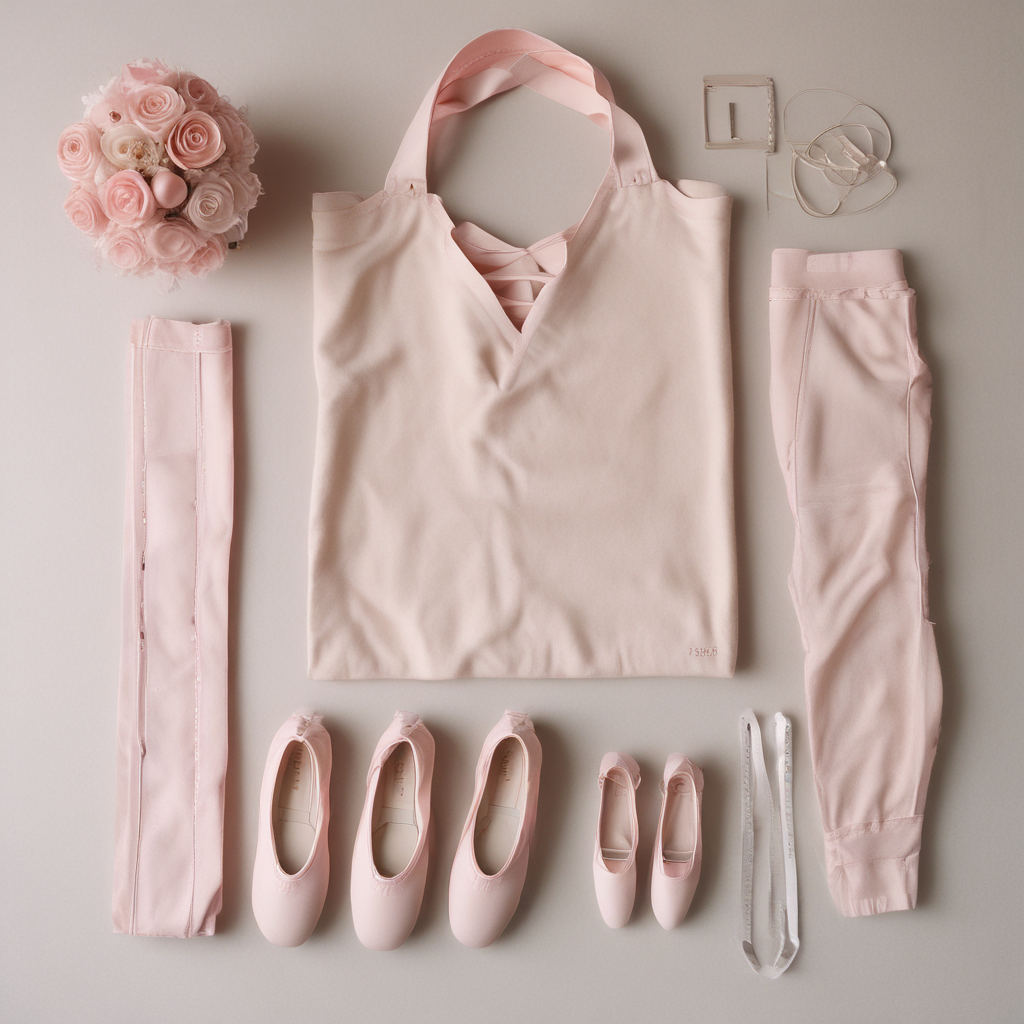
Packing a ballet bag seems straightforward — shoes and tights, right? But as students move through the grades, the kit they need expands significantly. Getting into a good packing routine early makes class days calmer for everyone. Here’s a practical age-by-age guide to exactly what should be in your child’s ballet bag.
Ages 3–5: Pre-Primary and Primary (The Essentials Only)
For the youngest students, keep the bag simple. At this age, children don’t need much:
- Ballet leotard (in the correct grade color)
- Pink tights
- Canvas ballet shoes
- Water bottle
- A small snack for after class (optional)
- Hair accessories (elastic bands, kirby grips, small hair net)
Younger children often change at the studio, so pack their class clothes separately in a way that’s easy to get on and off. A small tote bag is usually enough at this stage.
Ages 6–9: Grades 1–4 (Growing Needs)
By this age, students are attending class more regularly and may have homework exercises to practice at home:
- Grade leotard and pink tights
- Canvas ballet shoes
- Elastic belt in correct color
- Spare pair of tights (holes happen)
- Water bottle
- Small snack
- Hair kit: elastic bands, kirby grips, bun builder, hairnet, hairspray
- Class notebook (some teachers give written notes on exercises)
- Any props needed for that term (pom-poms, ribbons, tambourine — check the teacher’s list)
Ages 10–13: Grades 5–8 (Senior Grade Kit)
Older students are attending more frequently and the physical demands of class are higher:
- Grade leotard and pink tights
- Canvas or leather ballet shoes
- Warm-up layers: wrap cardigan or ballet warm-up booties, leg warmers for pre-class
- Elastic belt if still required
- Spare tights
- Water bottle and a substantial snack or small meal if classes are back-to-back
- Full hair kit
- Foot care: small tube of vaseline or barrier cream for blisters; plasters in toe sizes
- Any accessories for current syllabus
Ages 12+: Pre-Pointe and Pointe Students
Students working toward or on pointe need a more comprehensive kit:
- All of the above
- Pointe shoes (in addition to flat ballet shoes for the non-pointe part of class)
- Toe pads or ouch pouches
- Ribbon and elastic sewing kit (needles, thread, spare ribbons)
- Pointe shoe glue for emergency repairs
- Pre-pointe resistance band for warm-up exercises
Bag Organization Tips
- Label everything — ballet shoes, water bottles, and tights all look alike in a lost property box
- Keep a small zip pouch for hair accessories so they don’t scatter throughout the bag
- Repack the bag right after class while you remember what was used — don’t leave it until the next class day
- Let older students pack their own bag from the checklist — it builds responsibility and means fewer “I forgot my belt” moments
Frequently Asked Questions
What size ballet bag do I need?
For younger students (Pre-Primary to Grade 3), a small tote bag works well. By Grade 4 and above, a medium backpack or duffel is more practical, especially if the student is changing at the studio and carrying warm-up clothes. By pointe level, a larger bag is usually necessary.
Should I pack spare ballet shoes?
Not necessary for most students. A well-fitting pair of shoes in good condition rarely has an emergency. However, if your child’s shoes are near the end of their life, it’s worth having the new pair ready in the bag before the old ones fall apart mid-class.
Can my daughter carry her own ballet bag?
Yes, and it’s a good idea to encourage this from Grade 2 or 3 onward. Taking ownership of their ballet kit teaches responsibility and is practical if they stay after school for a class.
Shop at ZoeDancewear
- Ballet Bags and Accessories — tote bags, bun kits, and more
- Ballet Bag Essentials — what every dancer needs for class
- Ballet Accessories Checklist — the complete list from beginner to advanced