Posted on

Easter Ballet Intensives: What to Bring and Wear

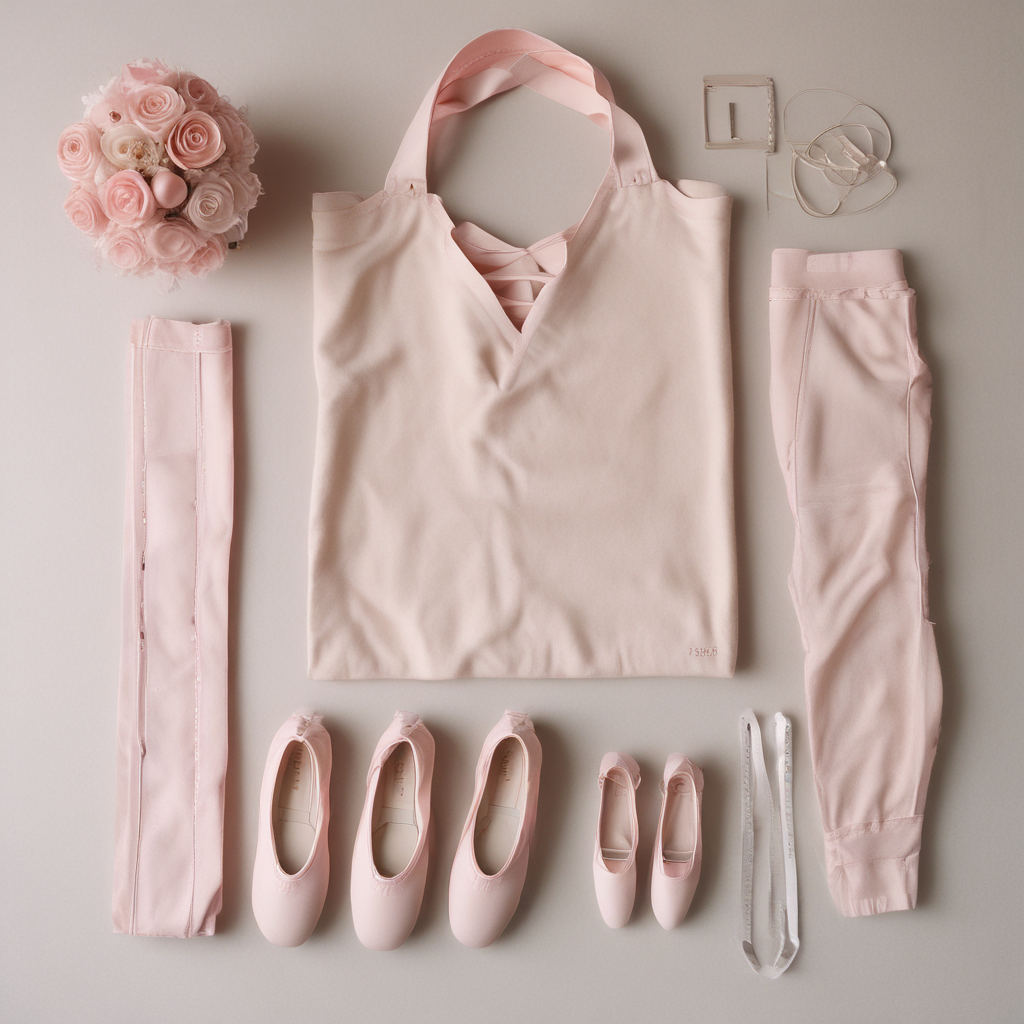
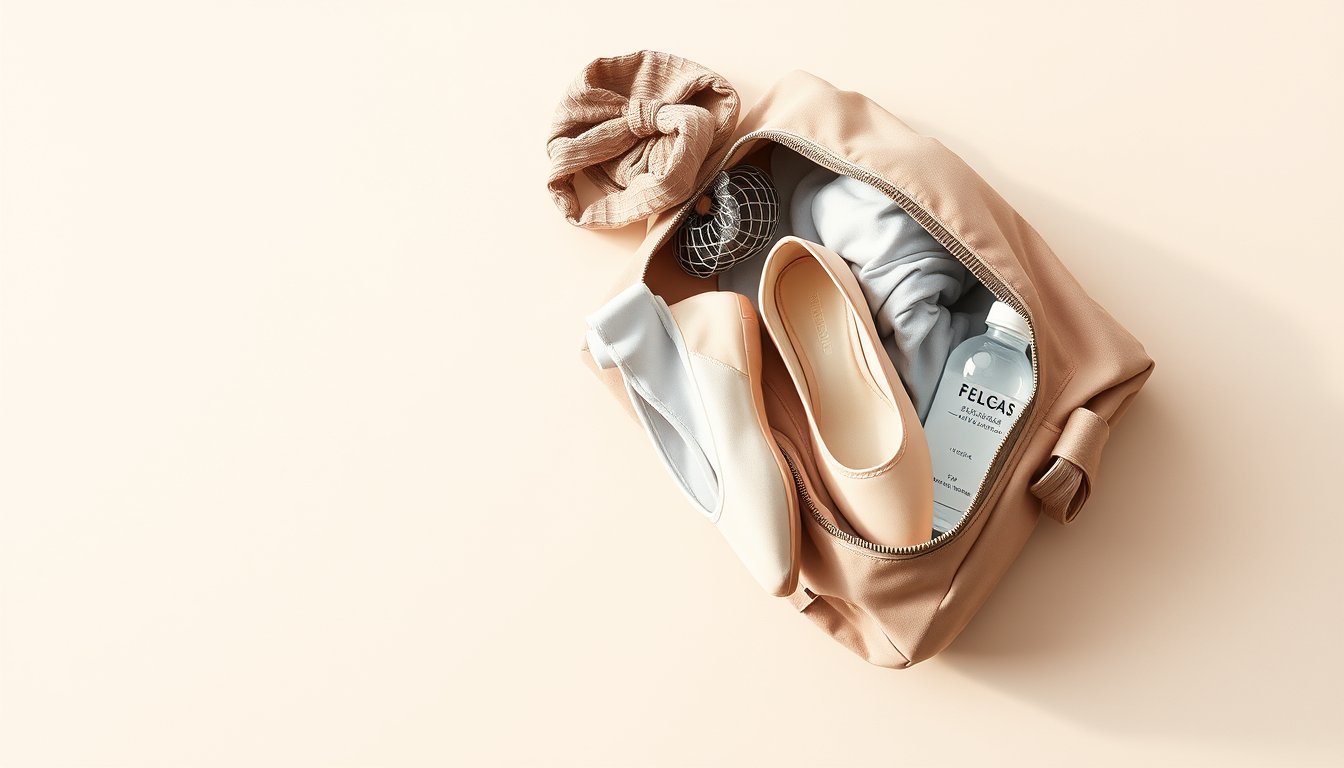
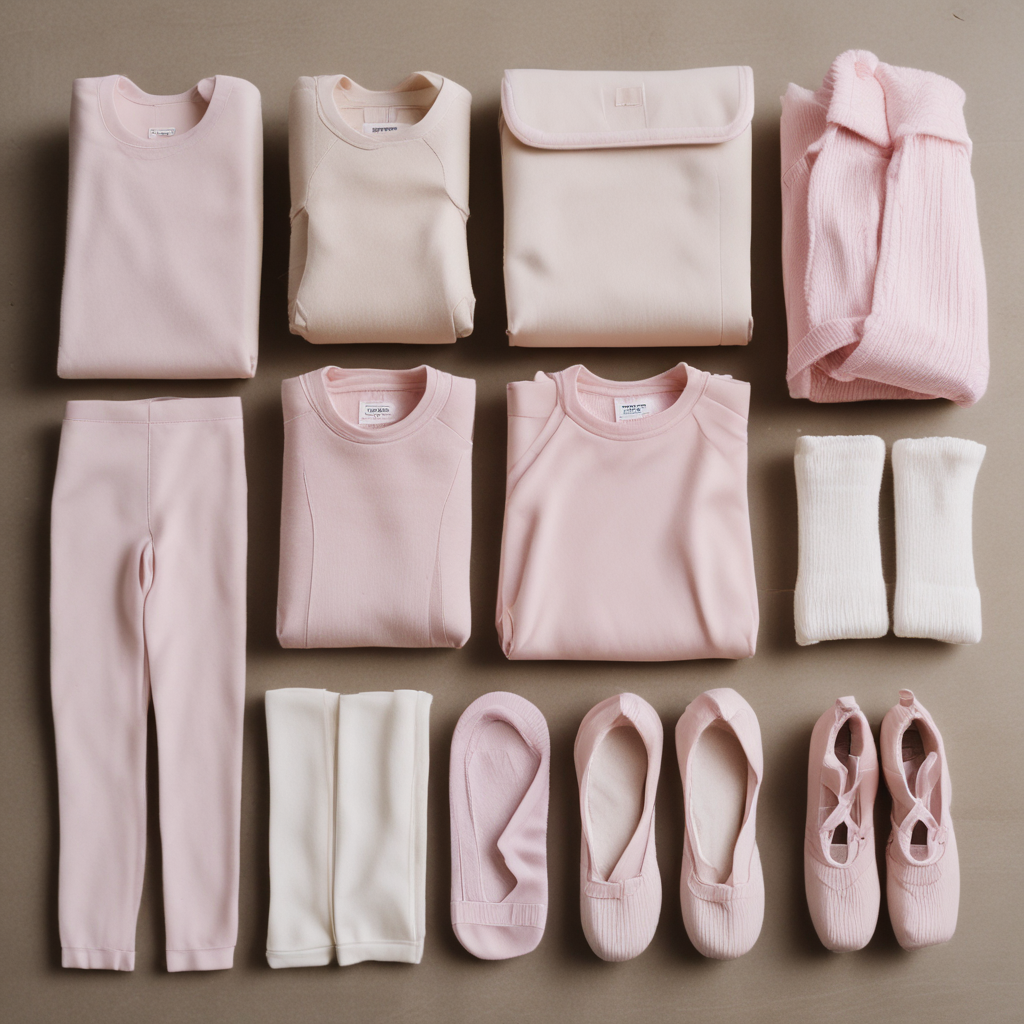
Ballet intensive packing kit with two sets of uniform and accessories on cream linen

Easter and summer holiday ballet intensives are a fantastic opportunity for committed students to accelerate their training. Unlike regular weekly classes, intensives pack 3–5 hours of ballet into a single day across several days. That level of training demands more careful preparation — both in terms of what your child wears and what they bring with them.

What Is a Ballet Intensive?

A ballet intensive is a series of classes held during school holidays, typically spanning 2–5 days. They may be run by your own dance school or by a visiting company or guest teacher. A typical day at an Easter intensive might include:

  • Morning technique class (60–90 minutes)
  • Repertoire or variations class (60 minutes)
  • Pas de deux or character work (45–60 minutes)
  • Cool-down or conditioning session

This is significantly more physical than a single weekly class, and the kit and nutrition requirements are correspondingly greater.

What to Wear for an Intensive

For most RAD-affiliated intensives, the standard uniform applies: grade leotard, pink tights, and ballet shoes. However, since students are working for multiple hours:

  • Bring a second leotard and tights — sweating through the morning leotard and changing into fresh kit for the afternoon session makes a real difference to both comfort and professionalism
  • Warm-up layers are essential — muscles that cool down between sessions need to warm up again. A ballet wrap cardigan and warm-up booties are important, not optional
  • Change of shoes — at intensive level, many students bring a spare pair of ballet flats in case their main pair gets soaked with sweat or the elastic pops

What to Pack for a Full Day of Classes

  • 2 sets of class uniform (leotard + tights + belt)
  • Ballet shoes (and a spare if available)
  • Warm-up cardigan or wrap
  • Leg warmers and/or warm-up booties
  • Full hair kit with extra pins — buns need redoing between sessions
  • Large water bottle — at least 750ml, refillable
  • Proper lunch and multiple snacks — this level of training burns far more energy than a weekly class
  • Foot care: plasters, vaseline, and toe pads for students doing pointe work
  • Any medications (e.g., pain relief for sore muscles — with parental permission form if required by the school)
  • A light cardigan or hoodie for the breaks between sessions to stay warm

Nutrition for an Intensive Day

Intensive ballet training is demanding on the body. Students need more fuel than a normal class day:

  • A substantial breakfast before the first class — porridge, eggs, or similar
  • A mid-morning snack (banana, rice cakes, or a protein snack)
  • A proper sit-down lunch with carbohydrates and protein — not just a sandwich
  • An afternoon snack
  • Consistent water throughout the day

Avoid heavy, high-fat meals immediately before class as they slow digestion and affect energy levels in class.

Looking After the Body Between Sessions

During breaks between classes:

  • Stretch gently rather than sitting completely still
  • Change out of sweaty kit if possible
  • Eat something even if not hungry — the body needs fuel
  • Rest the feet — sit rather than stand during longer breaks

After the final class of the day, a gentle cool-down stretch at home is helpful. Young bodies recover well, but high-volume training requires respect — monitor your child for signs of over-tiredness or pain that goes beyond normal muscle soreness.

Frequently Asked Questions

My daughter has never done an intensive before. What level should she be at?

Most Easter intensives are designed for students from Grade 3 upward, though this varies by the school hosting them. Some schools run beginner intensives for Grade 1–2 students. Check the prerequisite level with the school before registering.

Do I need to buy anything special for an intensive, or will regular class kit do?

Regular class kit is fine for the basic uniform. The main additional items are a second set of class clothes, more substantial food, a larger water bottle, and warm-up layers. Nothing completely new is required unless the intensive specifies otherwise.

My child is sore after day one of the intensive. Should I pull them out?

Some muscle soreness after an unusually high-volume day is normal. If it’s general tiredness and mild soreness, rest, hydration, and nutrition overnight should help. If there’s acute pain, swelling, or pain in a joint (not muscle), consult a doctor before continuing.

Posted on

How to Pack a Ballet Bag: Age-by-Age Checklist

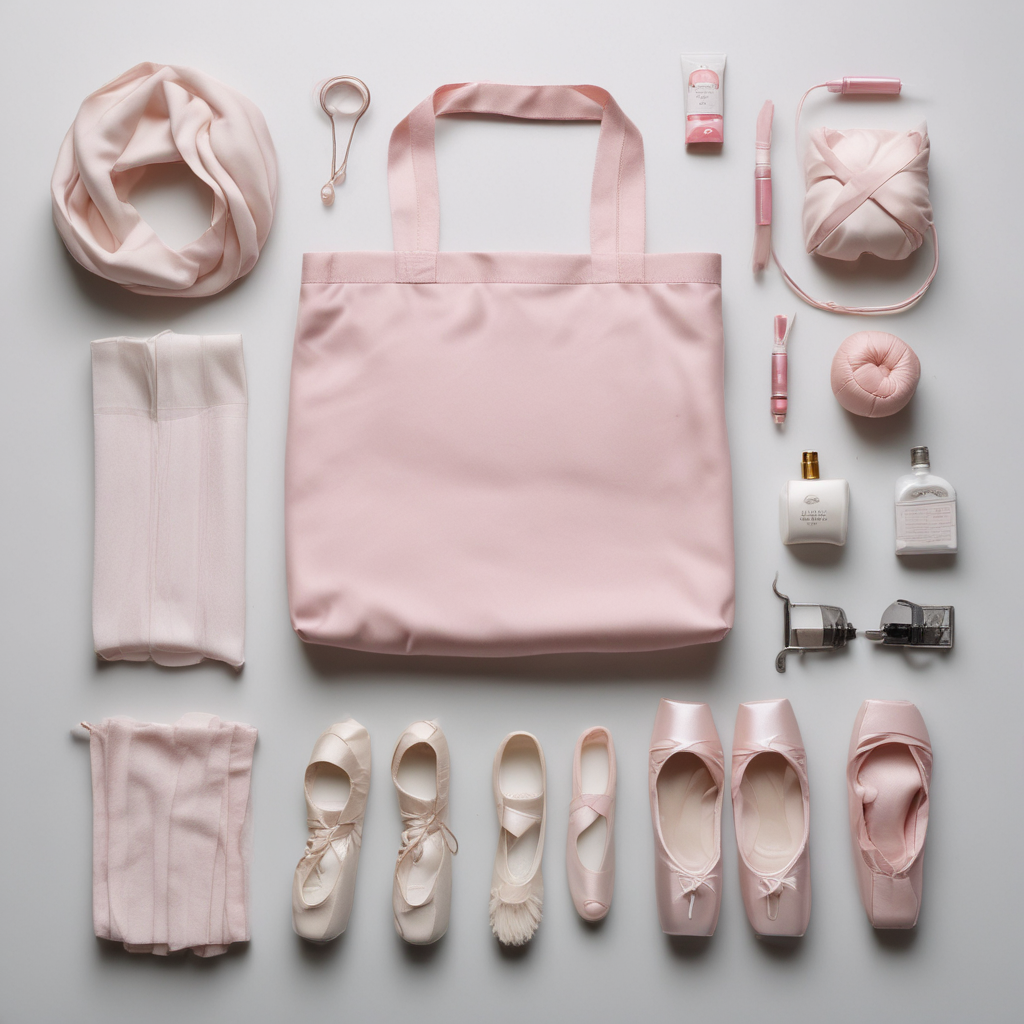
Open pink ballet tote bag surrounded by class kit items on cream linen

Packing a ballet bag seems straightforward — shoes and tights, right? But as students move through the grades, the kit they need expands significantly. Getting into a good packing routine early makes class days calmer for everyone. Here’s a practical age-by-age guide to exactly what should be in your child’s ballet bag.

Ages 3–5: Pre-Primary and Primary (The Essentials Only)

For the youngest students, keep the bag simple. At this age, children don’t need much:

  • Ballet leotard (in the correct grade color)
  • Pink tights
  • Canvas ballet shoes
  • Water bottle
  • A small snack for after class (optional)
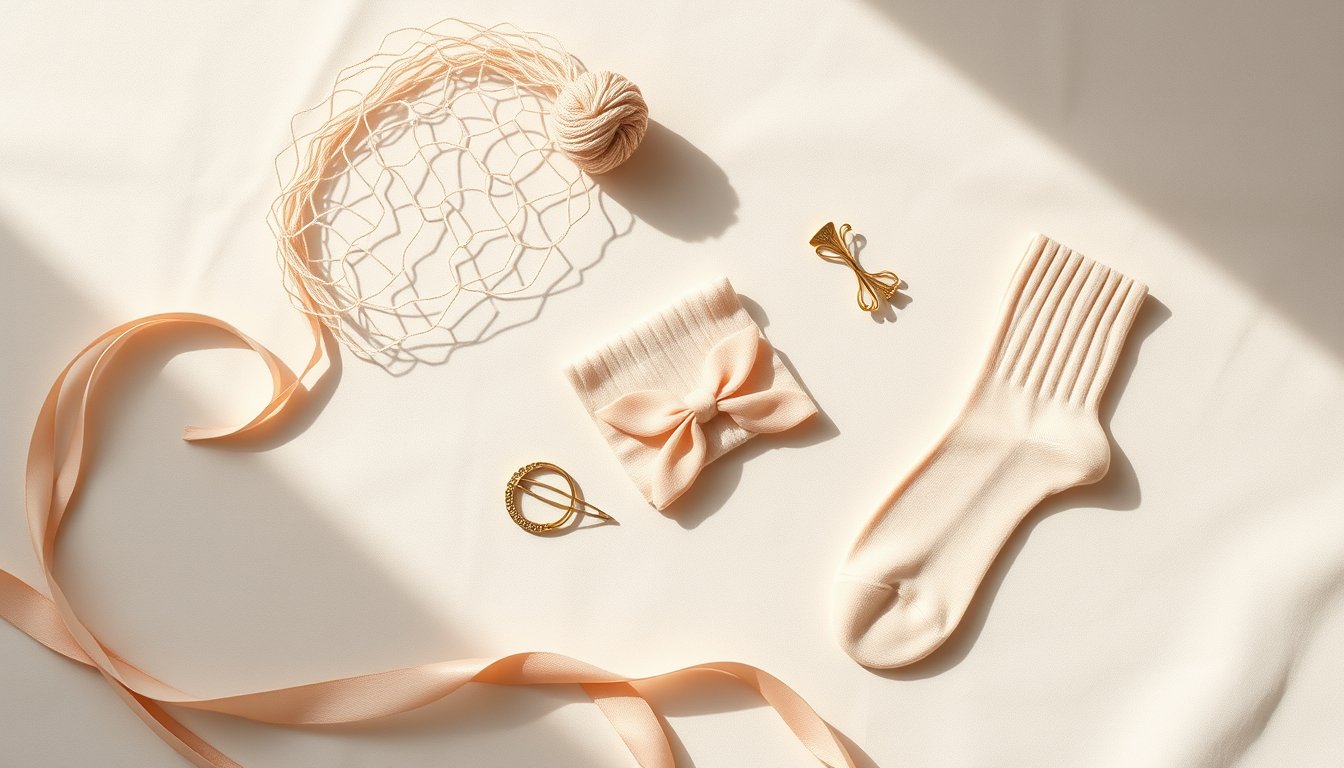
  • Hair accessories (elastic bands, kirby grips, small hair net)

Younger children often change at the studio, so pack their class clothes separately in a way that’s easy to get on and off. A small tote bag is usually enough at this stage.

Ages 6–9: Grades 1–4 (Growing Needs)

By this age, students are attending class more regularly and may have homework exercises to practice at home:

  • Grade leotard and pink tights
  • Canvas ballet shoes
  • Elastic belt in correct color
  • Spare pair of tights (holes happen)
  • Water bottle
  • Small snack
  • Hair kit: elastic bands, kirby grips, bun builder, hairnet, hairspray
  • Class notebook (some teachers give written notes on exercises)
  • Any props needed for that term (pom-poms, ribbons, tambourine — check the teacher’s list)

Ages 10–13: Grades 5–8 (Senior Grade Kit)

Older students are attending more frequently and the physical demands of class are higher:

  • Grade leotard and pink tights
  • Canvas or leather ballet shoes
  • Warm-up layers: wrap cardigan or ballet warm-up booties, leg warmers for pre-class
  • Elastic belt if still required
  • Spare tights
  • Water bottle and a substantial snack or small meal if classes are back-to-back
  • Full hair kit
  • Foot care: small tube of vaseline or barrier cream for blisters; plasters in toe sizes
  • Any accessories for current syllabus

Ages 12+: Pre-Pointe and Pointe Students

Students working toward or on pointe need a more comprehensive kit:

  • All of the above
  • Pointe shoes (in addition to flat ballet shoes for the non-pointe part of class)
  • Toe pads or ouch pouches
  • Ribbon and elastic sewing kit (needles, thread, spare ribbons)
  • Pointe shoe glue for emergency repairs
  • Pre-pointe resistance band for warm-up exercises

Bag Organization Tips

  • Label everything — ballet shoes, water bottles, and tights all look alike in a lost property box
  • Keep a small zip pouch for hair accessories so they don’t scatter throughout the bag
  • Repack the bag right after class while you remember what was used — don’t leave it until the next class day
  • Let older students pack their own bag from the checklist — it builds responsibility and means fewer “I forgot my belt” moments

Frequently Asked Questions

What size ballet bag do I need?

For younger students (Pre-Primary to Grade 3), a small tote bag works well. By Grade 4 and above, a medium backpack or duffel is more practical, especially if the student is changing at the studio and carrying warm-up clothes. By pointe level, a larger bag is usually necessary.

Should I pack spare ballet shoes?

Not necessary for most students. A well-fitting pair of shoes in good condition rarely has an emergency. However, if your child’s shoes are near the end of their life, it’s worth having the new pair ready in the bag before the old ones fall apart mid-class.

Can my daughter carry her own ballet bag?

Yes, and it’s a good idea to encourage this from Grade 2 or 3 onward. Taking ownership of their ballet kit teaches responsibility and is practical if they stay after school for a class.

Posted on

End-of-Year Ballet Show: What to Pack and What to Buy

End-of-year ballet show packing guide – dance bag with costumes and accessories

The end-of-year ballet show is one of the highlights of a young dancer’s year — and one of the most logistically demanding days for dance parents. Costumes, multiple outfit changes, hair, shoes, makeup and the general excitement of backstage life all need to be managed calmly. This guide covers everything you need to prepare in advance and what to pack on the day.

Before Show Day: What to Buy in Advance

Shows often require items beyond the standard class uniform. Your school will send a costume list or production notes, but there are standard items that almost every show requires:

  • Clean, matching ballet tights: Check your child has a matching pair for each costume. Many schools require all-pink tights regardless of the costume colour — confirm with the teacher.
  • Ballet shoes in good condition: Inspect shoes well before show day. Replace if the sole is worn through, elastics are fraying or shoes no longer fit correctly. Do not put your child in a new, unworn pair on show day.
  • Fishnets or character tights: Some older students or character sections require fishnet tights or character tights in a specific colour. Check the production notes.
  • Hair accessories: Ribbons, bows, headbands or fascinators may be required depending on the role and choreography. Confirm exactly what is needed — some schools provide these, others require parents to source them.
  • Stage makeup: Many schools require basic stage makeup from around age 8 upwards for shows. Check whether the school provides it or requires parents to apply it.

What to Pack in the Show Bag

Pack everything in a clearly labelled bag. If your child has multiple costume changes, use a separate zip bag for each costume in the order they are worn.

Essential Items

  • All costumes (checked off against the production list)
  • All required tights — one spare pair for each costume
  • Correct shoes for each section of the show
  • Full hair kit: comb, brush, hair ties, kirby grips, net, bun spray, any decorative accessories
  • Stage makeup if required
  • Water bottle with a secure, non-spill cap
  • Small, easy snack for backstage — avoid messy or strongly scented foods
  • Your child’s name on every item, including individual shoes and accessories

Nice to Have

  • Safety pins — invaluable backstage for costume emergencies
  • Clear nail polish for stopping a tights ladder spreading
  • Baby wipes for quick makeup touch-ups or sticky fingers
  • A small sewing kit for loose elastic or a dropped hem
  • Hairspray for flyaways

Hair Preparation for Show Day

Show hair is usually more elaborate than everyday class hair. Many shows require a specific style — a French plait into a bun, or a high ponytail for a contemporary piece. Practice the style at least twice at home before show day. Allow extra time on the day — backstage is chaotic and rushing complicated hairstyles causes stress.

What Happens Backstage

First-time show parents are often surprised by how different backstage is from the orderly classroom. Help your child feel settled by arriving at the call time given by the school, labelling every item clearly, and briefing younger children in advance about what to expect.

After the Show: Care and Storage

After the show, check all costumes back in if they belong to the school. Items belonging to your child should be washed promptly — sweat and stage makeup left in fabric will cause staining. Wash according to garment care labels. Store clean dance items in a breathable bag, not a sealed plastic container.

Frequently Asked Questions

Do I need to buy a costume or does the school provide one?

It depends on the school. Many schools hire or own costumes and charge a costume deposit or hire fee. Others require parents to purchase specific items — often tights, shoes and accessories — while providing the main costume garment. Check your school’s production information well in advance.

My child has two costumes for the show — how do I organise changes?

Pack each costume in a separate clear zip bag, labelled with your child’s name and the order (e.g. “Change 1 — first half”, “Change 2 — second half”). Include all accessories, tights and shoes for each change in the correct bag.

Should I apply stage makeup myself or ask the school to do it?

Most schools either apply makeup themselves for younger children or give parents clear guidance on what to apply and how. For older children (typically 10+), parents often apply makeup at home before the call time. Follow your school’s instructions exactly — over-applying is a common mistake.

Can siblings watch from backstage?

Generally no. Backstage is a controlled environment for health and safety reasons, and non-performing siblings create additional management challenges. Siblings should watch from the audience. Check your school’s policy — some schools designate a limited backstage window for parents of very young children only.

Posted on

Ballet Bags for Girls: Tote vs Backpack vs Duffel

Ballet Bags for Girls: Tote vs Backpack vs Duffel

The right ballet bag keeps a dancer’s uniform, shoes and accessories organised and easy to carry. The three main styles — tote, backpack and duffel — each suit different needs and ages. The best choice depends on how much gear the dancer carries, how they travel to class, and whether they go to school in their dance clothes or change on arrival.

Short answer: The right ballet bag keeps a dancer's uniform, shoes and accessories organised and easy to carry. The three main styles — tote, backpack and duffel — each suit different needs and ages.

Ballet Tote Bags

A tote bag is a single-compartment bag with open or zippered top and two shoulder straps. It is the most traditional style for young ballet students and is easy to pack and unpack quickly.

Best for

  • Ages 4-10, where the gear requirement is light: leotard, tights, shoes, water bottle
  • Students who are dropped off at class and change there
  • Schools where a specific style of bag is part of the uniform look

What to look for

  • A separate mesh or zipped pocket for shoes — keeping shoes loose with the uniform means tights and leotards pick up dirt and smell from the sole
  • Wide enough to hold a rolled or folded uniform without cramming
  • Wipeable interior, since shoes will always end up touching the main compartment

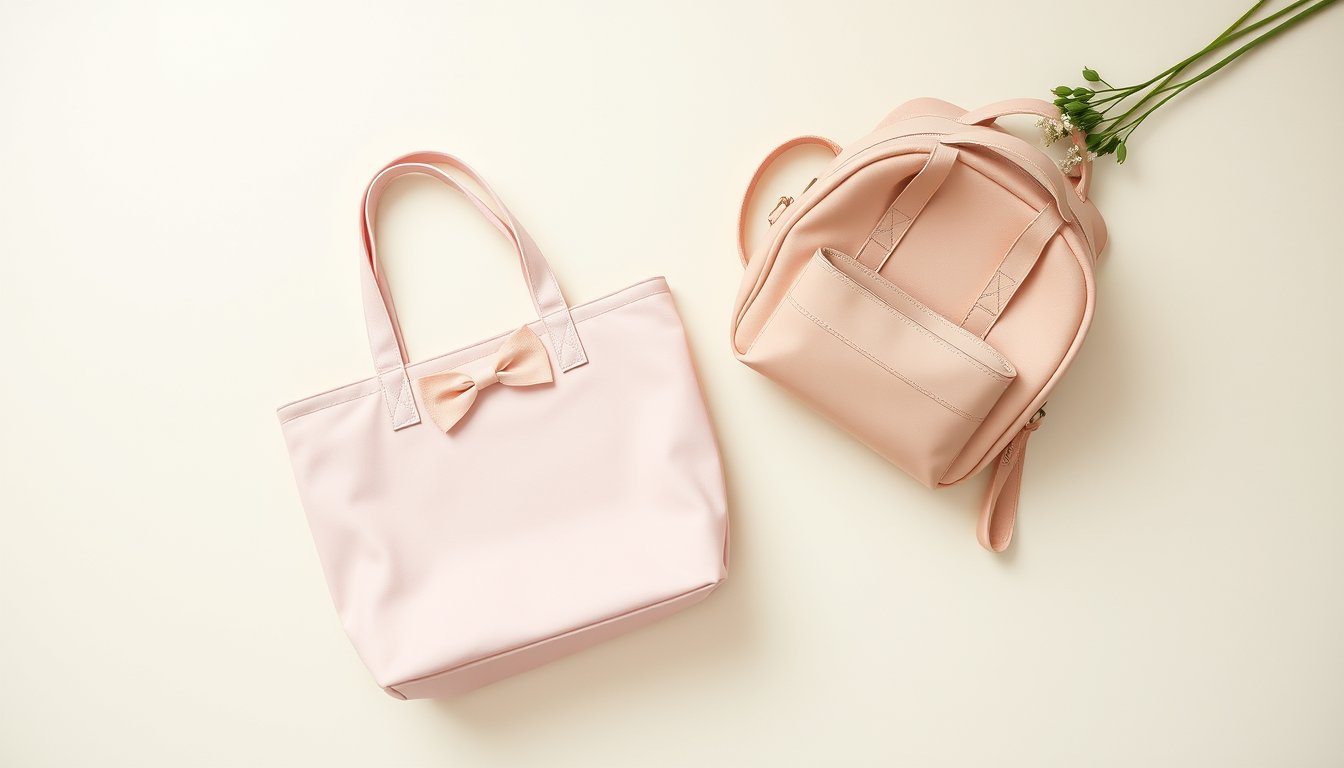
Our Bow-Detail Ballet Tote has a main compartment sized for a full uniform set and an external shoe pocket.

Ballet Backpacks

A backpack distributes weight across both shoulders, making it the most comfortable option for students who walk to class or cycle. It also leaves the hands free, which matters for students carrying instruments, school bags or a younger sibling.

Best for

  • Ages 9 and up, where gear starts to accumulate: multiple pairs of shoes, warm-up clothes, snacks, water
  • Students who go straight from school to class
  • Any distance that requires more than a two-minute walk

What to look for

  • A base or side pocket specifically for shoes — isolating shoes is important for a backpack, where everything sits close together
  • Padded straps and a back panel
  • Multiple internal pockets for organising small accessories (hair pins, bands, belt)

Duffel Bags

A duffel bag is a cylindrical or rectangular soft bag with a single large compartment, top handles and often a shoulder strap. It offers maximum volume for the least structure — good for dancers who carry a lot of gear, including pointe shoes, warm-up clothes and multiple pairs of shoes.

Best for

  • Vocational and senior students with larger kit requirements
  • Students travelling to summer schools or intensives
  • When a large amount of gear needs to be packed quickly

What Should Go in a Ballet Bag?

For a complete list of what a dancer needs for class and exams, see our ballet bag essentials guide. For general tips on the full exam day, see our exam uniform checklist.

Frequently Asked Questions

What size bag does a ballet student need?

For a young beginner, a medium-sized tote bag (roughly 35 x 40 cm) is enough to fit a leotard, tights, ballet shoes and hair supplies. Older students with pointe shoes, warm-up clothes and extra accessories need a larger bag or a duffel.

Are personalized ballet bags worth buying?

A name or initial on the bag is practical in a busy changing room where many identical bags are stored together. It is not necessary for a beginner. Wait until you know the child will continue before investing in a personalized item.

Should a dance bag have a separate shoe compartment?

A separate ventilated shoe pocket keeps dirty or damp shoes away from the uniform and accessories. This is especially useful for pointe shoes, which need air circulation to dry properly between classes.

Posted on

Ballet Accessories: What Every Dancer Needs for Class, Exams and Gifts

Ballet Accessories: What Every Dancer Needs for Class, Exams and Gifts

Short answer: ballet accessories are the extras that go with the uniform: hair supplies, a waist belt or ribbon, warm layers, a bag, and for younger dancers props for creative movement. A beginner needs only a few. Add the rest as the dancer moves to exams, performances and more advanced classes.

What ballet accessories does a dancer need?

Accessory What it is for Who needs it
Hair supplies A neat bun: hair ties, pins, a hairnet Everyone with long hair
Waist belt or ribbon Defines the waist, and in some schools shows the level Students whose school uses one
Warm layers Wrap top, cardigan, leg warmers Cold studios and long classes
Dance bag Carries the uniform and shoes Everyone
Props Ribbons, wands, hoops, shakers for creative movement Young children
Exam extras Number bibs, certificate folder Dancers taking exams

What should a beginner buy first?

  1. The uniform and shoes your school asks for.
  2. Hair supplies for a neat bun.
  3. A dance bag to keep everything together.
  4. A warm layer, if the studio is cold.

Everything else can wait until your teacher asks for it.

What are the best accessories for young children?

Young dancers learn through play, so props are a favorite. Ribbons, wands, shakers, hoops and wings are used in creative movement classes to build rhythm, coordination and imagination. Browse our ballet props for options in many colors. Always choose props that are light and safe for the age of the child, and supervise play.

What accessories are useful for exams?

Dancers taking exams often need a neat waist belt or ribbon, number bibs for group exams and a folder for the certificate. Rules differ between schools and examination centers, so ask your teacher for the list. We are not affiliated with any examination board, and this guide is general advice.

What makes a good ballet gift?

  • For a young dancer: a prop set or a hair bow.
  • For a teen: a warm wrap top, leg warmers or a dance bag.
  • For a teacher: a hand bell, a certificate folder or a nutcracker figure.
  • For a student’s end-of-term gift: a stretch band or a training block for home practice.

How do I look after accessories?

Keep small items in a pouch inside the dance bag. Wash fabric items gently, and let them air dry. Keep ribbons and bows flat, so they keep their shape. Check props for loose parts before each use.

How do I choose quality accessories without overspending?

  • Buy the basics first. Hair supplies, a bag and a warm layer are used every week.
  • Choose plain colors that match the uniform and are easy to replace.
  • Check the size and the safety of anything a young child will hold or wear.
  • Wait for the teacher’s list before buying exam extras, because every school is different.

For the full class packing list, see our ballet bag essentials guide.

Frequently Asked Questions

What hair accessories does a ballet student absolutely need?

The essentials are hair ties, bobby pins (at least two packs to avoid running out), and a hair net that matches the dancer's hair color. A bun donut or former is helpful but not strictly essential for a beginner.

When does a ballet student need a waist belt?

Check the RAD grade requirements. In the RAD syllabus, an elastic waist belt in a specific color is introduced as a uniform item at certain grade levels. Your teacher's grade-specific uniform list will say when it is required.

What props are used in RAD Early Years ballet exams?

The most common RAD prop items for Early Years and Foundation levels are pom-poms, ribbons on sticks and garlands. The specific props are published in the RAD syllabus for each level, and your teacher will tell you exactly what is needed.

Posted on

Ballet Bag Essentials: What to Pack for Class

Ballet Bag Essentials: What to Pack for Class

Short answer: a ballet bag should hold the uniform, ballet shoes, a spare pair of tights, hair supplies, a warm layer, water and a small repair kit. Pack it the night before so nothing is forgotten, and label every item with the dancer’s name.

What goes in the bag?

Category Items
Uniform Leotard, tights, skirt if required.
Shoes Ballet shoes with elastics sewn on. A plastic bag for dirty shoes.
Spare A spare pair of tights and spare elastics.
Hair Hair ties, pins, a hairnet and a small brush.
Warm layers Wrap top, cardigan, leg warmers or warm-up pants.
Health Water bottle, small snack, and any personal items.
Repair kit Safety pins, needle, thread and a small pair of scissors for the parent to carry.

What kind of bag is best?

A drawstring backpack is popular for young children, as they can carry it easily. Older dancers prefer a roomy tote or duffel. Whatever the style, choose a bag with a separate pocket for shoes and one for damp items. A bag that is too big will hold more than a child can carry, so keep it to the essentials.

How do I keep the uniform neat?

  • Fold the leotard and tights and keep them in a separate pouch.
  • Put hairpins and ties in a small container so they do not scatter.
  • Hang the bag to air out after class and remove damp items.
  • Wash the bag lining from time to time, as it collects dust and sweat.

What extras are worth having?

A small towel is helpful in summer. A spare shirt makes the trip home more comfortable. A small mirror or comb helps older dancers fix their bun. A pair of flip-flops or slippers is handy for walking to the changing room, and a small plastic bag keeps wet items away from the rest.

How do I pack for an exam?

Add the exam uniform, exam number and pins, a spare set of hair supplies and a bigger snack. Pack it two days before the exam, then check it again the night before. If your school uses colored belts or other level items, pack them in an easy-to-reach pocket.

How can I involve my child?

Give the child a checklist and let them tick off each item. It builds independence and helps them remember what to bring. A small laminated list inside the bag lid works well. Over time, most dancers pack their own bags confidently.

How do I keep the bag from smelling?

Dance bags gather sweat and moisture. Take everything out after class and let it air. Keep ballet shoes in a mesh or cotton pouch, not a plastic bag, so they can breathe. Add a small sachet or a cedar block to the bag, and wash the bag lining every month or two. Never leave damp leotards in a closed bag overnight.

What should be in a first-aid pouch?

  • Adhesive bandages for small blisters.
  • A small tube of antiseptic cream.
  • Safety pins and a few spare hair pins.
  • A small pack of tissues.

Keep the kit small and refill it when needed.

How do I teach organization?

Give children a simple routine: bag by the door, uniform folded in the same order, shoes on top. Use pouches in different colors for different items. At the end of class, check the changing room for items left behind. Over time, children learn to rely on their own routine.

What about older dancers?

Older dancers often add a foam roller, a resistance band, a small towel, spare pointe shoe ribbons and sewing supplies. If you are building a bag for an older student, start with the basics above and let them add what they need.

Frequently Asked Questions

What is the best type of bag for a young ballet student?

A medium-sized tote or backpack that fits the leotard, tights, shoes, hair supplies and a water bottle is ideal. Young children find a backpack easier to carry themselves; older students often prefer a tote for quick access.

Should ballet shoes be stored loose in the bag or in a bag?

Store them in a small mesh or cotton drawstring bag inside the main dance bag. This keeps them clean and separate from the uniform, and allows the shoes to breathe so they do not develop odor.

What should be in a basic ballet bag repair kit?

A small repair kit should include a needle and thread (to re-sew loose shoe elastic), spare hair pins and a hair net, safety pins, and a spare pair of tights. This covers most in-class emergencies.