
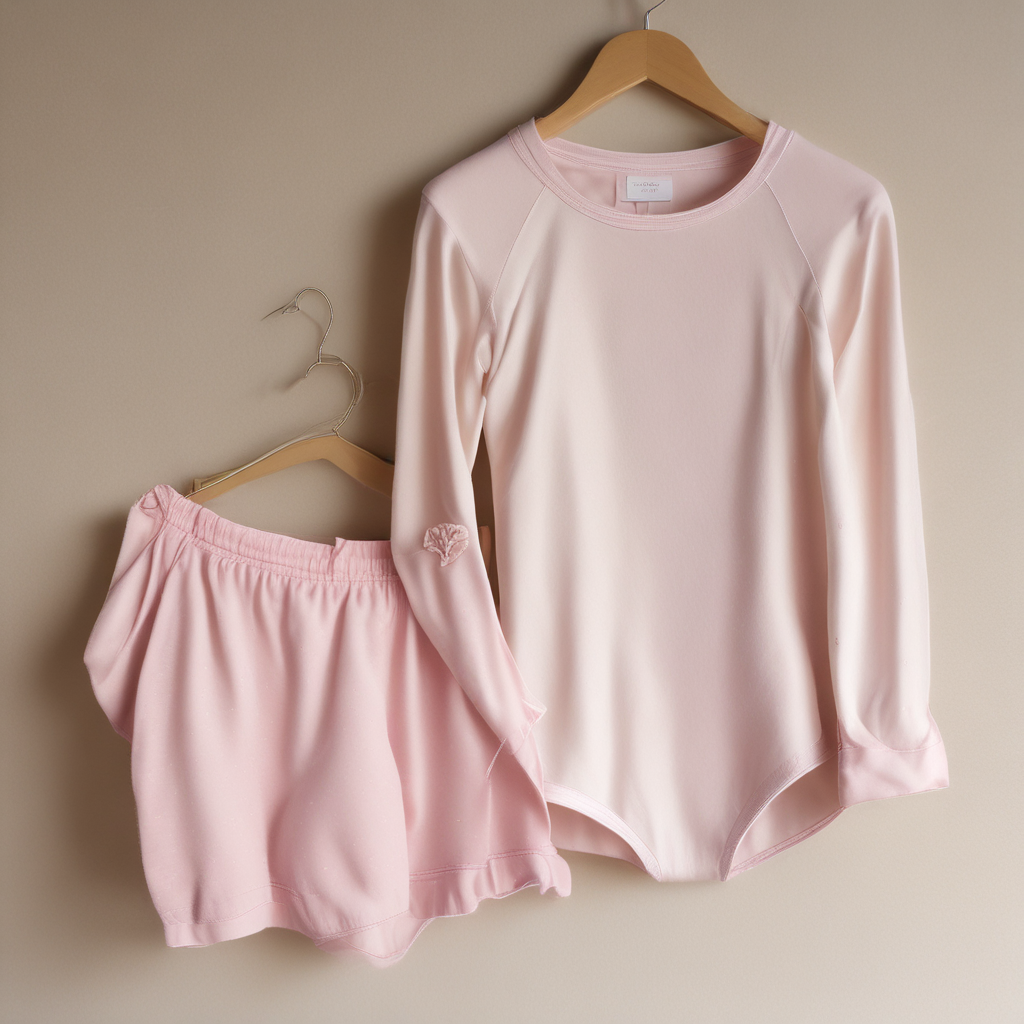
Many parents assume that the uniform their child wears to class every week is also what they wear to their ballet exam. In most cases, that’s true — but there are important differences that can catch families off guard. This guide explains exactly what your child should wear for a regular RAD class versus a formal RAD examination.
Class Uniform: The Everyday Standard
In a typical RAD ballet class, students wear:
- Grade-specific colored leotard (candy pink for Pre-Primary, blue for Grade 1–3, lilac for Grade 4–5, etc.)
- Pink ballet tights
- Canvas or leather ballet shoes with elastic
- Elastic belt (usually required up to around Grade 4 or 5)
- Hair in a bun
For class, there’s some tolerance for minor variations — a slightly different shade of pink, a leotard that’s technically the right color but a slightly older style. Teachers know families are busy and uniforms wear out. The focus is on the movement, not the clothes.
Exam Uniform: The Formal Standard
For a formal RAD examination, the expectation is higher:
- New or near-new tights — no runs, no pills, no fading
- Correct grade color leotard, clean and unworn-looking — not stretched or faded
- Polished ballet shoes with securely sewn elastics (not stitching coming loose)
- Precise bun — no flyaways, centered, covered with a hair net, no decorative clips or accessories
- No jewelry (earrings, necklaces, bracelets all off)
- No nail polish at most schools
The examiner is assessing the student’s standard of presentation as part of their overall professionalism. A sloppy bun or mismatched tights sends the wrong signal, even if the technique itself is excellent.
What Specifically Changes Between Class and Exam
| Item | Class | Exam |
|---|---|---|
| Tights | In good condition | New pair preferred, no damage |
| Leotard | Correct color, reasonable condition | Clean, fitting well, no fading |
| Hair | Neat bun, minor flyaways acceptable | Polished bun, hair net, no loose strands |
| Shoes | Good condition | Clean, secure elastics |
| Jewelry | Usually off, small studs sometimes tolerated | No jewelry at all |
| Nail polish | Often tolerated | Usually not permitted |
When There Is No Separate Exam Uniform
At most RAD schools, the class uniform and exam uniform are the same items — just worn in their best condition for the exam. There isn’t a separate “exam-only” leotard or different style; the grade color remains the same. The difference is entirely in the standard of presentation, not the items themselves.
However, some schools do introduce a specific exam style that differs from the everyday class leotard. If your school sends home an exam uniform checklist, follow it precisely — don’t assume that what worked for class will work for the exam.
Preparing the Exam Uniform in Advance
The week before the exam, lay out all the items and check:
- Tights: no damage, correct shade
- Leotard: clean, correct color, fits properly
- Shoes: elastics intact, no worn-through areas
- Hair kit: enough pins, correct color hair net
Wash the leotard and tights in advance so they’re clean but have been through one wash cycle — fresh-from-packet tights can be stiff. For a full exam day packing list, see our RAD Exam Day Checklist.
Frequently Asked Questions
Do I need to buy a new leotard specifically for the exam?
Not unless the current one is worn, faded, or doesn’t fit well. The same leotard worn for class is correct for the exam — just make sure it’s in good condition and freshly washed.
My daughter has pierced ears and always wears small studs. Is that okay for the exam?
Most exam boards prefer no jewelry at all for examinations. Stud earrings are a grey area — some examiners overlook very small flat studs; others note it. The safest approach is to remove them for exam day.
Can my son wear dance shorts instead of tights for the exam?
This depends on the school’s exam policy and the level. Ask the teacher directly — boys’ exam uniform varies more than girls’, and the teacher will know what the examiner expects.
Shop at ZoeDancewear
- Pink Footed Ballet Tights — stock up before exam season
- Grade Leotards — correct colors for every RAD exam
- Ballet Exam Preparation Tips — everything to do in the weeks before the exam