Posted on

Ballet Gift Ideas Under £20: What Dance Parents Actually Buy

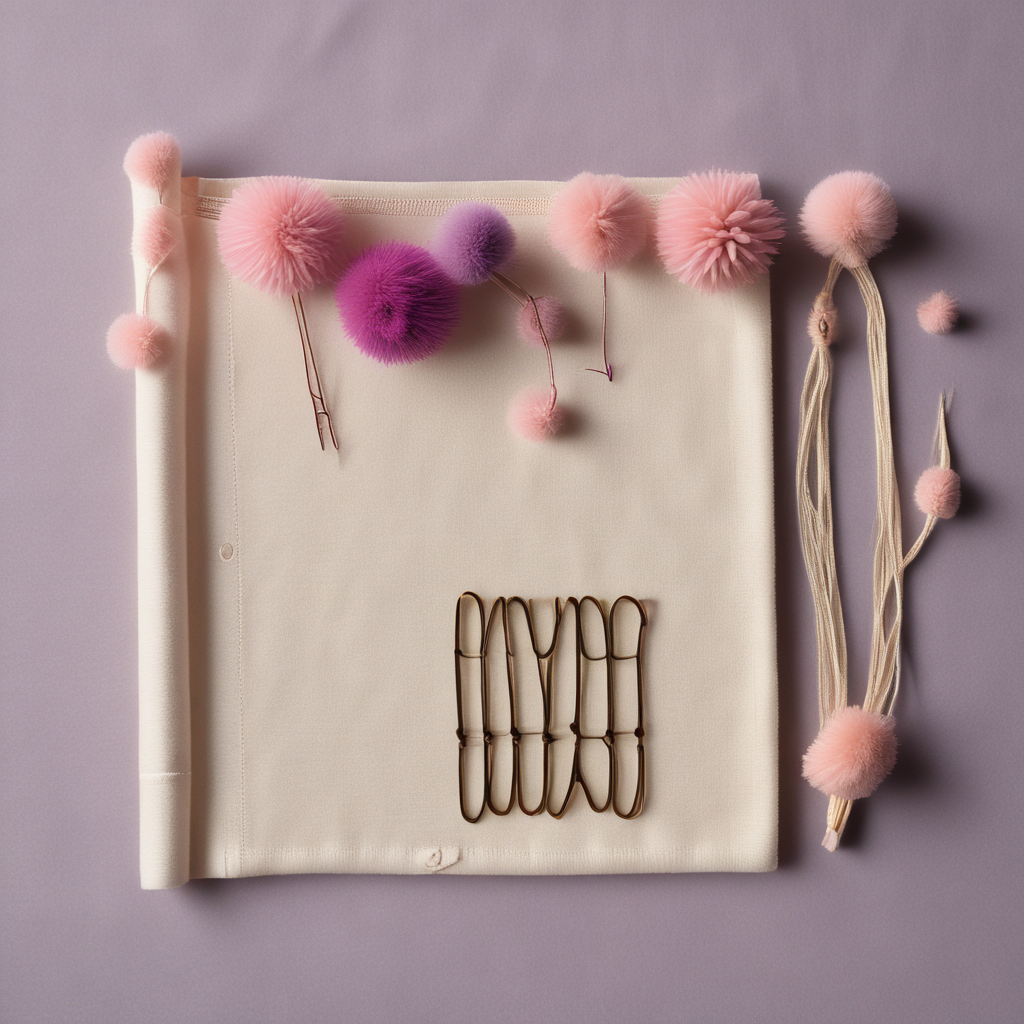
Small ballet gift items bobby pins hair nets tights and pom-poms on cream linen

Some of the most appreciated gifts for ballet dancers cost less than £20. Dancers and their parents know which items get used constantly and which end up at the back of a drawer — and the most-used items are often the most modest ones. Here is a reliable list of gifts that deliver genuine value within a practical budget.

Under £10

Bobby Pins and Hair Nets (£3–5)

This is almost embarrassingly practical, but it is genuinely one of the most used items in any dancer’s kit. Bobby pins disappear at a remarkable rate — into carpet, behind radiators, onto studio floors. A pack of good-quality pins in a matching hair colour, bundled with two or three hair nets, is something every dance family always needs more of. Package them in a small fabric pouch or organza bag to make the presentation more gift-like.

Pom-Poms (£5–8)

RAD students at several grade levels use pom-poms as props, and most children love them independently of class use. A pair of brightly coloured pom-poms — purple, red, blue or mixed — is a cheerful, low-cost gift that younger dancers in particular adore. They are also a handy spare when the class pair gets worn or lost before an examination.

Hair Accessories Set (£6–10)

A small set of ballet hair accessories — a matching elastic set, a few hair nets, a hairspray sample and a bun pin — organised in a fabric drawstring pouch, makes an attractive and genuinely useful gift. Many dance parents buy these sets for class bags specifically so the good accessories stay in the bag and the usual chaos of everyday hair accessories stays elsewhere.

£10–20

Ballet Tights — One Pair (£8–15)

A pair of pink footed ballet tights in the correct size for the dancer’s current grade is a practical and entirely welcome gift. Tights ladder, wear through at the heel and knee, and need replacing through the year. Confirm the school’s specified colour and style (most younger RAD students wear pink footed tights) and check the sizing chart before buying — dancewear sizing varies significantly between brands.

Leg Warmers (£10–18)

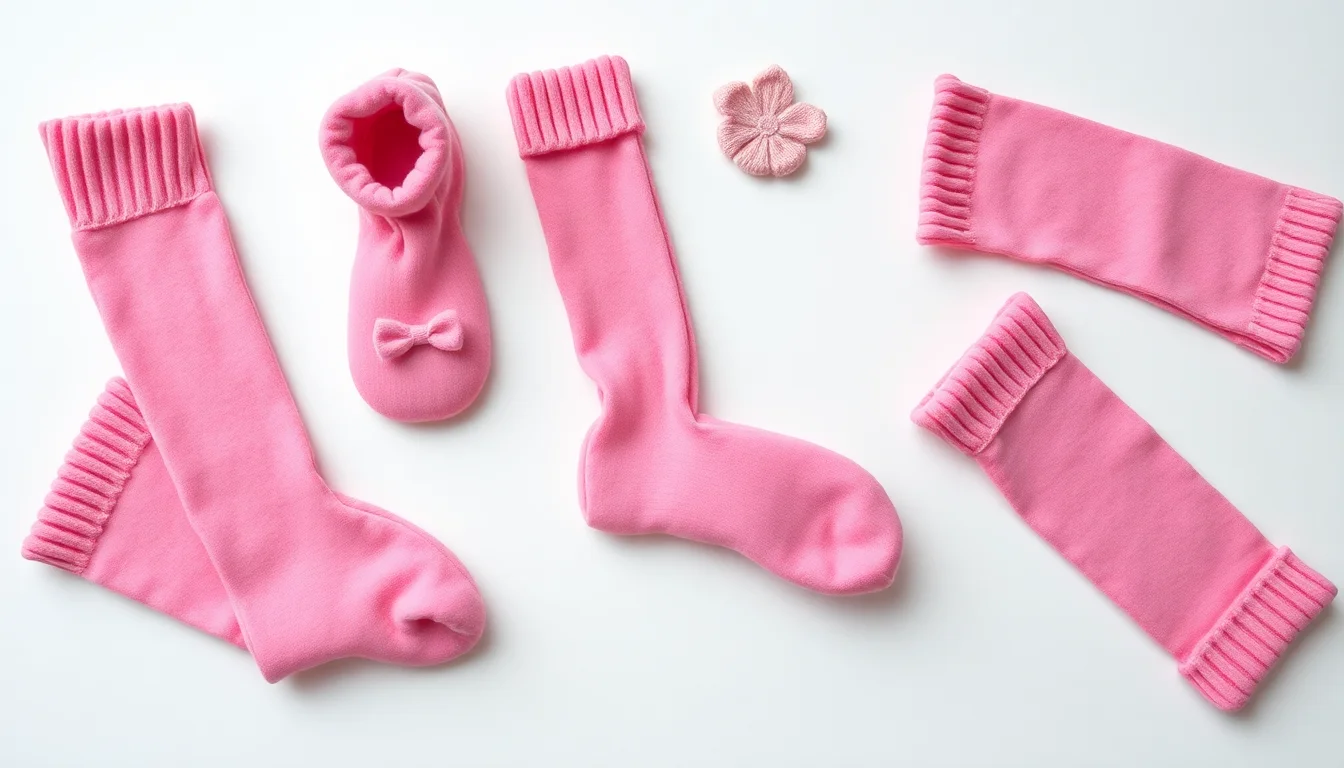
Soft ribbed knit leg warmers are one of the most popular ballet accessories for students from about age seven upward. They are used in the warm-up before class, during rest periods in longer rehearsal sessions, and — particularly in cold studios or during winter — throughout class. They are equally popular as cosy loungewear at home. A pair in pink or a neutral tone that suits the school’s warm-up kit colour is a reliably well-received gift.

Chiffon Ballet Skirt (£12–18)

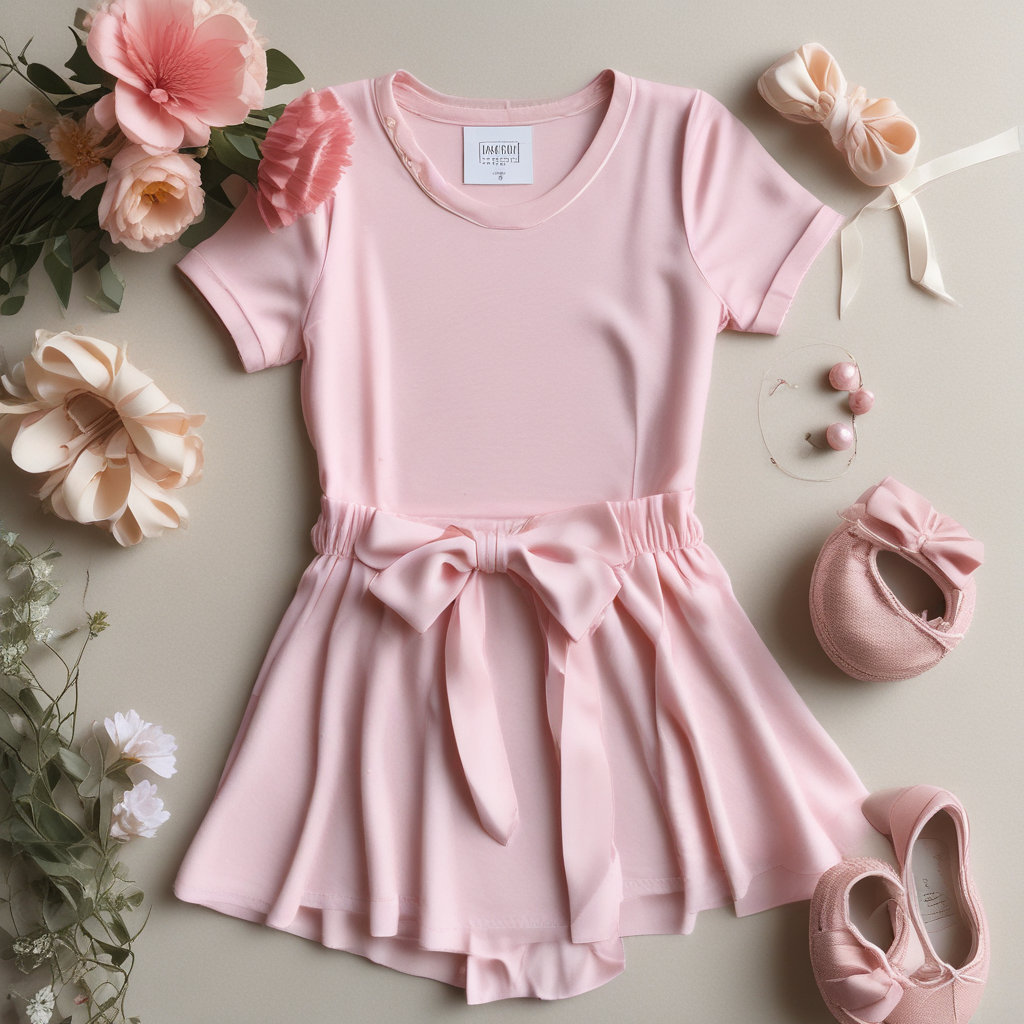
A soft chiffon wrap skirt is both a useful class item and a beautiful one. At many grade levels a chiffon skirt is part of the standard RAD uniform, so a fresh skirt or a spare in the correct colour is always useful. If the dancer’s school does not require a skirt for class, a skirt in a slightly different shade makes a lovely prop for at-home practice or performances.

Small Ballet Bag or Shoe Bag (£10–20)

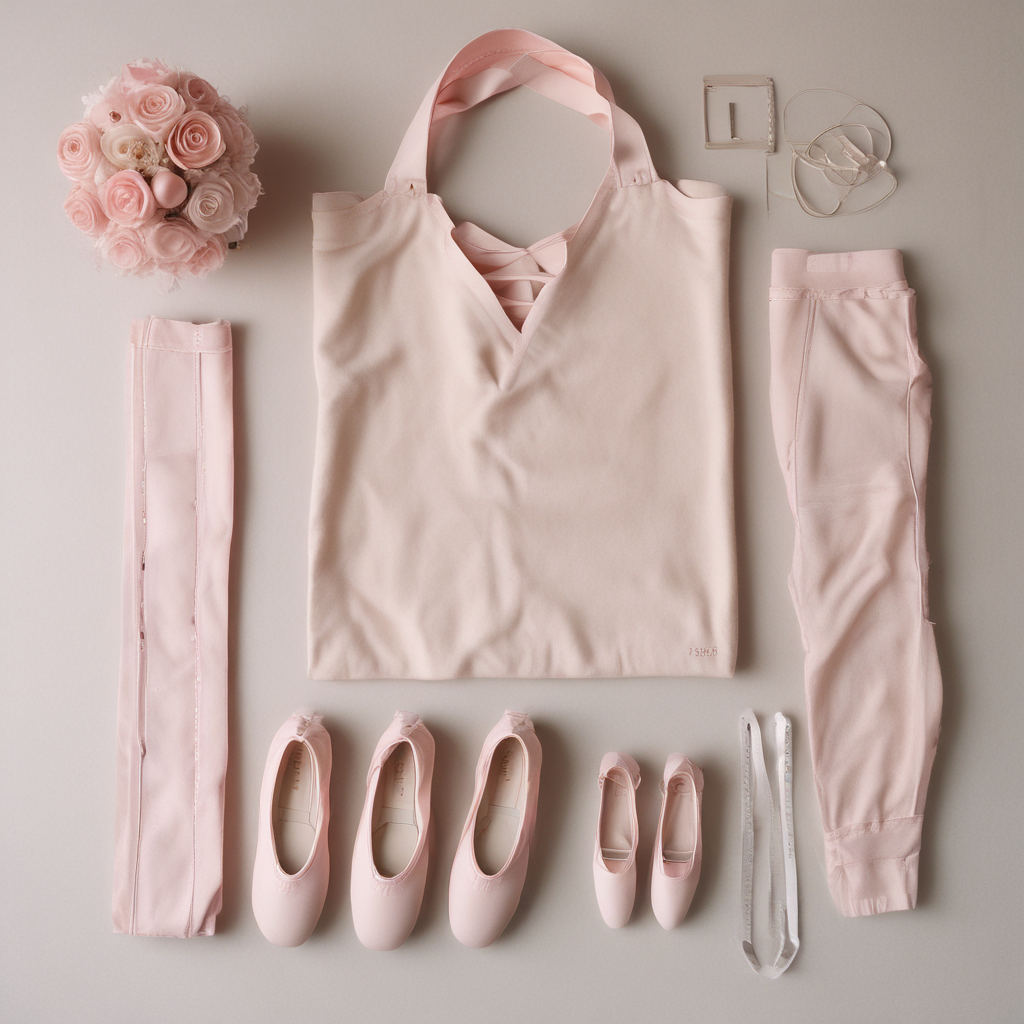
A cotton drawstring shoe bag or a small ballet tote is a practical gift at any age. Ballet shoes are best stored separate from everyday items to keep them clean and undamaged, and a dedicated shoe bag is often the first thing that wears out in a dancer’s kit. A simple, well-made option in a ballet-appropriate colour or with a small personalisation makes a nice, lasting gift.

Making It Special on a Small Budget

Even an inexpensive gift can feel thoughtful with the right presentation. A simple satin ribbon, a handwritten tag, or a small note about why you chose the item for that specific dancer elevates any gift. A bag of bobby pins in a beautiful little fabric pouch is more memorable than the same pins in their original plastic packet — the presentation costs almost nothing but changes how the gift feels entirely.
Posted on

Best Gifts for Ballet Dancers: Ideas for Every Age and Budget

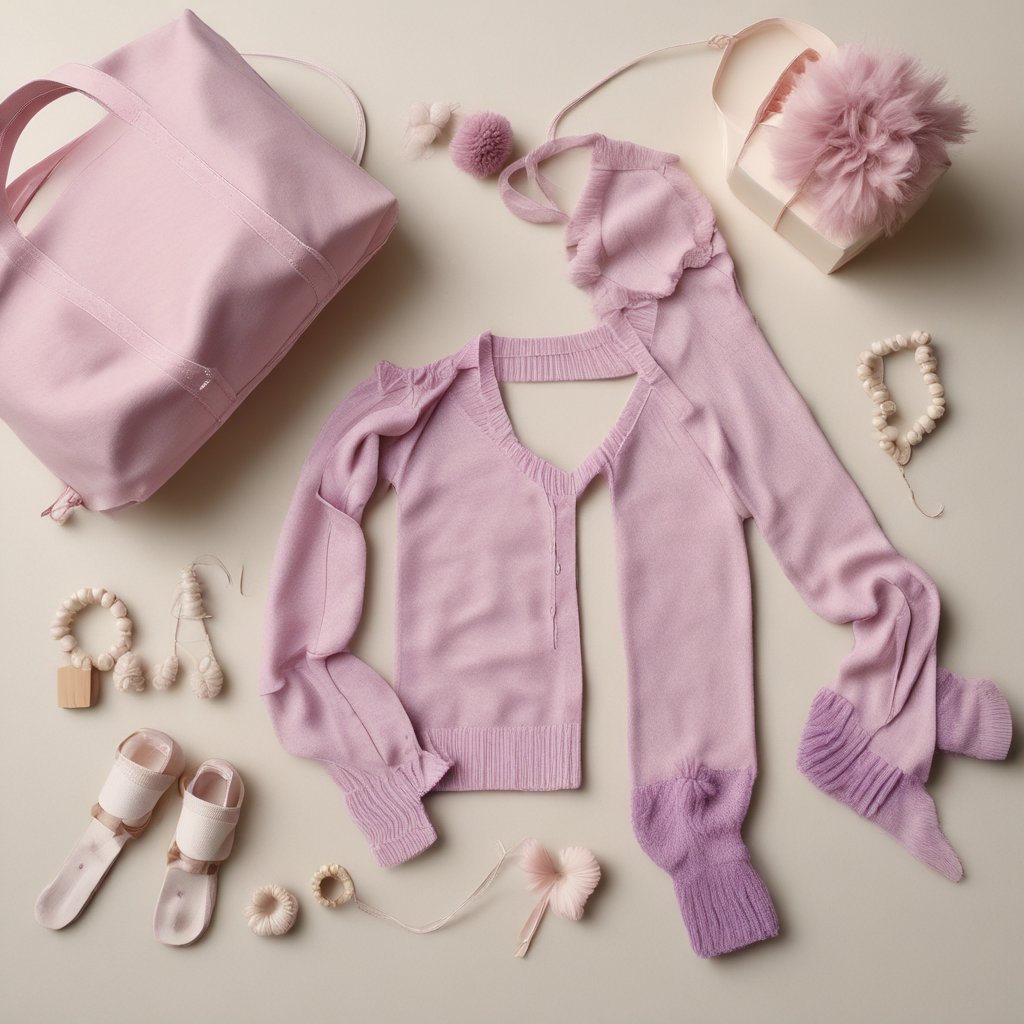
Ballet dancer gift collection with bag pom-poms hair accessories and leg warmers on cream linen

Buying a gift for a ballet dancer is easier than it looks once you understand what dancers actually use and enjoy. The best gifts fall into two categories: things they need but might not buy themselves, and things that celebrate their passion in a way that feels considered rather than generic. Here is a curated list across both categories and multiple price points.

Practical Gifts That Dancers Actually Use

Ballet Bag

Every dancer needs a bag dedicated to their dance kit. A well-made ballet bag keeps shoes, tights, leotards and accessories separate from everyday items and is the one piece of kit that goes everywhere the dancer goes. Look for a bag with a separate shoe pocket to keep ballet shoes away from street shoes, and a main compartment large enough to hold a full kit change. A quality ballet tote or backpack is one of the most used and appreciated practical gifts for dancers of any age.

Pom-Poms for Class Accessories

Many RAD grades use pom-poms as props in examinations and performance work. Having a spare set — or a set in a favourite colour — is always welcome. Pom-poms are a low-cost, high-value gift that younger dancers in particular adore.

Hair Accessories Kit

Bobby pins get lost constantly. Hair nets disappear. Elastics snap. A well-stocked set of ballet hair accessories — matching pins, nets, elastics and a travel-size hairspray — is a genuinely useful gift that every dancer depletes regularly. Organise them in a small fabric pouch for a tidier presentation.

Tights (Always Needed)

Ballet tights are a consumable. They ladder, they develop holes at the heel, they wear thin at the knee. A set of two or three pairs of the correct tights for the dancer’s grade is a practical gift that will be welcomed by parents as much as by the dancer. Check the school’s specified colour and style — pink footed tights are the most common requirement — before buying.

Leg Warmers

Warm-up leg warmers are used before and after class to keep the muscles warm, and they are genuinely beloved by most ballet students. Soft ribbed knit leg warmers in pink or neutral colours are the most universally wearable style. They are also a comfortable loungewear item that gets worn at home as well as in the studio.

Experience and Treat Gifts

Ballet Performance Tickets

Watching live professional ballet is one of the most formative experiences a young dancer can have. Tickets to a production of The Nutcracker, Swan Lake or Sleeping Beauty at a regional theatre are a memorable gift that connects the daily discipline of class to the world of professional performance. Many companies offer family-priced tickets, making this accessible across a range of budgets.

Dance Books and Illustrated Guides

Illustrated books about ballet — covering technique, famous ballets, the lives of famous dancers — are popular with students from around age eight upward. They are a quiet companion to class training and a source of inspiration on days when motivation is low.

Ballet Class Intensive or Workshop

Many dance companies and independent studios offer holiday workshop programmes, master classes or intensives for students at various levels. A place on a workshop at a higher level than their regular class, or with a different teacher, is an exciting experience gift for a dedicated student.

What to Avoid

Avoid buying specific leotards, ballet shoes or uniform items unless you are absolutely certain of the school’s current dress code and the dancer’s exact size. Uniform requirements change between grades, and sizes in dancewear are notoriously brand-specific. A gift voucher from a specialist dancewear retailer is a far safer approach than guessing at a specific colour or style. Tutus and fancy dress ballet costumes are also generally not practical for class use — they are fun for costume parties but are not part of any dance school’s actual kit list.

Gift Ideas by Age Group

Ages 3–6: Pom-poms, small ballet bag, hair accessories kit, picture books about ballet.

Ages 7–11: Leg warmers, quality ballet bag, ballet book, performance tickets, workshop place.

Ages 12+: Performance tickets, workshop intensive, quality warm-up layer, dance journal, gift voucher for dancewear retailer.

Posted on

Ballet Toe Pads: What They Are, When You Need Them, and How to Choose

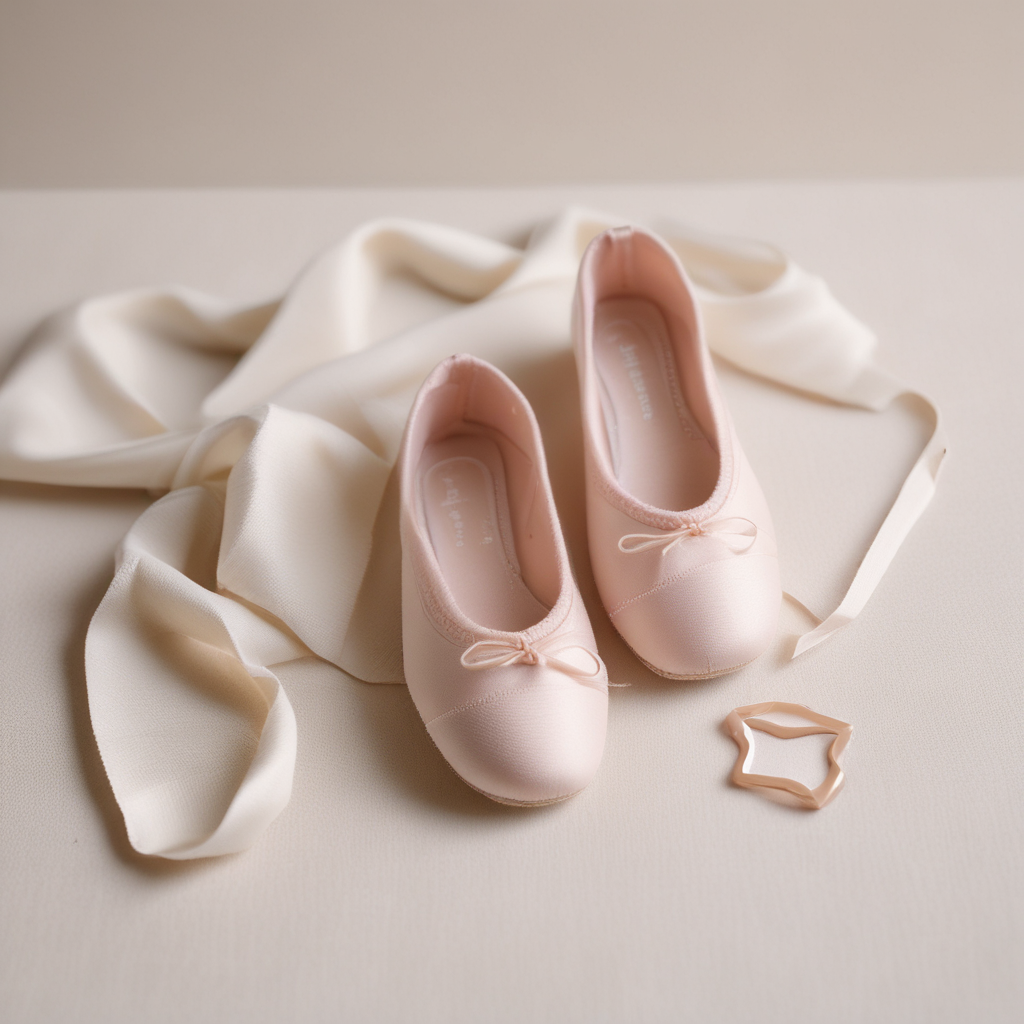
Ballet toe pads silicone gel pad beside pink canvas ballet shoes on cream linen

Ballet toe pads are small cushioning inserts worn inside ballet shoes to protect the toes from friction and pressure. They are often recommended for students who are approaching or beginning pointe work, but some dancers also use lightweight padding in flat ballet shoes when doing extensive demi-pointe or relevé work.

What Do Toe Pads Actually Do?

When a dancer rises to demi-pointe in flat shoes, or goes en pointe in pointe shoes, the toes bear a significant amount of weight and experience friction against the shoe. Toe pads create a soft barrier between the skin and the shoe material, reducing blistering and protecting the bony tips of the toes. They also help manage moisture — many toe pads are made from silicone gel or moisture-wicking fabric that reduces the sweating that contributes to blisters.

Types of Toe Pads

Silicone gel toe pads: The most common type for pointe work. Silicone moulds to the shape of the toes, distributes pressure evenly, and is washable and reusable. They come in full-toe versions covering all five toes, and individual toe covers targeting specific areas.

Foam toe pads: Lighter and thinner than silicone, preferred by advanced dancers who want minimal padding. They compress over time and need replacing more frequently.

Fabric toe pads: Made from cotton or terry fabric, the most breathable option and suitable for pre-pointe and demi-pointe work in flat shoes.

Do Children Need Toe Pads in Flat Ballet Shoes?

Most young children doing RAD grades one through five do not need toe pads for standard classes. Flat canvas ballet shoes are soft enough that blistering is not usually a problem. However, if a child develops a sore spot at the tip of the big toe from frequent relevé work, a thin fabric or silicone toe cap can help while the skin toughens.

When Does Pointe Work Begin?

Most RAD teachers begin pointe work from around eleven to thirteen years old. Our guide on when ballet students start pointe work covers the assessment criteria in detail. Once a student begins pointe work, toe pads become standard equipment.

How to Choose the Right Toe Pad

  • Stage of training: Pre-pointe students need lighter padding than students in pointe shoes.
  • Toe shape: Dancers with a longer second toe may need individual toe caps rather than a full pad.
  • Shoe fit: Toe pads take up space inside the shoe. Try the pad in the shoe before buying in bulk.
  • Sweat levels: Silicone can feel warm. If your dancer has warm feet, try a fabric option first.

Caring for Toe Pads

Silicone gel pads should be washed after every use in cool soapy water and air dried. Fabric pads can be machine washed on a gentle cycle in a laundry bag. Replace pads when they lose their shape, develop tears, or no longer provide cushioning.

Posted on

How to Pack a Ballet Bag: Age-by-Age Checklist

Open pink ballet tote bag surrounded by class kit items on cream linen

Packing a ballet bag seems straightforward — shoes and tights, right? But as students move through the grades, the kit they need expands significantly. Getting into a good packing routine early makes class days calmer for everyone. Here’s a practical age-by-age guide to exactly what should be in your child’s ballet bag.

Ages 3–5: Pre-Primary and Primary (The Essentials Only)

For the youngest students, keep the bag simple. At this age, children don’t need much:

  • Ballet leotard (in the correct grade color)
  • Pink tights
  • Canvas ballet shoes
  • Water bottle
  • A small snack for after class (optional)
  • Hair accessories (elastic bands, kirby grips, small hair net)

Younger children often change at the studio, so pack their class clothes separately in a way that’s easy to get on and off. A small tote bag is usually enough at this stage.

Ages 6–9: Grades 1–4 (Growing Needs)

By this age, students are attending class more regularly and may have homework exercises to practice at home:

  • Grade leotard and pink tights
  • Canvas ballet shoes
  • Elastic belt in correct color
  • Spare pair of tights (holes happen)
  • Water bottle
  • Small snack
  • Hair kit: elastic bands, kirby grips, bun builder, hairnet, hairspray
  • Class notebook (some teachers give written notes on exercises)
  • Any props needed for that term (pom-poms, ribbons, tambourine — check the teacher’s list)

Ages 10–13: Grades 5–8 (Senior Grade Kit)

Older students are attending more frequently and the physical demands of class are higher:

  • Grade leotard and pink tights
  • Canvas or leather ballet shoes
  • Warm-up layers: wrap cardigan or ballet warm-up booties, leg warmers for pre-class
  • Elastic belt if still required
  • Spare tights
  • Water bottle and a substantial snack or small meal if classes are back-to-back
  • Full hair kit
  • Foot care: small tube of vaseline or barrier cream for blisters; plasters in toe sizes
  • Any accessories for current syllabus

Ages 12+: Pre-Pointe and Pointe Students

Students working toward or on pointe need a more comprehensive kit:

  • All of the above
  • Pointe shoes (in addition to flat ballet shoes for the non-pointe part of class)
  • Toe pads or ouch pouches
  • Ribbon and elastic sewing kit (needles, thread, spare ribbons)
  • Pointe shoe glue for emergency repairs
  • Pre-pointe resistance band for warm-up exercises

Bag Organization Tips

  • Label everything — ballet shoes, water bottles, and tights all look alike in a lost property box
  • Keep a small zip pouch for hair accessories so they don’t scatter throughout the bag
  • Repack the bag right after class while you remember what was used — don’t leave it until the next class day
  • Let older students pack their own bag from the checklist — it builds responsibility and means fewer “I forgot my belt” moments

Frequently Asked Questions

What size ballet bag do I need?

For younger students (Pre-Primary to Grade 3), a small tote bag works well. By Grade 4 and above, a medium backpack or duffel is more practical, especially if the student is changing at the studio and carrying warm-up clothes. By pointe level, a larger bag is usually necessary.

Should I pack spare ballet shoes?

Not necessary for most students. A well-fitting pair of shoes in good condition rarely has an emergency. However, if your child’s shoes are near the end of their life, it’s worth having the new pair ready in the bag before the old ones fall apart mid-class.

Can my daughter carry her own ballet bag?

Yes, and it’s a good idea to encourage this from Grade 2 or 3 onward. Taking ownership of their ballet kit teaches responsibility and is practical if they stay after school for a class.

Posted on

Ballet Birthday Party: What to Wear and What to Buy as a Gift

Ballet birthday party outfit with pink leotard chiffon skirt and accessories on cream linen

Ballet-themed birthday parties are a perennial favorite for young dancers — and for children who haven’t started ballet but are enchanted by the idea. Whether you’re hosting a party or buying a gift for a young dancer, this guide covers the best outfit options and the most thoughtful, practical gift ideas.

What to Wear to a Ballet Birthday Party

The dress code for a ballet-themed party depends on whether it’s an activity party (with actual dancing) or a themed celebration (with decorations, a cake, and costumes).

For an Activity Ballet Party (with dancing)

If the birthday party includes a real ballet class or dance session:

  • Pink or white leotard — a simple leotard looks great and allows movement
  • Pink or white ballet tights
  • Ballet shoes or jazz flats (studio floors vary — check with the host what’s appropriate)
  • Tutu skirt — a practice tutu or soft tulle skirt adds to the occasion without getting in the way
  • Hair in a bun or ponytail

Avoid loose hair, dangly jewelry, and anything with hard buckles or embellishments that could catch in fabric or scratch other children.

For a Themed Celebration Party (no dancing)

If it’s a themed party without actual dance activity, the outfit can be more elaborate:

  • Full tutu costume with sparkle leotard — perfect for a princess-ballet theme
  • Floral crown or tiara
  • Ballet-style flats rather than actual ballet shoes (which are designed for studio floors)

Best Ballet Gift Ideas for Young Dancers

Giving a ballet gift to a child who attends ballet classes requires some thought — the wrong size leotard or incorrect grade color isn’t helpful. Here are the safest, most appreciated gifts:

Gifts That Are Always the Right Size

  • Ballet bag — every dancer needs one, and a beautiful tote or backpack is a great gift at any size
  • Ballet hair kit — a bun kit with pins, nets, and a bun builder always comes in useful
  • Gift voucher from a dancewear brand — lets the family choose the right size and color
  • Ballet accessories — hairpins, decorative hair accessories for shows, and character skirts are usually size-free or easy to size

Gifts for the Specific Dancer

If you know the child’s grade and school:

  • A replacement leotard in the correct grade color (ask the parent for the size and shade first)
  • Fresh tights — always useful and always runs out
  • RAD syllabus book for their current grade (check with parent if the school uses these)

Gifts for a Child Starting Ballet Soon

  • A new ballet student starter kit — leotard, tights, ballet shoes, and a bag
  • A ballet storybook or illustrated dance book for younger children
  • A ticket to a ballet performance — seeing real professional ballet is inspiring at any age

Party Favor Ideas with a Ballet Theme

If you’re hosting the party, ballet-themed party favors work well for all guests:

  • Small tulle bags with hair pins and a lip balm
  • Mini bun kits (a small net, two pins, and a clear elastic in a small bag)
  • Ballet sticker sheets
  • Personalized pencils with a ballet design

Frequently Asked Questions

My daughter is turning 7 and wants a ballet party but doesn’t do ballet. Can she still wear a tutu?

Absolutely. Ballet-themed parties don’t require actual ballet training. A soft tutu skirt over a leotard or a sparkly leotard with a tulle skirt is the classic look and works perfectly for a themed party.

What’s the most practical ballet gift for a child I don’t know well?

A gift voucher from a reputable dancewear brand is the safest option. It avoids the leotard size and grade color problem entirely, and parents will genuinely use it for something they need.

Is it okay to give a ballet gift to a child who doesn’t do ballet?

Yes — many children who don’t formally study ballet love the aesthetic. A beautiful tutu skirt, ballet-themed stationery, or a ticket to a ballet performance makes a lovely gift for any child who loves dance.

Posted on

Ballet Warm-Up Booties: What They Are and When to Wear Them

Ballet Warm-Up Booties: What They Are and When to Wear Them

Short answer: What Are Ballet Warm-Up Booties? Warm-up booties — also called dance booties, pointe shoe warmers, or ballet booties — are padded, insulated foot coverings worn over ballet shoes or bare feet…

What Are Ballet Warm-Up Booties?

Warm-up booties — also called dance booties, pointe shoe warmers, or ballet booties — are padded, insulated foot coverings worn over ballet shoes or bare feet during the warm-up portion of class. They keep the feet and ankles warm, promoting blood flow and reducing the risk of strains, particularly in cold studios or winter months.

What Do They Look Like?

Warm-up booties typically resemble a low, soft boot or thick sock and are made from suede, velvet, or knit fabric. Some are designed to slip over pointe shoes or soft shoes; others go over bare or socked feet. They are usually available in ballet pink, black, or neutral tones.

Why Do Dancers Wear Them?

Cold muscles are more susceptible to injury. In ballet, where precise footwork, turnout, and jumping are demanded from the first combination, properly warmed feet and ankles are essential. Warm-up booties:

  • Trap heat around the foot and ankle during standing barre work
  • Reduce the risk of plantar fasciitis, tendon strains, and muscle tears
  • Are particularly valuable for pointe students whose feet undergo significant stress
  • Keep feet comfortable during standing rehearsal breaks and slow adagio passages

When Should They Be Worn?

  • At the barre during the warm-up portion of class, particularly in colder months
  • In the waiting area before class begins
  • During standing rehearsal breaks between active sections

Booties are removed once the dancer is fully warm — usually after the barre section — and before any jumps, turns, or travelling work. Dancing in warm-up booties during allegro or centre work is not recommended as they reduce floor feel.

Are Booties the Same as Leg Warmers?

No. Leg warmers cover the lower leg and ankle but leave the foot exposed. Warm-up booties cover the foot itself. Many dancers use both together — leg warmers for the calf and ankle, booties for the foot — for complete coverage during the barre warm-up.

Frequently Asked Questions

What are ballet warm-up booties?

Ballet warm-up booties are padded, insulated foot coverings worn over ballet shoes or bare feet during the warm-up section of class to keep the feet and ankles warm and reduce injury risk.

When do you remove warm-up booties?

Remove them once fully warm — typically after the barre section and before centre work, where freedom of movement and floor feel are essential.

Can warm-up booties be worn over pointe shoes?

Yes. Some booties are designed specifically to fit over pointe shoes, protecting the box and keeping the feet warm before pointe work begins.

Are warm-up booties the same as leg warmers?

No. Leg warmers cover the calf and ankle; warm-up booties cover the foot. Many dancers use both together for complete coverage during barre warm-up.