
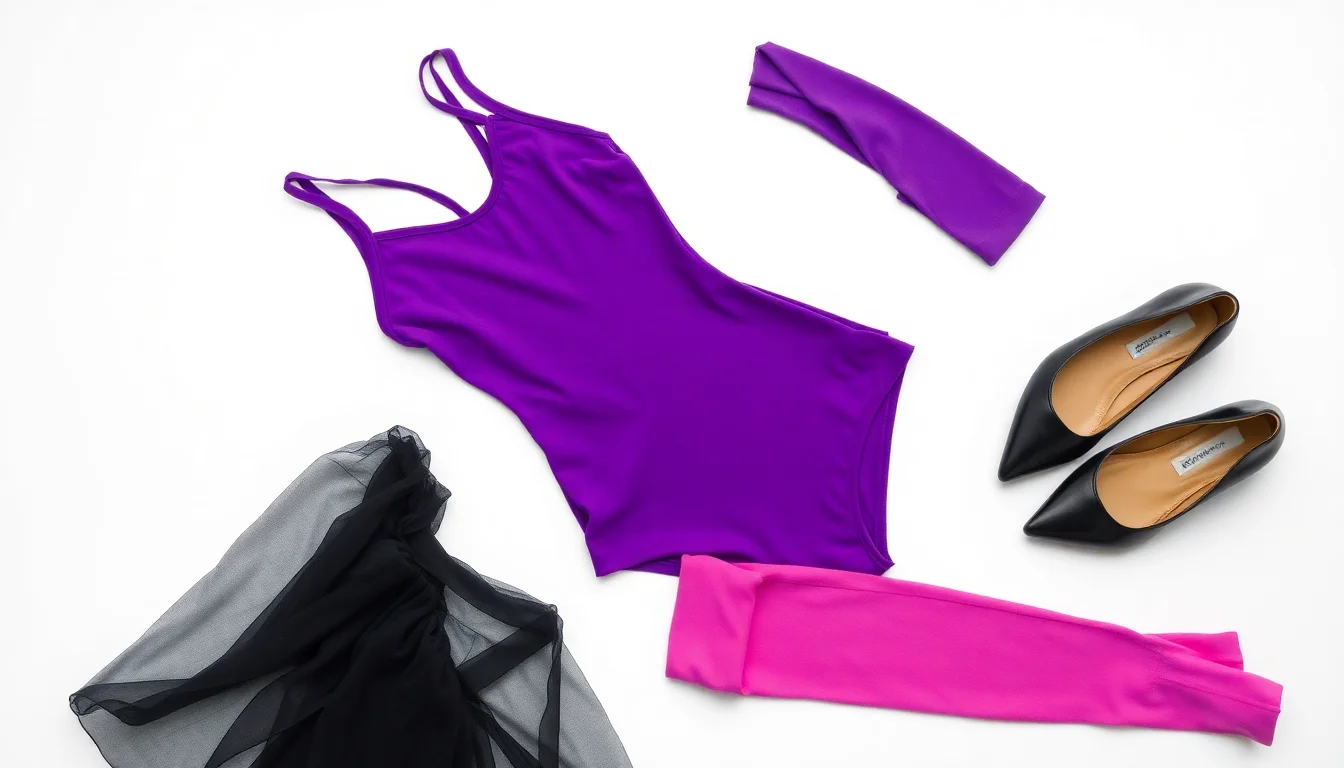
RAD Grades 3, 4 and 5 represent the middle stage of the graded syllabus, where technique becomes more demanding and the uniform reflects this increased seriousness. Cuban heel character shoes are introduced, leotard colours often change at each grade, and the overall presentation expected for examinations becomes more precise. Students at this level are typically aged between ten and fourteen.
Short answer: RAD Grades 3, 4 and 5 represent the middle stage of the graded syllabus, where technique becomes more demanding and the uniform reflects this increased seriousness.
Leotard colours for Grades 3, 4 and 5
Leotard colours vary between dance schools at these grades. A commonly used progression assigns a distinct colour to each grade, but there is no single RAD-mandated colour scheme for these levels. Each school develops its own colour progression across the grades to allow teachers and examiners to quickly identify a student’s level. Always confirm the correct colour for your specific school before purchasing. If you are moving between schools or returning after a break, the new school’s colour may differ from your previous one.
Cuban heels at Grade 3
One of the most significant uniform changes at Grade 3 is the introduction of Cuban heel character shoes. Cuban heels are higher and more defined than the low, flat heels worn at Grades 1–2, typically five to six centimetres in height. This heel is required for character dance sections because it affects posture and the style of step patterns in the syllabus. Character shoes with Cuban heels should fit snugly around the heel and instep, with the toe box roomy enough for the toes to lie flat.
Ballet shoes at Grades 3–5
Split sole ballet shoes become more common from Grade 3 onward, as students have developed enough foot strength to use the increased flexibility appropriately. However, the transition from full sole to split sole is the teacher’s decision and should not be made independently. If your teacher has not specified split soles, continue with the style currently in use.
What else changes at Grades 4 and 5?
By Grades 4 and 5, the examination work includes more extended sequences, more complex port de bras and a higher standard of overall presentation. Hair must be immaculate — a firm, smooth bun with no loose strands — and the uniform must be complete and tidy. Tights should be free of ladders on exam day. At this level, judges are assessing artistry and presentation as well as technique, so the overall picture matters. Some schools introduce a different character skirt length or style at Grades 4–5 — check the school’s uniform guide as students progress through each grade.
Shop from Zoe Dancewear
Frequently Asked Questions
When does the character shoe heel height increase in RAD exams?
Cuban heel character shoes are typically introduced at Grade 3 or 4, replacing the lower kitten heel used in earlier grades. The exact grade depends on the school and the specific RAD syllabus guidance in use. Confirm with your teacher.
What is the leotard color at RAD Grade 3?
Grade 3 often introduces a different color from Grade 1 and 2 — commonly a turquoise, teal or similar — but this varies by school. The RAD syllabus specifies the color, and the school may choose a specific shade within that. Ask your teacher before buying.
Do Grade 3 to 5 students need a skirt for non-character work?
For the ballet portions of class and exams, most schools use a chiffon wrap skirt over the leotard. For character sections, the black character skirt replaces the chiffon wrap. Your teacher's grade-specific list will clarify which is required when.