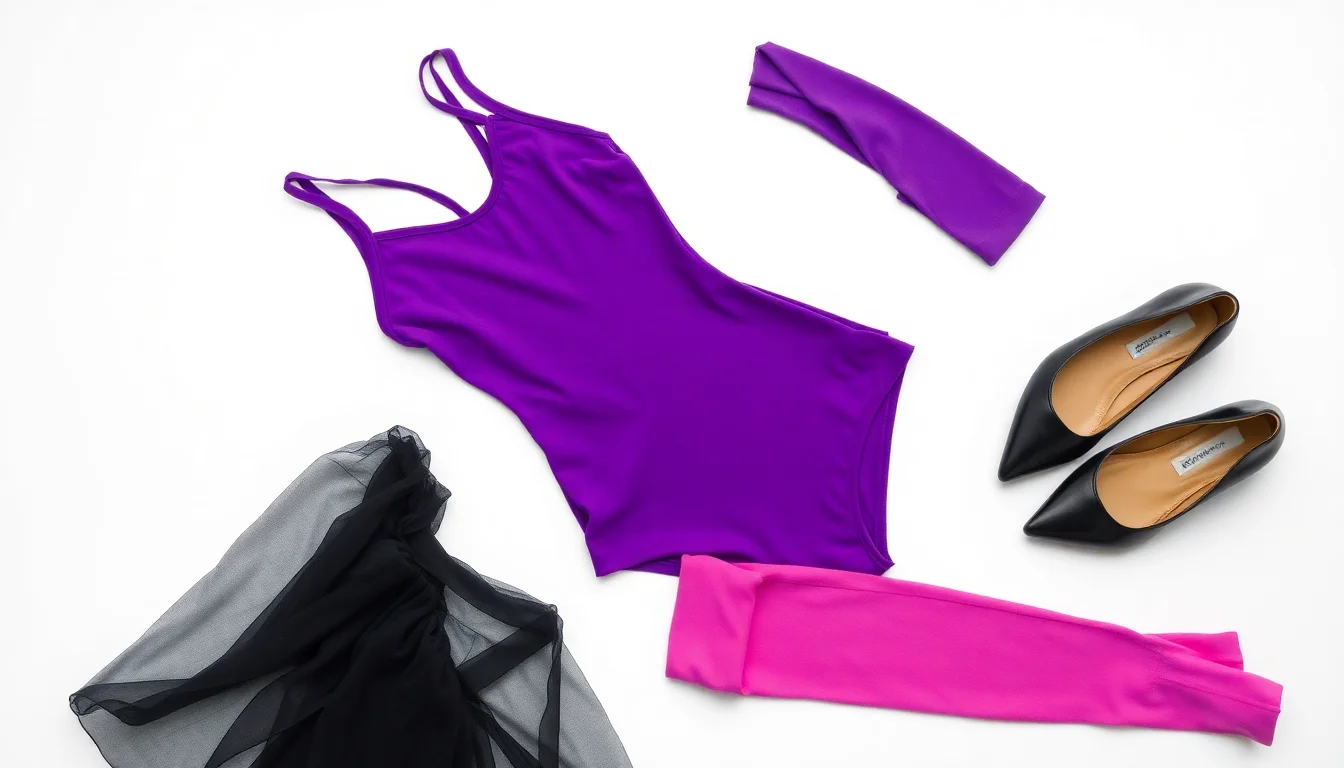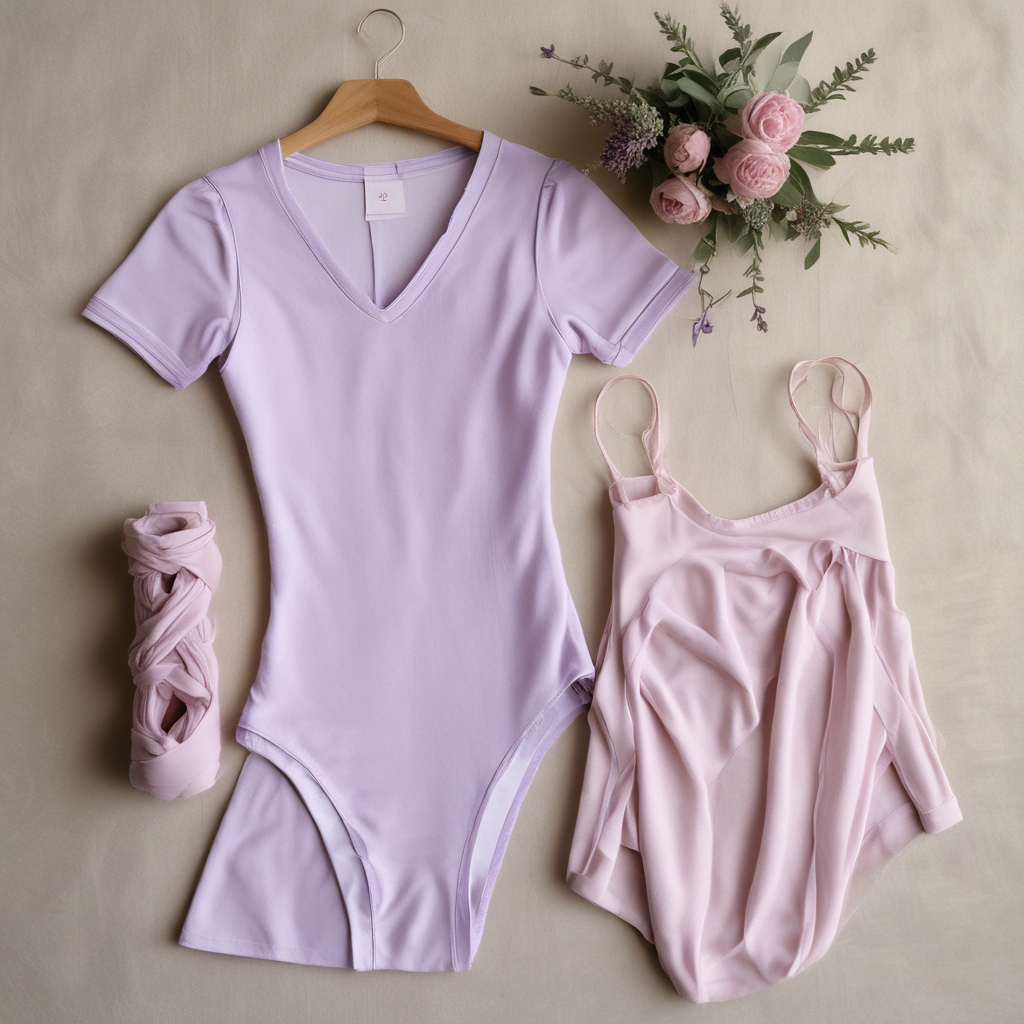
The transition from blue to lilac marks a significant step in a young dancer’s RAD journey. Lilac leotards are typically introduced at Grade 4 or Grade 5, depending on the school, and they carry a more mature, elegant feel than the candy pinks and pale blues of earlier grades. If your child has recently been promoted to Grade 4 or 5 and you’re trying to find the right lilac leotard, this guide covers everything you need to know.
Which RAD Grades Wear Lilac?
In standard RAD uniform practice, lilac is assigned to Grade 4 and Grade 5. Some schools use the same shade for both grades; others make a subtle distinction. The shift to lilac signals the transition into the intermediate tier of RAD training, where technique becomes more demanding and performance quality is assessed more rigorously in examinations.
If you’re unsure whether your child’s school uses lilac for Grade 4 or Grade 5 specifically, ask the teacher. Individual schools may also use pale lavender or soft purple in this range, so always confirm the exact shade.
What Shade of Lilac Is Correct?
The RAD-approved lilac is a soft, medium-toned purple-pink — not gray-lavender, not dusty mauve, and not deep purple. It reads as a gentle lilac in natural light, similar to the color of lilac flowers. Shade names vary by brand: “lilac,” “soft lilac,” “ballet lilac,” and “pale violet” are all terms used for approximately the same color.
The best approach is to compare swatches in person before purchasing, or to buy from a brand already used by other families at the same school so you can check side by side.
Style Requirements for Grade 4 and 5 Leotards
By Grade 4, most RAD schools expect a more streamlined leotard style — typically a camisole or low-back leotard rather than the short-sleeved styles worn in lower grades. The transition away from sleeves reflects the increased focus on port de bras (arm movement) and line assessment at exam level. A sleeveless or camisole cut allows teachers to observe shoulder placement and upper body alignment more easily.
Some schools also ask for a specific back style, so check the school’s written uniform policy before purchasing.
What to Pair with a Lilac Leotard
The standard pairing for a lilac leotard is:
- Pink ballet tights — standard ballet pink footed or convertible tights remain correct across all RAD grades unless otherwise specified
- Pink canvas or leather ballet shoes — tied neatly with an elastic or ribbon depending on school preference
- Elastic belt — in pink or white, still required at Grade 4–5 in most RAD schools
- Hair in a bun — securely pinned, with no loose strands
Buying the Right Lilac Leotard: What to Look For
When shopping for a Grade 4 or 5 leotard, look for these features:
- Fabric: nylon-lycra or polyester-spandex for shape retention and easy washing
- Gusset: a lined gusset is important for comfort in class, especially at this more active training level
- Sizing: dancewear runs small — measure your child’s chest, waist, and height against the size chart and size up if between sizes
- Shade: compare to the school’s sample before purchasing online if possible
Frequently Asked Questions
Is lilac the same as lavender for ballet leotards?
They’re very similar but not identical. Lavender tends to be a softer, grayer tone, while lilac is a slightly warmer, more pink-purple. For RAD purposes, both terms are often used interchangeably. Check your school’s swatch to confirm.
My child is starting Grade 4 in September. When should I buy the new leotard?
Buy it 2–3 weeks before term starts so you have time to exchange if the size or shade isn’t right. Don’t wait until the week before — dancewear sizes sell out quickly at the start of term.
Can my daughter wear her old blue leotard until the lilac one arrives?
Most teachers are understanding for the first week or two of a new grade. Communicate with the school in advance and they’ll usually give a short grace period.
Shop at ZoeDancewear
- RAD Grade Leotards — shop by grade color including lilac for Grades 4 and 5
- Pink Footed Ballet Tights — the standard tights pairing for all RAD grades
- RAD Grade 3, 4 and 5 Uniform Guide — what changes and what stays the same