Posted on

Baby Blue Ballet Leotard: Which RAD Grades Wear Blue Uniform?

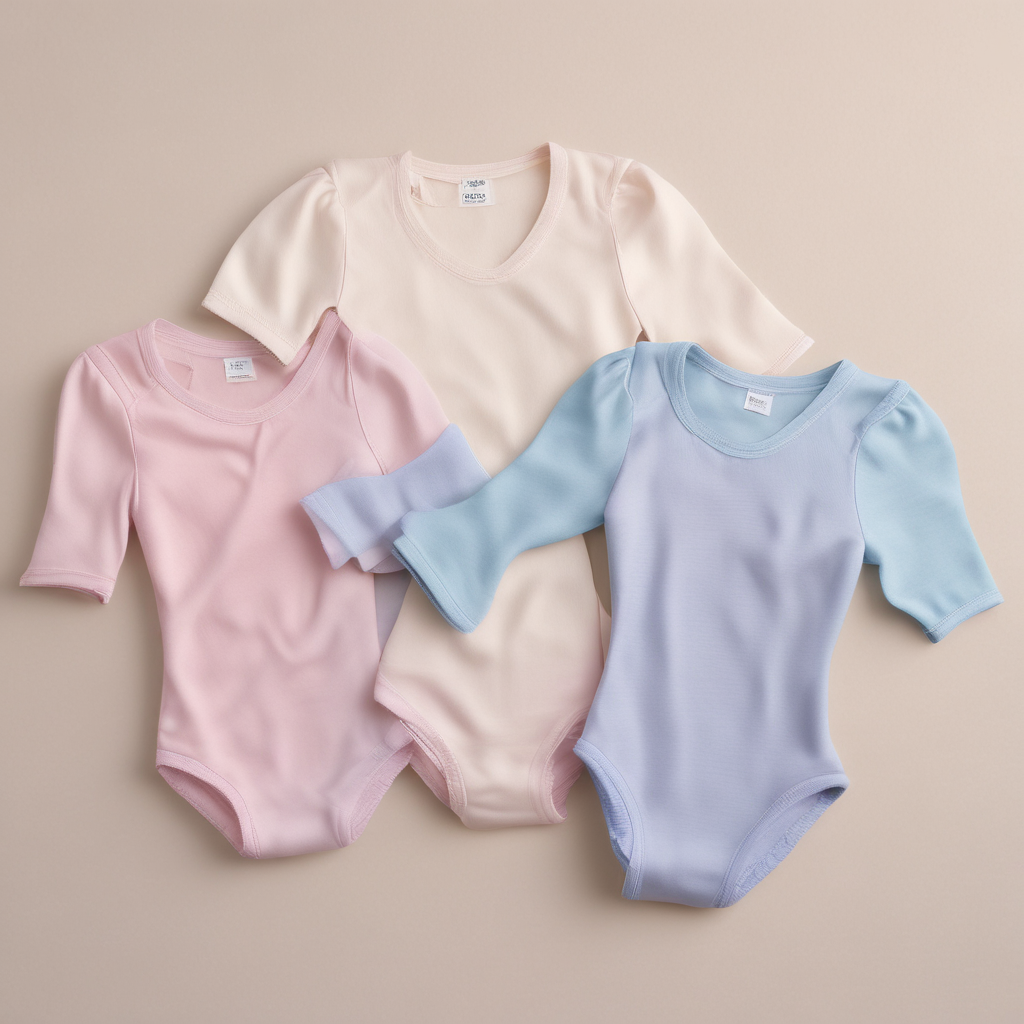
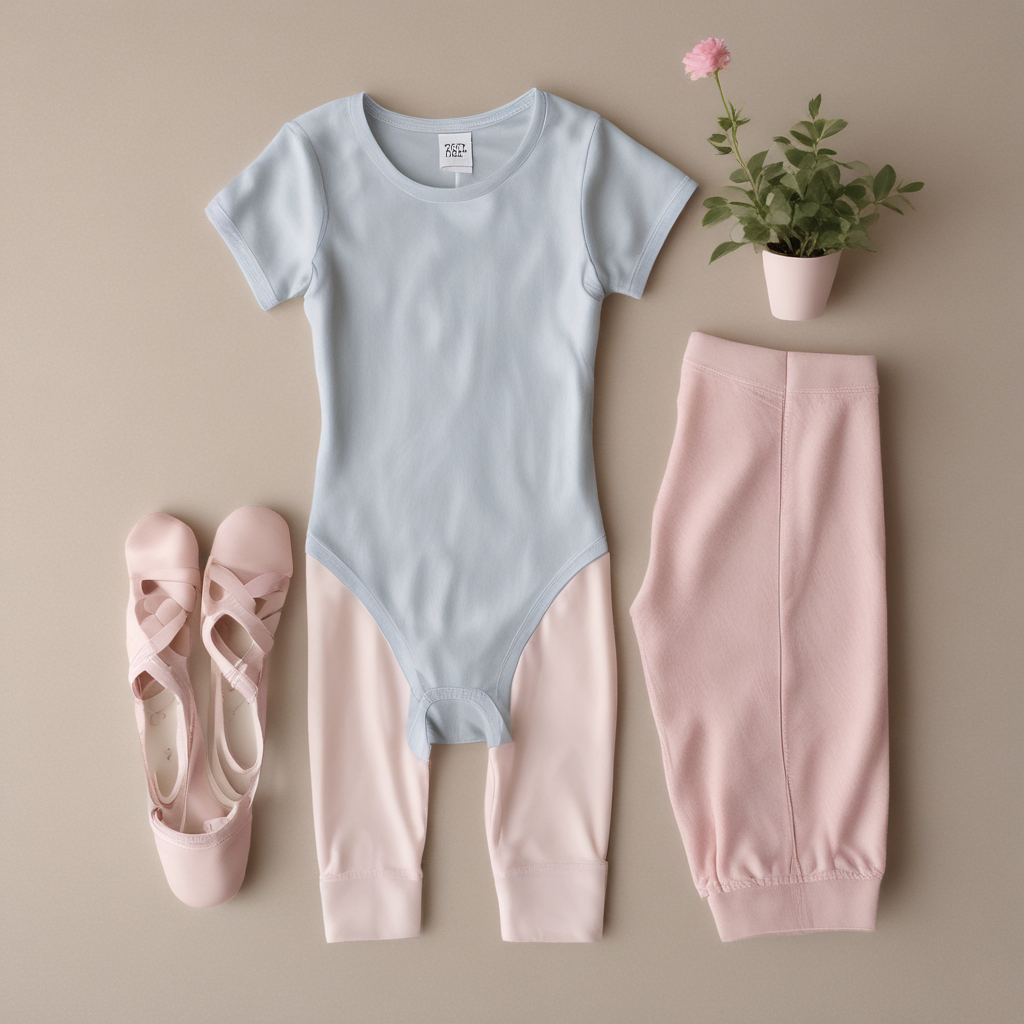
Baby blue RAD ballet leotard with pink tights and shoes for early grades on cream linen

Baby blue and pale blue ballet leotards appear across the RAD syllabus at several grade levels, making blue one of the most frequently requested uniform colours for young ballet students. If your child has just been told they need a blue leotard, here is exactly what you need to know.

Which RAD Grades Wear Blue?

The RAD colour coding system assigns specific leotard colours to grade levels to help teachers immediately identify a student’s stage of training. Blue shades — ranging from pale sky blue to baby blue — are used at the early grades of the Primary and Grade 1 syllabus in many UK and international RAD-affiliated schools.

However, it is important to note that while the RAD provides guidance on uniform, individual dance schools often apply their own specific shade preferences or may use blue at a slightly different grade than the national standard. Always check your child’s specific school uniform policy first. The school’s policy is the definitive reference, not a general grade chart.

What Shade of Blue Is Correct?

RAD uniform guidance refers to a soft, pale blue rather than a bright or navy blue. The correct shade is sometimes described as cornflower blue, sky blue, baby blue or powder blue depending on the school and era of their uniform policy. If the school has a preferred supplier, buying directly from that supplier is the surest way to match the exact shade.

If buying from a general dancewear retailer, bring a sample of the existing uniform or ask the school office for a colour reference before purchasing online. Shades that look similar on screen can differ significantly under studio lighting.

What Goes With a Blue Leotard?

In RAD uniform, the leotard is typically worn with:

  • Pink footed ballet tights (the standard for most RAD grades from Pre-Primary through Grade 5)
  • A pink chiffon wrap skirt at certain grade levels (confirm whether the school requires a skirt at this stage)
  • Soft pink canvas ballet shoes
  • Hair in a neat bun with a matching or neutral hair accessory

The contrast of baby blue with pink tights and shoes is the classic RAD junior uniform appearance and is immediately recognisable in any RAD dance school setting.

Blue Leotard Styles for Ballet

For RAD class use, the leotard style is typically a short-sleeve or capped-sleeve design with a round or scoop neckline. Cap sleeve and short sleeve styles are the most common for younger students because they give freedom of arm movement while maintaining a tidy, covered appearance. Sleeveless styles may be permitted at higher grades — confirm with the school.

The leotard should be in a smooth nylon-elastane fabric rather than cotton for class use. See our guide on cotton vs nylon ballet leotard fabrics for why nylon performs better in an active class setting.

Boys in Blue?

Male RAD students at early grade levels typically follow a different uniform — usually a white fitted top and black shorts or tights rather than a coloured leotard. If you have a son in RAD ballet, check his school’s specific boys’ uniform policy. Our guide on boys’ ballet class outfits covers the male uniform in detail.
Posted on

Ballet Leotard Colors by RAD Grade: A Complete Visual Guide

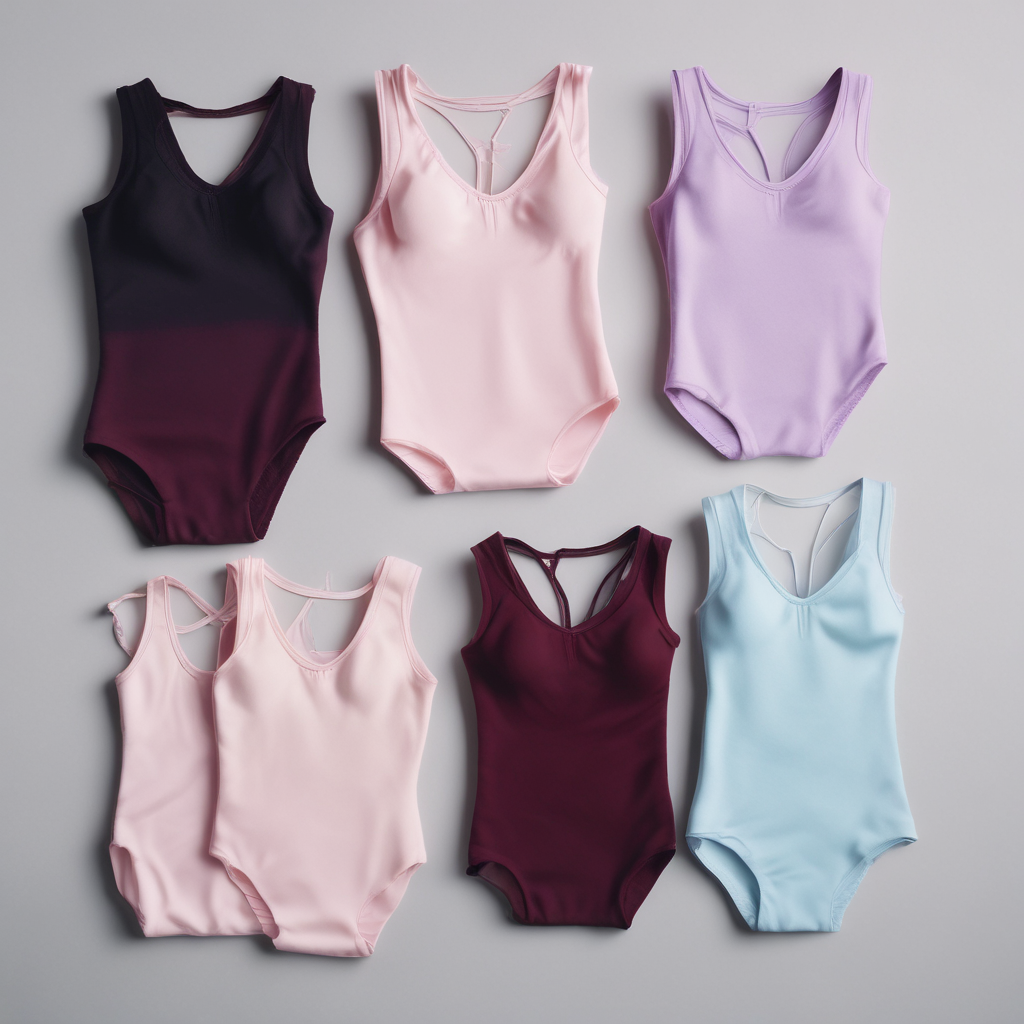
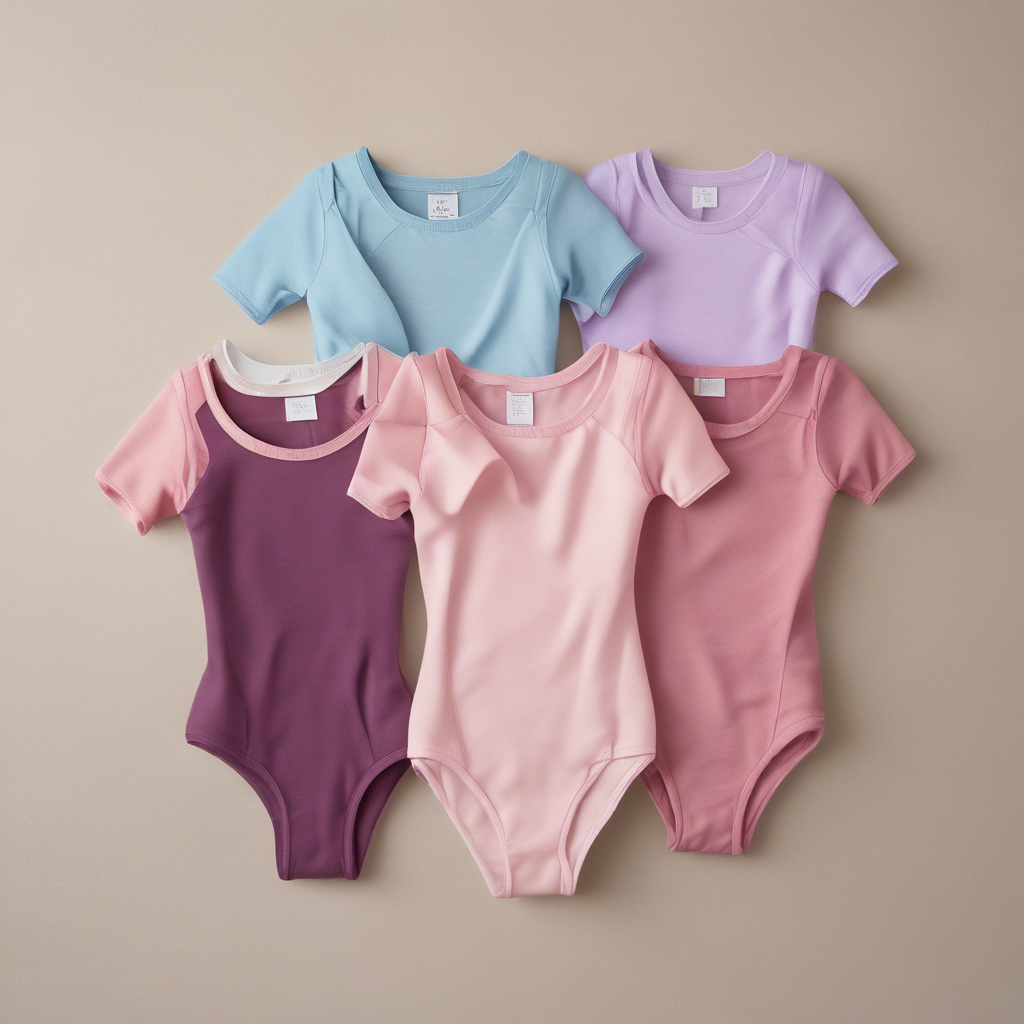
Row of RAD grade ballet leotards in grade colors from pink to purple on cream linen

One of the most searched questions among ballet parents is: “What color leotard does my child need?” The answer depends entirely on which grade they’re in and which exam board their school uses. For Royal Academy of Dance (RAD) schools, here is a complete grade-by-grade color guide — from the very first Pre-Primary class all the way through to the Vocational level.

RAD Ballet Leotard Colors by Grade

The RAD color system is designed so that every grade has a distinct color, making it easy for teachers to identify students at a glance. Here is the standard color progression:

  • Pre-Primary: Candy pink (bright ballet pink) — usually short-sleeved
  • Primary: Candy pink or pale pink — style may change from Pre-Primary
  • Grade 1: Pale blue or ice blue — the first “non-pink” grade at many schools
  • Grade 2: Pale or airforce blue
  • Grade 3: Blue — slightly deeper than Grade 2 at some schools; lilac at others
  • Grade 4: Lilac
  • Grade 5: Lilac or pale purple (varies by school)
  • Grade 6: Purple or deep lilac
  • Grade 7: Purple or burgundy
  • Grade 8: Burgundy or deep purple
  • Intermediate Foundation / Intermediate: Black or dark navy camisole leotard
  • Advanced Foundation and above: Black — typically more formal styles

Note: These are common RAD patterns, not a single mandated universal system. Individual schools may vary shades by one grade, and some have school-specific colors. Always confirm with your school’s written uniform policy.

Why the Colors Change Through the Grades

The progression from pale pink through lilac, purple, and eventually black mirrors the dancer’s journey from beginner to advanced student. Each color shift marks a new level of expectation — technically, physically, and in terms of discipline and presentation. For students, wearing the right color is a badge of their current achievement and a visible signal of their grade to teachers and peers.

What to Do When the Colors Look Similar

Some grade transitions involve shades that look very similar — particularly in the lilac-to-purple range. If you’re buying online and can’t compare the shade in person:

  • Ask the school if they have a color swatch or can name a specific shade
  • Check if the school recommends a specific brand — other parents in the grade can often tell you what worked
  • When buying from a new brand, look for fabric sample swatches or order from a retailer with a free returns policy

Boys’ Leotard Colors in RAD

For male students, the RAD uniform is different. Boys typically wear a white or black fitted top or t-shirt rather than a leotard, with either dance shorts or black tights. The grade color system is primarily applied to girls’ leotards. Boys’ uniform varies significantly by school, so ask the teacher directly for guidance.

What Changes Other Than Color?

As students progress through the grades, the leotard style also evolves. Lower grades (Pre-Primary through Grade 3) often wear short-sleeved leotards; higher grades transition to camisole or sleeveless styles that allow better visibility of arm line and back positioning. Some grades also move from crossover or gathered-waist styles to plain, undecorated leotards.

Frequently Asked Questions

My child was recently promoted. Does she need the new color right away?

Most schools allow a grace period of 2–3 weeks after a grade promotion to source the new uniform. Communicate with the teacher so they know you’re working on it.

Can my daughter keep wearing her old color in class while we wait for the new leotard?

For a week or two, yes — most teachers understand. Beyond that, wearing the wrong grade color can cause confusion in class and occasionally affects morale (the student herself usually wants to wear the right color).

My school says “lilac” but the leotards I’m finding online look purple. Are they the same?

Not exactly. Lilac is a lighter, softer purple-pink; purple is deeper and more saturated. If you’re unsure, ask the school to confirm the shade name they use or whether they can show you a physical sample.

Posted on

What Is RAD Ballet? A Parent’s Introduction to the Royal Academy of Dance

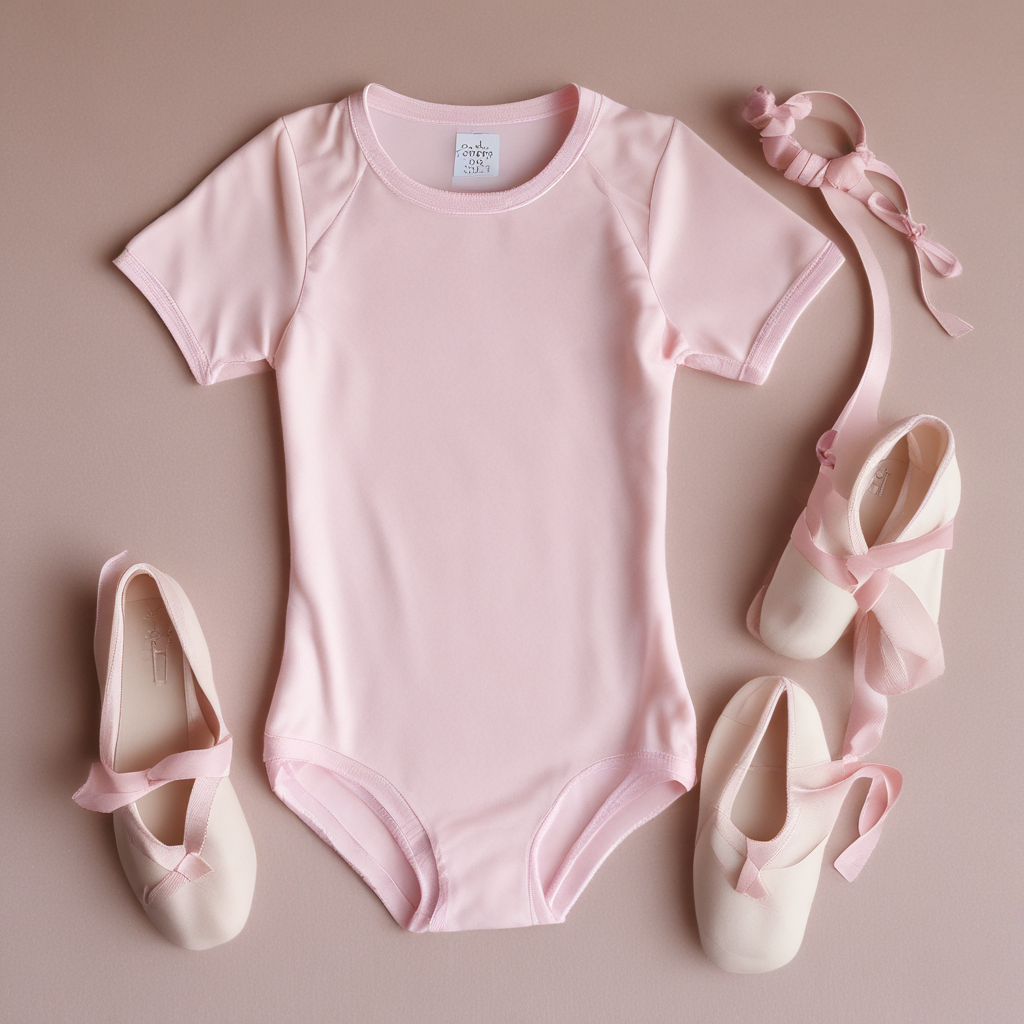
Classic RAD ballet uniform items including pink leotard tights and shoes on cream linen

When your child starts ballet classes, you’ll likely hear the term “RAD” used frequently — by the school, in uniform guides, and on examination certificates. But what exactly is the RAD, and what does it mean for your child’s ballet training? This guide explains everything parents need to know about the Royal Academy of Dance.

What Does RAD Stand For?

RAD stands for the Royal Academy of Dance. It is an international dance education organization headquartered in London, UK. Founded in 1920 and granted a Royal Charter in 1936, the RAD is one of the world’s leading providers of ballet teacher training and graded ballet examinations.

The RAD develops and maintains a ballet syllabus used by thousands of dance schools in over 79 countries. When a school is “RAD-affiliated,” it means the teachers are trained in the RAD method and students are assessed using the RAD grading system.

The RAD Grading System: From Pre-Primary to Advanced

The RAD divides ballet training into two main tiers:

Graded Examinations (typically ages 3–16+):

  • Pre-Primary in Dance
  • Primary in Dance
  • Grade 1 through Grade 8

Vocational Graded Examinations (more advanced students, typically 11+):

  • Intermediate Foundation
  • Intermediate
  • Advanced Foundation
  • Advanced 1
  • Advanced 2

Students typically progress through one to two grades per year, depending on class frequency and individual development. Not every student takes examinations — some schools focus on class work without formal assessment, and that’s valid too.

What Happens in an RAD Ballet Exam?

RAD examinations are conducted by an external examiner sent by the RAD. Students perform set exercises and dances from the syllabus, which they’ve been preparing in class over the year. The examiner awards marks and provides feedback. Exams typically take 20–45 minutes depending on the grade and are done in small groups.

Students receive a grade: Merit, Distinction, Pass, or — rarely — not-yet-achieved. Most students who are entered for exams achieve at least a Pass, because teachers only enter students they feel are ready.

What Makes RAD Different from Other Methods?

The two main ballet examination bodies in the UK are the RAD and the ISTD (Imperial Society of Teachers of Dancing). Both have respected syllabi, but the RAD is more widely recognized internationally — particularly relevant if your family moves countries or if your child aspires to a professional career. The RAD’s graded system is also more standardized across schools than some other methods.

Do All Ballet Schools Use RAD?

No. Many excellent schools use ISTD, BATD, or other curricula, or teach a non-examination-based approach. The quality of teaching matters more than the examining body. If you’re choosing a school, observe a class and meet the teacher rather than simply looking for an RAD affiliation.

What Does RAD Mean for the Uniform?

RAD schools follow a color-coded uniform system where each grade has a specific leotard color. This makes the uniform more structured than at some other schools. For a full breakdown of what your child needs at each grade, see our RAD Ballet Uniform Guide by Grade.

Frequently Asked Questions

Is RAD ballet better than other types of ballet training?

Not inherently — the quality of the individual teacher matters most. RAD is widely respected and internationally recognized, which has practical benefits, but excellent dancers have emerged from all major training systems.

Does my child have to take RAD exams?

No. Many students attend RAD schools without sitting formal examinations. The exams are optional, though most schools encourage them as they provide structured goals and professional feedback.

At what age can a child start RAD ballet?

Most RAD schools accept children from age 3 for Pre-Primary classes. Some schools have younger “baby ballet” or “Minis” classes that feed into the formal RAD system from age 3 or 4.

Is an RAD certificate recognized professionally?

RAD vocational grades (Intermediate and above) are recognized by arts organizations and professional schools. Graded examinations (Grade 1–8) are valuable for student motivation and teacher assessment but are not vocational qualifications in themselves.

Posted on

Ballet Uniform by Exam Board: RAD vs ISTD vs BATD Comparison

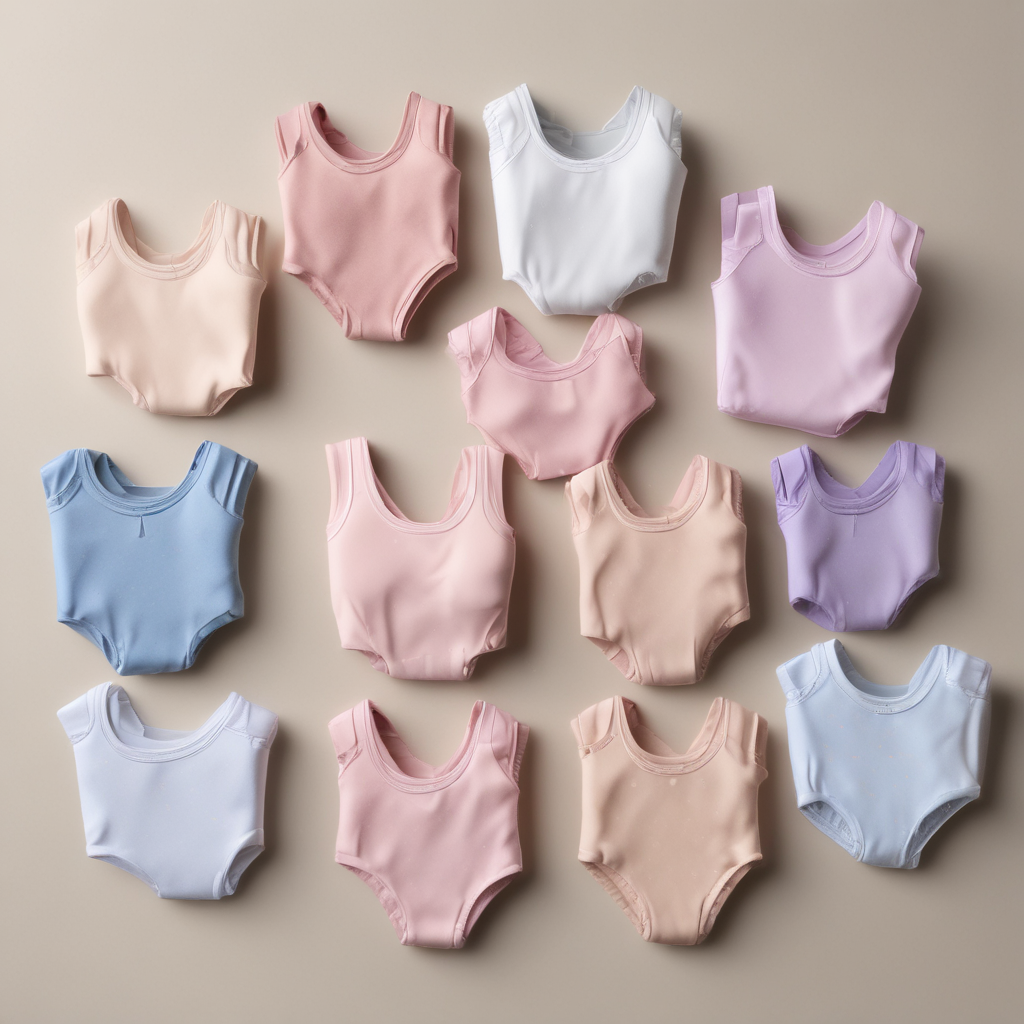
Ballet leotards in different exam board colors - pink, blue and lilac flat lay on cream linen

The three most common ballet examination boards in the UK and internationally — the Royal Academy of Dance (RAD), the Imperial Society of Teachers of Dancing (ISTD), and the British Association of Teachers of Dancing (BATD) — each have their own grading systems and, crucially, their own uniform requirements. If your child is starting at a new school, moving between schools, or you’re simply not sure which board your school uses, this guide explains the key uniform differences.

What Are Exam Boards and Why Do They Set Uniform Rules?

Ballet exam boards are independent organizations that set syllabi, train teachers, and conduct examinations across dance schools worldwide. Each board has its own method, aesthetic, and approach to classical ballet training. The uniform is part of this identity — it allows teachers to identify students by grade quickly and helps maintain a professional, distraction-free class environment.

Most dance schools affiliate with one primary exam board. Some schools offer multiple pathways, but this is less common.

RAD (Royal Academy of Dance) Uniform

RAD is one of the world’s largest ballet examination boards and is particularly widespread in the UK, Australia, and South Africa. The RAD color system is well-established:

  • Pre-Primary: Candy pink short-sleeve leotard, pink tights, canvas shoes
  • Primary: Candy or pale pink leotard, pink tights
  • Grade 1: Pale blue leotard (varies by school)
  • Grades 2–3: Blue or airforce blue leotard
  • Grades 4–5: Lilac leotard
  • Grades 6–8: Purple or burgundy leotard
  • Vocational: Black or dark leotard

All grades: pink footed or convertible tights, pink or skin-tone canvas or leather ballet shoes, elastic belt (in lower grades), neat bun.

ISTD (Imperial Society of Teachers of Dancing) Uniform

ISTD’s Classical Ballet syllabus has a different color progression than RAD. While the exact specifications are set at school level within ISTD guidelines, common patterns include:

  • Primary Ballet: typically a pale pink or white leotard
  • Grade 1–2: pale blue or white
  • Higher grades: colors vary significantly by school

ISTD schools have more flexibility in their specific uniform choices than RAD schools, which means more variation between different ISTD-affiliated studios. Always ask your specific school for their dress code rather than assuming from the board’s general guidance.

BATD (British Association of Teachers of Dancing) Uniform

BATD is smaller than RAD and ISTD but has a strong presence in certain regions. BATD schools typically specify:

  • Leotard colors that may differ from RAD’s system entirely
  • Pale or white leotards are more common in BATD’s classical ballet pathway in the early grades
  • Specific styles that align with the BATD aesthetic

As with ISTD, there is significant school-level variation. Ask the teacher or check the school handbook for the specific requirements.

What to Do When Switching Schools or Exam Boards

If your child moves from an RAD school to an ISTD or BATD school (or vice versa), their existing leotard will likely be the wrong color. The transition process:

  1. Get the new school’s written uniform policy before buying anything
  2. Ask about a grace period — most schools give 2–4 weeks for new students to obtain the correct uniform
  3. Don’t assume your existing dancewear is compatible even if the grade level is similar

Frequently Asked Questions

How do I find out which exam board my child’s school uses?

Ask the teacher or check the school’s website. The exam board is usually listed in the “About” section or in the registration materials. You can also look for logos on the studio wall or ask about upcoming examination dates and who conducts them.

My child’s school uses RAD but a friend’s uses ISTD. Can they share leotards?

Only if the colors happen to match the requirements at each school — which is unlikely. The color systems differ between boards and also between individual schools within a board, so sharing is usually not practical.

Does it matter which exam board a school uses?

Each board has a respected, well-developed syllabus. The right choice depends on the quality of the individual school and teacher rather than the board itself. RAD is the most internationally recognized, which can be helpful if you move countries frequently.

Posted on

How Ballet Grades Work: Pre-Primary to Grade 8 Explained for Parents

How ballet grades work – coloured RAD leotards by grade from Pre-Primary to Grade 8

If your child has just started ballet or is preparing to move into graded work, the RAD grading system can feel confusing at first. What is the difference between Pre-Primary and Primary? When does a child start working toward exams? What happens after Grade 8? This guide explains how the system works from the very beginning.

What Is the RAD?

The Royal Academy of Dance (RAD) is one of the world’s leading dance education and examination bodies, based in London. Their graded syllabus is used by accredited teachers in over 80 countries and sets a consistent standard for ballet training from early childhood through to pre-professional level.

Not every ballet school uses the RAD system. Some use the Imperial Society of Teachers of Dancing (ISTD), the British Association of Teachers of Dancing (BATD) or their own in-house structure. If you are unsure which system your child’s school uses, ask the teacher.

The RAD Graded Syllabus: An Overview

The RAD graded syllabus runs in two sections: the Primary grades (Pre-Primary and Primary) and the Main Grades (Grades 1 through 8). Together they cover approximately 10–12 years of training for a typical student who begins around age 4.

Pre-Primary (Ages 4–6 Approximately)

Pre-Primary is the starting point of the RAD system. Children at this level focus on musicality, coordination and basic dance vocabulary through games, songs and exploratory movement. Exams are optional at this level — many schools use it as a foundation year before entering formal examination work. The uniform is a simple pink leotard and pink ballet shoes.

Primary (Ages 5–7 Approximately)

Primary introduces more structured barre and centre work. Students begin to learn basic RAD exercises and the vocabulary used throughout the graded syllabus. The first formal RAD examination is available at Primary level. The uniform is typically the same as Pre-Primary — pink leotard, pink tights, pink shoes.

Grades 1 and 2 (Ages 7–9 Approximately)

Grade 1 and Grade 2 introduce more demanding technique: turned-out positions, rises and basic pointe preparation exercises. Students learn specific exercises for each part of the class — barre, centre, allegro. The uniform changes from pink to a blue leotard (typically royal or sky blue) with pink tights.

Grades 3, 4 and 5 (Ages 9–13 Approximately)

These middle grades develop classical technique more fully: clean footwork, expressive port de bras, small jumps and classical enchainements. Character dance is introduced. The uniform typically changes to a burgundy or raspberry-coloured leotard.

Grades 6, 7 and 8 (Ages 13–16 Approximately)

The senior graded years demand consistency, expressiveness and technical refinement. Students at Grade 6–8 level work with considerable detail on port de bras, pointe work for eligible students, and more complex allegro and pirouette work. The uniform at this level is typically a purple leotard worn with a long mesh skirt, an elastic belt and a matching bow.

After Grade 8: Vocational Graded Examinations

Students who wish to continue formal RAD examination work after Grade 8 can progress to the Vocational Graded syllabus: Intermediate Foundation, Intermediate, Advanced Foundation, Advanced 1 and Advanced 2. These are pre-professional level examinations designed for serious students considering dance as a career path or entering full-time training.

How Long Does Each Grade Take?

There is no fixed timeline. The speed of progression depends on the student’s natural aptitude, the frequency of classes, the school’s approach to examination preparation, and individual development. On average, many students take 1–2 years per grade during the middle grades (3–5). The teacher decides when a student is ready to enter an examination — parents should not pressure this decision.

Do All Students Take Exams?

No. Examinations are optional. Many students enjoy ballet purely for the joy of dancing and never take an exam. Others work through the full graded syllabus and beyond. The RAD system is designed to work for both — the classes are valuable regardless of whether the student sits the examination.

What Does the Uniform Tell You About the Grade?

The leotard colour is a useful shorthand for which grade a student is working at. Teachers and examiners can identify a student’s level at a glance. This also means the uniform must be correct — wearing the wrong colour to an examination will be noticed.

Frequently Asked Questions

What age should a child start RAD ballet?

Most RAD-accredited schools begin with Pre-Primary classes for children aged 4–5. Some schools accept children from age 3 for creative movement classes, but formal RAD work typically starts at 4. There is no upper age limit — adults can begin ballet at any age.

Can a child skip grades?

In theory, yes — the RAD does not mandate that every grade must be taken in sequence. In practice, most teachers recommend working through the grades progressively because each grade builds on the technical foundation of the previous one. Skipping grades may leave gaps in technique that become problematic at higher levels.

How do I know if my child’s school is RAD-accredited?

RAD-accredited teachers are registered with the RAD and have completed RAD teacher training. You can search for registered teachers and schools on the RAD website (rad.org.uk). Accredited teachers display their RAD registration and use the RAD logo.

What happens during a RAD examination?

Students are examined in a group (typically 4–6 students) by an independent RAD examiner. The examination follows the syllabus exercises set for that grade: barre work, centre work, character and free movement sections. Results are typically returned within 6–8 weeks.

Posted on

How to Order Ballet Uniforms for a Dance School: A Teacher’s Guide

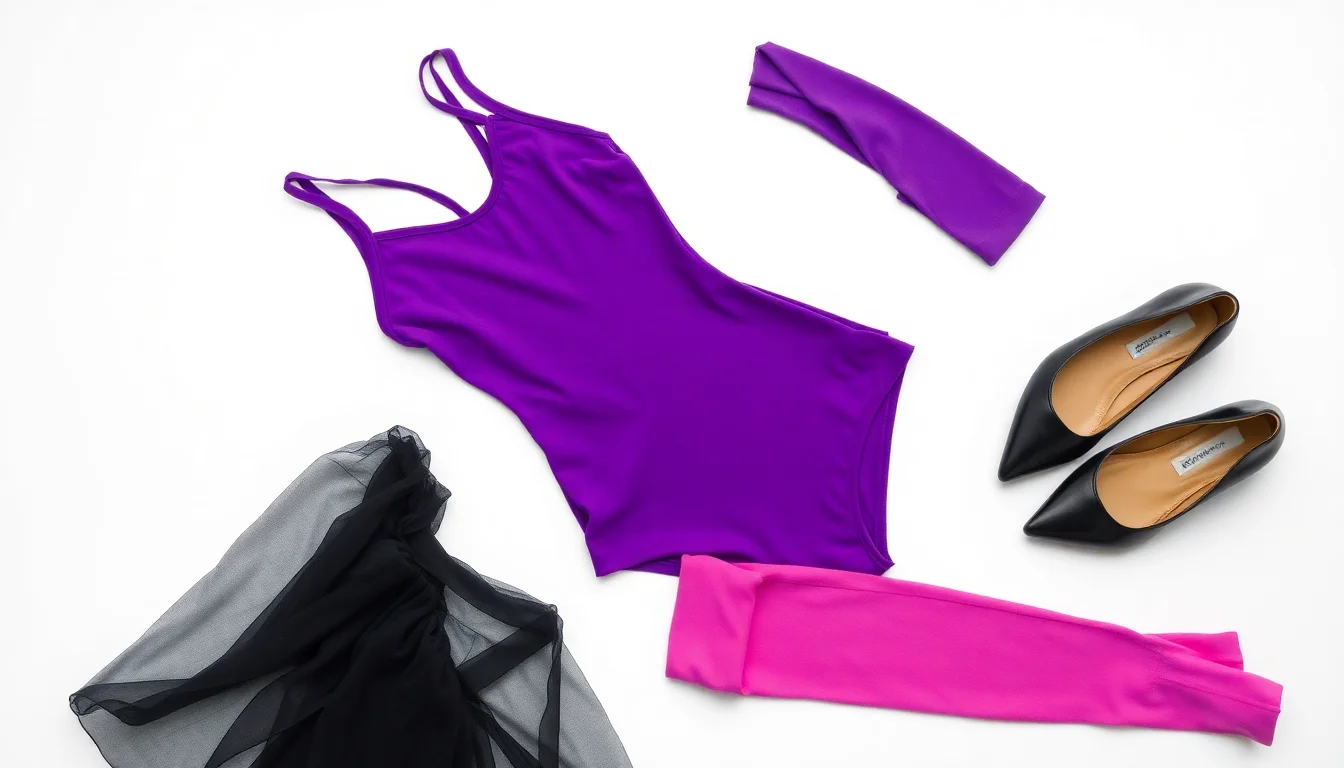
Ballet school uniform ordering guide – stacked ballet leotards in multiple grade colours

Managing ballet uniform ordering for an entire school or studio is a different challenge from helping a single family buy the right leotard. Teachers and studio managers need to plan ahead, communicate clearly with parents, manage multiple grade requirements simultaneously, and handle the inevitable last-minute requests. This guide covers how to do it efficiently.

Planning Your Annual Uniform Order

The most efficient approach is to plan uniform needs at the beginning of each academic year. At that point, you know:

  • Which students are moving to a new grade (and therefore need new uniform colours)
  • Which new starters are joining (who need a complete starter kit)
  • Which students have outgrown last year’s uniform and need replacements

Sending a uniform requirements form to parents at the start of each year — listing the required items, colours and sizes for each grade — allows you to anticipate demand and place consolidated orders rather than dealing with individual family requests throughout the term.

Creating a Uniform Requirements List

Your uniform list should specify, for each grade or class level:

  • Leotard colour and style (e.g. “Sky blue tank-top leotard”)
  • Tights colour and style (e.g. “Pink footed ballet tights”)
  • Shoe type and any brand specifications
  • Skirt or dress requirements, if applicable
  • Belt colour and any accessories required
  • Hair requirements (bun, accessories, colour of ribbon if specified)
  • Exam-specific items for examination terms

Including product links from a trusted supplier reduces confusion and ensures parents buy the correct items.

Choosing a Ballet Uniform Supplier

When selecting a supplier for school orders, consider:

  • Stock consistency: Can the supplier reliably fulfill orders for the same item across a full academic year? Colour and style changes between batches cause visual inconsistency in class.
  • Size range: Does the supplier carry a full range of children’s and adult sizes?
  • Bulk pricing: Does the supplier offer school or volume pricing?
  • Returns policy: Can you exchange sizes if a student’s items do not fit?
  • Shipping speed and reliability: A supplier who takes 3 weeks to deliver is not useful for urgent term-start orders.

Handling Parent Orders: Two Approaches

There are two common models for school uniform management:

1. Centralised School Ordering

The school collects sizes and payments from parents, places one consolidated order, and distributes items to students. This gives more control over what is purchased and ensures uniformity, but adds administrative burden to teachers or admin staff.

2. Direct Parent Ordering

The school specifies the required items with supplier links, and each family orders directly. This removes the admin burden from the school but requires clearer communication to ensure parents buy exactly the right items.

A hybrid approach — the school manages starter kits and grade changes centrally, parents handle replacements directly — often works well for established schools.

Managing Exam Term Ordering

Examination terms require additional planning. Extra items often needed for exam terms:

  • Exam number bibs if your centre uses them
  • Character shoes and character skirts for relevant grades
  • Grade-specific accessories (belts, bows, ribbons)
  • Replacement tights and shoes for students who have outgrown or damaged theirs

Order exam items at least 6 weeks before the examination date. Last-minute orders risk late delivery and student stress.

Communicating with Parents

Clear, specific communication prevents the most common school uniform problems. Avoid vague descriptions like “pink leotard” — specify the exact shade and style. Include photos where possible. Confirm a deadline by which orders must be placed if you are using centralised ordering.

Frequently Asked Questions

How far in advance should schools place bulk orders?

For standard in-stock items, 2–3 weeks before the start of term is usually sufficient. For custom or branded items, allow 4–6 weeks. For examination terms, place orders at least 6 weeks before the exam date.

Can we get custom branding on uniforms?

Some suppliers offer custom branding on selected items such as bun kits, bags and accessories. The minimum order quantity for custom branding is typically 20–50 units depending on the item. Contact the supplier to confirm which items are available for branding and what the lead time is.

What is the best way to handle exchanges for wrong sizes?

Establish a clear exchange policy at the start of the year. For centralised orders, request a 10% size buffer — extra small and large sizes — to handle exchanges without requiring a new order. Confirm the supplier’s exchange policy with parents upfront so expectations are clear.

How do I handle students who cannot afford uniform?

Many schools maintain a small stock of second-hand or spare uniform items for families in financial difficulty. Some exam boards and dance education charities also provide hardship funds. Handle this sensitively and privately to protect the child’s dignity.

Posted on

RAD Grade 3, 4 and 5 Ballet Uniform: What Changes?

RAD Grade 3, 4 and 5 Ballet Uniform: What Changes?

RAD Grades 3, 4 and 5 represent the middle stage of the graded syllabus, where technique becomes more demanding and the uniform reflects this increased seriousness. Cuban heel character shoes are introduced, leotard colours often change at each grade, and the overall presentation expected for examinations becomes more precise. Students at this level are typically aged between ten and fourteen.

Short answer: RAD Grades 3, 4 and 5 represent the middle stage of the graded syllabus, where technique becomes more demanding and the uniform reflects this increased seriousness.

Leotard colours for Grades 3, 4 and 5

Leotard colours vary between dance schools at these grades. A commonly used progression assigns a distinct colour to each grade, but there is no single RAD-mandated colour scheme for these levels. Each school develops its own colour progression across the grades to allow teachers and examiners to quickly identify a student’s level. Always confirm the correct colour for your specific school before purchasing. If you are moving between schools or returning after a break, the new school’s colour may differ from your previous one.

Cuban heels at Grade 3

One of the most significant uniform changes at Grade 3 is the introduction of Cuban heel character shoes. Cuban heels are higher and more defined than the low, flat heels worn at Grades 1–2, typically five to six centimetres in height. This heel is required for character dance sections because it affects posture and the style of step patterns in the syllabus. Character shoes with Cuban heels should fit snugly around the heel and instep, with the toe box roomy enough for the toes to lie flat.

Ballet shoes at Grades 3–5

Split sole ballet shoes become more common from Grade 3 onward, as students have developed enough foot strength to use the increased flexibility appropriately. However, the transition from full sole to split sole is the teacher’s decision and should not be made independently. If your teacher has not specified split soles, continue with the style currently in use.

What else changes at Grades 4 and 5?

By Grades 4 and 5, the examination work includes more extended sequences, more complex port de bras and a higher standard of overall presentation. Hair must be immaculate — a firm, smooth bun with no loose strands — and the uniform must be complete and tidy. Tights should be free of ladders on exam day. At this level, judges are assessing artistry and presentation as well as technique, so the overall picture matters. Some schools introduce a different character skirt length or style at Grades 4–5 — check the school’s uniform guide as students progress through each grade.

Frequently Asked Questions

When does the character shoe heel height increase in RAD exams?

Cuban heel character shoes are typically introduced at Grade 3 or 4, replacing the lower kitten heel used in earlier grades. The exact grade depends on the school and the specific RAD syllabus guidance in use. Confirm with your teacher.

What is the leotard color at RAD Grade 3?

Grade 3 often introduces a different color from Grade 1 and 2 — commonly a turquoise, teal or similar — but this varies by school. The RAD syllabus specifies the color, and the school may choose a specific shade within that. Ask your teacher before buying.

Do Grade 3 to 5 students need a skirt for non-character work?

For the ballet portions of class and exams, most schools use a chiffon wrap skirt over the leotard. For character sections, the black character skirt replaces the chiffon wrap. Your teacher's grade-specific list will clarify which is required when.

Posted on

RAD Grade 1 and Grade 2 Ballet Uniform Guide

RAD Grade 1 and Grade 2 Ballet Uniform Guide

RAD Grade 1 and Grade 2 mark the transition from introductory ballet into the graded syllabus, and the uniform becomes more structured to reflect this. Both grades share a similar uniform palette, though individual schools may choose slightly different shades. Character work is fully integrated at this level, making a character skirt and character shoes essential additions to the kit list.

Short answer: RAD Grade 1 and Grade 2 mark the transition from introductory ballet into the graded syllabus, and the uniform becomes more structured to reflect this.

Leotard colour for Grade 1 and Grade 2

The most common convention for Grade 1 and Grade 2 is a pale blue or lavender leotard — similar to Primary grade, though some schools use a slightly different shade to distinguish the grades from each other. Because there is variation between schools, it is essential to check your studio’s specific uniform list rather than purchasing based on a general guide alone. The leotard style is typically sleeveless or short-sleeved, in a plain or lightly detailed design.

Character skirt requirements

At Grade 1 and Grade 2, character skirt work is a core part of the syllabus. The character skirt is worn over the leotard and tights for the character dance sections of class and examination. The standard skirt for these grades is a mid-length, lightweight style — often tiered or circular cut — in black or a dark colour as specified by the school. Some schools issue character skirts directly; others require parents to purchase them. Confirm the required length and fabric with your teacher before buying.

Shoes for Grade 1 and Grade 2

Students at these grades wear soft ballet shoes for the ballet sections of class, and low-heeled character shoes for character work. The character shoe at Grade 1–2 level is typically a low-profile heel of one to one and a half centimetres — a Mary Jane or T-bar style in black leather. Cuban heels are generally introduced from Grade 3 onward. Some teachers transition students to split sole ballet shoes at Grade 1 or 2, depending on foot development and ability.

Tights and hair for Grade 1–2 examinations

Pink footed tights are standard across Grade 1 and Grade 2. Hair should be in a neat ballet bun, secured with pins and a hairnet, completely off the face and neck. For examinations, the appearance should be clean and uniform: no visible jewellery, no nail polish, and no clothing other than the specified uniform items. A tidy, well-prepared student allows the examiner to focus entirely on the work.

Frequently Asked Questions

What leotard color is required for RAD Grade 1?

The specific color required for Grade 1 varies by school and regional guidance, but the RAD syllabus provides a color per grade. Many schools use a mid-blue or similar for this level. Always confirm the exact shade with your teacher or school.

Do Grade 1 and Grade 2 students use character shoes?

Yes — character work is fully integrated at Grade 1 and 2, and most schools require character shoes with a small kitten heel at this level. Your teacher will specify the exact heel height and color required.

Does the character skirt change between Grade 1 and Grade 2?

The character skirt style is generally consistent through Grade 1 and 2 — the same black mid-length skirt used from the Primary grade. The key change between grades is the leotard color and any accessories specific to the grade.