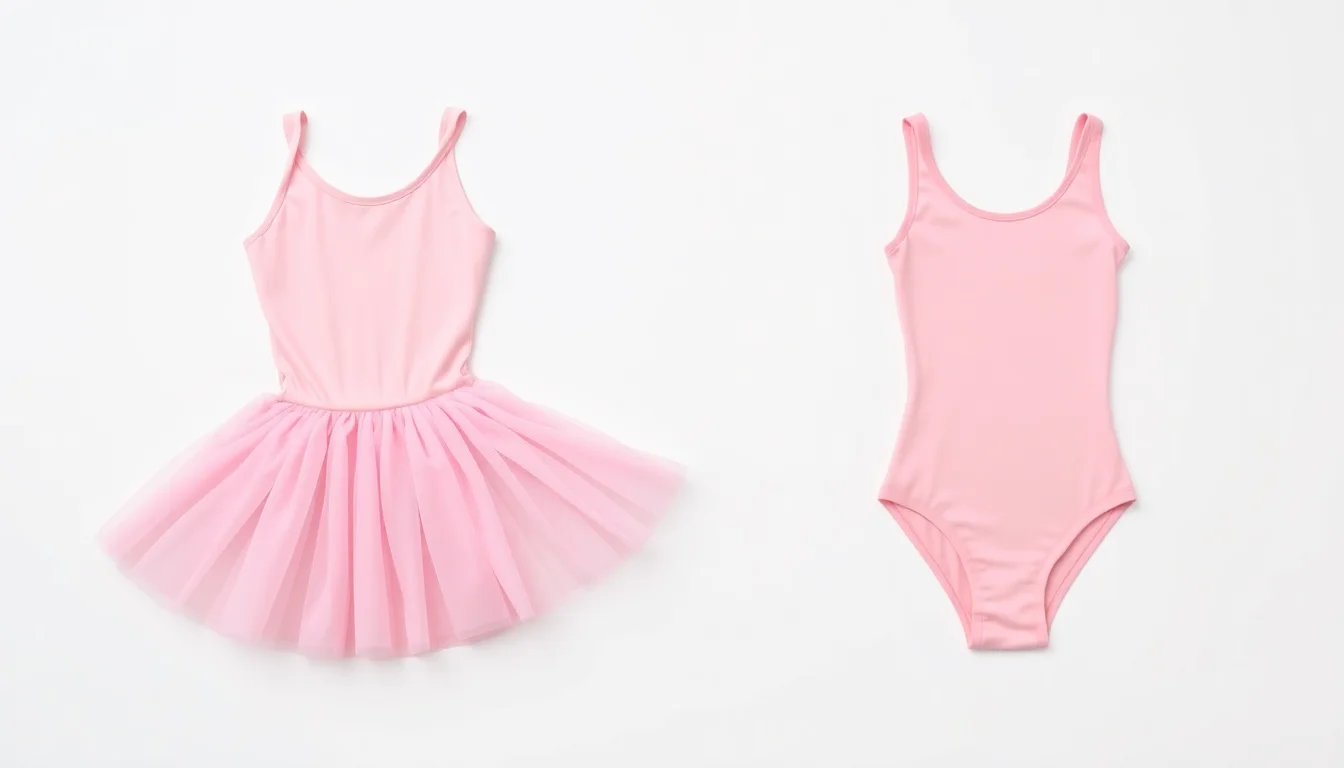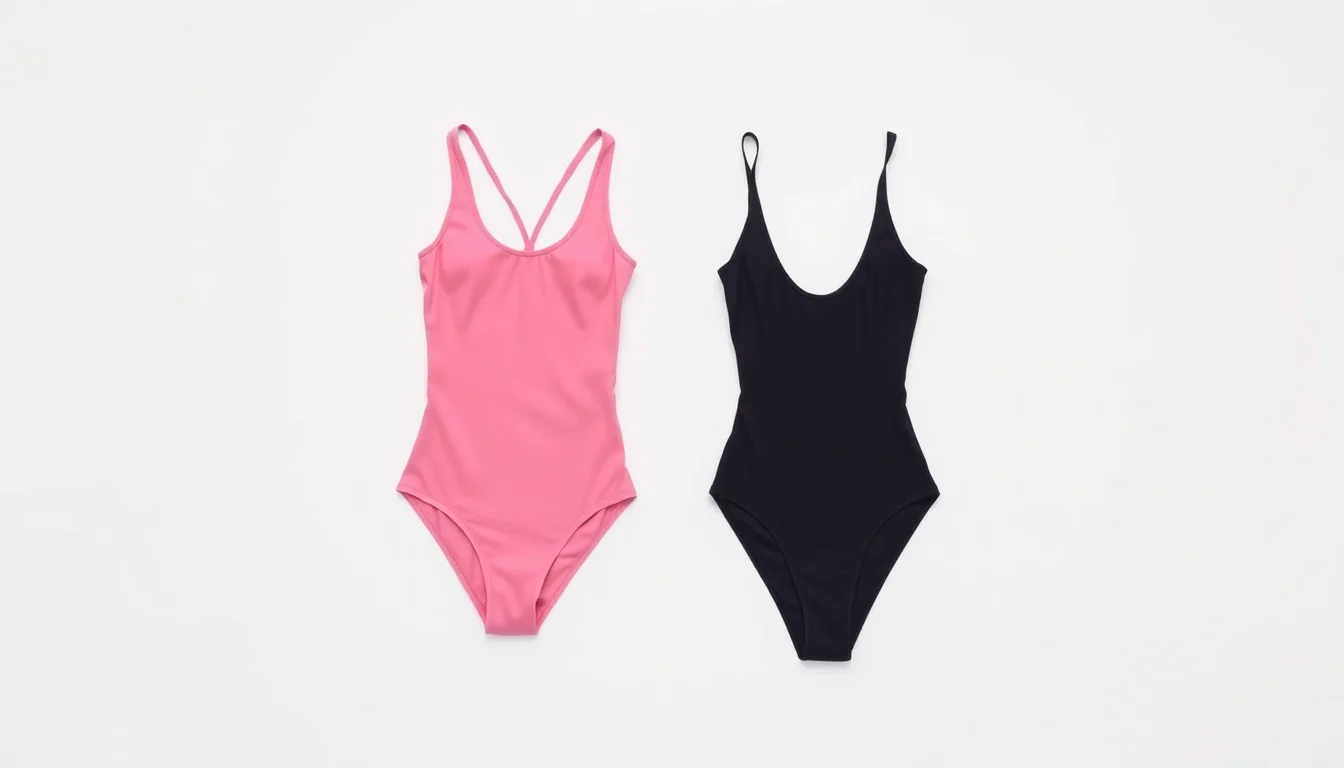
Short answer: A leotard is a close-fitting, one-piece garment that covers the torso but leaves the legs bare. It may have long sleeves, short sleeves, cap sleeves, or be sleeveless with straps.
What Is a Leotard?
A leotard is a close-fitting, one-piece garment that covers the torso but leaves the legs bare. It may have long sleeves, short sleeves, cap sleeves, or be sleeveless with straps. Named after Jules Léotard, the 19th-century French acrobat who popularised the style, the leotard is the standard base garment worn in ballet classes worldwide.
What Is a Unitard?
A unitard is a one-piece garment covering both the torso and the legs — essentially a leotard with attached tights or trousers. The name blends “uniform” and “leotard.” Unitards come in full length (whole leg), cropped (to the knee), or short (to the hip). They are commonly used in contemporary dance, figure skating, gymnastics, and theatrical performance.
Key Differences
| Feature | Leotard | Unitard |
|---|---|---|
| Leg coverage | None — bare legs | Full or partial |
| Used in classical ballet | Yes — standard | Occasionally in performance |
| Used in contemporary dance | Yes | Yes — very common |
| Worn with tights | Yes, typically | Usually worn alone |
Leotards in Ballet Class
The leotard is the standard garment for classical ballet class, worn with ballet tights and sometimes a skirt. Ballet leotards come in grade-specific colours dictated by the school’s dress code. The RAD syllabus specifies particular leotard colours for each grade to help teachers identify students and maintain a professional environment.
Unitards in Dance
Unitards appear frequently in contemporary ballet performance as costume pieces, creating a sleek unbroken line across the whole body. Some adult beginners prefer the coverage of a unitard in class. While most strict ballet dress codes specify a leotard with separate tights, unitards may be permitted in adult classes at many schools.
Which to Buy for Ballet?
For a child starting ballet, a leotard is the correct choice for almost all schools. Check the school’s dress code for the required colour and style. For adult beginners or contemporary dance classes, a unitard is a practical option if the school permits it.
Shop from Zoe Dancewear
Frequently Asked Questions
What is the difference between a leotard and a unitard?
A leotard covers the torso only; a unitard covers the torso and legs. In ballet class, leotards are worn with separate tights. Unitards are a one-piece alternative covering the whole body.
Can you wear a unitard instead of a leotard to ballet class?
This depends on the school’s dress code. Most traditional ballet schools require a leotard with separate tights. Some adult and contemporary classes may permit unitards. Always check before purchasing.
What is a camisole leotard?
A camisole leotard is a sleeveless style with thin spaghetti straps — like a camisole top. It is popular for warmer classes and is worn with ballet tights in the same way as any other leotard.
Are unitards used in professional ballet?
Yes. Unitards appear in contemporary and neoclassical ballet performances and in some conservatoire training contexts, particularly in contemporary dance.